


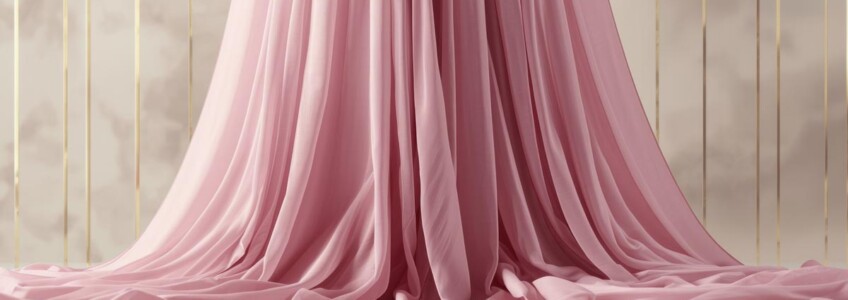
Georgette fabric is one of the most versatile and iconic materials in the world of fashion and creative sewing. Lightweight, soft and with a characteristic slightly creped surface, it stands out for a smooth fall that enhances drapes and volumes. It is widely used for elegant dresses, shirts, flowing skirts and also for lightweight indoor curtains. To choose the best georgette fabric, you need to know its characteristics, the different types available and the most common uses, as recommended by Manifattura Foderami Cimmino.
What is georgette fabric?
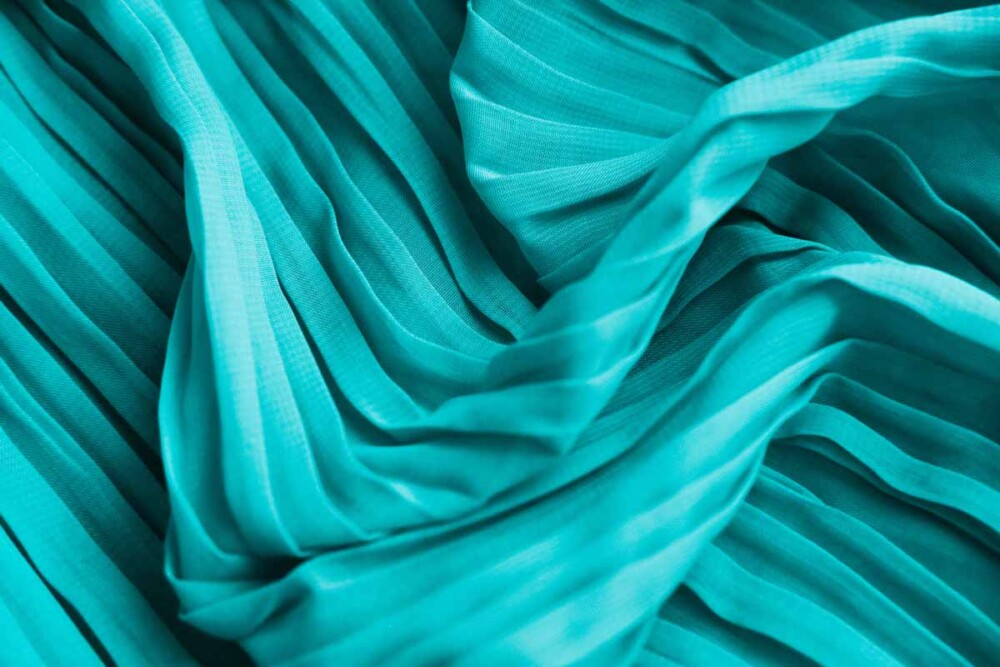
Georgette is a lightweight, semi-transparent fabric, characterized by a slightly grainy surface and a frizzy appearance. It is obtained through very twisted yarns that give strength and at the same time softness to the drape. It is less impalpable than chiffon, but more sustained, and precisely this balance makes it suitable for both everyday clothing and formal wear.
Two main categories of georgette fabric can be distinguished.
The traditional georgette is most commonly found in shirts, blouses, and light clothing. It has a slightly ridged surface, noticeable to the touch but not too noticeable to the eye, and a soft hand that allows the fabric to fall smoothly. It’s semi-transparent, but generally provides a little more coverage than chiffon. It’s ideal for those looking for a lightweight fabric that maintains a certain texture and isn’t overly impalpable.
On the other hand, crepe georgette has a more marked frizz effect. The surface grain is more noticeable and gives the fabric an even duller and more sophisticated look. This type of processing makes the fabric particularly stable, less prone to slipping and therefore slightly easier to sew than very thin georgettes. The crepe georgette drapes elegantly and clearly, creating soft folds that stay more “in shape” than the traditional version.
What georgette fabric is made of
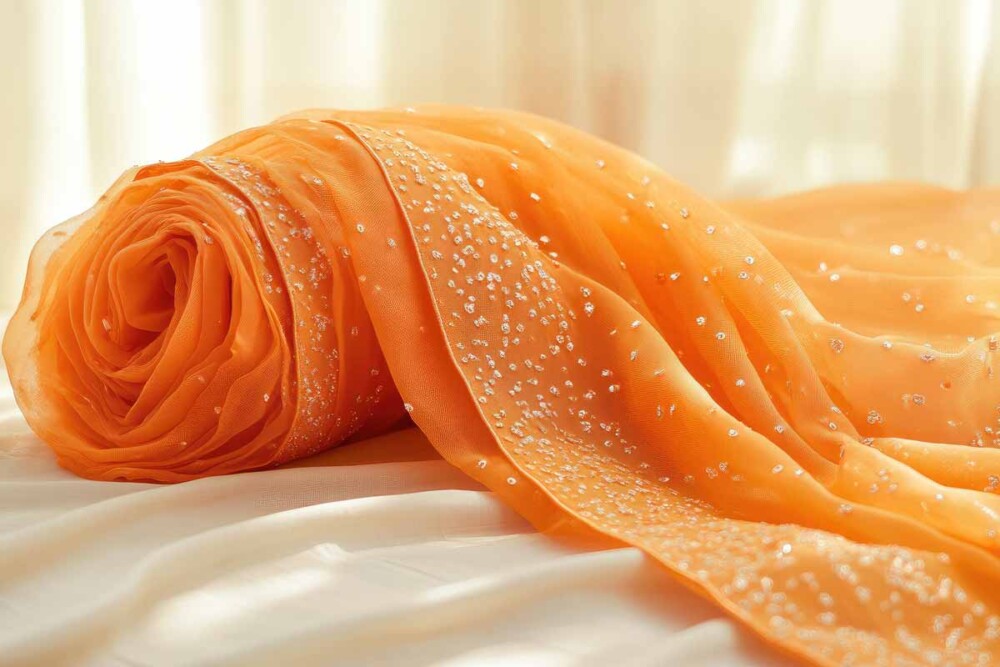
The composition of the georgette can change a lot and affects price, aesthetic performance and maintenance. The most valuable version is the silk georgette, soft, breathable and naturally elegant. Alongside this, polyester or viscose georgettes are very popular, which maintain a light and fluid appearance but are more practical and resistant to washing. In some cases, a small percentage of elastane is present which makes the fabric slightly elasticized.
When we talk about georgette silk, pure silk georgette, or silk georgette fabric, we are referring to the higher-end variants, particularly used for formal dresses and wedding dresses.
Differences between the main types of georgette fabric
| Type of georgette | Features | Pros | Cons | Recommended uses |
| Silk georgette | Soft, natural, very fluid | Elegance, breathability, comfort on the skin | Higher price, gentle maintenance | Wedding dresses, formal dresses, haute couture items |
| Georgette in polyester | More resistant and practical | Easy to wash, not very wrinkled, low cost | Less breathable | Shirts, skirts, everyday clothes, furniture |
| Georgette in viscose | Soft and natural hand | Good compromise between silk and synthetic | Delicate to washes | Light clothing, flowing blouses |
| Elastic Georgette | With percentage of elastane | Comfortable and close fitting | Less breathable | Fitted dresses, garments requiring fit |
What georgette is used for: most common uses
The georgette fabric is very versatile and finds application in both clothing and furniture. Its lightness, combined with the classic slightly frizzy effect, allows you to obtain garments and complements that are elegant yet practical in everyday use.
Clothing in georgette
Georgette is one of the most popular clothing fabrics for creating flowing and elegant garments. It is chosen for georgette dresses, both long and short, because it falls softly without being stiff and naturally enhances the body lines. Il tessuto segue i movimenti senza aderire eccessivamente, creando un effetto leggermente ondulato che dona leggerezza alla figura.
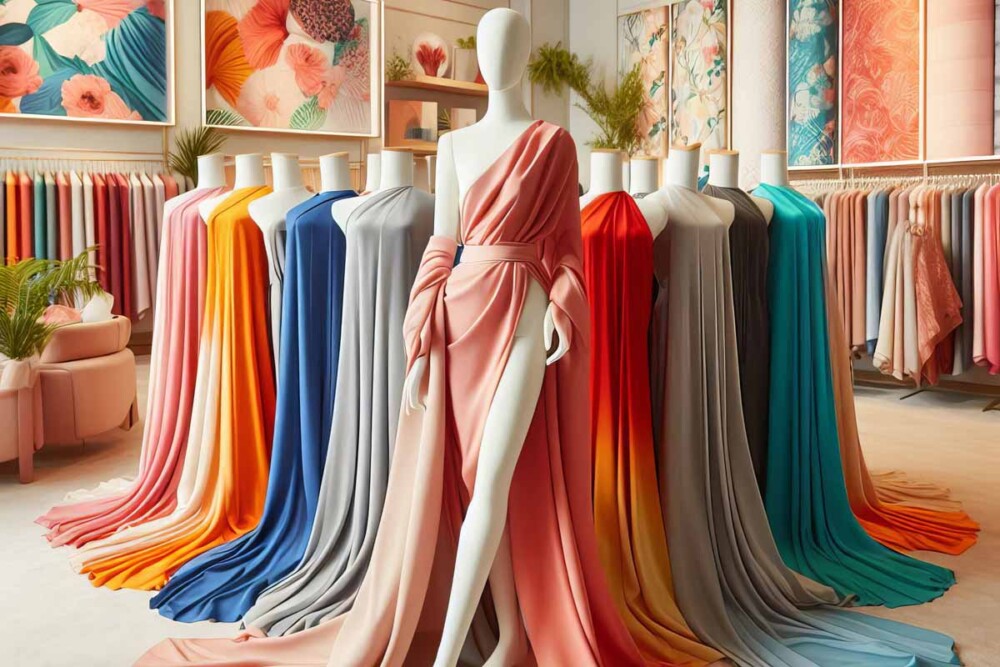
In addition to dresses, georgette is widely used for light shirts and blouses, ideal for mid-season and all those garments that require controlled transparencies. Georgette skirts, often full or pleated, are also particularly popular because they combine volume and comfort, without the heaviness of stiffer fabrics. In the tailoring sector, it is also used for sleeves, inserts and overlapping panels, precisely thanks to its ability to create layering games.
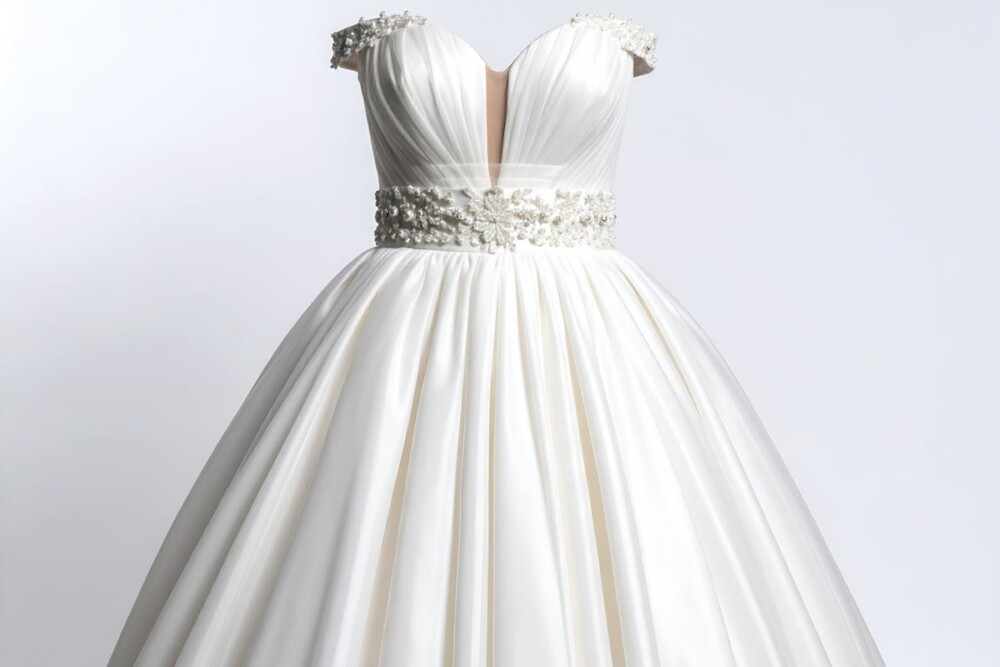
Mention must also necessarily be made of formal dresses and wedding dresses in silk georgette. In these garments, the fabric allows for plays of draping, overlapping and layers that give movement to the dress without making it excessively voluminous. Silk georgette is particularly popular as a wedding dress fabric because it feels soft on the skin, natural, and very elegant, ideal for clothes that combine comfort and aesthetic appeal. Silk georgette dresses are especially chosen by those who want a fluid, refined and modern line, an alternative to fabrics for formal dresses that are too stiff or too shiny.
Georgette Lavata
Georgette Lavata is a 100% polyester fabric with a soft hand and pleasant to the touch, characterized by a light texture that gives a natural and fluid look to the garments. Lightweight yet covering, not stretchy, it is ideal for women’s casual wear: perfect for making dresses, blouses and shirts with soft and comfortable lines.
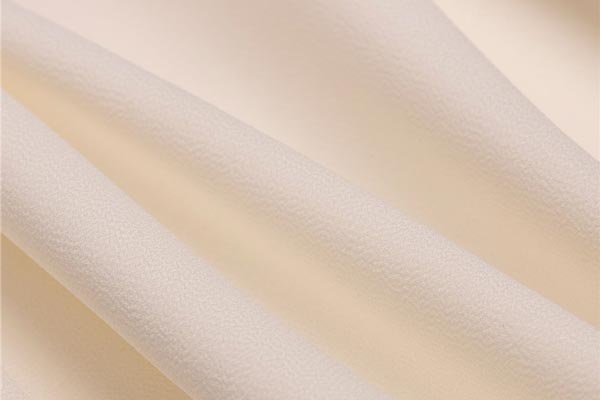
With a height of 146 cm and OEKO-TEX® STANDARD 100 certification, it guarantees quality and safety of materials. Available in several solid colors, it is the ideal choice for creating fresh and feminine chiffon, georgette and organza style garments.
Georgette for furniture and home
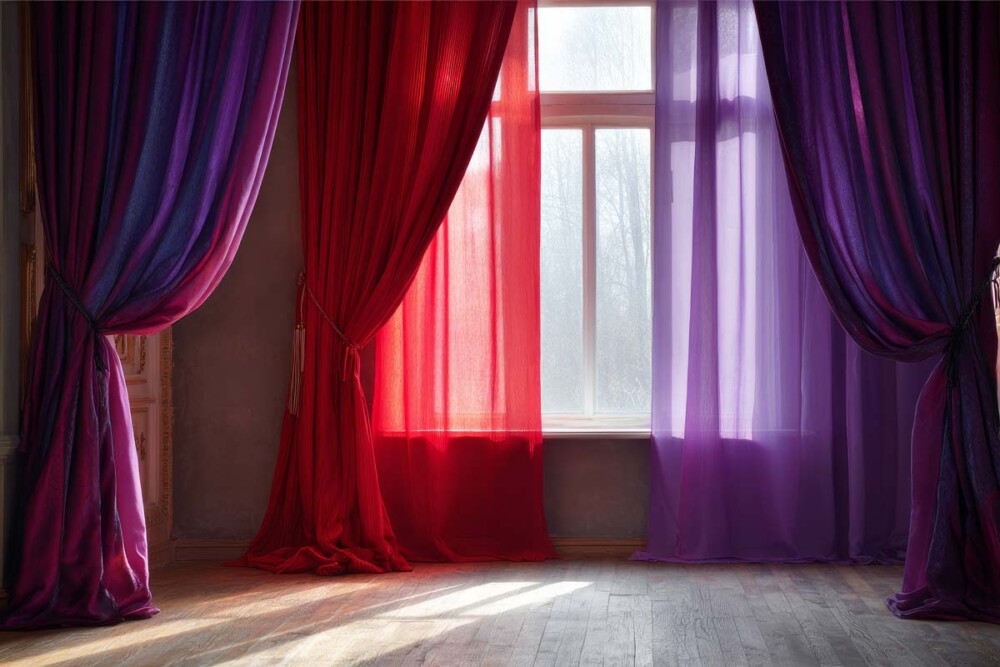
Georgette is not only used in fashion: it also finds numerous applications as a furnishing fabric. Due to its controlled transparency and ability to filter light, it is very often chosen for georgette curtains and lightweight decorative panels. Georgette curtains allow you to illuminate rooms without leaving the interiors completely uncovered, creating a balance between privacy and brightness.

In the living room or bedroom, georgette drapery fabric helps create a soft, enveloping atmosphere. Used as a single modern curtain fabric or in overlay with more covering fabrics, it softens natural light and makes the environment visually lighter. In some cases it is also used for canopies, decorative veils and drapes, precisely because it is easy to shape and maintains a beautiful movement.
Thanks to these features, the georgette for furniture and home represents an ideal solution for those who want an elegant, lightweight and simple fabric to combine with different interior styles.
Tenda Georgette Unito
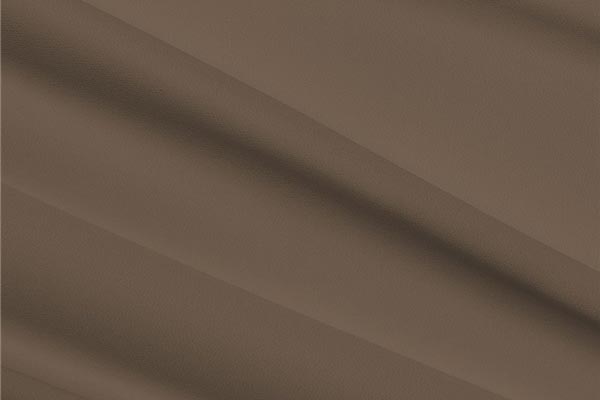
Tenda Georgette Unito is a 100% polyester fabric, soft, light and pleasant to the touch, designed to enhance every room of the house with a touch of discreet elegance. With a height of 295 cm and a weight of 110 g/m² it is ideal for creating semi-transparent curtains that gently filter natural light.
Offered in easily matched solid colors, it is perfect for living rooms, bedrooms and modern environments where versatile and refined curtains are needed.
Is georgette fabric difficult to sew? Tricks to work it best
Sewing georgette can be slightly more complex than more compact fabrics because it is thin, slippery, and tends to shift during cutting and under the foot of the machine. However, it is not a “impossible” fabric: with some care and the right tools, clean and professional results are obtained even at home.
The main difficulty concerns the fact that the fabric is very light and the threads slide easily. For this reason, when cutting, it is useful to work on a large, well-lit surface, avoiding moving the fabric too much. Placing the georgette between two sheets of tissue paper or pattern paper helps keep it in place and achieve a more precise cut, without uneven edges.
For the actual sewing, it is advisable to use thin needles, specific for light fabrics, and set short, regular stitches. Stitches that are too long can pull the fabric, creating undulations; similarly, it’s important not to pull the fabric as it passes under the foot, but to let it slide naturally. If the fabric tends to “eat” under the machine plate, you can start sewing a few millimeters further in and finish the beginning of the line later.
A popular trick used by seamstresses and pattern makers is to insert a sheet of tissue paper under the fabric while sewing: it stabilizes the georgette, prevents it from wrinkling, and allows for straight, clean lines. When the seam is finished, the paper tears easily without leaving any residue. Alternatively, it may be useful to use a Teflon foot or a double-carry foot, which reduces slippage.
Finishing the margins also requires attention. Thin overcast, rolled hem, or French stitching are great solutions for georgette because they enclose the edges inside and prevent the fabric from fraying. Ironing at a low temperature, always with a pressing cloth, then helps secure the seams without risking damaging the fiber.
Is georgette fabric transparent? Advice on seasonality and intended uses
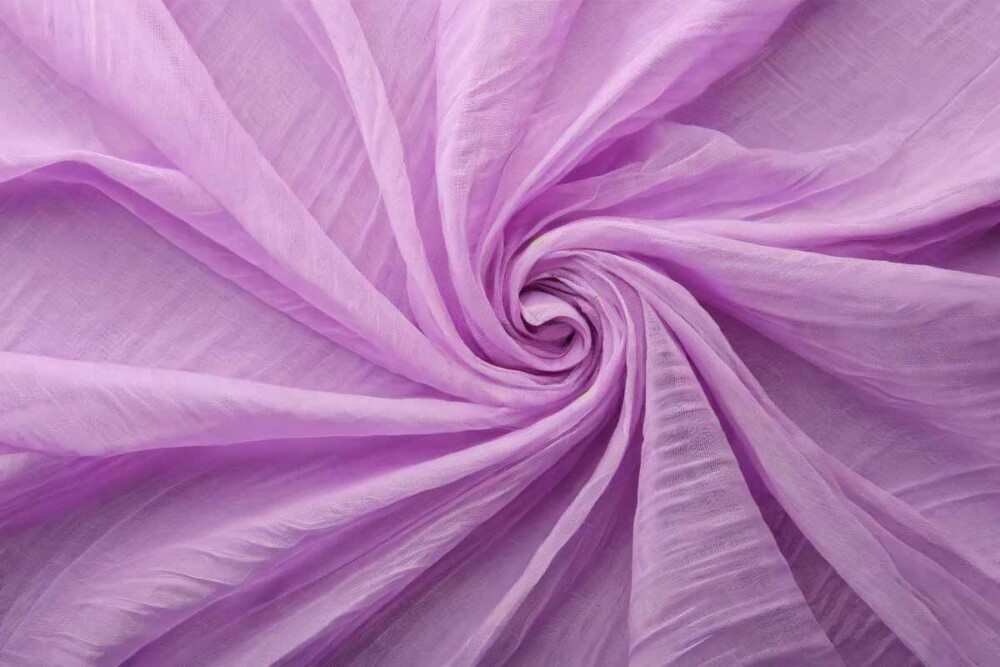
Georgette is generally a semi-transparent fabric. Its thin weave and frizzy effect allow light to filter through, yet still provide greater coverage than chiffon. For this reason, georgette dresses and skirts often pair it with a lightweight lining or use multiple layers, which increase coverage while maintaining a fluid, lightweight look. In georgette shirts and blouses, however, transparency is often part of the style: depending on the color, weight of the fabric, and the model chosen, you can wear it without a lining or with a tank top underneath for a more subtle effect.
The degree of transparency also depends on the composition and weight of the fabric: very thin silk georgette is generally more transparent, while some slightly heavier polyester georgettes may be less veiled.
From a thermal point of view, georgette is a fabric that lends itself well to spring and summer, because it is lightweight, allows air to circulate and rests on the body without adhering. Silk georgette offers the best comfort: being a natural fiber, it feels fresh on the skin and breathable. The polyester georgette, on the other hand, may be slightly less breathable, but has the advantage of being more durable, easy to wash, and less prone to wrinkling.
The way the garment is made also has a significant impact on the feeling of warmth: a multi-layered georgette dress will be more covering and slightly warmer, while a lightweight, unlined, loose-fitting georgette shirt will remain fresh and airy. In general, it is a fabric designed for light, fluid and comfortable garments, perfect when you want elegance without sacrificing practicality.
How to wash and maintain georgette fabric
The care of georgette fabric depends mainly on the fiber it is made of, because silk georgette and polyester georgette do not react the same way to washing.
Silk georgette requires gentle treatments. Hand washing in cold or warm water is preferable, using a detergent specifically for delicate garments and without ever twisting the fabric. After rinsing, the garment should be dabbed with a soft towel to remove excess water, then left to dry flat or hung away from heat sources and direct sunlight. When necessary, ironing should be done at a low temperature, always with an interposed cloth or inside out to avoid streaks and polishing.
The polyester georgette, on the other hand, is easier to manage in everyday life. It can be machine washed on a gentle schedule, low temperature (30 °C approx) and reduced spin. Placing the garment in a wash bag helps protect it from chafing with zips and buttons on other clothing. Again, it’s best to avoid forceful twisting and wringing: hung on a hanger, it often dries quickly without ironing.
In general, it is advisable to avoid the dryer, which could stress the fibers and alter the hand of the fabric. For ironing, the rule of caution applies: low temperatures, light steam and iron never placed directly on the frizzy surface. A great alternative is to lay down the georgette while still slightly damp, allowing the weight of the garment to eliminate the most obvious creases on its own.
To preserve the beauty of the fabric for a long time, it is also useful to be careful of perfumes, deodorants and solvents, which can leave streaks on silk and viscose georgettes. Storing georgette garments on hangers padded or folded with tissue paper avoids marked marks and creases that are difficult to remove.
How much does georgette cost per meter and how to choose the most suitable fabric
The price of georgette per meter varies mainly based on the composition and quality of the fabric. Generally speaking, polyester georgette is the cheapest: the cost is usually low or medium-low, because it is a durable synthetic fiber, easy to produce and simple to maintain. It’s the most affordable choice for those who need to make shirts, lightweight skirts, everyday dresses, or decorative curtains while keeping their budget down.
The viscose georgette is normally in an intermediate price range. It offers a more natural hand than polyester, but requires more workmanship and care; therefore, the cost tends to be slightly higher.
Silk georgette, on the other hand, is the most valuable fabric and consequently the one with the highest price per meter. Silk is a natural fiber, more expensive already as a raw material and more delicate in the weaving and finishing stages. It is especially chosen for formal dresses, silk georgette dresses and silk georgette wedding dresses, where the quality of the fabric makes a big difference in terms of shedding, shine and comfort on the skin.
In addition to the composition, the following also influence:
- the weight of the fabric (more substantial georgettes cost more)
- the presence of prints or patterns
- any special treatments or fine finishes
Difference between chiffon and georgette
When we talk about chiffon and georgette we are talking about elegant and fine fabrics for women’s clothes, but designed for different results: the choice depends on the style of the garment and the final effect you want to achieve.
From an aesthetic and tactile point of view, chiffon has an impalpable and silky, almost evanescent appearance. The georgette, on the other hand, although light, has a more perceptible grain and a less “volatile”, more controlled fall. This seemingly subtle difference has a significant impact on the contexts of use.
The chiffon is ideal when you want an extremely ethereal effect: it is perfect for overlapping layers, ruffles, sheer sleeves, soft necklines, scarves and very light garments. It is often used for clothing that deliberately plays with transparency and air movement, or to create veils and panels that float along the way.
The georgette, on the other hand, is preferred when a little’ more structure is needed while maintaining fluidity. It is best suited for georgette dresses, soft skirts, shirts, and formal dresses where you want a lightweight but not overly sheer fabric. Its slightly creped surface makes the drapes more defined and stable, less “fluttering” than chiffon. For this reason, it is also highly prized in silk georgette wedding dresses, where a balance between elegance, movement, and fabric support is needed.
From a practical point of view, the georgette is also a little’ easier to manage: it slides less under the sewing machine and holds the shape of the panels and folds better. The thinner and more transparent chiffon, however, requires greater attention both during packaging and maintenance.
Differences between georgette, chiffon, and organza
| Fabric | Appearance and hand | Transparency | Structure | When to choose this fabric |
| Georgette | Slightly creped surface, soft, grainy hand | Semi-transparent | Fluid but with a minimum of support | Soft dresses and skirts, formal dresses, flowing blouses, light wedding dresses |
| Chiffon | Very light and smooth, impalpable effect | High transparency | Very poorly structured | Overlays, light sleeves, ethereal and vaporous garments |
| Organza | Stiff and crispy hand, shiny fabric | Transparent | Structured and supported | Loose skirts, voluminous layers, bows, architectural details in dresses |
Where to choose the best georgette fabric
The georgette is an elegant, versatile and timeless fabric. It allows you to create formal dresses, wedding dresses, shirts, light skirts and decorative curtains, adapting to different styles depending on the composition chosen. Choosing between silk, viscose, or polyester georgettes means deciding on the level of value, budget, and ease of use.
If you’re designing a georgette garment or piece of furniture, you can discover the different variations available on the Cimmino shop and evaluate colors, patterns, and compositions to find the right fabric online for your tailoring project.
FAQ- Frequently Asked Questions about Georgette Fabric
Georgette fabric is a lightweight, semi-transparent material with a slightly creped surface and a smooth fall. It is widely used for elegant dresses, shirts and skirts, because it is soft but more sustained than chiffon.
The georgette can be made of silk, polyester, viscose or mixed. Silk georgette is the most valuable, while polyester georgette is cheaper and easier to wash.
The chiffon is lighter, smoother and more transparent, with a very ethereal effect. The georgette is more sustained and slightly creped, making it ideal when you want more coverage and more stable drapes.
Yes, the georgette is generally semi-transparent. Clothes and skirts often use a lining or multiple layers, while georgette shirts and blouses can be worn without.
Yes, it is widely used for formal dresses and silk georgette wedding dresses. It falls softly, creates elegant drapes and is perfect for those who want lightness without rigidity.
The traditional georgette is not elasticized. However, there are stretch versions with a small percentage of elastane, used for tighter and more comfortable clothes.
No, it is a lightweight fabric suitable for spring and summer. Silk georgette is fresher and more breathable, while polyester georgette may be slightly less breathable but more practical.
Silk georgette should be washed by hand or dry with mild detergents. The polyester georgette can be machine washed on a gentle program and in low temperatures.
It can be a little difficult because it is thin and slippery. However, with thin needles, short stitches and supporting tissue paper you also get excellent results at home.
The georgette is suitable for light clothing, silk georgette dresses, full skirts, shirts and flowing blouses. It is also used for georgette curtains and interior decorative panels.
