



Mikado fabric is one of the most sought-after choices in wedding and formal wear fabrics when you need structure, volume, and clean lines. It is often used to make minimal wedding dresses, structured formal pieces and full skirts that must hold a certain shape.
Behind the name “mikado”, however, there are variations that differ in composition, yield and price. To better understand the different versions of this fabric, Manifattura Foderami Cimmino explains what Mikado fabric is, how to recognize it by touch and sight, the difference between satin and mikado, how it changes compared to silk, how to wash and iron it without damaging it, how many types exist and how much Mikado fabric costs, also paying attention to the specific case of silk mikado wedding dress.
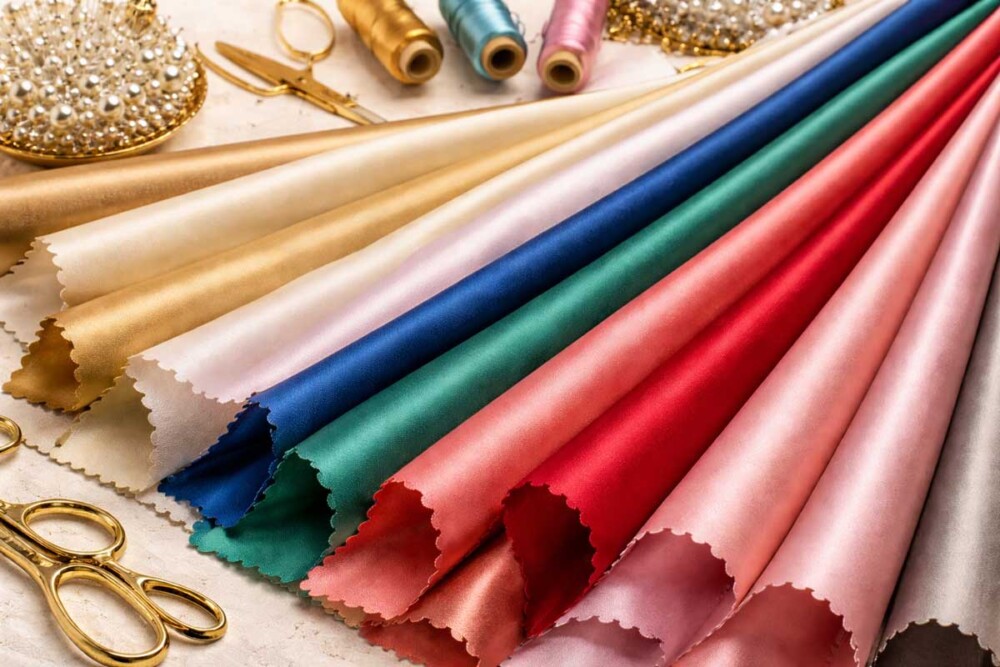
What is Mikado fabric and what kind of fabric it really is
Mikado appears as a sustained, textured fabric, with a generally smooth (more or less shiny) surface and a full-bodied hand. It is designed to hold volumes, folds and clean constructions: this is why it is so widespread in ceremonial and bridal tailoring.
Is Mikado fabric synthetic? Composition and variants
It should be noted that the term mikado does not indicate a fiber, but a type of fabric/processing. Based on this manufacturing process, different types of Mikado can be distinguished:
- Silk Mikado: the finest by hand and rendered, naturally breathable, with elegant shine.
- Silk blend mikado: a widely used compromise between quality and price, it maintains structure and some of the softness of silk.
- Polyester Mikado: More accessible, stable, and easy to manage; shine is usually more controlled (or duller, depending on the finish).
Mikado fabric can be synthetic, but it is not by definition. The composition of Mikado fabric determines behavior, maintenance and cost.
Tessuto Mikado
This fine fabric with diagonal weave is made according to an ancient Japanese processing technique that gives the surface a slightly grainy texture and a refined, instantly recognizable visual effect. The brilliant and sophisticated appearance makes the Tessuto Mikado an ideal choice for those looking for a material capable of enhancing high-level tailoring creations.
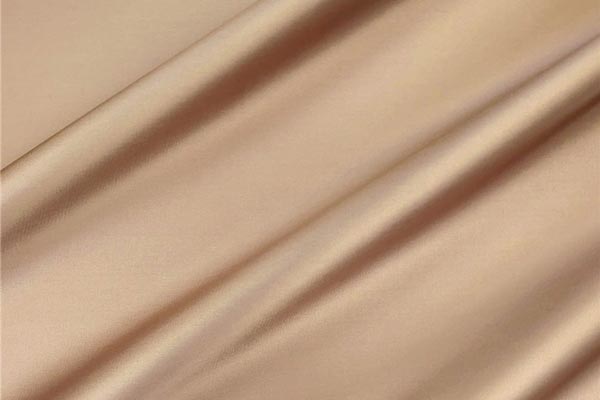
Thanks to its full-bodied structure and flawless fall, this fabric is particularly suitable for the creation of formal dresses, elegant garments and fashion projects that require a precise fit and a harmonious silhouette. The drapery is clean and controlled, allowing you to build defined volumes without losing fluidity, while the diagonal weave adds movement and sophistication to even the most essential lines. It is a fabric designed for those who want a final result with a strong visual impact, but always balanced and without excess.
Available in a wide range of colors, it combines tradition and modernity, offering excellent quality to make exclusive and timeless garments. The 100% polyester composition ensures dimensional stability and a constant yield during the packaging phase, making it suitable for both professional tailoring and more contemporary couture creations. With a height of 150 cm, a weight of 262.5 g/mtl and approximately 175 g/m², this elegant fabric represents a versatile solution for formal collections, evening dresses and fashion projects that require stage presence, brilliance and a structured hand.
Is Mikado a fine fabric? Composition makes the difference
Mikado is not automatically one of the fine fabrics for women’s clothing. The quality of this fabric, in fact, depends above all on the fiber (silk or polyester), the weight, the finishing and the hand. A silk mikado is considered valuable for its yield, comfort, and surface depth. A polyester mikado may be great for stability and price, but it doesn’t fall into the same luxury category. The rule for determining how valuable a mikado fabric is is simple: you should always evaluate both the composition and the perceptible quality.
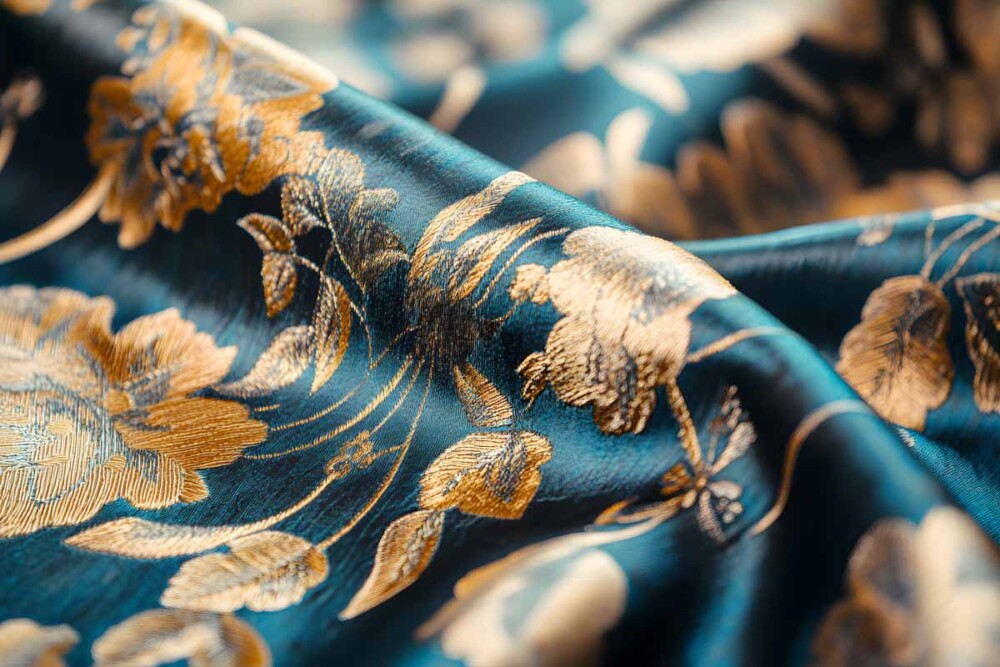
What’s the difference between satin and mikado (and why the choice of model changes)
The difference between satin and mikado is immediately felt when wearing a dress made of one of these two fabrics. Satin is smoother and “slippery”: it accompanies the silhouette, creates soft drapes and marked reflections. The mikado, on the other hand, is more consistent: it designs the shapes, supports the corpini, maintains folds and architectural constructions.
The mikado is an excellent choice for controlled volume, full skirts, bows that stay in shape and clean lines. Satin should be preferred when looking for movement, body grip and a more liquid effect.
What is the difference between silk and mikado
Mikado and silk are not two overlapping concepts. Silk is a natural fiber of animal origin, while mikado is a type of fabric that can be made of silk, silk blend, or polyester. When we talk about “silk mikado”, therefore, we mean a mikado whose main fiber is silk. What emerges from this union is a truly fine fabric used to make formal dresses, haute coutures and wedding dresses.
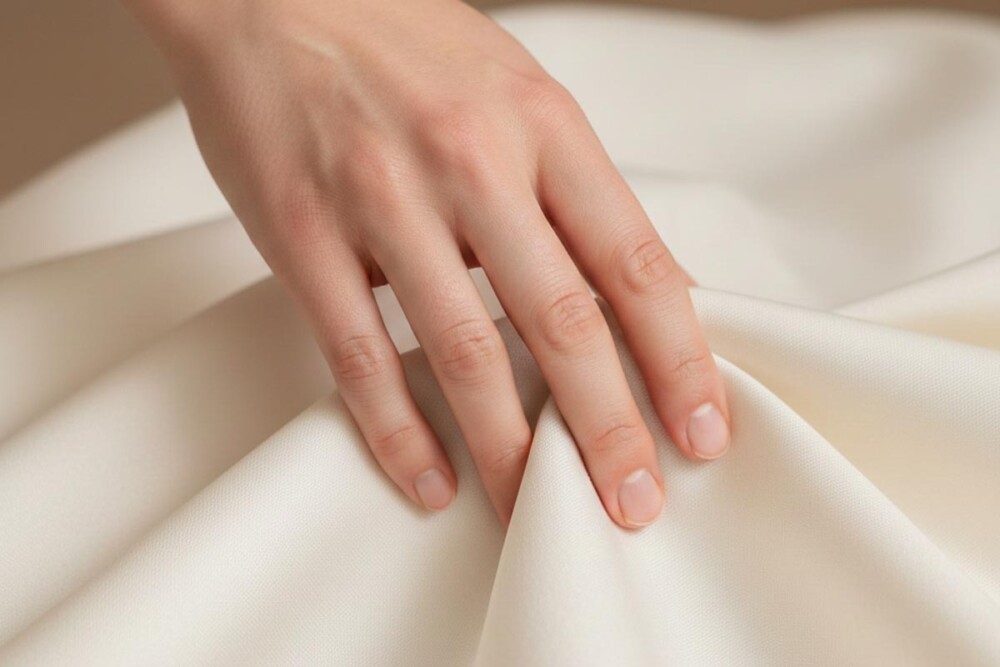
How to recognize mikado: visual and tactile cues
To recognize the mikado, you need to observe and touch the tissue well, identifying these key characteristics:
- Hand: It is full-bodied, “holds” between the fingers.
- Surface: Smooth, often less mirrored than satin; the texture may be slightly noticeable.
- Drop: Doesn’t run like a flowing satin; holds creases and volumes.
- Behavior: Folds and flakes hold their shape.
One of the most common mistakes is confusing mikado with a heavy satin or similar textured fabrics. The first, however, has a more “architectural” response to sartorial constructions.
How to Wash a Mikado Dress: Basic Rules and What Changes with Silk/Polyester
There are also specific washing instructions for the mikado that must be followed to ensure that the fabric retains its maximum shape and aesthetic yield. For this reason, the first thing to do before proceeding with washing a mikado dress is to check the label and composition of the fabric.
How to wash silk mikado? This operation requires the utmost delicacy and professional cleaning is often recommended to avoid any damage. Those who want to venture a home wash must proceed with gentle programs, cold water and specific detergents.
Washing polyester mikado, on the other hand, is definitely more manageable as a circumstance: gentle cycles and low temperatures help preserve structure and finish.
In both cases, aggressive centrifuges and dryers must absolutely be avoided as they could interfere with the structural folds that are part of the fabric value.
How to Iron Mikado: Temperature, Protection Cloth, and Steam Management
To iron the mikado without leaving marks on the fabric, you need to follow a series of specific steps:
- Work inside out with a protective cloth;
- Use low or moderate temperatures (lower on silk);
- Dose the steam carefully: it can help relax creases, but too much risks streaks or loss of structure.
During all stages of ironing it is better to press lightly rather than “squeeze”: the mikado should be accompanied, not tamed.
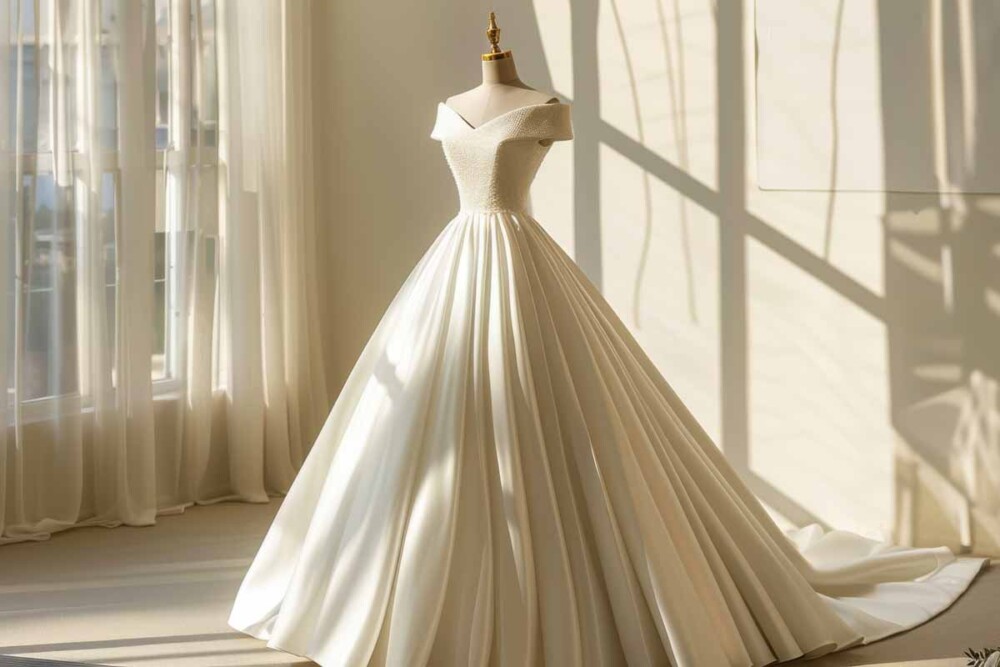
Mikado for Wedding Dress: Features That Make a Difference
In the bridal sector, mikado is one of the most popular fabrics for wedding dresses, especially for achieving clean silhouettes and controlled volumes. The characteristics of the mikado wedding dress are clearly recognizable:
- natural support for full skirts and structured bodices;
- impeccable rendering of folds, bows and panels;
- modern and minimal aesthetic, with elegant shine (variable by finish).
This is an ideal fabric when the design requires shape and precision. However, it requires careful cutting and careful finishing as the structure highlights every detail.
How many types of Mikado wedding dresses are there?
An overview that includes the different types of mikado is based on the distinction of this fabric based on the criteria that directly impact its use. So we have several Mikados:
- for fiber: silk / silk / polyester blend;
- for finish: shinier or duller;
- for weight and stiffness: medium, sustained, very structured.
The choice depends on the project: a full skirt demands more body; a bustier can benefit from a more compact mikado; an evening dress may prefer a less shiny finish.
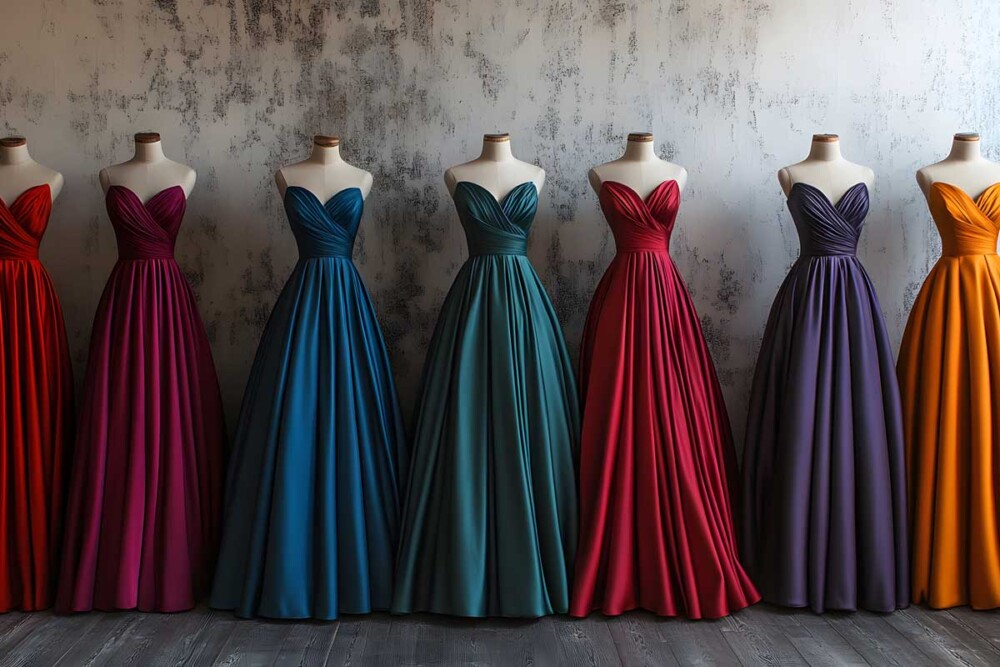
How much does Mikado fabric cost per meter
The price of mikado per meter varies significantly. Polyester versions are the most accessible entry level. Moving up towards mixed silk and 100% silk increases cost and perceived quality. The main factors that influence are:
- composition;
- weight and height of the fabric;
- finishing;
- dyeing/color.
How much does a silk mikado wedding dress cost: what really depends on
The cost of a silk mikado wedding dress is not determined by the fabric alone. They weigh much more:
- the internal construction (sticks, corsetry, layers);
- sartorial hours;
- the brand and the level of customization.
Silk mikado is a fine base, but the final price reflects above all design and labor.
To choose the mikado best suited to your tailoring project, you can consult all the variations available on CimminoShop, with the option to request samples to evaluate the hand, structure and yield before purchasing.
FAQ – Frequently Asked Questions about Mikado Fabric
It is a structured and supported fabric, designed to hold clean volumes and lines. It can be made of silk, silk blend or polyester.
It is a type of fabric used mainly in ceremonies and bridal for its ability to maintain shape, folds and architectural constructions.
It can be: there are mikados in polyester, but also in silk or silk blend. The composition determines yield and maintenance.
It is not unique: the main variants are 100% silk, silk blend and 100% polyester.
It is when it is in silk (or quality silk blend). Synthetic versions are cheaper and more practical, but they do not fall into the same range.
The satin is more fluid and adherent; the mikado is more consistent and structured, ideal for volumes and clean lines.
Silk is a natural fiber of animal origin; mikado is a type of fabric that can be made of silk, blend, or polyester.
With a full-bodied hand, a drop that holds folds and a smooth surface less “liquid” than satin.
It depends on the composition: silk requires maximum delicacy (often professional cleaning), polyester tolerates gentle cycles at low temperatures.
On the reverse side, with protective cloth and low/moderate temperatures. Steam should be dosed with caution.
It supports volumes, maintains folds and offers a clean and modern aesthetic, perfect for architectural silhouettes.
The main differences concern fiber (silk/mixed/polyester), finish (glossy/matte) and stiffness.
The price per meter varies greatly: polyester is more affordable, silk mikado is at the high end.
It depends above all on construction, labor and brand, as well as the fabric.
