


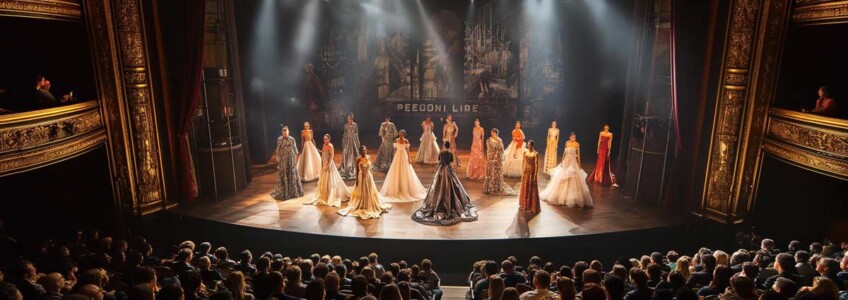
In the theatre environment, the costume is not simply a dress: it is the first narrative tool that the spectator perceives, even before the actor utters the first line. A dark velvet communicates authority, an ethereal tulle evokes fragility, a fluorescent licra projects the audience into a futuristic dimension. Choosing the right theatrical costume fabric means choosing the visual language of the entire production.
The professional costume designer selects materials by simultaneously evaluating five factors: aesthetic performance under stage lighting, comfort and freedom of movement for the performer, wear resistance of the replicas, and sartorial workability. Manifattura Foderami Cimmino has selected the best theatrical costume fabrics for the entertainment world.
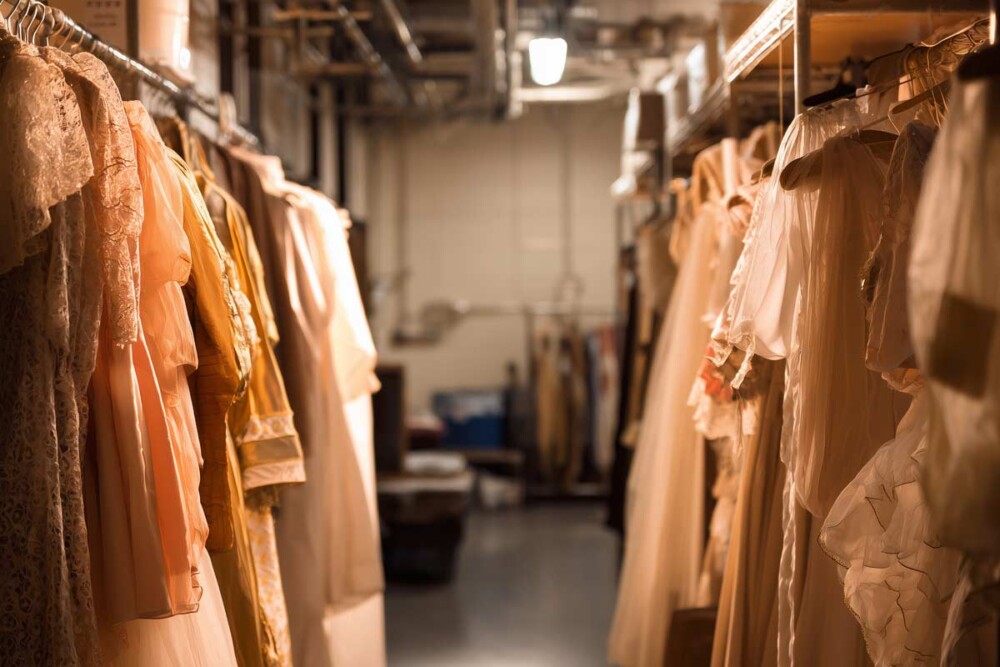
Fabrics for theatrical performances: what types of fabrics are suitable for the stage
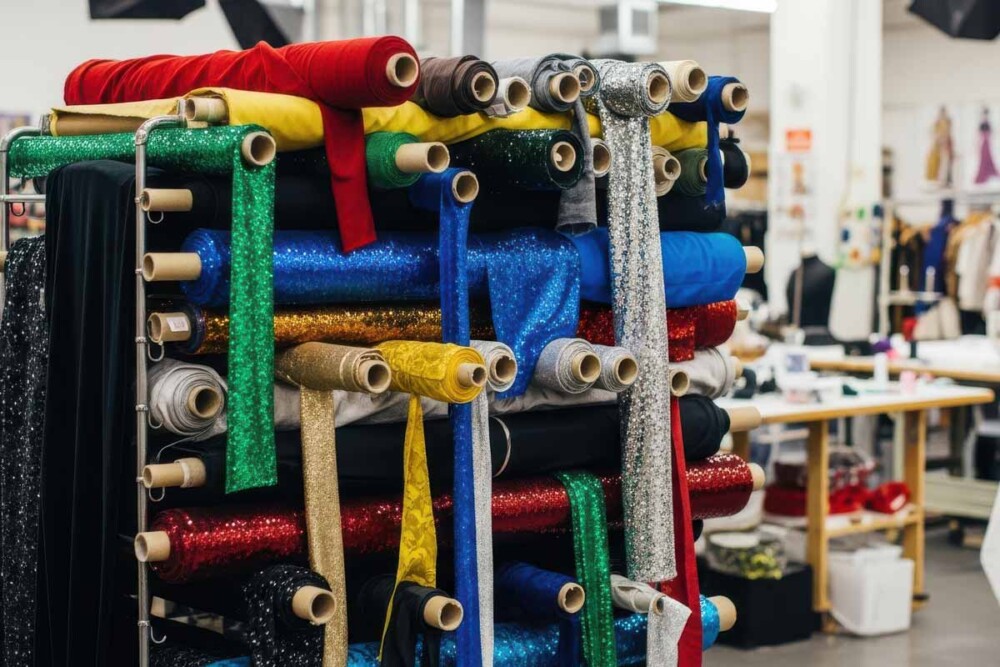
The panorama of stage costume materials is vast, but can be traced back to large textile families, each with specific functional and aesthetic characteristics. Getting to know these families is the first step in consciously guiding your choice.
Elastic and lyre bi-elastic fabrics for contemporary dance and theatre
The bi-elastic lyre represents the beating heart of the contemporary stage wardrobe. Thanks to its elasticity in four directions, this fabric follows the body like a second skin, without hindering any movement. The typical polyamide and elastane composition (with varying percentages, commonly 80/20) ensures excellent springback even after numerous replicates.
Licra Honey
Licra Honey is one of the most appreciated proposals of the Cimmino catalogue for the world of dance and entertainment. It is a bi-elastic fabric made of polyamide (80%) and elastane (20%), with a weight of 290 gr/mtl and a height of 150 cm, designed for those who need garments that accompany the body in every movement without constraints.
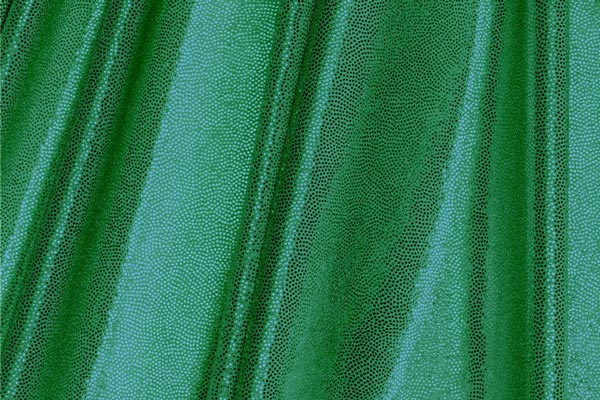
The feature that makes it instantly recognizable is the bright finish, capable of capturing and reflecting light under the spotlights. The luminous effect, combined with the bielasticity of the fabric, makes it particularly suitable for bodysuits, onesies, modern dance costumes and tight-fitting garments that must guarantee an impeccable fit and great visual impact.
Licra Leo
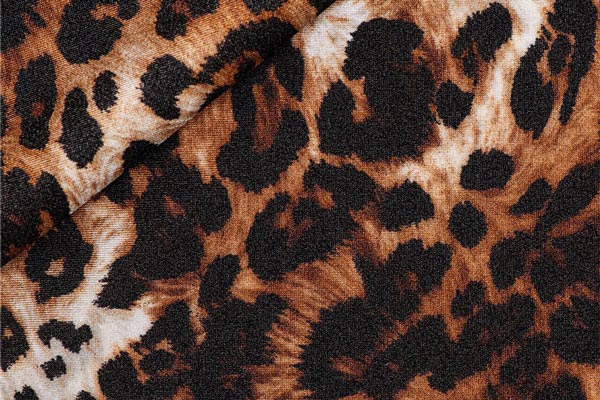
Wild, scenic and stage-ready: the Licra Leo is the two-elastic lyre designed for those who want to bring the visual power of the animalier to the stage. The speckled print, with warm, realistic tones reminiscent of feline fur, makes it an immediate choice for costumes inspired by animal characters, jungle-themed choreography, or theatrical productions that play with wild imagery.
Technically, Licra Leo is composed of 80% polyamide and 20% elastane, with a weight of 300 gr/mtl and a height of 150 cm. The bi-elasticity guarantees full freedom of movement in every direction, while the soft and flexible hand ensures a snug and comfortable fit, even in the most structured garments. Bodysuits, one-piece suits, leggings and full costumes: the Licra Leo adapts to any type of garment without warping or limiting the wearer’s evolution.
Licra Vega Spalmato
Licra Vega Spalmato brings the latex effect to the stage without sacrificing the elasticity and comfort of the lyre. The glossy coating gives the surface a glazed finish that captures the light of the spotlights and delivers a powerful visual impact, ideal for show costumes that focus on boldness and stage presence.
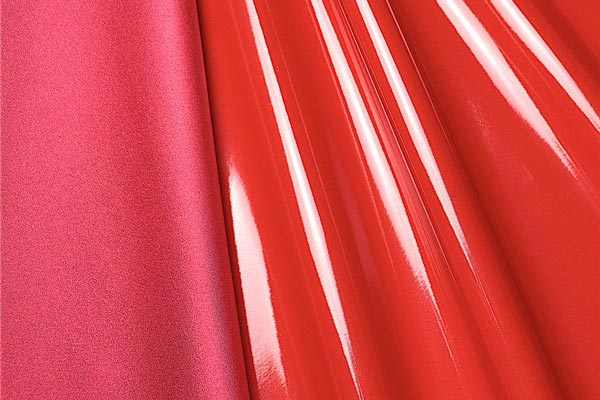
The spread treatment, applied on an elastic base, allows you to obtain clothes with a wet-look or imitation leather appearance without the rigidity typical of plastic materials: the Licra Vega Spalmato moves with the body, adheres without forcing and accompanies every gesture with naturalness. It is a perfect solution for bodysuits, catsuits, leggings and one-piece costumes intended for modern dance performances, theatrical productions, but it also appears among the best fabrics for cosplay and carnival costumes.
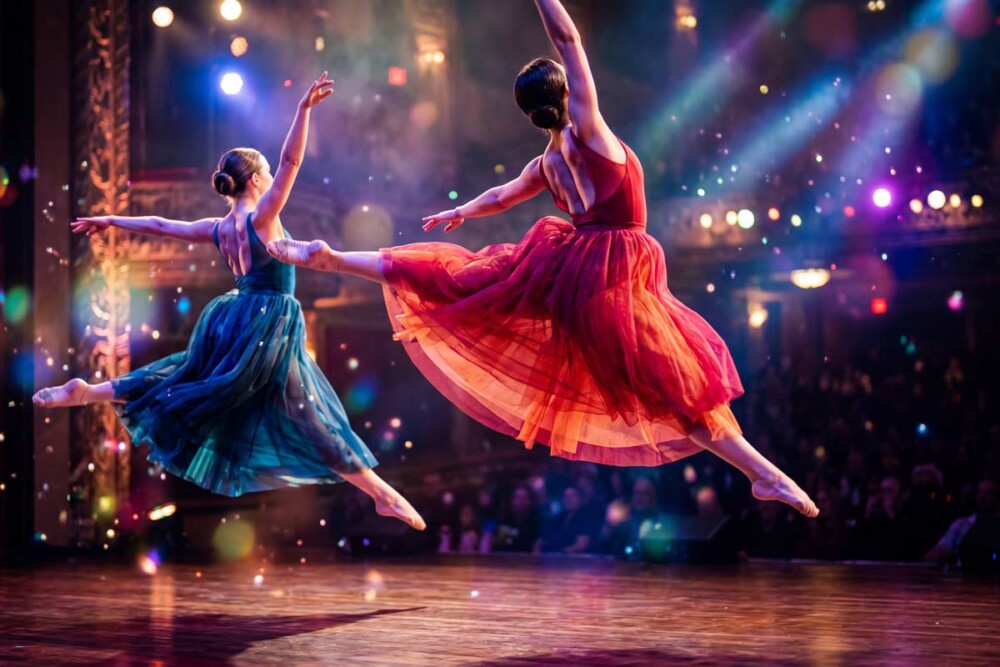
Tulle and nets: transparencies and plays of light for wearable scenography
Tulle is, by definition, the fabric of scenic lightness. In its rigid version, it is used in the structures of classic tutus and in the petticoats that add volume to period clothing; in the elastic version, it lends itself to the creation of sleeves, inserts, overlays, and bodices that reveal the performer’s silhouette.
Laminated nets, on the other hand, are characterized by an open mesh texture with a metallic finish, perfect for sleeves, overlays and decorative details that capture the stage light.
Tulle Rigido Savoia
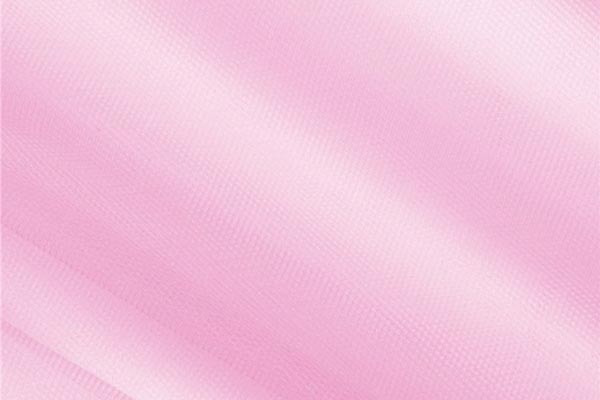
When the costume needs volume, shape and structural hold, the Tulle Rigido Savoia is the fabric to rely on. It is a rigid hand tulle made of 100% polyamide, with a generous height of 300 cm and a feather weight of just 66 gr/mtl: light enough not to weigh down the garment, supported enough to maintain the desired shape without sagging.
The semi-transparent and filtering retina structure makes it an extremely versatile material in the show’s wardrobe. In the theatre and dance world, the Tulle Rigido Savoia is the classic choice for the construction of tutus, multi-layered petticoats, wheel skirts and structural volumes that must support movement without sagging. The rigid hand ensures that each fold, each layer, each panel retains its shape even during the most dynamic choreographies.
Tulle Glitter Pandora
Tulle Glitter Pandora is a soft hand-stretch tulle, entirely covered with a glitter finish that captures and multiplies the light from the reflectors, returning a sparkling effect visible even from the last rows of the stalls. The composition of 80% polyamide and 20% elastane gives it an elasticity that distinguishes it from traditional stiff-hand tulle.
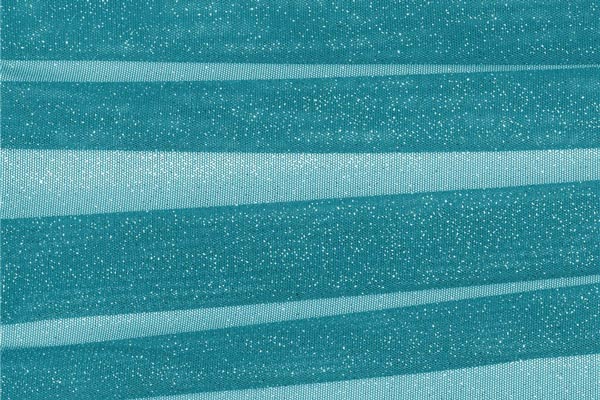
With a height of 150 cm and a weight of 120 gr/mtl (80 gr/m2), it is a lightweight fabric but with an important visual presence, capable of adding brightness and movement to any garment. In the world of dance and entertainment, its applications are many: as the main fabric for skirts, sleeves and transparent overlays of dance costumes, or as a decoration and stage insert on leotards, bodices and stage dresses.
Rete Laminata Twist
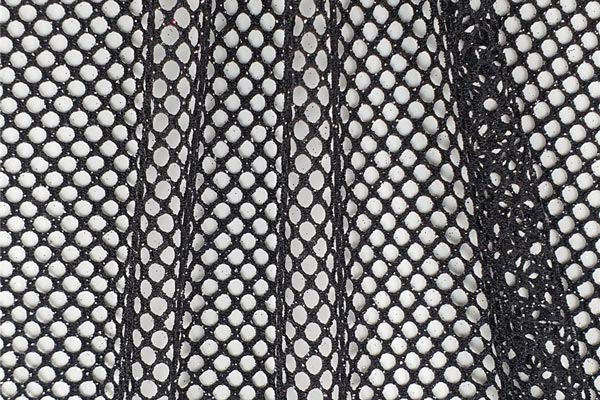
Rete Laminata Twist is a fabric born to add light, movement and scenic depth. It is an elastic mesh enriched with a glitter lamination distributed on the surface, which gives it an intense and constant shimmer under any type of lighting.
The open mesh structure, combined with the elastic component, makes Twist Laminated Mesh particularly suitable for use as a completion fabric: transparent and sparkling sleeves, overlays on skirts and bodices, decorative inserts on bodysuits and one-piece costumes.
Satin, brocade, and velvet: fabrics for costume drama and opera
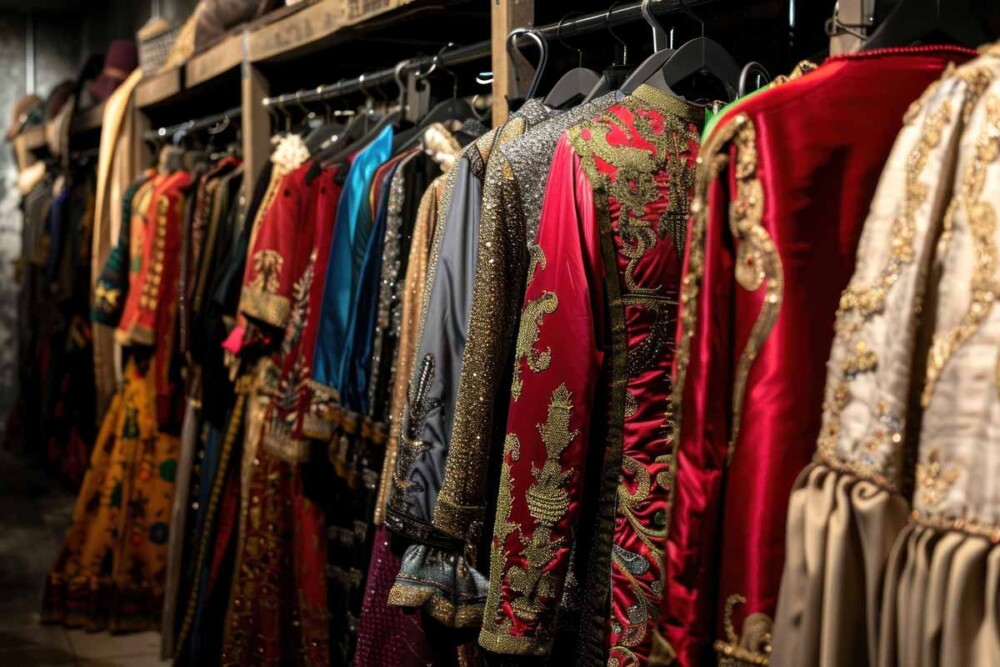
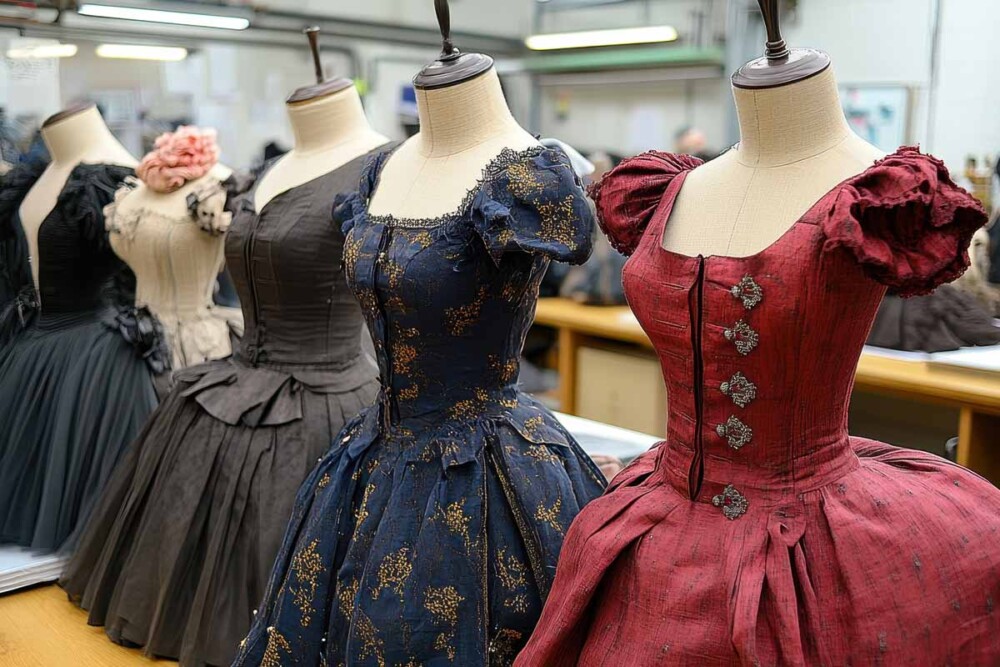
Productions in historical costume, from opera to Elizabethan drama, require fabrics capable of immediately evoking an era and social status. The different types of satin, with their shiny surface and flowing drape, are the natural choice for noble dresses, cloaks and bodices.
The brocade, with its jacquard design in relief, at first glance conveys the image of a noble and luxurious context. It is the fabric par excellence of the direction that focuses on visual opulence: Renaissance, Baroque, oriental costumes. Velvet, finally, adds the tactile dimension: its short, dense coat absorbs light in a peculiar way, creating plays of shadows that are particularly expressive under the theatrical spotlight.
Raso Viareggio
Smooth, bright and with an intense color rendering: the Raso Viareggio is a 100% polyester satin with a uniform and shiny surface on the obverse, with a matte reverse, designed for those who need a dramatic fabric, easy to work with and available in a wide range of bright colors.
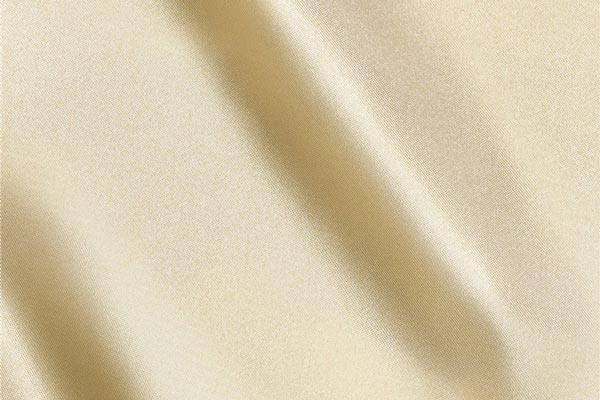
With a height of 150 cm and a weight of approximately 87 gr/m2 (130.5 gr/mtl), Viareggio Satin is a lightweight fabric but with enough body to support soft drapes and regular surfaces. The non-stretch structure helps control the shapes and lines of the finished garment, a detail appreciated by costume designers and tailors who work on cloaks, hoods, bodices, full skirts and all those scenic garments where the volume must be precisely governed.
Broccato Havana
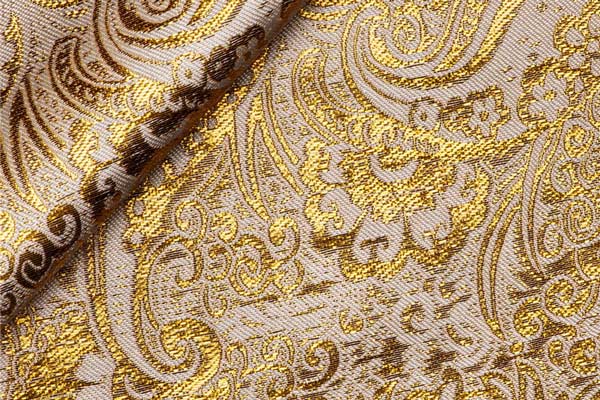
Broccato Havana is a jacquard fabric operated with metallized laminated yarns, capable of returning that decorative shine and sense of opulence that no smooth fabric can match. The composition of 90% polyester and 10% metal gives a bright and textured surface, where the jacquard designs emerge with relief thanks to the contrast between the base and the metal yarns.
With a height of 150 cm and a weight of 210 gr/mtl, the Havana Brocade has a strong body, sufficient to support garments built such as vests, bodices, jackets, hoods and cloaks without the need for excessive reinforcements, but without being rigid to the point of compromising the fit.
Velluto Bistretch Flexour
Velvet in the theatre has always been synonymous with nobility, chromatic depth and stage presence. With Velluto Bistretch Flexour, Cimmino brings these qualities into performance territory, combining the velvet’s soft, slightly shiny surface with a full bi-elasticity that restores total freedom of movement to the body.
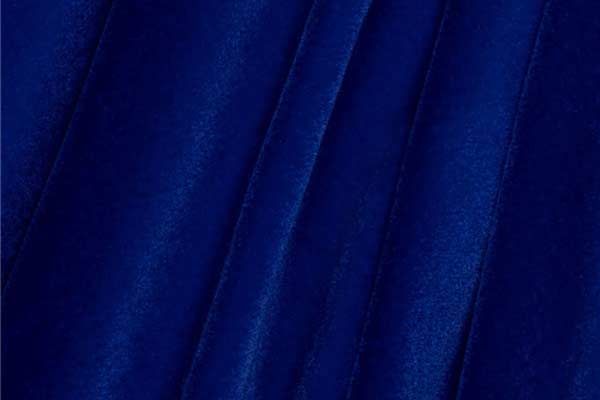
The composition in 87% polyester and 13% elastane generates a full-bodied but never rigid fabric: with a weight of 460.5 gr/mtl (307 gr/m2) and a height of 150 cm, Flexour is particularly suitable for dance and performance costumes that must convey intensity and sophistication such as bodysuits, leggings, catsuits, bodices and one-pieces that accompany contemporary choreography or theatrical productions with a refined taste.
Sequin and laminate fabrics for musicals and variety shows
The musical and the variety show live on sparkles. Sequin fabrics on an elastic basis combine the luminous effect of micro-sequins with the flexibility needed for choreographic movement. Metallic and pleated maglines offer a more subtle yet equally dramatic shine, ideal for stage bodysuits, tops and trousers.
Polyspan fabrics complete the range of materials with high visual impact: light, shiny and available in numerous color variations, they lend themselves to the creation of costumes and sets for dance and performance.
Paillettes Elastica Ginger
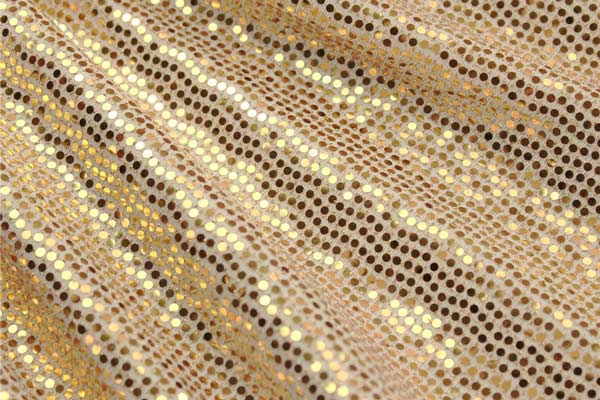
Paillettes Elastica Ginger features an elastic base that transforms sequins from a rigid decorative element to a performance and wearable surface. The composition of 90% polyamide, 5% metallized and 5% elastane produces a fabric with a complex structure: the flexible base guarantees adhesion and freedom of movement.
The sequins applied to the surface create a high reflectivity light effect that amplifies under the stage lights. With a height of 150 cm and a weight of 339 gr/mtl, Ginger has a textured texture. In dance and entertainment, it is the natural choice for leotards, tops, skirts, and competition or dress costumes, where brilliance is not optional but an integral part of the choreography.
Maglina Metal Plissè Sabrina
Maglina Metal Plissé Sabrina is a knitted fabric in 100% polyester with permanent plissé work and metallic finish, which generates a three-dimensional surface capable of multiplying the light in each fold. The regular pleat folds give the fabric a textured and decorative texture in itself. The metal finish further amplifies this rendering, creating a play of reflections that continually changes with the angle of the light and the movement of the wearer.
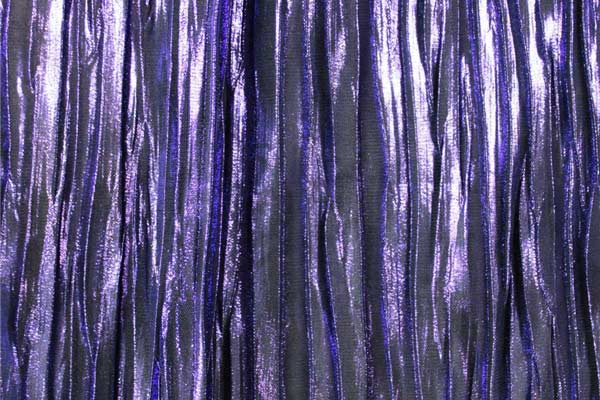
With a height of 150 cm and a weight of 195 gr/mtl (130 gr/m2), it is a lightweight fabric with a flexible weave, easy to work with and adapt to different shapes. In dance and entertainment, the Maglina Sabrina lends itself to the creation of skirts, decorative inserts, sleeves and overlays in which the pleat adds volume and dynamism without weighing down the costume.
Tessuto Polyspan Victoria
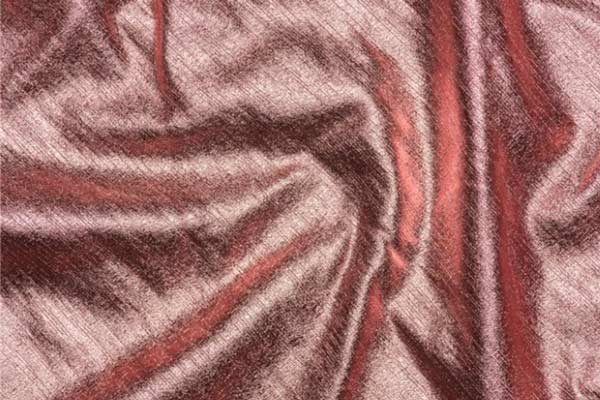
Light, bright and with a strong character: Tessuto Polyspan Victoria belongs to the family of fabrics with a particularly shiny and iridescent surface that makes them immediately recognizable under any type of lighting. It is a material born to capture the light and which finds its ideal terrain in the world of dance, entertainment and sporty glam.
The composition of 95% polyester and 5% elastane produces an elastic, resistant fabric with good recovery capacity, with a height of 150 cm and a weight of 295 gr/mtl. The structure is full-bodied enough to support constructed garments, but the elasticity ensures grip and freedom of movement, a balance that makes it suitable for both leotards and competition costumes as well as contemporary urban and active clothing.
Imitation leather, faux fur and special materials for characteristic costumes
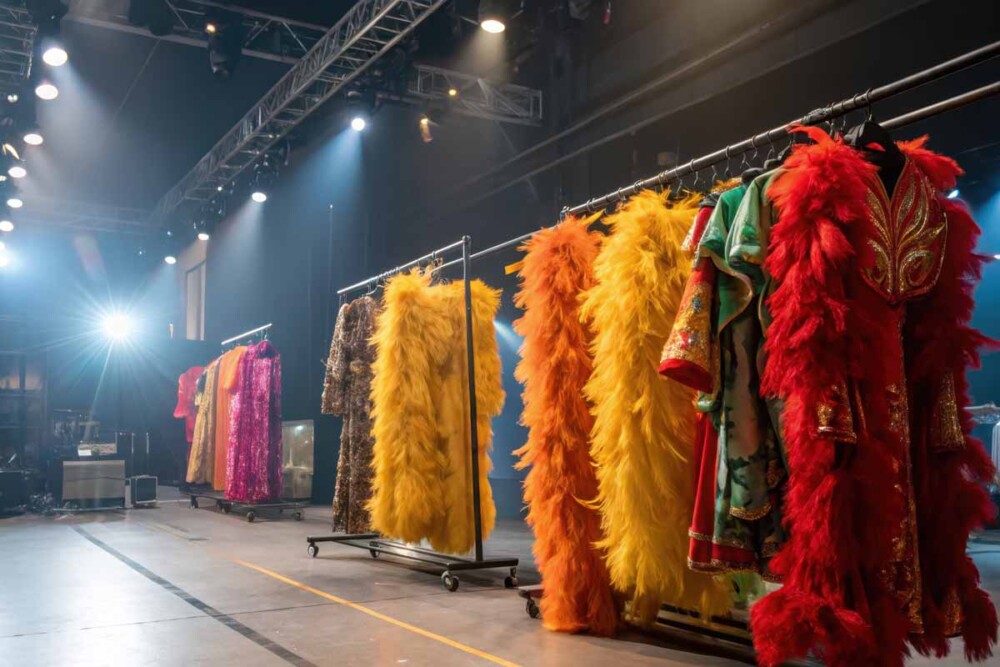
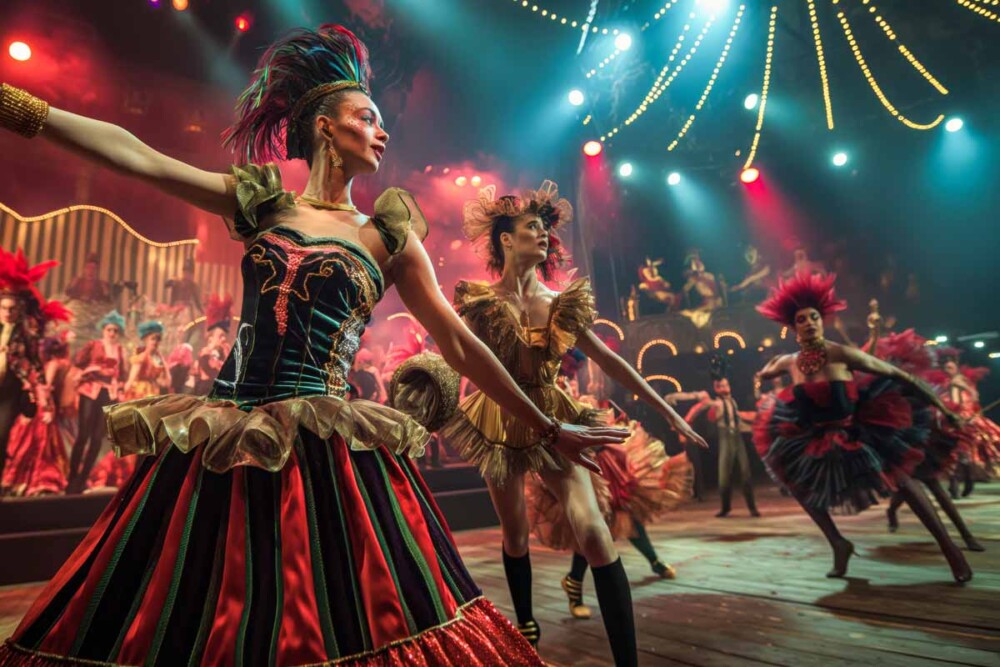
Not all theatrical costumes are born from traditional fabrics. Long-haired and short-haired faux fur is widely used in costumes for fairy-tale characters, animals and fantastical creatures, from children’s dance essays to professional productions. Faux leather, versatile and adaptable to body movements, is the basis of futuristic, rock, punk and genre costumes. Natural feather scarves or boas, available in different shades, enrich costumes and sets with a touch of classical theatricality.
Spalmato Elastico Hypnos
The skin-on-stage effect is always a declaration of intent: it communicates strength, modernity, character. Spalmato Elastico Hypnos is the faux leather from the Cimmino catalogue that brings this aesthetic to the world of costume and casual clothing.
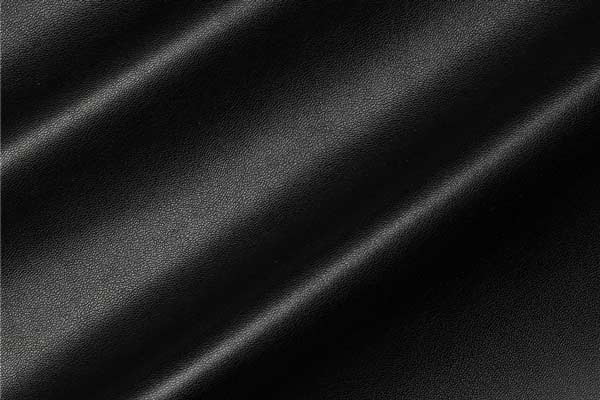
It is a double-layered fabric: the 100% polyester base provides strength and structural stability, while the polyurethane (PU) coating recreates the smooth, even and slightly shiny appearance of natural leather on the surface. The result is a material with a compact hand and convincing aesthetics, with a height of 138 cm and a weight of 310 gr/mtl (225 gr/m2). In entertainment and cosplay, the Elastic Spread Hypnos is the ideal choice for costumes that require a believable leather effect: trousers, short jackets, bodices, belts, gloves and all those garments that define characters with a strong character.
Boa Unito / Multicolor
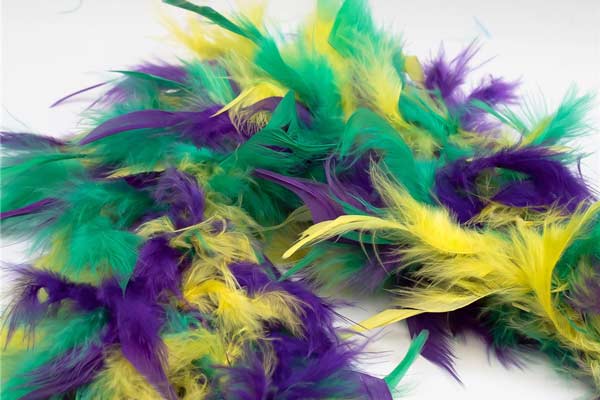
It’s not a fabric, but it’s one of the most iconic accessories of the theatrical and carnival wardrobe: Boa Unito is a colorful and fluffy natural feather scarf that single-handedly transforms a simple costume into a complete stage set.
Lightweight, soft, and voluminous, the buoy appears as a strip of feathers evenly distributed along its entire length, packaged in pieces of about 2 meters, a size that allows it to be wrapped around the neck several times, draped over the shoulders, used as a decorative border on skirts and bodices, or handled as a choreographic element during a show.
Marabou 491
Marabou 491 from the Cimmino catalogue is a scarf-passamaneria of natural marabou feathers designed to be integrated into the costume or stage accessory. Marabou feathers are distinguished from ostrich feathers by a softer texture and a more “shaded” appearance: the fibers are thin, flexible, and move at the slightest movement of air, creating an almost impalpable lightness effect.
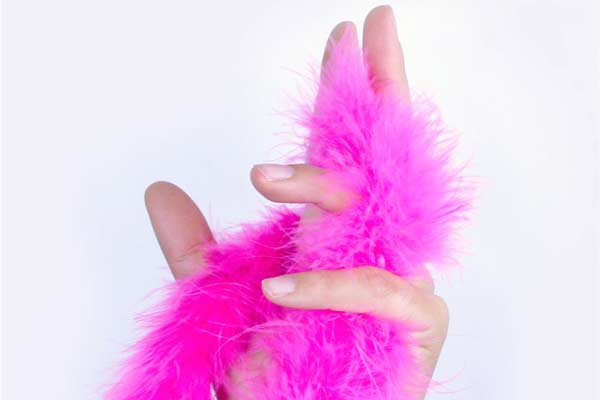
This quality makes them particularly suitable for garnishing the edges of skirts, bodices, sleeves and necklines, where they add soft volume and a dramatic outline without weighing down the garment. In theater and carnival, the Marabou 491 is a versatile and striking element: trim for Charleston and cabaret dresses, hat and headdress decorations, and borders for cloaks and hoods.
Which fabric to choose for each kind of theatrical performance
Here are the main families of fabrics in the theatrical genres in which they find their most natural use, with the related characteristics for an informed and targeted choice.
| Theatrical genre | Recommended fabrics | Key features |
| Classical ballet | Rigid tulle, elastic tulle, licra | Volume, lightness, elasticity |
| Contemporary dance | Bielastic lyre, magline | Elasticity 4 directions, grip |
| Musical | Sequins on elastic base, laminated | Brilliance, movement |
| Opera / Historical drama | Brocade, satin, velvet, organza | Opulence, drapery, historical evocation |
| Contemporary theatre | Imitation leather, printed lyre, faux fur | Versatility, characterization |
| Shows for children | Glitter Tulle, Faux Fur, Satin | Bright colors, safety |
How to choose fabrics for the show: the four professional criteria
Every theatrical costume arises from the balance between aesthetic, functional and regulatory needs that the costume designer must weigh from the design phase. These four criteria represent the checklist that industry professionals apply whenever they are faced with a sample book.
1. Rendering under stage lights: color, reflectance and chromatic depth
The stage is an extreme light environment: colored jellies, LEDs, and followers drastically alter the perception of colors and textures. A fabric that appears flat in natural light can reveal unsuspected depth under a backlight, and vice versa. For this reason, professional costume and set designers always test fabric samples under similar lighting to the production before purchasing. Laminated and metallized fabrics amplify light, while velvets and opaque fabrics absorb it. The choice between these two polarities defines the visual register of the costume: flashy or sober, dreamlike or realistic.
2. Comfort and freedom of movement of the interpreter
An actor who moves uncomfortably in his costume compromises the entire performance. Bielastic fabrics solve the root problem for tight-fitting costumes, while for bulky costumes (period dresses, capes, full skirts) it’s the hand of the fabric that makes the difference: a satin that’s too stiff limits the gesture, while a satin with a smooth fall accompanies it. Breathability plays a critical role in summer outdoor productions and musicals with challenging choreography, where overheating is a real risk.
3. Resistenza all’usura: le repliche come banco di prova
A prose costume intended for a months-long tour is worn, washed, and manipulated hundreds of times. Quality synthetic fabrics, such as polyester and polyamide, generally provide superior strength to natural fibers in terms of color stability, tear resistance, and ease of maintenance. For short-lived productions (a single essay, a school play), the cost-performance ratio can shift towards cheaper solutions without sacrificing scenic effect.
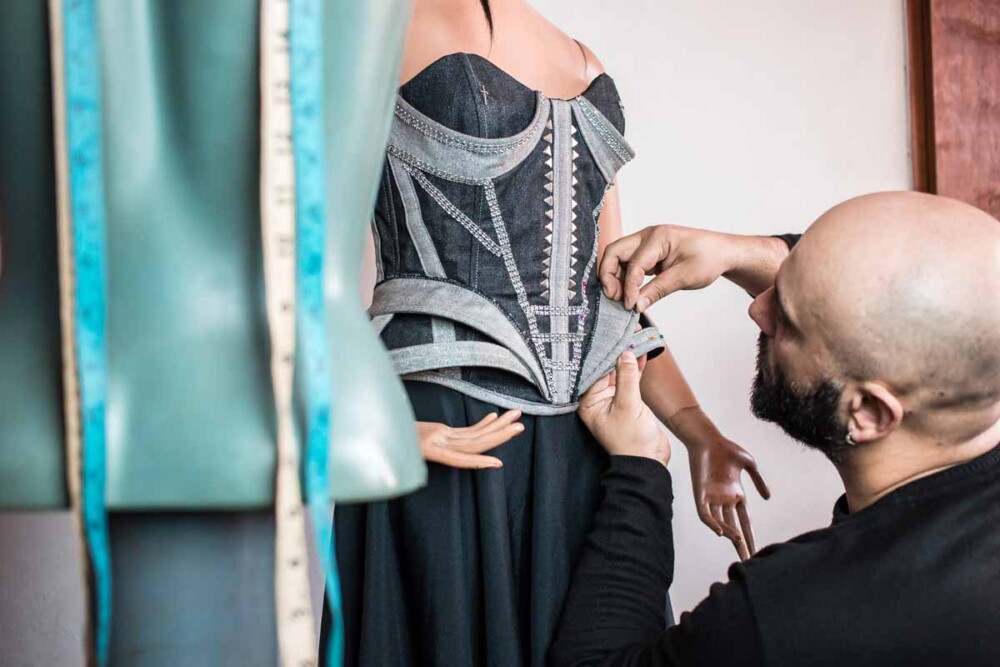
4. Sartorial workability: cutting, sewing and quick adjustments
In theatre tailoring, times are often compressed and on-the-go changes are the norm. An easy-to-cut fabric that doesn’t fray excessively, accepts seams well, and allows for quick shots without warping is a valuable ally for the stage tailor.
Where to buy theatrical costume fabrics
Manifattura Foderami Cimmino, active since 1750 in the heart of the Campania textile district as a textile wholesaler, is a point of reference for theatre companies, stage tailors, dance schools and professional costume designers throughout Italy. The Dance & Entertainment catalog includes bi-elastic lyres, tulle, laminated nets, sequins, metallic magline, imitation leather, faux fur and all the materials necessary for the creation of professional stage costumes.
FAQ- Frequently Asked Questions about Theatrical Costume Fabrics
The most commonly used fabrics are bi-elastic licra, tulle (stiff and elastic), satin, brocade, velvet, organza, sequined fabrics, laminated nets, imitation leather and faux fur. The choice depends on the genre of the show and the role of the character. For dance and contemporary theater, high-comfort elastic fabrics are favored; for historical drama and opera, satin, brocade, and velvet are used for their evocative power; for musicals and variety shows, sequined and laminated fabrics ensure a scenic effect under the spotlight.
Manifattura Foderami Cimmino (cimminoshop.com) has been selling show fabrics wholesale and retail since 1750, with shipping nationwide and the possibility of ordering samples. For theatre companies, stage tailors and freelance costume designers, it is essential to be able to count on a supplier with a large catalogue, constant availability and technical assistance in choosing materials.
The fabrics for scenography favour format and mechanical resistance; those for costumes favour comfort, elasticity, draping and aesthetic rendering at close range. A painted backdrop requires a large, dimensionally stable, fire-certified fabric. A costume, on the other hand, must fit the performer’s body, allow for movement, and be believable from both the audience and the gallery.
On average 3 to 8 linear meters for a complete costume, depending on the model, the height of the fabric and the complexity of the garment. A Lycra dance bodysuit requires approximately 1.5–2 meters of fabric at a height of 150 cm. A period dress with a full skirt and puff sleeves may require 6–8 meters of main fabric plus additional yardage for linings, petticoats, and appliques. For large productions with numerous costumes, buying in bulk allows you to obtain advantageous economic conditions.
