


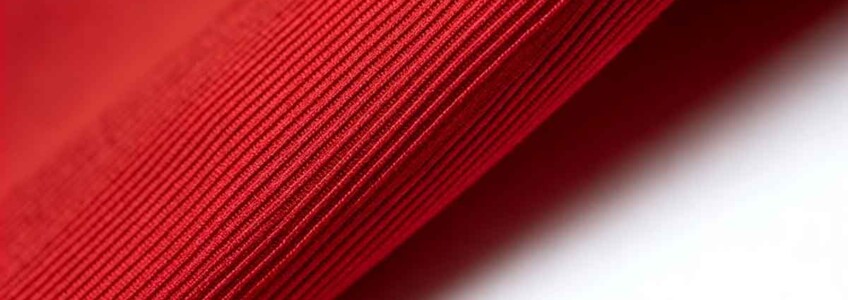
Ribbed fabric is one of the most common materials in clothing, even when we don’t notice it: it’s the rib that closes the cuff of a sweatshirt, finishes the neck of a t-shirt, and adheres to the waist of a tracksuit. Recognizable by the raised vertical ribs, the “ribs” that give it its name, it is both a starting fabric and the elastic finishing par excellence. Manifattura Foderami Cimmino explains what ribbed fabric is, what types exist, how to use it in the packaging, and how to choose the right rib for each piece of clothing.
What is ribbed fabric
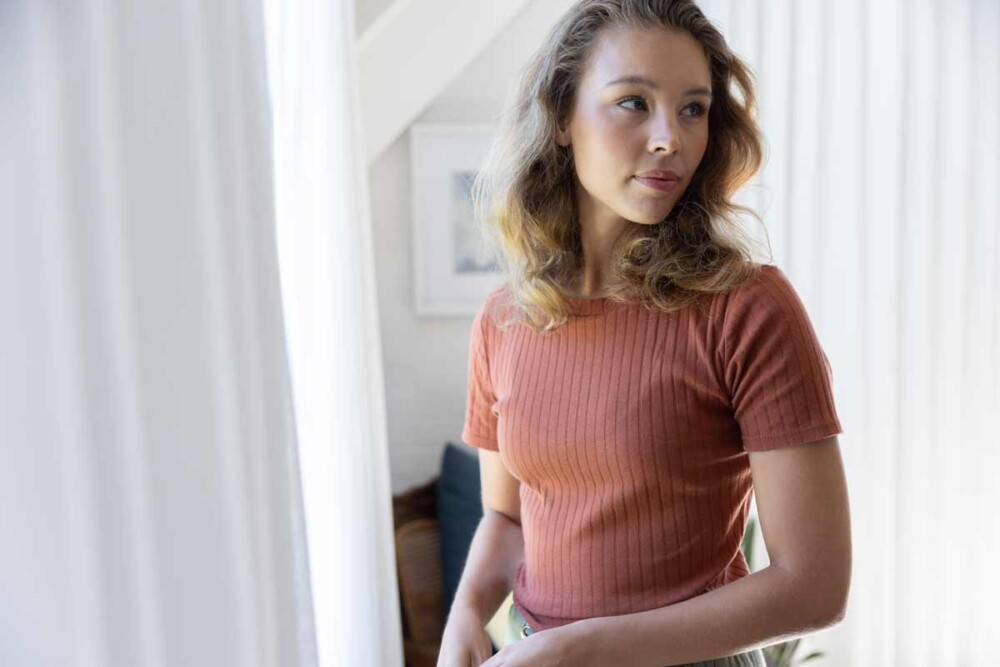
Ribbed fabric is a mesh characterized by alternating raised columns and recessed columns, which generates the typical vertical ribs on the surface. It is important to clarify one point: “rib” does not indicate a fiber, but a way of knitting. The same rib can be made of cotton, cotton and elastane, wool or technical fibres, and each composition gives it a different character in its use for clothing. The structure is also reversible: the forehand and reverse appear almost identical.
The characteristics of ribbed fabric
The distinctive feature of the rib is its elasticity in width, the so-called accordion effect: when the fabric is stretched, the recessed columns open; when released, they return to their original position. At rest, therefore, a rib is narrower than its actual width and already arrives “charged”. Applied to a head opening, such as the cuff, neck, waist, it tightens it gently and adheres to it.
Among clothing fabrics, the quality of a rib is primarily measured by its recovery, that is, its ability to return to shape after stretching. It’s the recovery that makes a garment last: a rib that stretches but doesn’t recover, loosens after a few weeks of use and loses its grip. Added to this are softness and breathability, especially in the cotton versions.
Ribbed fabric types: 1×1, 2×2 rib and interlock
Not all ribs are created equal: what changes is the ratio with which the ribs alternate, and with it the elasticity, body and aesthetic rendering of the fabric. For those who make, recognizing the right type of rib means choosing the material that best suits the garment and where it will be used, whether it’s a fine cuff, the waist of a sweatshirt, or a structured garment. There are three most popular variations in clothing, each with a specific character and intended use that is worth knowing before cutting.
Rib 1×1
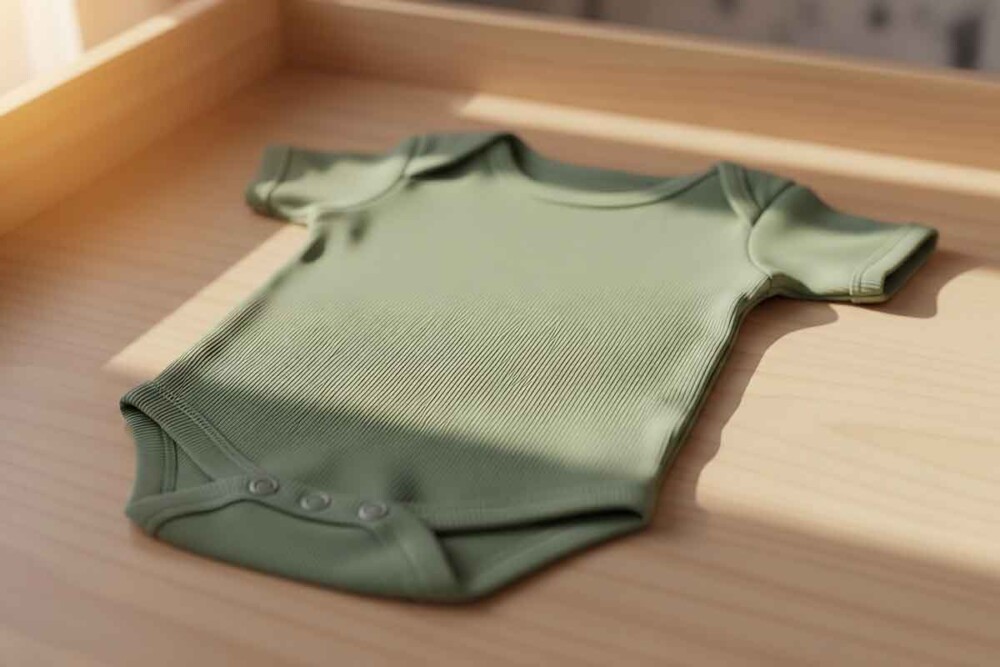
With minute and close ribs, it is the thinnest and most elastic. In clothing, it is the choice of choice for fine cuffs, necklines and garments that come into contact with the skin, from underwear to t-shirts.
Rib 2×2
With wider and more pronounced ribs, he has a fuller hand and a sportier character. It’s the rib of sweatshirt waistbands, tracksuit trim, and active & streetwear.
Interlock fabric and wide ribs
The interlock arises from the interlocking of two 1×1 ribs: it is smooth and identical on both sides, compact and stable, and does not tend to roll up. It is chosen for high-quality underwear and structured garments. When the ribs are very raised (wide ribs), the rib becomes an aesthetic element of the garment, typical of shirts and cardigans.
Uses of ribbed fabric in clothing
In clothing, ribbed fabric plays on two complementary fronts. It’s the ultimate elastic trim for cuffs, collars, knit bottoms, and waistbands that close the garment and define its fit, but it’s also a garment fabric in its own right, capable of wearing t-shirts, underwear, and knitwear. It is precisely this dual nature that makes it so widespread in packaging workshops: the same material that finishes a garment can, in another finesse, become its body. Let’s look at the two most important jobs.
Rib for cuffs, necks and waist
The most common use of ribbed fabric in clothing is elastic finishing. Thanks to the accordion effect and good recovery, the rib tightens just enough and maintains its grip over time: for this reason it is the material of choice for closing garments in areas subject to tension. In most cases, the work is done with a coordinated rib, paired in shade with the jersey of the main body, so as to ensure chromatic continuity and a clean result. The most common applications are:
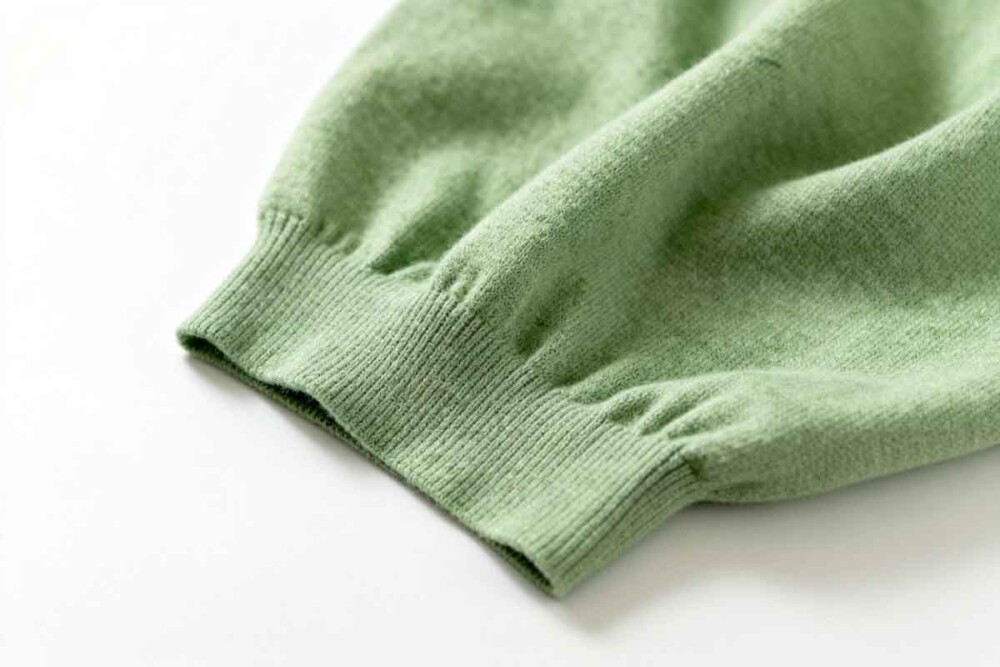
- Cuffs: Close the sleeve and prevent it from rising; the 1×1 rib provides a fine, snug cuff, the 2×2 a fuller, sportier cuff.
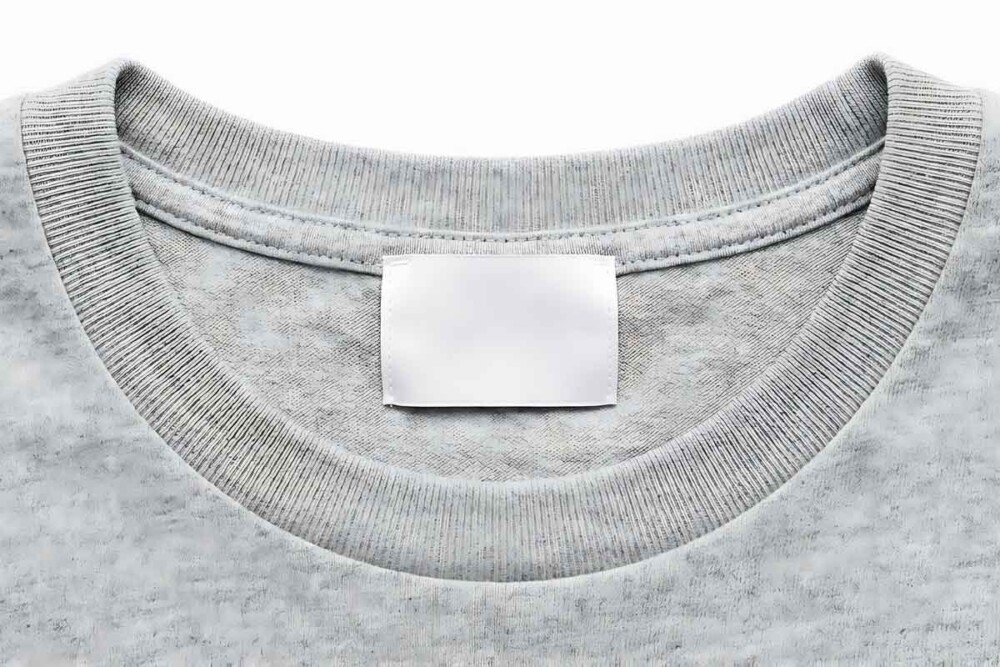
- Necklines: Finish the neck opening of t-shirts, sweatshirts, and sweaters, ensuring stretch on the waist and shape retention after washing.
- Waist loops (stretches) of sweatshirts and overalls: they bind the waist, ensuring grip and freedom of movement, without marking.
- Knit Bottom: Finishes the bottom hem of jerseys and sweatshirts, keeping the garment in place.
Rib as a garment fabric
In addition to finishing, ribbed fabric is characterized by a second use: becoming the body of the garment. In the cotton and elastane versions, the rib ensures grip and comfort, while the fineness determines its intended use: fine ribs for garments that come into contact with the skin, wider ribs for knitwear. The main uses are:
- Structured T-shirts and bodysuits: the rib provides grip and a full-bodied hand, ideal for garments that need to shape the figure.
- Underwear: Softness, breathability and elasticity make it a classic choice for tank tops and garments in close contact with the skin.
- Casual pieces: top and magline with a wrap fit, which follow the body without forcing.
- Active & streetwear knitwear and garments: in its larger finesse, the coast also becomes a stylistic hallmark, the protagonist of shirts, cardigans and sports garments.
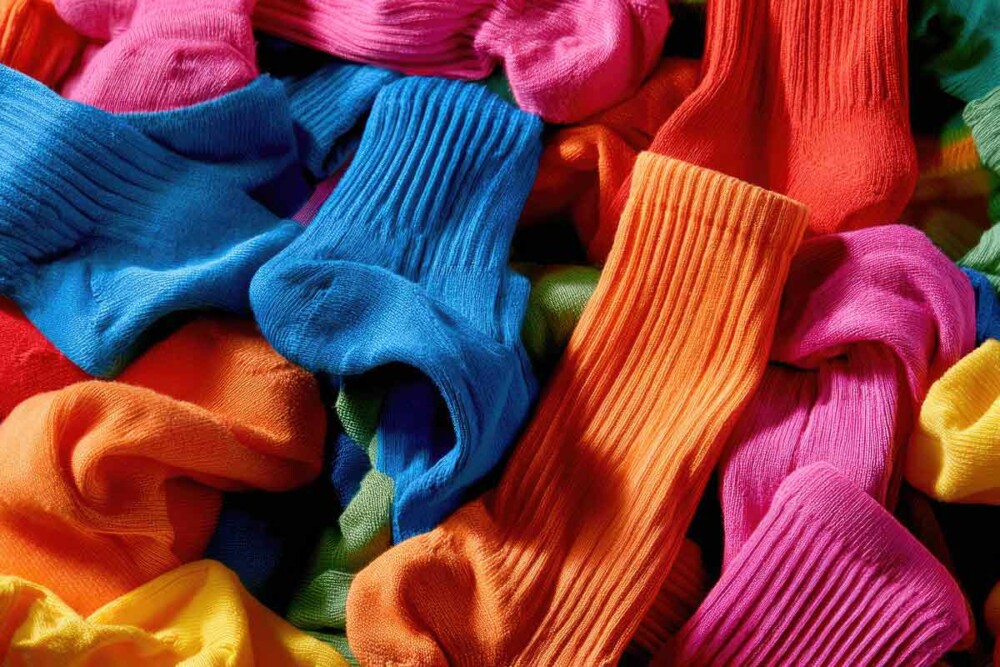
How to choose the right ribbed fabric
The choice of rib for an item of clothing starts from a few evaluations.
- The composition: a pure cotton rib is soft and breathable, but tends to re-enter slightly on the first wash, while the addition of a small percentage of elastane ensures recovery that maintains its shape over time.
- The finesse, that is, how dense the ribs are: fine for underwear and t-shirts, wide for the sporty edges.
- The weight, which tells of the body and weight of the head. Finally, when the boss requests it, the presence of a certification such as OEKO-TEX® STANDARD 100.
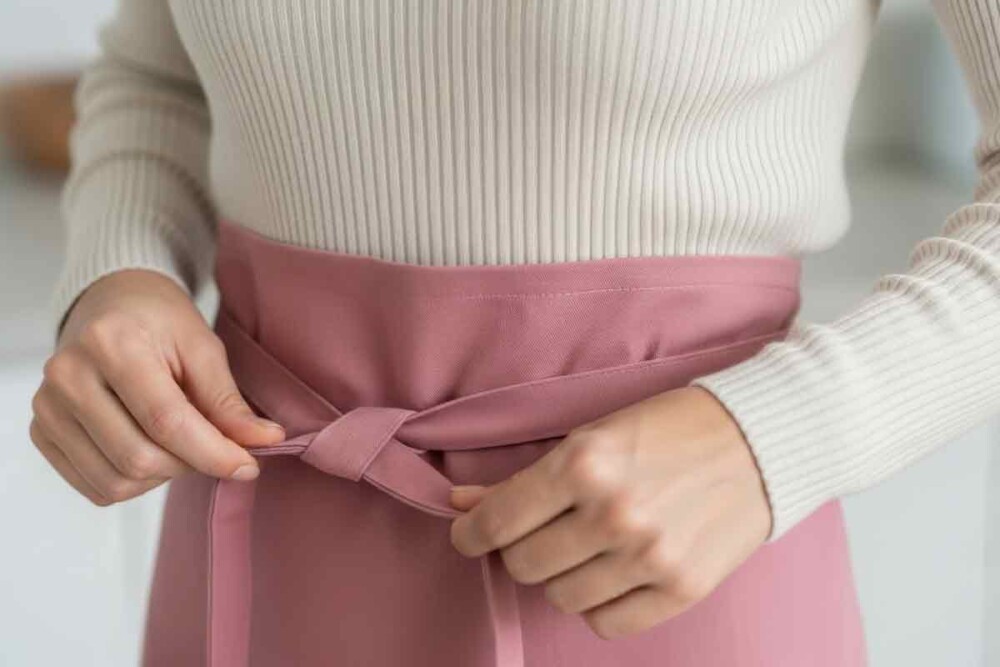
Cimmino ribbed fabric for clothing
The Cimmino catalogue offers ribbed fabrics for clothing packaging, from casual garments to coordinated finishing.
Tessuto Costina Ebe Extra
Tessuto Costina Ebe Extra is a high-quality, elastic and sturdy matching rib, designed for finishing clothing items.
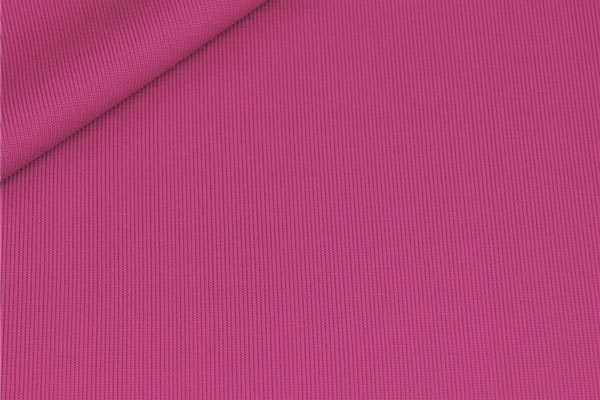
Designed to blend perfectly with cotton jersey, it guarantees a tight and long-lasting fit, while the wide range of colors allows it to be combined with simplicity, for a technical and stylistic result that is meticulously crafted in every detail. It is the ideal choice for finishing sleeves and trousers with matching cuffs, trim and waist.
How to sew and apply the rib
In finishing, the rule every packager knows is this: the rib of a cuff or waistline cuts shorter than the opening to which it will be applied, typically around two-thirds or three-quarters of the circumference. This is what creates the soft grip. For the necklines, you keep a little’ more generous, between 75% and 90% based on the elasticity of the fabric. Those who prefer a flatter effect, however, cut almost evenly.
Two tricks complete the job: orient the cut so that the ribs run vertically on the garment and distribute the tension with check marks along the curves, so that the neckline does not pull in a single point. Sewing must be done with an elastic stitch, overlock or cover, so as not to sacrifice extensibility.
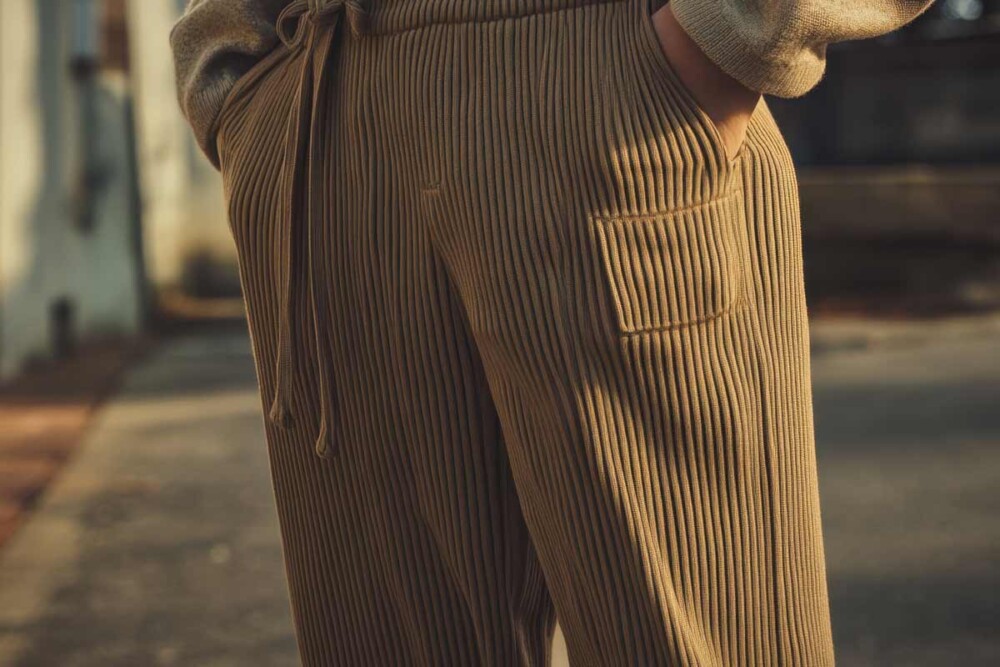
Ribbed or jersey fabric: the differences
Rib, jersey fabric, and interlock belong to the same knit family, but they have distinct roles in clothing, as is clearly evident in this comparison table.
| Fabric | Features | Uses in clothing |
| Rib | Vertical raised ribs, very elastic, good recovery | Cuffs, necks, waist, underwear, casual |
| Jersey | Smooth and light surface, tends to roll at the edges | T-shirts and body garments, light and soft |
| Interlock | Smooth and equal on both sides, compact and stable | Fine underwear and structured garments |
Wholesale ribbed fabric: the Cimmino supply
Manifattura Foderami Cimmino has been selecting and distributing clothing fabrics since 1750. Tailors, ateliers, knitwear factories, and packaging manufacturers find reliable references in ribbed fabrics on their online wholesale fabric shop, both as a starting fabric and as a coordinated finish, with large color folders and availability by the meter.
FAQ- Frequently Asked Questions about Ribbed Fabric
It is a shirt with raised vertical ribs, very elastic, used in clothing.
The coasts arise from the alternation of raised columns and recessed columns. It is not a fiber but a way of knitting: it can be cotton, cotton and elastane, wool or technical fibers.
The 1×1 has fine ribs and is more elastic; the 2×2 has wide ribs and is fuller-bodied.
The 1×1 rib is ideal for fine cuffs and underwear; the 2×2 rib, with a sporty character, for the waistlines of sweatshirts and the edges of overalls.
No: the rib is ribbed and elastic, the jersey is smooth and light.
For this reason, the rib is used in trim (cuffs, necks, waist), while the jersey dresses the body of the garment.
Typically two-thirds to three-quarters of the circumference of the opening.
Cutting it shorter creates the accordion effect and soft grip. Between 75% and 90% are held for the necklines.
From recovery: he needs to get back in shape, not just stretch.
Just stretch it and let it go: if it returns ready to its shape, the garment will last over time.
In cotton versions, a slight reentry at the first wash is normal.
A first wash at a moderate temperature contains it; mixtures with elastane recover their shape well.
