


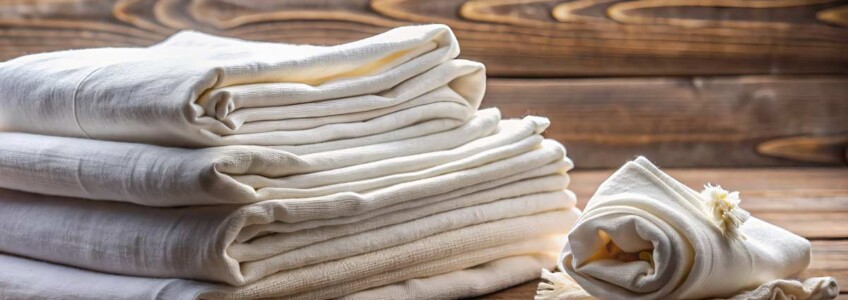
Those who work with fabrics by the meter encounter cotton batiste sooner or later, often without fully understanding its properties that distinguish it from other light cottons such as voile, poplin, or muslin. It is a fabric that was created for summer clothing and fine linens, but which in tailoring practice also finds use in a much more technical role: that of structural support for light and transparent fabrics, a function that is rarely explored in depth.
Manifattura Foderami Cimmino tells the story of cotton batiste from several perspectives: its historical origins, the technical characteristics that define its quality, its differences from the most similar lightweight fabrics, and its main applications, from shirtmaking to children’s linen, to its use as an interlining for fine fabrics.
What is cotton batiste: origin and technical characteristics
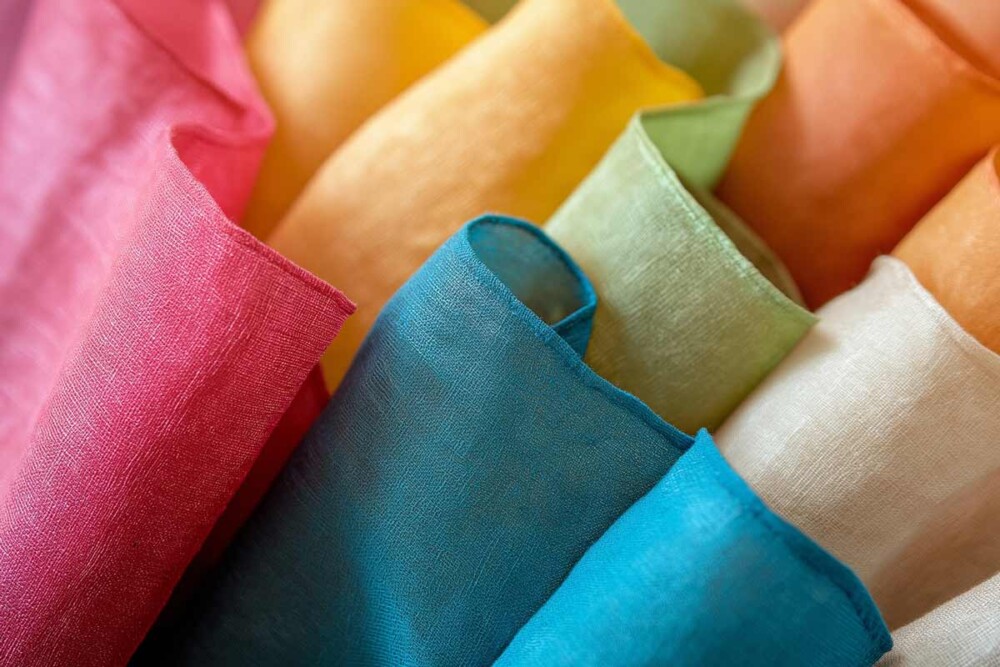
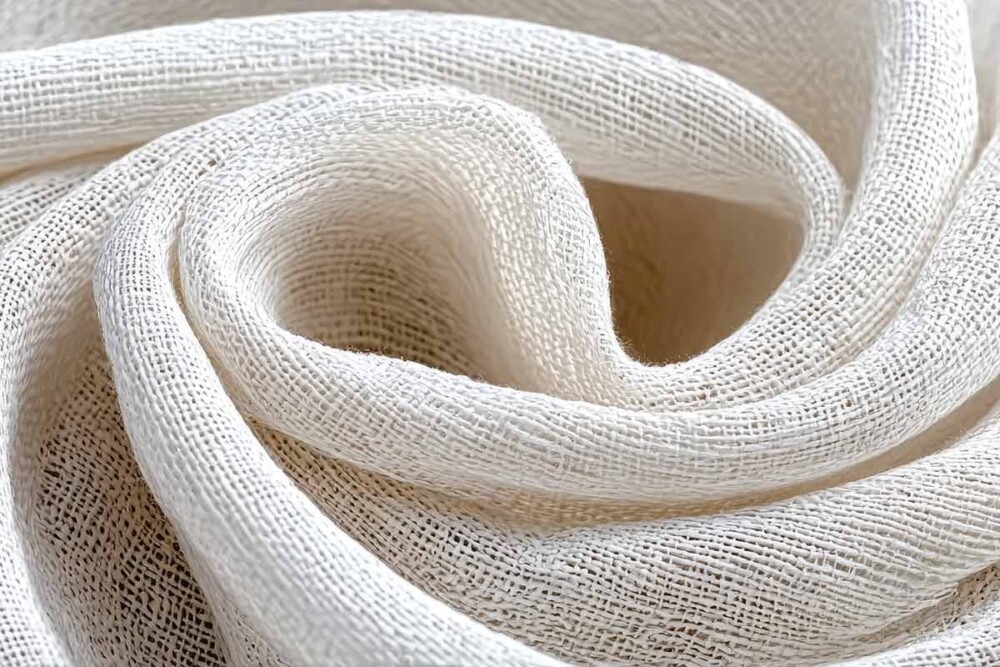
Cotton batiste is a lightweight canvas-weave fabric made from thin, combed yarns that ensure a soft hand, smooth surface, and semi-transparent appearance. The canvas structure, in which the warp and weft alternate in a 1:1 ratio, is the same as that which characterizes fabrics such as poplin and voile, but the fineness of the yarn used for batiste makes it more airy and less structured than both.
The production process involves the use of combed yarns, often mercerized to increase their gloss and tensile strength. Mercerization, a treatment that exposes cotton thread to tensioned caustic alkalis, not only changes the surface appearance of the fabric but also improves its dyeing affinity, ensuring brighter and more uniform colors in the piece-dyed versions.
The fabric is characterized by excellent breathability, tensile strength greater than its weight would suggest, and versatility that allows it to be used in clothing fabrics as well as in household linen and technical-tailoring use.
The origins of fabric: from Cambrai to Swiss batiste
The name Batista derives, according to the most accredited historical reconstruction, from the weaver Baptiste de Cambrai, active in northern France between the 13th and 17th centuries, where the production of this very fine canvas originally made of pure linen was born. With the spread of cotton and the introduction of modern finishing techniques, batiste has gradually moved towards cotton fibre, maintaining its original name and reputation as a fine fabric.
The variant obtained with Mako cotton, a fine long-staple fibre originating from the Nile Delta, is known commercially as Swiss batiste (or cambric in the Anglo-Saxon term) and is considered the reference quality in the sector for the fineness of the yarn and its light yield.
Armor, weight, and thread density: how to recognize a quality batiste
Three technical parameters allow you to evaluate the quality of a cotton batiste:
- Weight: Batiste is typically between 60 and 100 g/m2. Above this threshold the fabric loses its characteristic transparency and rather approaches a light poplin.
- Thread density: A fine batiste counts a high number of threads per square centimeter, a condition that ensures the compactness of the canvas while maintaining lightness.
- Sanforization: A pre-shrinkage treatment that stabilizes the fabric in the wash. A non-sanforized batiste can shrink as much as 3% in the first wash; a sanforized batiste, on the other hand, maintains dimensional stability over time.
For garments intended for infants and children, a further element to be verified is the presence of textile certifications such as the OEKO-TEX® Standard 100, which guarantees the absence of substances harmful to the skin and certifies the suitability of the fabric for direct and prolonged contact with the skin.
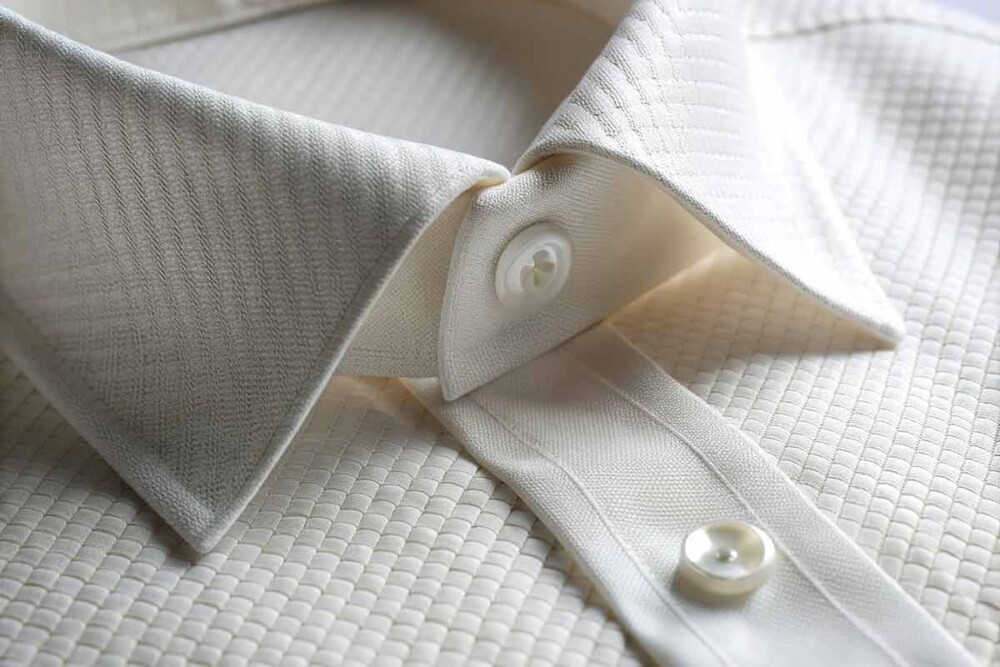
Batista vs. Voile, Poplin, and Muslin: The Differences
All these fabrics share a lightweight cotton origin and a plain canvas weave, but are distinguished by hand, transparency and intended use. The following table summarizes the main differences between these types of cotton fabrics to guide the choice based on the project.
| Fabric | Approximate weight | Transparency | Hand | Main use |
| Batiste | 60–100 g/mq | Semi-transparent, shiny | Smooth, almost silky | Shirtmaking, fine linen, interlining |
| Voile | 50–90 g/mq | Transparent, veiled | Airy, slightly rough | Tunics, overshirts, light curtains |
| Poplin | 100–140 g/mq | Matte | Compact, shaved | Daily shirtmaking, structured garments |
| Cotton muslin | 40–80 g/mq | Semi-transparent, open plot | Soft, natural surface | Baby clothing, boho garments |
Batiste is distinguished from voile by a softer hand and greater shine, from poplin by a decidedly superior lightness and transparency, and from muslin by a smoother surface in the face of a thicker and less sparse texture. When choosing between these fabrics, it’s best to start with the garment’s final destination: for a smooth fit and elegant look, batiste remains the most balanced solution, while for more structured garments with predictable sewing behavior, poplin guarantees more stable results.
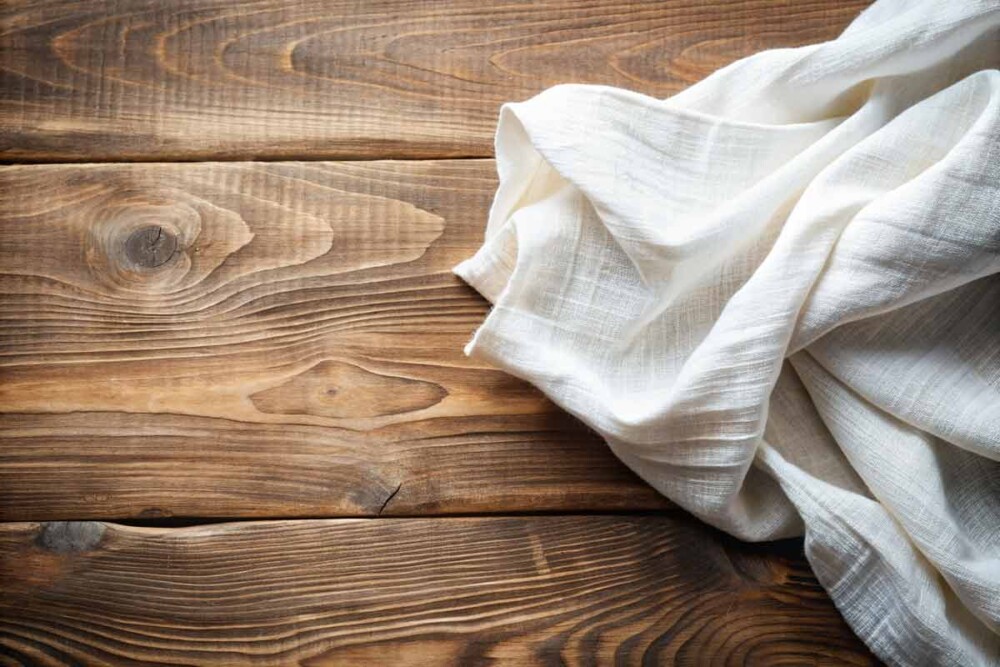
Batista as interlining and counterlining: technical use in tailoring
In addition to its use in clothing and linens, cotton batiste characterizes an often overlooked technical role: that of interlining or counterlining for light and transparent fabrics. When an outer fabric such as chiffon, organza or lace needs more structure without losing lightness, batiste is proposed as an ideal solution.
Why choose batiste as an interlining
- Reduced weight: does not alter the fall of the external tissue
- Tight weave: prevents warping when sewing
- Color compatibility: availability in white, ivory and neutral tones makes it easy to match under light fabrics
- Wash stability: in the sanforized version it ensures that the lining and outer fabric maintain consistent proportions over time
This use is particularly relevant for ateliers and tailors working on formal dress fabrics, lace garments, or fine fabrics that require invisible structural support on the outside. When cutting, the batiste interlining should be positioned following the same direction as the warp of the main fabric, to avoid asymmetrical tensions that could deform the garment after the first washes. It is a workmanship that requires sartorial experience, but which returns garments with a significantly superior shape hold compared to an external fabric left without support.
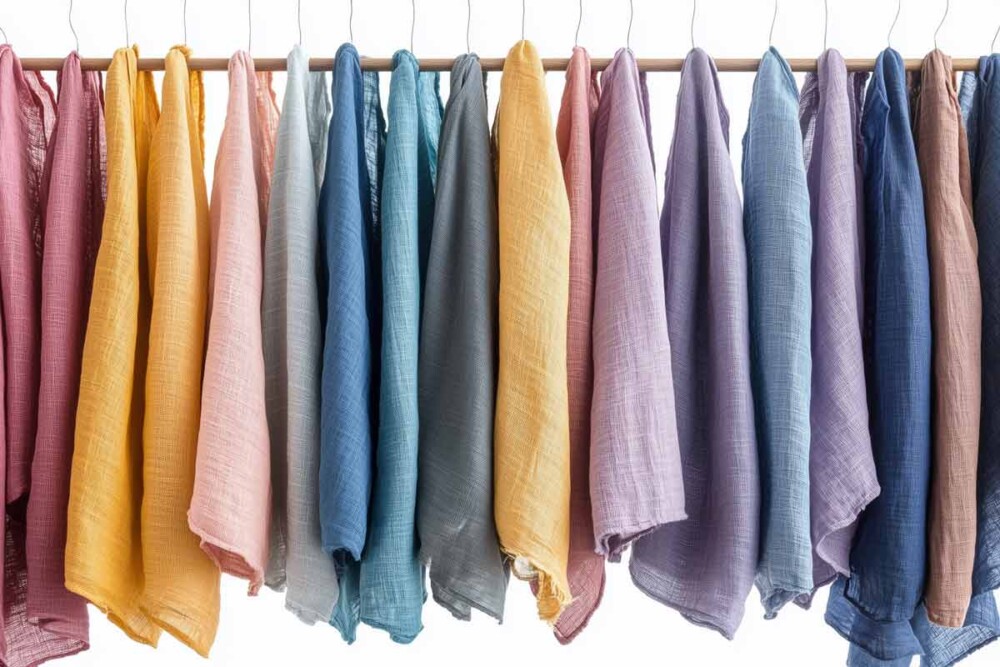
The uses of cotton batiste
The combination of lightness, breathability, and durability makes cotton batiste a cross-cutting fabric across multiple sectors: from shirtmaking to household linens, from neonatal layette to ceremonial and sacred art fabrics. Each application area values different characteristics of the same fabric.
Summer shirtmaking and clothing
In shirtmaking, batiste characterizes high-end garments thanks to the combination of lightness and refined visual rendering. It is used for summer men’s blouses, blouses and shirts, where breathability and a soft hand ensure comfort in warm seasons. Compared to other lightweight cottons, batiste also offers a brighter light output, a quality that makes it preferred for evening shirts or garments that must maintain a well-groomed look even in air-conditioned environments.
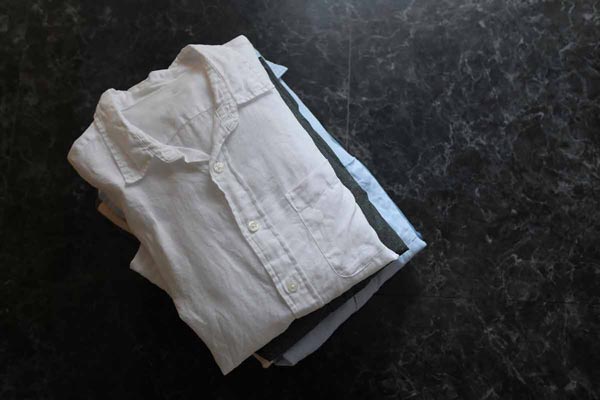
Underwear and household linen
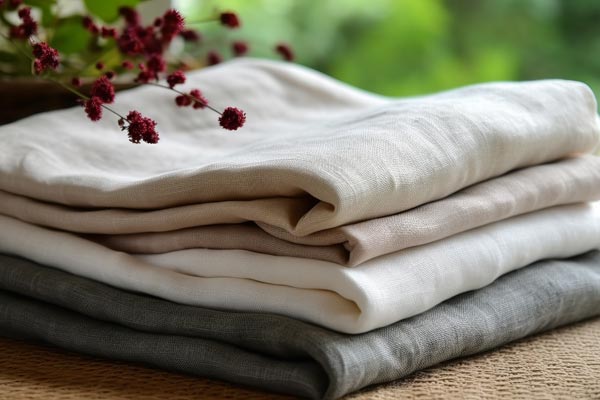
For underwear, cotton batiste is characterized as a hypoallergenic and delicate material in contact with the skin, capable of maintaining a stable skin PH thanks to the transpiration capacity of the natural fiber. In household linen, it is used in sheets, pillowcases and fine tablecloths, where the compact weave ensures resistance to frequent washing while maintaining a soft hand to the touch.
Baby layette and crib sheets
Batiste has historically been one of the best fabrics for newborn layettes: the dense yet lightweight weave ensures breathability and long-lasting softness, essential characteristics for garments intended for the delicate skin of little ones such as sheets, blankets, onesies and blouses. For this product category, it is particularly important to favor OEKO-TEX® Standard 100 certified and sanforized fabrics, so as to ensure safety in contact with the skin and dimensional stability even after frequent washing at high temperatures.
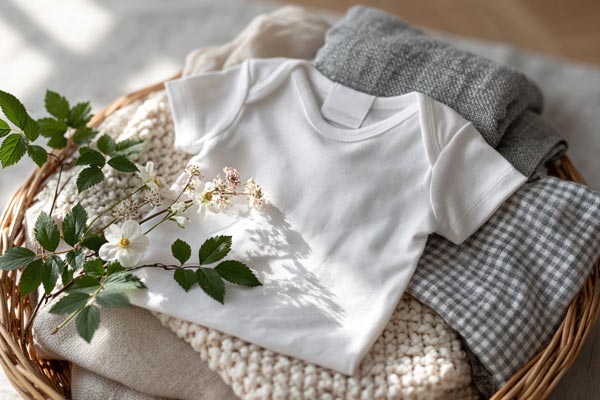
Ceremonial dresses, baptism and fabrics for sacred art
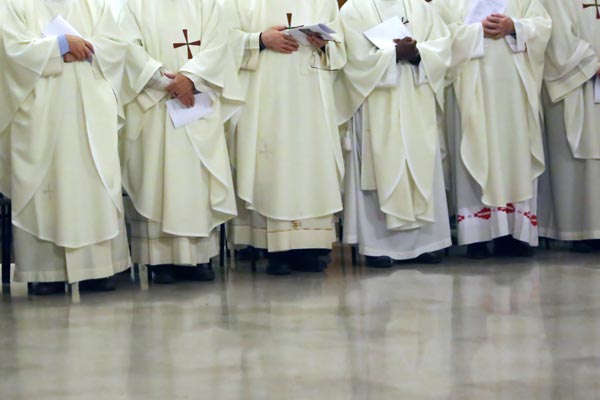
For communion, baptism, and ceremony dresses, batiste offers a balance between elegance and lightness that is difficult to find in more structured fabrics, making it particularly suitable for garments that require soft draping without excessive weight. The same principle motivates its use in the sacred art textile sector, where batiste is used as a fabric for liturgical vestments and tablecloths that require visual finesse combined with durability over time, as well as good ironing stability to maintain an impeccable appearance during services.
How to wash and treat cotton batiste
Caring for cotton batiste requires specific attention related to the fineness of the weft. Proper treatment preserves its aesthetic yield and durability over time.
Fabric care
- Machine wash at 30–40°C with gentle cycle
- Lightweight centrifuge, to avoid deformation of the dense weave
- Recommended pre-wash for non-sanforized versions, to stabilize the dimensions before cutting
- Moderate steam ironing, avoiding direct contact of the iron on the finer weave
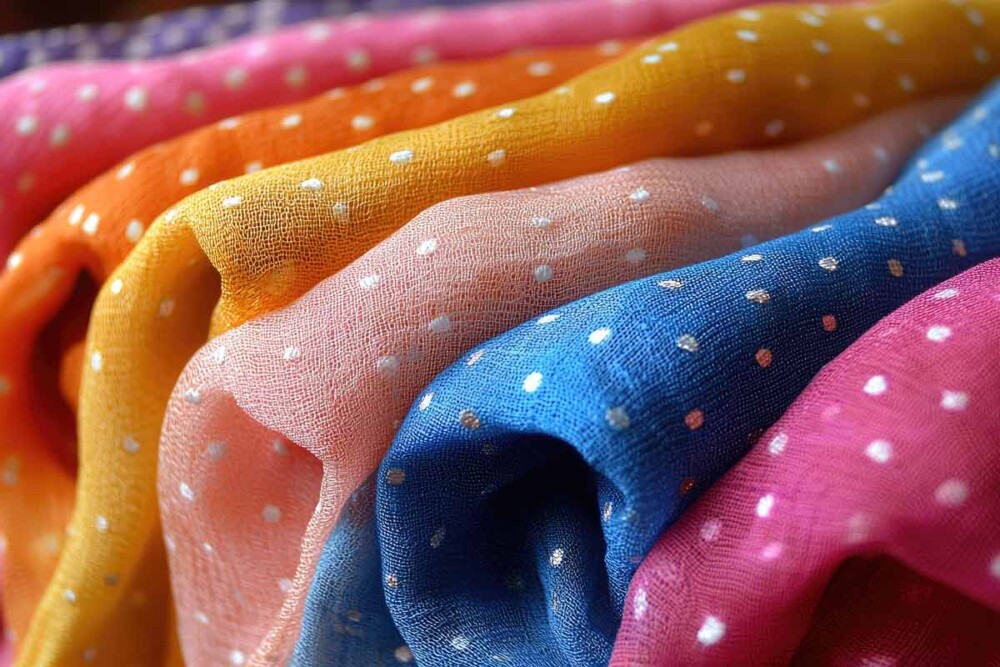
The best cotton batiste fabrics on Cimmino Shop
Manifattura Foderami Cimmino offers various cotton batiste fabrics, designed for specific uses. The correct choice depends on the project: bed linen, fine shirt garments or clothing and children’s linen.
Batista Lietta
Very light canvas in polyester and cotton blend (65% polyester, 35% cotton), certified OEKO-TEX® Standard 100, with a weight of 86 g/m2 and height 150 cm. The synthetic component of the Batista Lietta adds strength and stability to the soft hand typical of batista, making it suitable for women’s clothing and accessories, nightgowns and children’s linens.
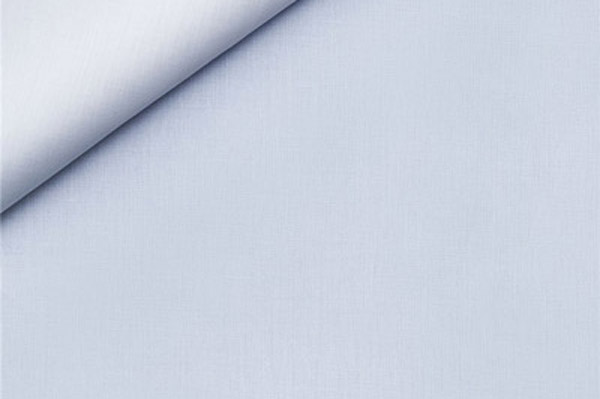
Batista Mako’ Davos Sanforizzato
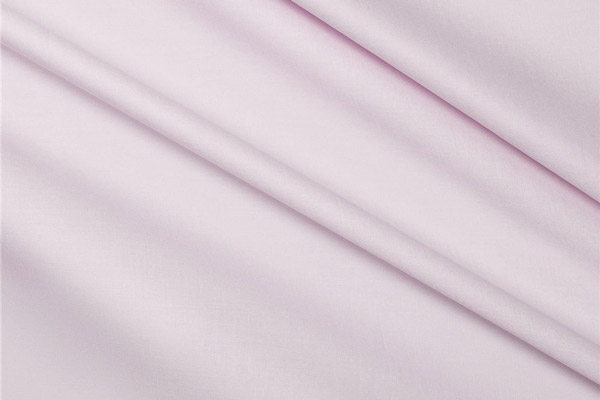
100% cotton fabric with canvas weave, certified OEKO-TEX® Standard 100, with a weight of 83 g/m2 and height 150 cm. The sanforization treatment provides excellent dimensional stability upon washing. The Batista Mako’ Davos Sanforizzato lends itself to the packaging of fine linens, blouses, blouses and nightgowns, where holding the shape over time is an essential requirement.
Batista Irlanda
Lightweight, breathable and incredibly soft 100% cotton cloth weave fabric with a basis weight of 80 g/m2, available in the heights 90 cm and 120 cm. The quality of the fiber ensures resistance to washing, keeping the fineness of the fabric intact over time. Offered in light shades, it is the ideal choice for linens for little ones, as well as an excellent base for the production of high-quality sheets, covers and children’s clothing.
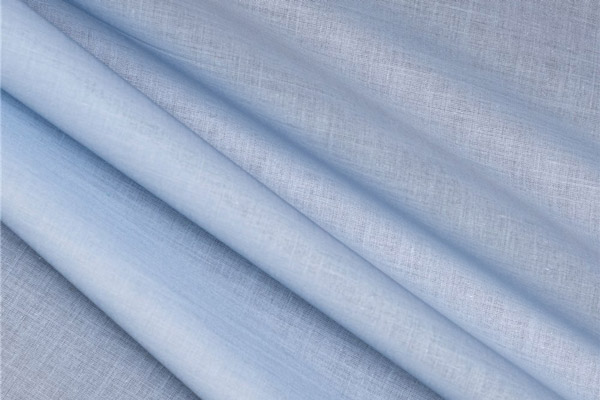
Batista Wellington
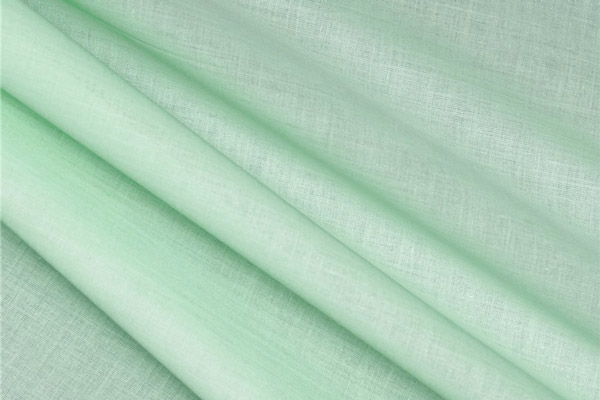
Pure cotton canvas with a fine and silky hand, with a weight of 80 g/m2, offered in the heights 90 cm and 120 cm to adapt to different production needs. The compact weave ensures a good seal over time even after repeated washing, while the lightness of the fibre ensures maximum breathability in contact with the skin. The fabric lends itself in particular to the packaging of layettes, headbands and small textile accessories for children, where the fineness of the yarn and delicacy to the touch are essential requirements.
For tailoring, shirtmaking, or fine linen projects, choosing the right batiste depends on weight, sanforization, and intended use. Discover the complete selection of wholesale cotton batiste fabrics online at Cimmino Shop, for both professional orders and small craft projects.
FAQ – Frequently Asked Questions about Cotton Batiste
Yes, if not sanforized it can shrink by up to 3%. Sanforized versions, such as the Batista Mako’ Davos, instead maintain dimensional stability.
Yes, it is semi-transparent by construction. The degree of transparency depends on the weight: the lighter it is, the more veiled it is.
The batiste has a smoother, shinier hand, the voile a more airy texture and a more marked transparency.
Yes, it is among the most historically used fabrics for neonatal layette thanks to its softness, breathability and hypoallergenicity, especially in the OEKO-TEX® Standard 100 certified versions.
Yes, its low weight and tight weave make it an effective technical solution for giving structure to transparent fabrics like chiffon and organza without weighing them down.
The linen cambric, the original version of the fabric, offers a rougher hand and superior thermoregulating ability; the cotton cambric, on the other hand, guarantees a softer hand and easier handling when sewing and washing.
