


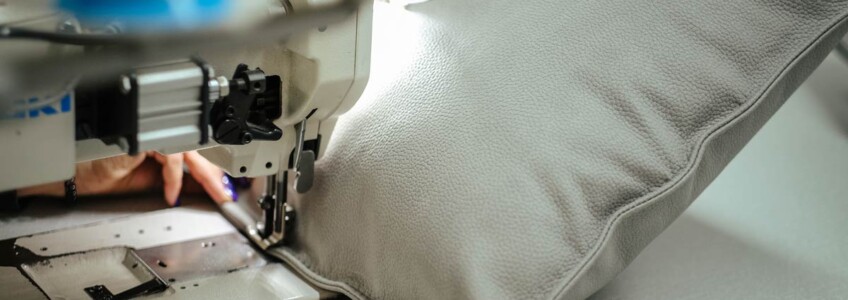
A sofa that’s losing color, store-bought pillows that no longer match the decor, or simply the desire to have something handmade and custom-made: these are the reasons that push most people to look for ways to make DIY pillows. The sewing process, in reality, is among the simplest: just two pieces of fabric, one filling and a few seams are enough. The problem comes first, when it comes to choosing the fabric: using the wrong fabric means ending up with a cushion that fades after a few washes, wears out on the armrest of the sofa, or simply can’t support the weight of the padding. Manifattura Foderami Cimmino tells you to choose the most suitable DIY cushion fabric depending on the use (sofa, exterior, nursery, decoration) with practical instructions on compositions, resistance and padding to know before purchasing the fabric.
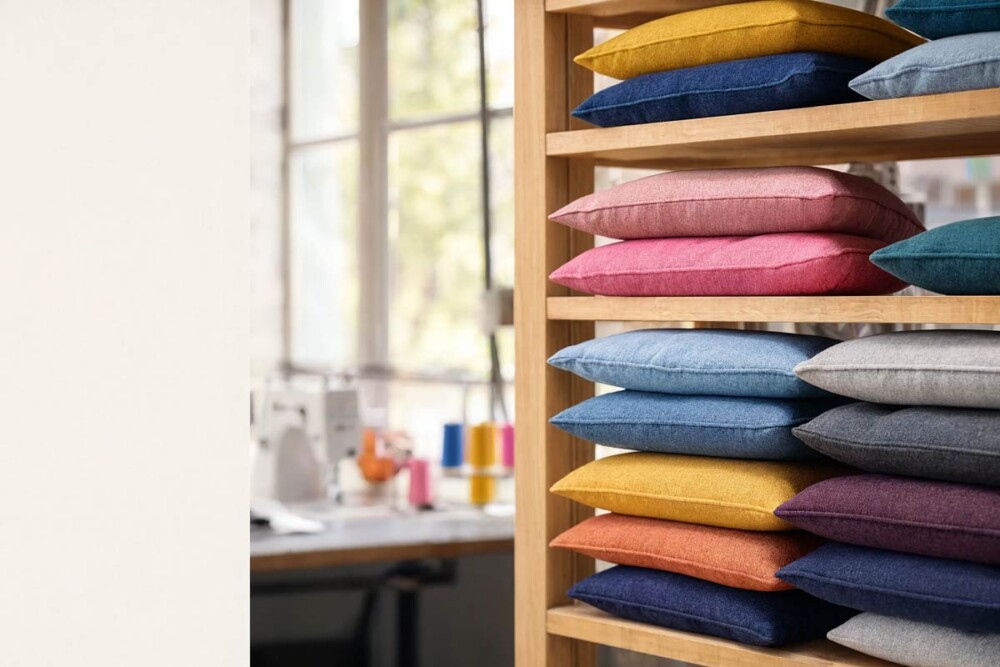
How to Make Your Own Pillows: The Step-by-Step Procedure
Making a DIY pillow is one of the easiest sewing projects to start with, suitable for both those new to needles and thread and those who want to update their home decor with a personal touch. Let’s look at the basic process together, from the preparation of the fabric for home decor to the final closure.
What it takes to get started
Before getting to work, you need to get your chosen fabric, adequate padding (synthetic wadding or fiber), a sewing machine (or needle and thread for hand work), tailoring scissors, and pins to secure the fabric flaps during cutting and sewing.
Basic steps
- Cutting two rectangles or squares of fabric of the same size, with a seam allowance of 1.5–2 cm per side
- Sewing the sides, leaving an opening to insert the padding
- Straight pillowcase turn through the opening
- Insert padding evenly
- Final closure by hand or with zipper/buttons
The most common closing techniques
- Envelope closure: two overlapping flaps on the back, without zipper
- Hidden zipper closure: more elegant, requires more precision
- Button closure: decorative, suitable for country or vintage styles
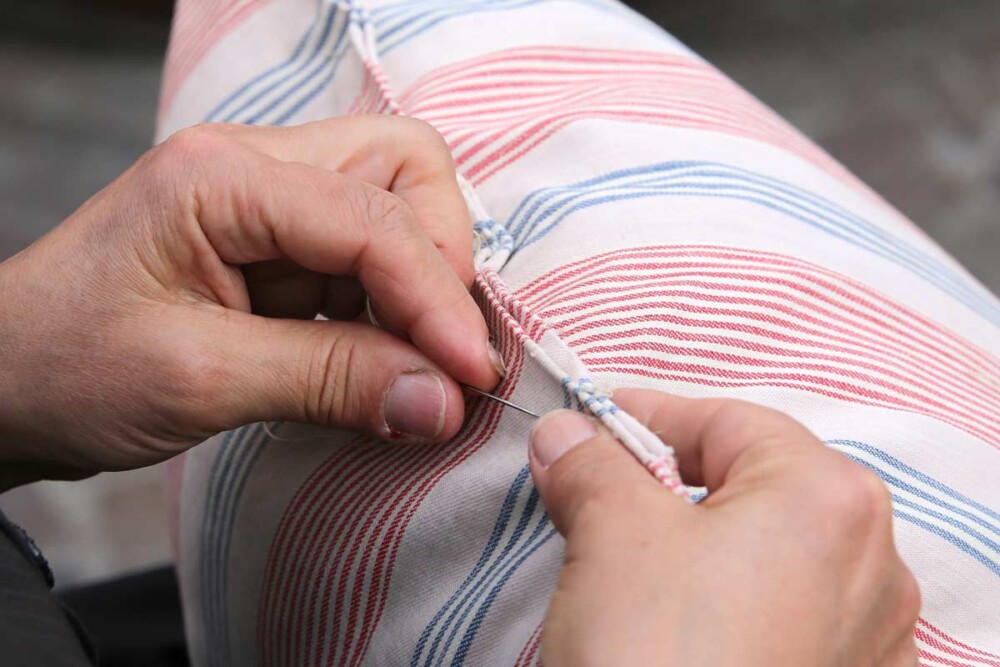
Why Choosing the Right Fabric for DIY Pillows Makes a Difference
Not all fabrics are suitable for becoming a pillow: the right choice affects three main aspects, which are useful to evaluate before even purchasing the fabric.
Resistance to use and washing
A fabric that is not very abrasion resistant wears quickly at the points of greatest contact, such as the armrests and backrests. Wash resistance is equally important for pillows subject to daily use.
Comfort to the touch for support/rest pillows
For pillows intended for direct contact with the skin or face, the softness and safety certification of the fabric (such as OEKO-TEX® Standard 100) are elements that should not be overlooked.
Aesthetic rendering according to the furniture
The color choice and texture of the fabric must integrate with the style of the environment: a heavy fabric like velvet adapts to classic or elegant furnishings, while natural fabrics like panama lend themselves to more informal styles.
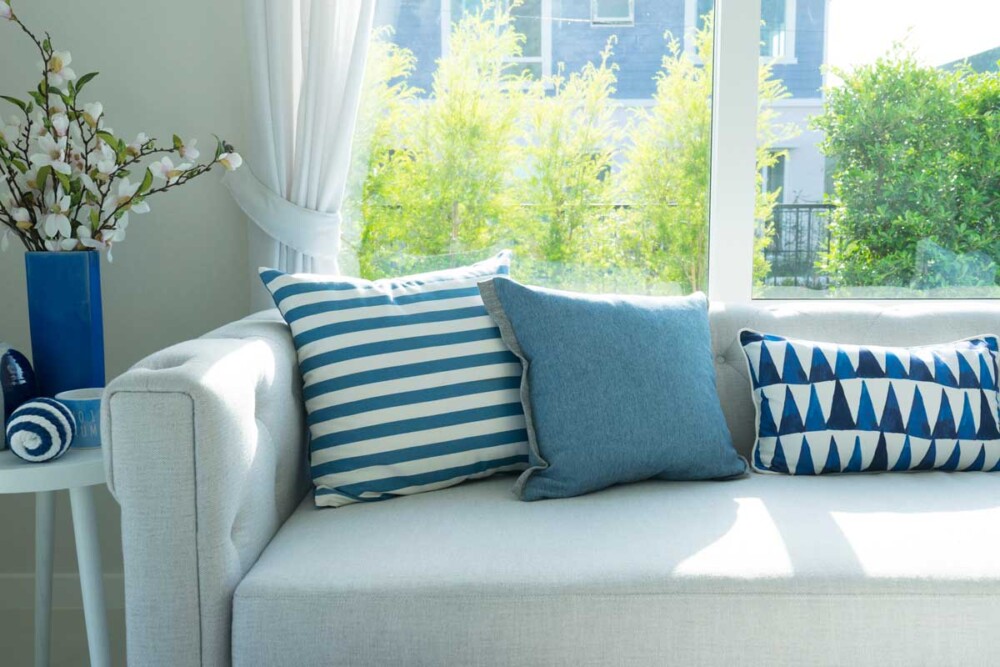
Indoor Furniture Pillow Fabric: Which to Choose
Cushion pillowcases can be made from many types of fabric, each with a different behavior in terms of resistance, comfort and maintenance. The choice between these categories depends primarily on the use of the pillow: a decorative pillow that is rarely moved can afford a more delicate fabric, while an everyday sofa pillow benefits from a durable and easily washable fabric.
Cotton
Probably the most popular choice: breathable, easy to wash and available in endless variations of color and pattern, it adapts to any decor style.
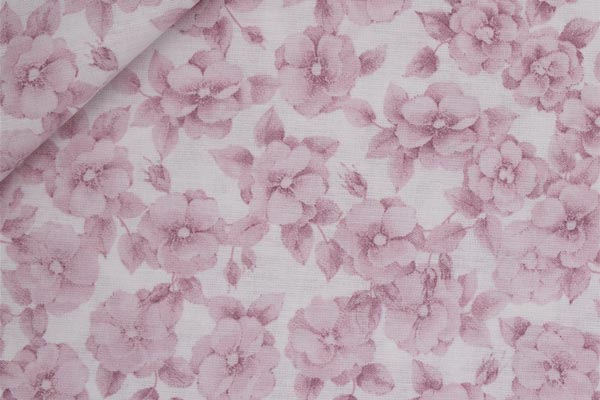
Discover the Cotone Madapolam Fantasy!
Linen
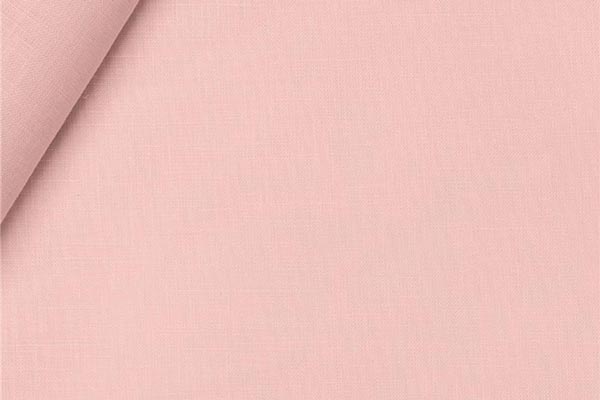
Natural and cool to the touch, it gives a rustic and elegant look, but tends to crease more easily and requires more care.
Discover the Lino 3006 Dolce 70 cm!
Velvet
Synonymous with elegance: its soft and slightly shiny surface makes it perfect for refined environments, although it is generally less washable than natural fabrics.
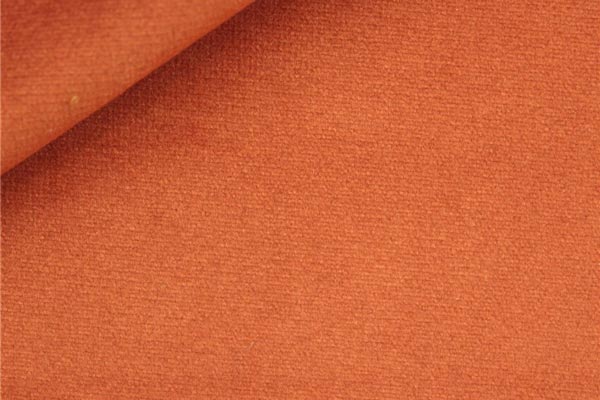
Discover the Tessuto Velour Arredamento!
Eco-leather
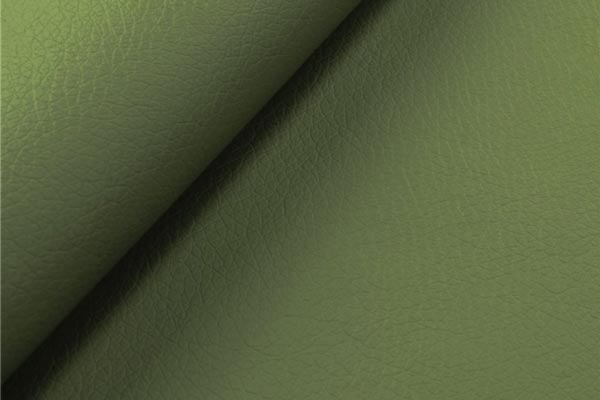
It stands out for its practicality: a damp cloth is all it takes to clean it, making it ideal for pillows subject to heavy use or in environments with children and pets.
Discover the Tessuto Lepoc!
Mixed fabrics (e.g. cotton-polyester)
They combine the softness of natural fibers with the strength and ease of maintenance of synthetic ones.
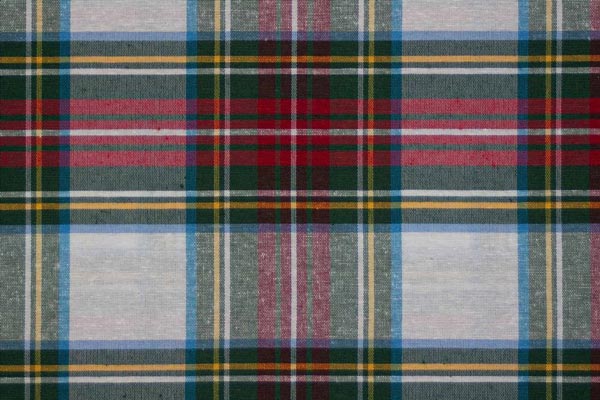
Discover the Tessuto Tartan!
Canvas / cotton canvas
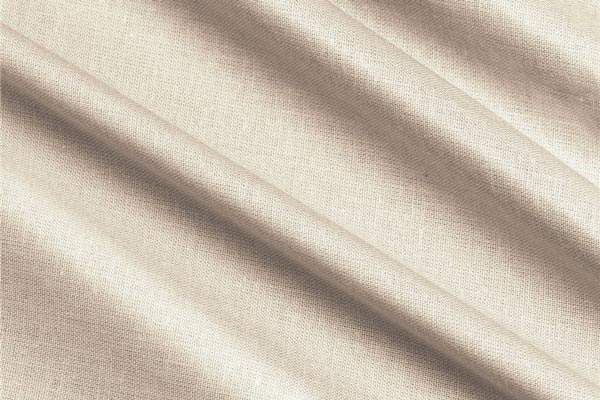
Compact and durable fabric, obtained from a dense weaving of cotton fiber. It is the typical choice for pillows subject to intensive or outdoor use, thanks to its ability to withstand repeated tension and rubbing well.
Discover the Tela Cotone Sorrento!
Jacquard
Fabric featuring patterns woven directly into the weft, creating an elegant and long-lasting relief effect. Very used for classic style cushions, often combined with important furnishings.
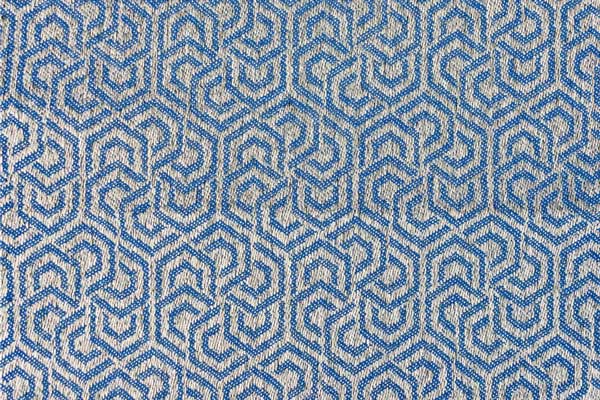
Discover the Tessuto Yvonne Jacquard!
Brocade
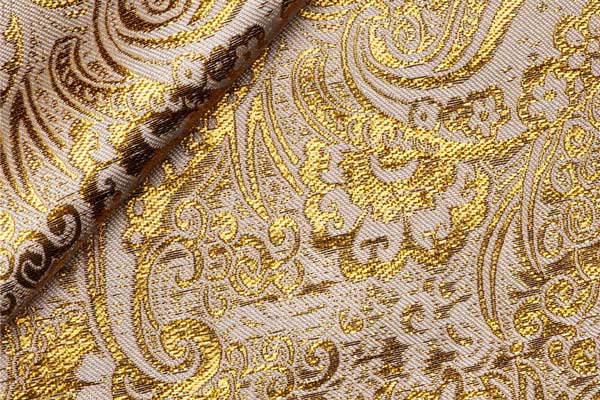
Fine fabric made with the same technique as jacquard, but generally heavier and richer, often embellished with gold or silver threads. Brocade fabric for furniture gives a luxurious touch to cushions intended for elegant or ceremonial environments, but requires greater attention to maintenance.
Discover the Broccato Havana!
Tweed / wool
Heavy and structured fabric, with a sartorial rendering. Ideal for winter pillows or rustic-chic style environments, it gives visual and tactile warmth to spaces.
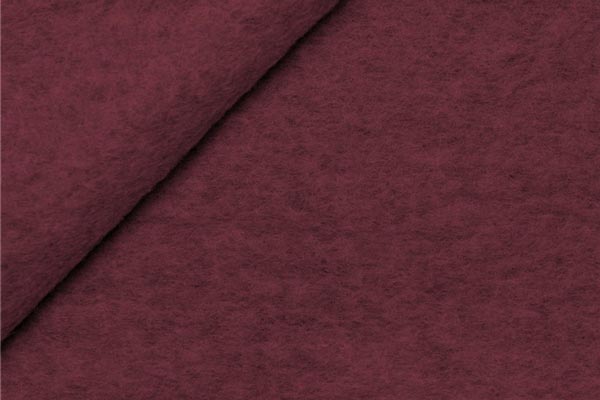
Discover the Tessuto Lana Cotta Unito!
Microfiber / synthetic suede
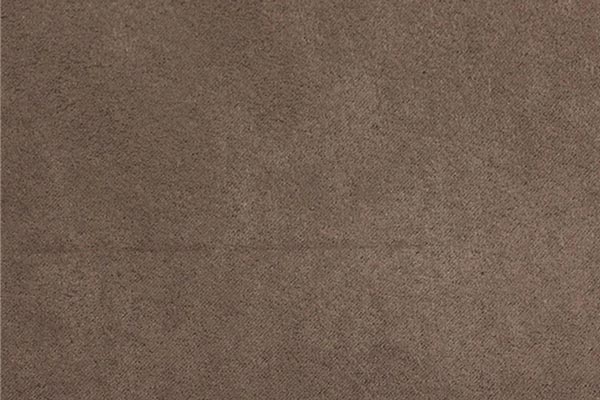
Suede-like effect but completely washable and hypoallergenic. Practical for pillows subject to frequent contact with the skin or used in environments with children and pets.
Discover the Tessuto Scamosciato Texas!
Denim / recycled jeans
Durable fabric with a casual aesthetic, increasingly chosen with a view to creative recycling for cushions with a casual or industrial style.
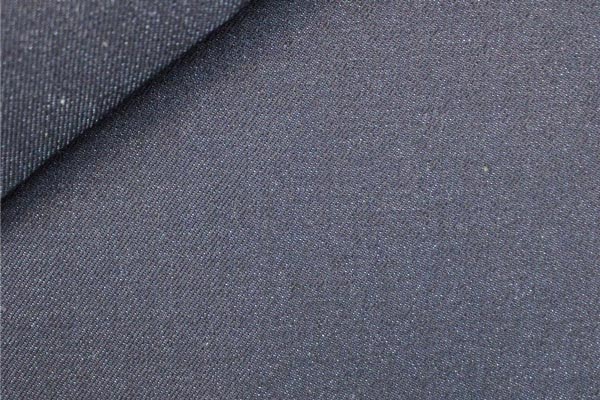
Discover the Jeans Phoenix 8 Oz!
Faux fur
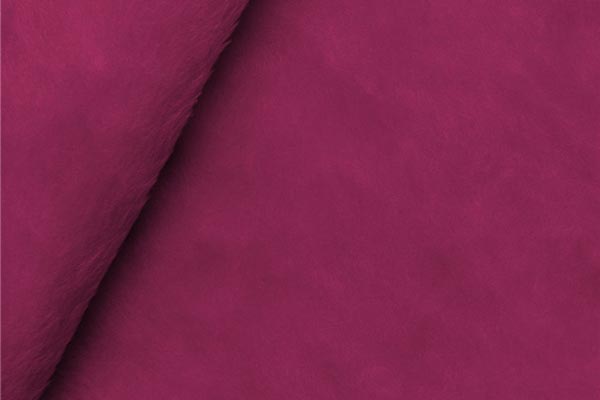
Hairy fabric that reproduces the effect of a natural fur, soft and warm to the touch. It’s a trendy choice for decorative winter pillows or cozy rooms, although it requires special care when washing to avoid flattening the pile.
Discover the Pelo 681 Liscia!
Bouclé
Embossed fabric with a “curly” effect, obtained by working with curled yarns. Very trendy in contemporary furniture, bouclé fabric gives a soft, textured look to pillows, although the particular texture makes it less suitable for frequent washing.
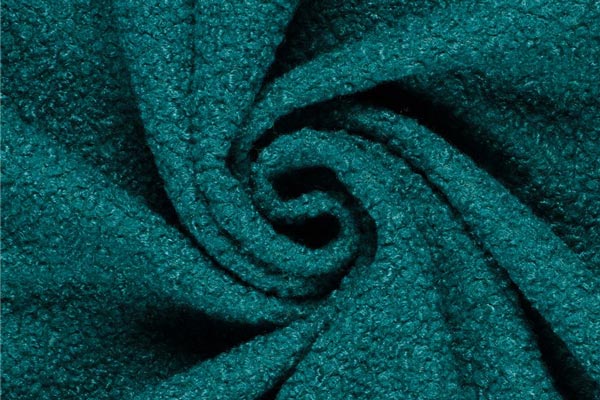
Discover the Tessuto Bouclè Cris!
Summary table comparing the types of pillowcase fabric
| Fabric | Maintenance | Resistance daily use | Aesthetic performance | Recommended use |
| Cotton | Easy, machine washable | High | Versatile, adaptable to every style | Sofa cushions, daily use |
| Linen | Delicate, tends to crease | Medium | Natural, rustic-elegant | Decorative cushions, country/Mediterranean style |
| Velvet | Delicate, often just dry cleaning | Medium-low | Luxurious, Elegant | Decorative cushions, refined environments |
| Eco-leather | Very easy, just a damp cloth | High | Modern | Cushions heavy use, environments with children/animals |
| Mixed (cotton-polyester) | Easy | High | Balanced | Daily use, good price/strength compromise |
| Canvas/cotton canvas | Easy, resists frequent washing | Very high | Robust, informal | External cushions or intensive use |
| Jacquard | Delicate | Medium | Elegant, embossed patterns | Classic style cushions |
| Brocade | Very delicate, often only dry | Low | Luxurious, opulent | Ceremonious cushions, important environments |
| Tweed/wool | Delicate, hand wash/dry | Medium | Hot, sartorial | Winter pillows, rustic-chic style |
| Microfiber/suede | Easy, washable | High | Soft, modern | Skin contact cushions, environments with children |
| Recycled denim/jeans | Easy | High | Informal, industrial | Casual pillows, creative recycling |
| Faux fur | Delicate, not ironable | Medium | Warm, cozy | Winter decorative pillows |
| Bouclé | Delicate, frequent washing not recommended | Low-medium | Textured, contemporary | Decorative cushions, trendy furniture |

Outdoor Pillow Fabric: Features to Look for
For cushions intended for terraces, gardens or verandas, the same fabrics for outdoor curtains can be used. In addition to the UV resistance and waterproofness of the fabric, it is important to consider two specific aspects of the cushions to be made with Tessuto Outdoor:
- Quick-drying padding, preferably made of synthetic materials that do not retain moisture
- Removable and washable liners, to facilitate seasonal maintenance
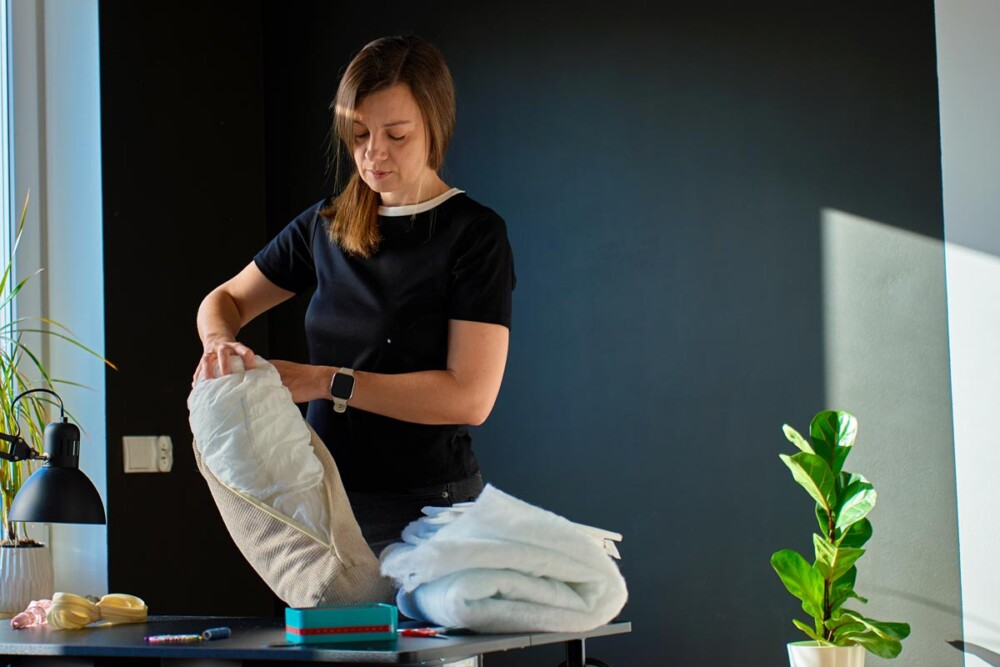
DIY Pillow Padding: Synthetic Wadding, Fiber, or Foam Rubber
In addition to the outer fabric, the final yield of the pillow depends a lot on the type of padding chosen. Here are the most popular DIY options.
Synthetic wadding
It comes in flaps or rolls, is lightweight and adapts well to irregular shapes. It is the most versatile choice for cushions, headboards, armchairs and small furnishing accessories.
Discover the Sintetico Siberia!
Bulk synthetic fiber
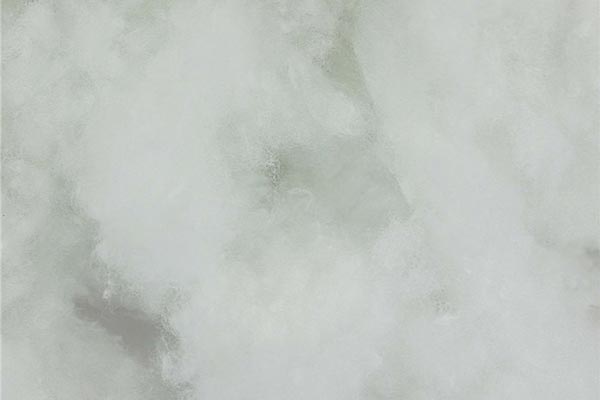
The most common material for filling pillowcases and linings, because it distributes easily inside the pillow and ensures softness, but tends to compress with use over time.
Discover the Sfioccato Groenlandia!
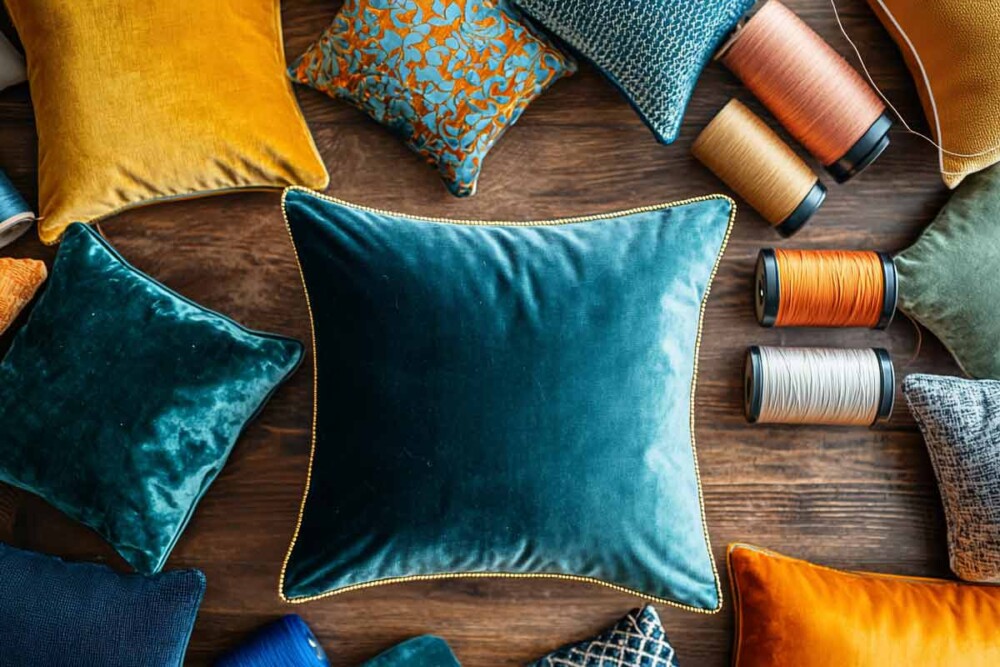
How much fabric is needed to make a pillow: how to calculate measurements
Before cutting fabric, it’s helpful to know how much fabric to buy to avoid waste or, worse, to run out halfway through the job. To calculate the amount of fabric needed, add a seam allowance of 1.5–2 cm per side to the desired size of the finished pillow, multiplying by two if it is a single folded cut.
Practical example: for a 40×40 cm cushion you need approximately 43×43 cm of fabric per side (86×43 cm if the cut is single and folded), considering standard seam allowances.
If you’re just starting out with your DIY pillow project, you can find all the upholstery fabrics you need directly at CimminoShop.com, with detailed product sheets on composition, weight, and height to make an informed choice.
FAQ- Frequently Asked Questions About DIY Pillow Fabric
The most versatile fabric to start with is Panama, durable and easy to work with even for first-time sews. For a more elegant effect you can opt for the Velour Furniture Fabric.
No, velvet is indicated for indoor use. Outdoor cushions require specific fabrics that are resistant to UV rays and moisture, as detailed in the Cimmino guide on outdoor curtain fabrics.
The amount depends on the size of the finished cushion plus the seam allowance, generally 1.5–2 cm per side on each piece of fabric.
The synthetic polyester wadding, like the one proposed by Cimmino, is lightweight, versatile and suitable for heads, armchairs and cushions. Synthetic fiber in general provides softness, while foam rubber is preferable when a more stable shape is needed over time.
