


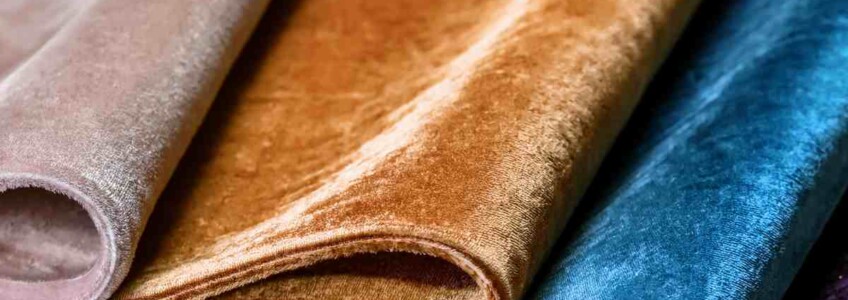
Those who habitually work with velvet recognize it by touch even before sight, because its surface is formed by a dense carpet of vertical fibers that captures light, changes tone depending on the angle of observation and returns a depth of color that fabrics with a smooth surface cannot reproduce.
For a tailoring shop, atelier, or upholstery workshop, however, velvet is also a fabric that imposes rather strict processing rules, because it must be cut in one direction only, cannot tolerate a flat iron, and behaves very differently depending on whether it is made of cotton, polyester, or an elasticized composition. Manifattura Foderami Cimmino, a reference point active in the textile sector since 1750, analyses velvet from a technical point of view, reconstructing its structure, compositions, main typologies and the criteria with which to choose the right weight for each intended use.
What is velvet: definition and structure of the fabric
Velvet is a pile fabric, which means that its surface is made up of cut fibers arranged perpendicular to the bottom and distributed densely and evenly. What defines a velvet is precisely this three-dimensional structure, regardless of the fiber used or the color with which it is dyed.
The difference from a traditional fabric is all in the construction. In a canvas or satin, the warp and weft lie on the same plane and the surface remains two-dimensional, while in velvet a third system of threads comes into play, called a pile warp, which emerges from the bottom and is then cut. Both the characteristic velvety hand and the particular optical behavior of the tissue derive from this step.
How to make velvet: double canvas and cut hedgehog
In industrial velvet weaving, two techniques are mainly used, which lead to quite similar results but with different processing logic.
The first is that of the double canvas, in which two overlapping fabrics held together by the pile warp are worked simultaneously. A blade separates them at half height and from a single pass two velvet sheets with perfectly regular pile are obtained, which is why this method is today the most widespread in industrial production.
The second technique is that of the cut hedgehog, which involves the formation of rings above the surface of the bottom by passing the pile warp over special underwires. The rings are then cut to release the hair, and if you choose to leave them intact, you get an uncut hedgehog fabric, with a completely different look and feel.
Knitted velvets deserve a separate mention, to which velours and stretch velvets belong, built for knitting rather than shuttle weaving and therefore equipped with an elasticity that traditional velvets do not possess.
Hair Reverse and Velvet Hand: Why It Cuts One Way Only
The velvet pile is oriented in a precise direction, and this is the first data to take into account when cutting. Passing your hand in one direction makes the surface smooth and reflective, while in the opposite direction it resists and appears visibly darker and more saturated.
The practical consequence allows no exceptions: all the pieces of the pattern must be placed in the same direction, because a panel rotated one hundred and eighty degrees will produce on the finished garment a chromatic stain evident under any light source, even when it comes from the same patch and the same batch of dye.
Which direction to take depends on the effect you want to achieve, since the down hair gives a brighter rendering while the up hair gives a deeper and fuller color. In both cases, the choice must be declared at the beginning of production and kept identical on all items of the order.
Velvet compositions: cotton, silk, viscose, polyester and elastane
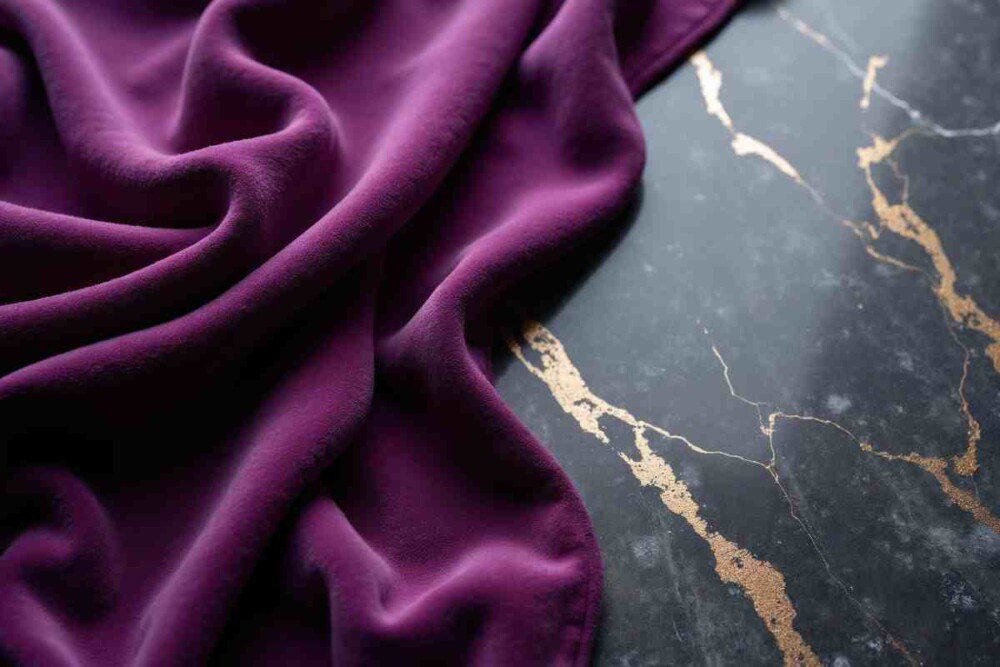
Composition is the second parameter that determines the behavior of the fabric, because hand, shine, wear resistance and reaction to maintenance cycles depend on it. Deeply different velvets can therefore coexist under the same commercial name, and this is an aspect that is always worth checking in the technical data sheet before purchasing.
| Composition | Appearance and hand | Behavior | Typical destination |
| 100% cotton | Dull coat, full and full-bodied hand | Wear resistant, tends to crush under prolonged pressure | Jackets, coats, trousers, structured garments |
| Silk | Intense shine, smooth and light hand | Delicate, requires professional washing | High fashion, ceremony, evening wear |
| Viscose and mixed viscose | Brilliance close to silk, soft fall | Good drapeability, moisture sensitive | Light clothing, stoles, outerwear |
| 100% polyester | Uniform coat, controlled shine | High dimensional stability, resistance to rubbing and light | Upholstery, drapery, scenography, costume design |
| Polyester and elastane | Soft hand with elastic recovery | Bidirectional elasticity, body grip | Dance, rhythmic gymnastics, show costumes |
In professional practice, polyester velvet is now the prevalent choice in furniture fabrics and show fabrics, where dimensional stability, consistent color rendering over time, and the ability to withstand repeated maintenance cycles matter above all else. Cotton velvet, on the other hand, continues to be, among clothing fabrics, the reference of classic tailoring, both for the opacity of the pile and for the structure it provides for the garments. Finally, compositions with elastane were born to respond to performance needs and today constitute an autonomous product category.
Types of velvet: the main textile variants
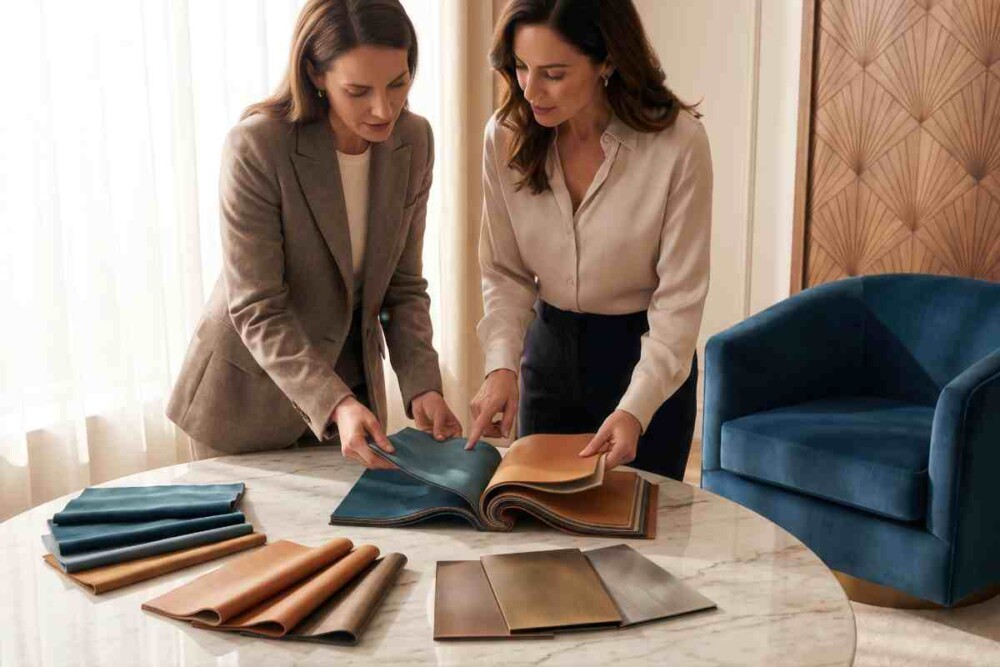
Velvet types are distinguished based on the length of the pile, the surface workmanship, and the structure of the bottom, and knowing them is above all useful for avoiding ordering an item designed for a different intended use than the intended one.
| Velvet type | Distinctive feature | Prevalent use |
| United velvet (smooth) | Hair satin and uniform over the entire surface | Clothing, upholstery, drapery |
| Corduroy | Hair organized in vertical raised rows, of variable width | Pants, jackets, casual and workwear pieces |
| Panné velvet | Hair crushed in one direction only, very shiny effect | Costume design, scenography, set-ups, evening garments |
| Hammered velvet (crushed) | Hair crushed in irregular directions, changing reflections | Evening dresses, decorative drapery |
| Devoré velvet | Chemical processing that selectively eliminates a fiber, creating patterns on a transparent bottom | Stoles, dresses, shirts, wanted garments |
| Operated velvet or jacquard | Reasons obtained in weaving by alternating pile areas and bottom areas | Classic tapestry, drapery, fine furniture |
| Stretch velvet (stretch velvet) | Elastane in composition, bidirectional elasticity | Dance, gymnastics, tight-fitting costumes |
| Glitter velvet and sequins | Surface enriched with reflective elements | Show, carnival, stage costumes |
| Velour | Knitted velvet, short pile, structural elasticity | Soft furnishings, comfort clothing |
Difference between velvet, velour and chenille
They are three fabrics that may feel like close relatives, but which arise from very different textile constructions, and distinguishing them avoids rather costly purchasing mistakes.
The velvet itself is shuttle woven with a warp of cut pile, has a compact bottom and a strictly vertical pile, and has no elasticity of its own unless elastane is added in composition.
The velour, on the other hand, is knitted, has the shortest pile and derives its elasticity from the structure of the fabric itself rather than from elastomeric fibres. This is precisely why it adapts to curved surfaces without forming creases, and it is the reason why upholsterers appreciate it in upholstery.
Finally, chenille does not fall into the velvet family at all, because it arises from a particular yarn in which the fibres protrude radially along the entire length of the thread. The final tactile effect is similar, but the surface is less regular and lacks a marked direction, which greatly simplifies cutting operations.
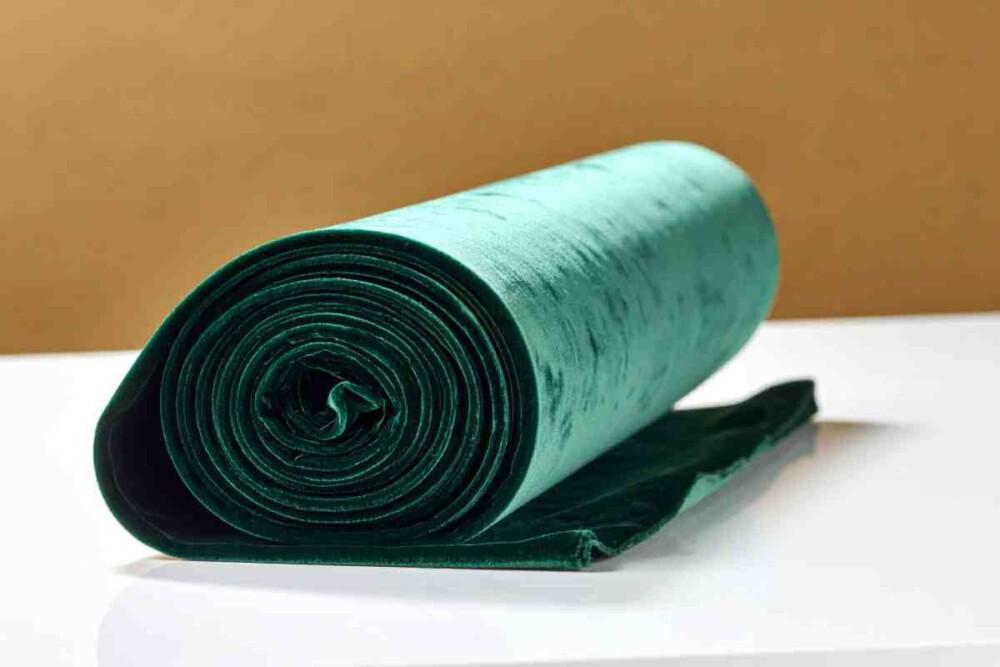
Velvet Weight: How to Choose the Right Weight
Fabric weight, expressed in grams per square meter, remains the most reliable parameter for understanding whether a velvet is suitable for the intended use you have in mind, much more so than commercial descriptions.
| Weight range | Behavior | Destination |
| 190-230 g/m2 | Light, great fall, smooth hand | Lightweight costume, draperies, unstructured garments |
| 250-290 g/m2 | Medium body, good balance between hold and softness | Clothing, dance, formal wear |
| 300-340 g/m2 | Full-bodied, stable, resistant to rubbing | Curtain, upholstery, upholstery |
| Over 350 g/m2 | Very structured, heavy falls | Intensive tapestry, curtains, stage sets |
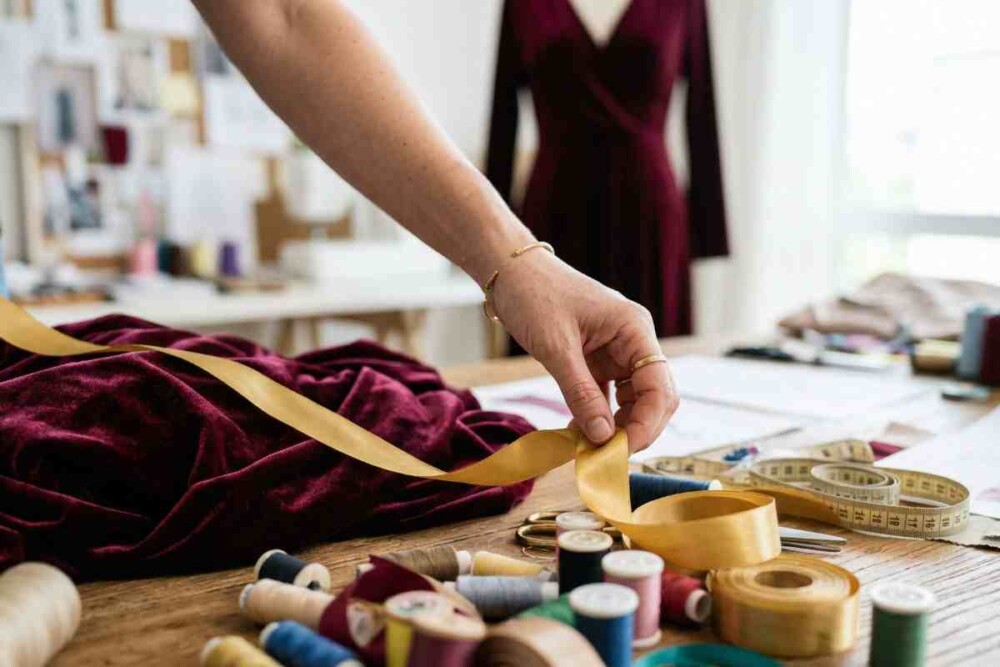
Uses of velvet in clothing, ceremony and dance
In men’s and women’s tailoring, cotton velvet remains the go-to choice for outerwear, because the full hand provides structure for jackets, coats, and trousers, and the opacity of the fur avoids that shiny effect that is almost always unwanted in formal wear.
In formal wear, velvet behaves like an overtly seasonal fabric, concentrated in the cold months, because its mass and reduced breathability make it unsuitable for summer events, for which chiffon, organza, and georgette are preferred.
In dance fabrics and rhythmic gymnastics, elasticized velvets dominate, in which the presence of elastane ensures an elastic recovery that accompanies the movement without deforming the head, while the short hair maintains a clean stage performance even under the spotlight.
Finally, among theatrical costume fabrics, velvet performs a precise narrative function, because the hair absorbs light rather than reflects it and produces that depth of field and shadow plays that smooth fabrics fail to convey.
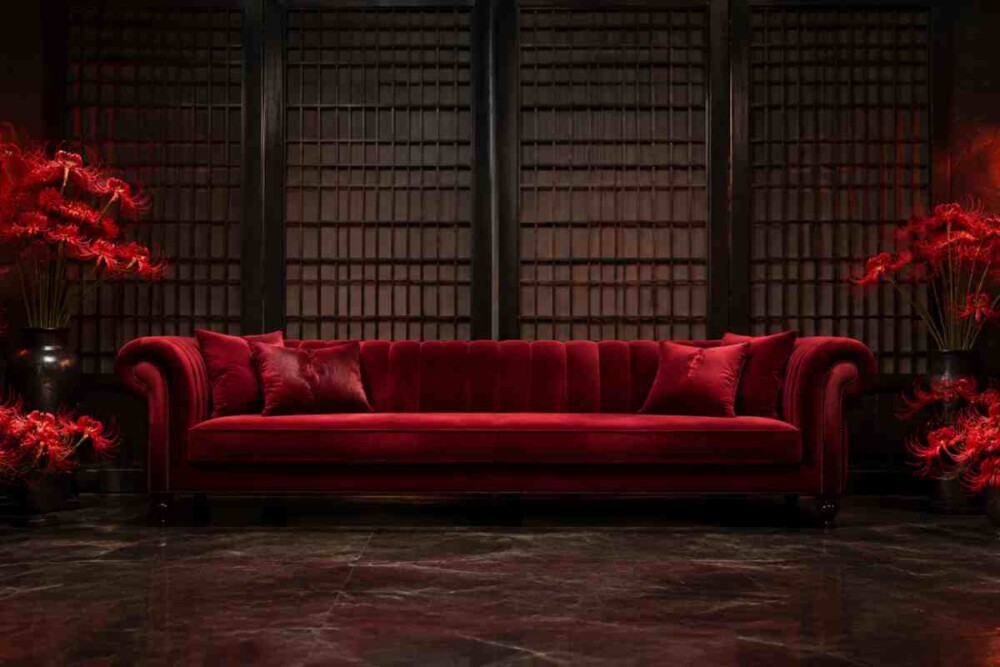
Velvet for furniture: curtains, upholstery and complements
In furniture, velvet is chosen for both technical and aesthetic reasons, and the two aspects tend to reinforce each other.
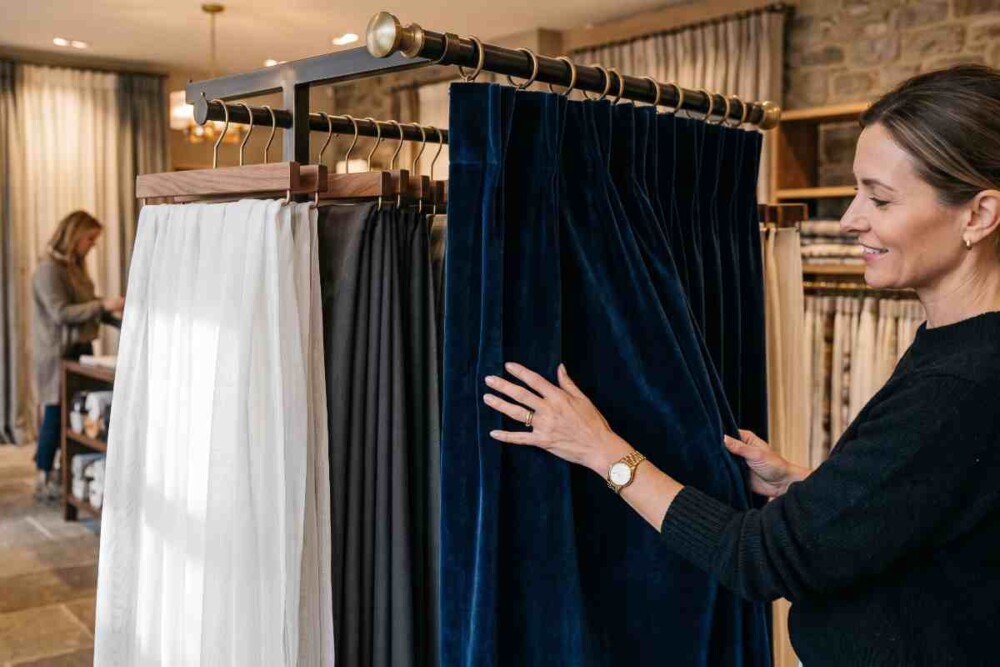
In drapery fabrics, pile density ensures greater blackout than that of smooth fabrics of the same weight, with secondary benefits on thermal insulation and sound absorption of the environment, which in HO.RE.CA spaces and in the contract translate into easily measurable perceived comfort.
As upholstery fabrics, high-weight polyester velvets ensure resistance to rubbing and color stability over time, while aesthetically, jacquard velvets lend themselves well to classic and vintage furnishings, and joined fabrics are more easily integrated into contemporary projects.
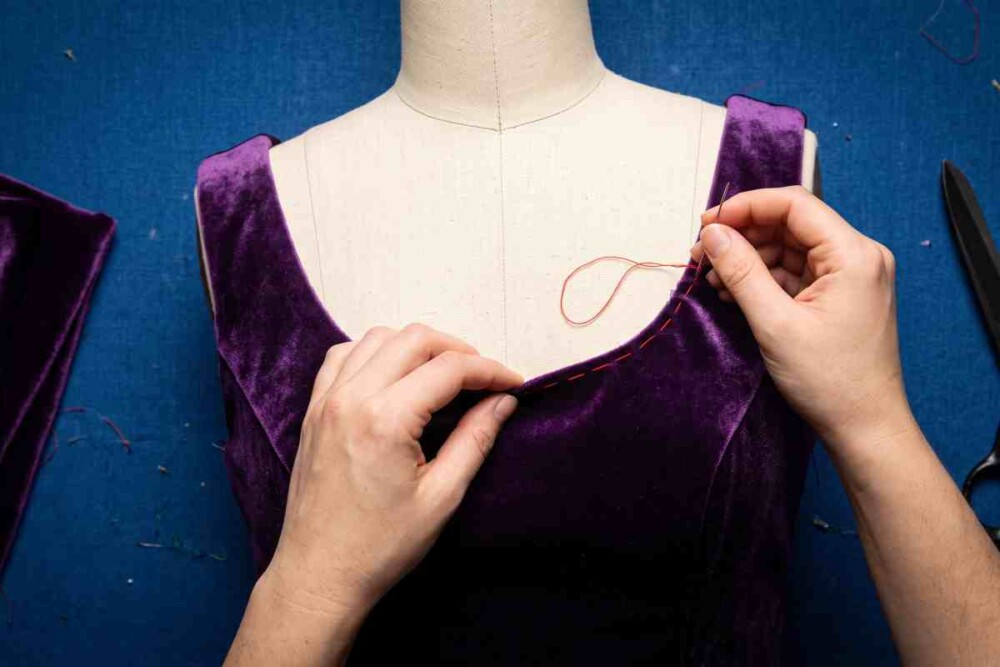
How to Sew Velvet: Technical Tips for Tailors and Ateliers
To sew the fabric well, you need to keep in mind a series of tricks that allow you to bring out the best in this versatile fabric.
• Single verse on all pieces. It is best to mark the direction on the reverse before rolling out the pattern and check it on each panel before cutting.
• Single layer spread. The pile causes the overlapping sheets to slip, and the double-layered cut ends up producing systematic inaccuracies.
• Pins in the seam allowance. On velvet, pins leave permanent marks, so they should be confined to the excess and never inserted into the body of the garment.
• Thin needle and long stitch. Too thick a stitch crushes the pile along the seam and makes it visible when the job is done.
• Sewing in the direction of the hair. Sewing against the grain generates curls and glides between the overlapping layers.
• Immediate edge trimming. The bottom of the velvet slides off with ease, especially in double canvas constructions.
How to wash and maintain velvet
Velvet should not be ironed with the iron on, because the direct heat and pressure of the plate crush the pile irreversibly. To eliminate creases, steam work from the reverse side without ever bringing the plate into contact with the fabric, or with a vertical steamer while keeping the garment hanging.
The washing instructions change significantly with the composition, since polyester velvets tolerate delicate household cycles, cotton velvets require attention to shrinkage, and silk and viscose velvets must be entrusted to professional washing. In any case the manufacturer’s label takes precedence over any indication of a general nature.
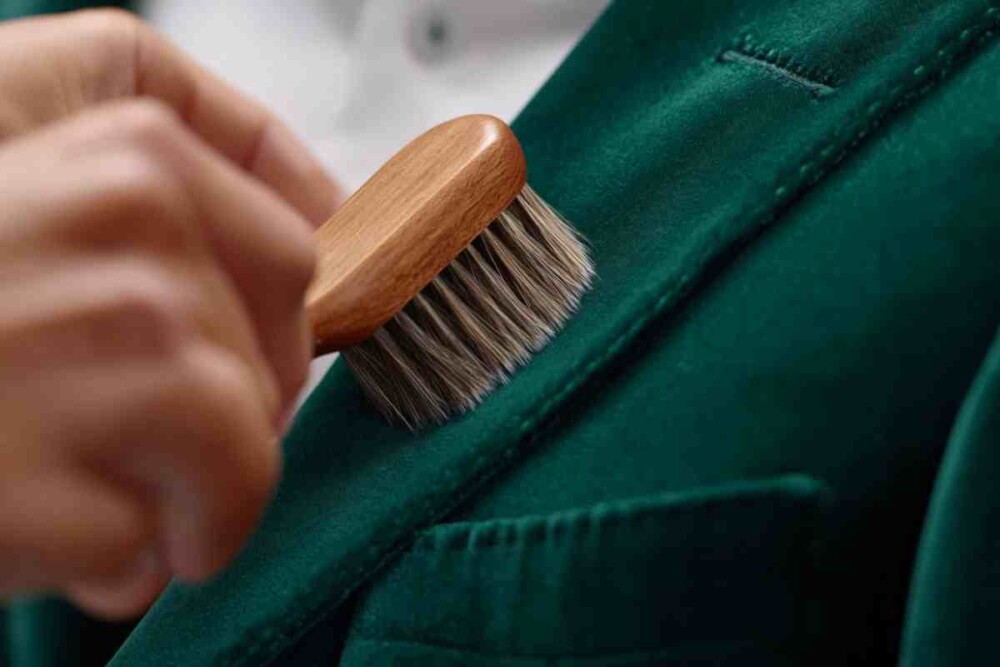
For storage, it is preferable to hang the velvet rather than fold it, because prolonged storage folds leave marks that are difficult to recover. On garments that remain in stock for long periods, it is good practice to provide periodic brushing in the hairline with a soft-bristled brush.
Wholesale velvet fabrics: the Cimmino range for tailoring, entertainment, and furniture
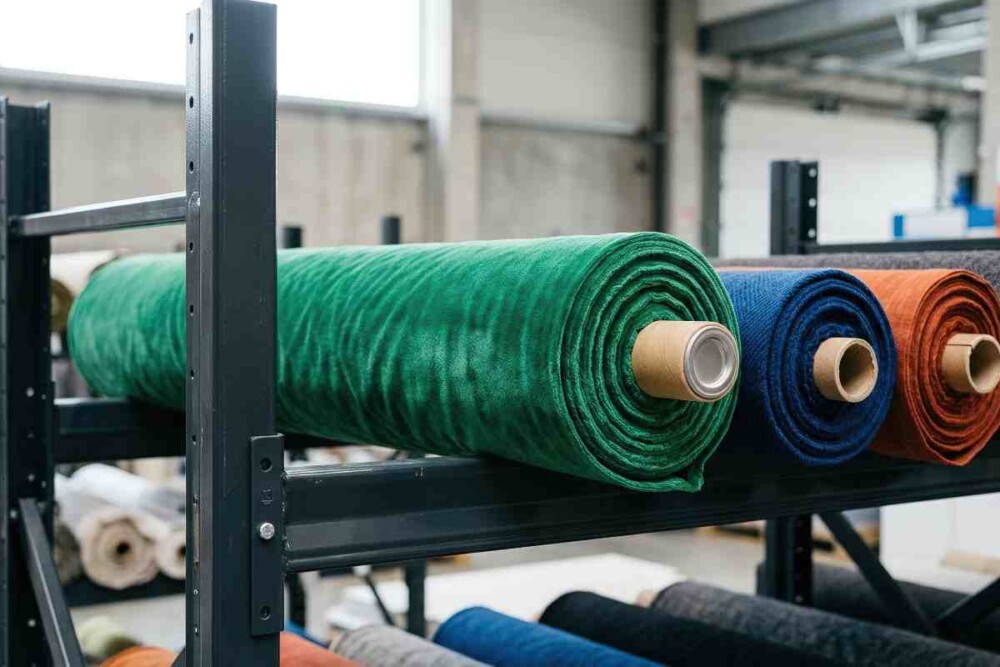
After seeing how velvet is constructed and what parameters determine its behavior, it remains to be seen which items are actually used for each type of workmanship, because a velvet designed for drapery and one designed for a dance costume have little in common beyond the name. Manifattura Foderami Cimmino’s range of wholesale velvets is structured precisely along this distinction, with a selection of velvet fabrics intended for clothing and entertainment and one intended for drapery and upholstery, available in rolls and by the meter for tailors, ateliers, costume designers, upholsterers and retailers.
Tessuto Velluto Arredamento
Tessuto Velluto Arredamento is a solid-color velvet with elegant colors, designed specifically for furnishing use, where its versatility allows it to easily move from drapery to upholstery to freer decorative projects.
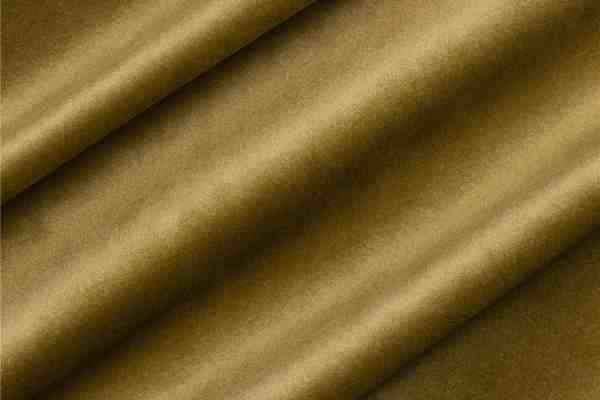
The 100% polyester composition ensures dimensional stability and color retention over time, while the 300 g/m2 places it in that weight range that holds both the vertical drop of a curtain and the rubbing stress of a coating well. The height is 140 cm and the fabric is required in supplies for the contract and for collective use environments.
Velluto Paillettes Electra
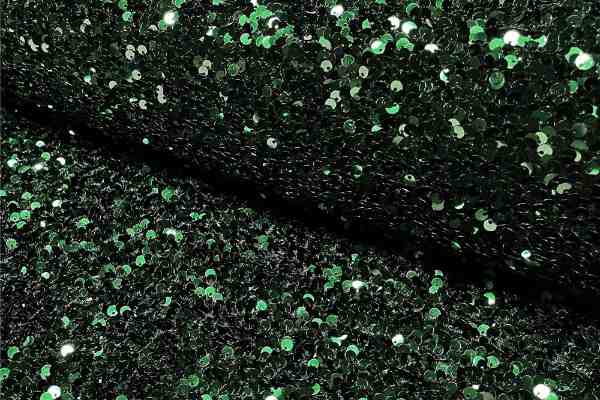
Velluto Paillettes Electra starts from a refined velvet base and enriches it with circular sequins applied so as to capture the light and return a sparkling effect, which makes the fabric a natural choice for formal wear and for all contexts in which the garment must withstand direct exposure to light sources.
The texture remains soft and fluid despite the application, which allows it to be worked on both classic lines and more contemporary cuts, while the wide color range and multiple tones leave room for customization. The composition is 100% polyester with OEKO-TEX® Standard 100 certification and a height of 145 cm. Keep in mind its weight, which at 515.52 g/m2 places it well beyond the range of clothing velvets: it is a structured fabric, which must be evaluated during the modeling phase for its drop and the load it imposes on the seams.
Velluto Bistretch Flexour
Velluto Bistretch Flexour is a velvet stretch on both senses, characteristic that makes it suitable for all garments where the fabric must accompany the body without resistance to movement.
The soft and slightly shiny surface broadens its field of use beyond the technical perimeter of dance and entertainment, where it is used for leotards, leggings and stage costumes, arriving at sports garments and skirts, tops and fashion details that require comfort and visual rendering together. The composition is 87% polyester and 13% elastane, with an elastane percentage among the highest in the Cimmino velvet range, while the 307 g/m2 ensure full coverage even when tensioned, an aspect not to be overlooked in very tight garments. The height is 150 cm.
Tessuto Velluto Petronilla
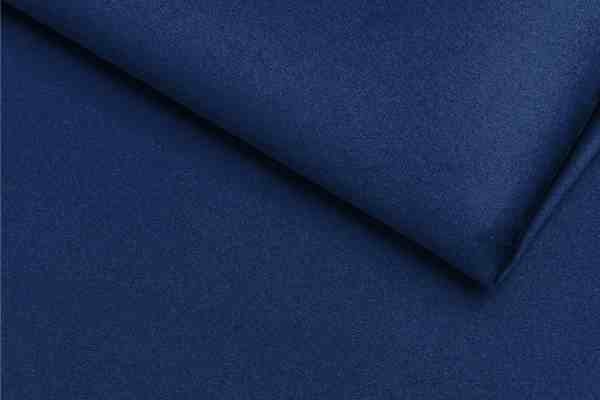
Tessuto Velluto Petronilla is a solid-color velvet with warm hues and a soft hand, which in the furniture works well on the entire range of complements: curtains, cushions, upholstery and padding, where it returns a refined effect without stiffening the environment.
The 100% polyester composition guarantees resistance to daily use and color stability, while the 280 g/m2 places it in the medium-high range, softer than velvets for intensive upholstery and therefore especially suitable for cushions and complement coverings. The height is 140 cm and the item is OEKO-TEX® Standard 100 certified.
Tessuto Velluto Jacquard Baia
Tessuto Velluto Jacquard Baia belongs to the family of operated velvets, those in which the pattern is not printed but is born directly in weaving by alternating pile areas and bottom areas.
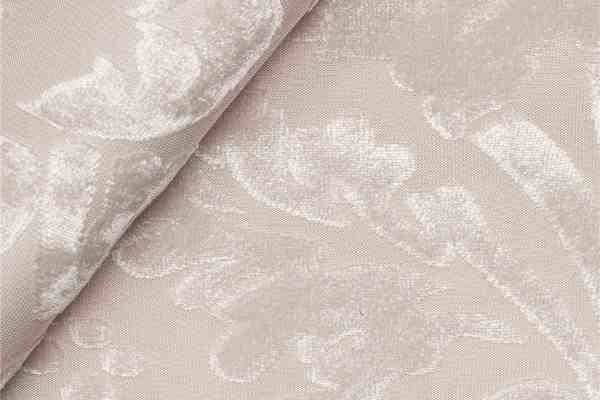
The result is relief designs that play with light and restore depth to the surface, a characteristic that makes it a recurring choice in classic furnishings and in environments where the curtain or cladding must have an independent decorative presence. The composition is 100% polyester and the basis weight of 269 g/m2 makes it easy to handle in the curtain, where the low weight promotes an orderly fall without giving up the body.
Tessuto Velluto Trap. Lucrezia
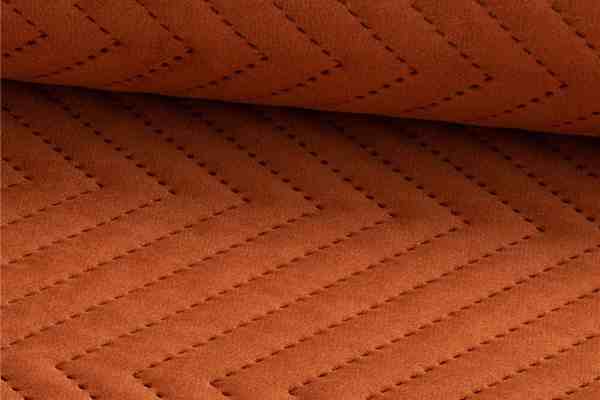
Tessuto Velluto Trap. Lucrezia stands out from other furnishing velvets because it is a quilted velvet, that is, a fabric already coupled to a padded and topstitched support, which arrives in the laboratory ready without requiring the coupling phase.
The surface maintains the silky softness and glossy look typical of velvet, while quilting adds thickness and structure, making it suitable for bedspreads, quilts, headboards, and upholstery where a uniform padded effect is needed. The composition is 100% polyester in a solid non-stretch color, with a height of 140 cm and a weight of 330 g/m2 which also includes the padding. The item is OEKO-TEX® Standard 100 certified.
Vellutino Kenya
Vellutino Kenya is a lightweight polyester velvet, designed for casual wear and for all garments that do not require the structure of a tailored velvet.
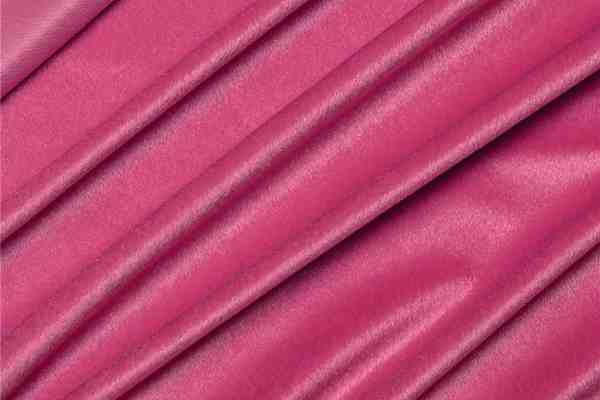
The 225 g/m2 places it in the lightest section of the range, where the fabric retains a good fall and remains pleasant to wear without weighing down, a feature that makes it usable continuously even in the mid-seasons. The hand is soft, the composition 100% polyester and the height of 150 cm.
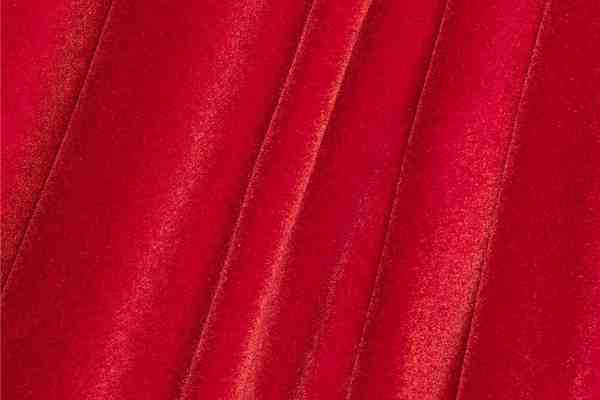
Tessuto Red Velvet
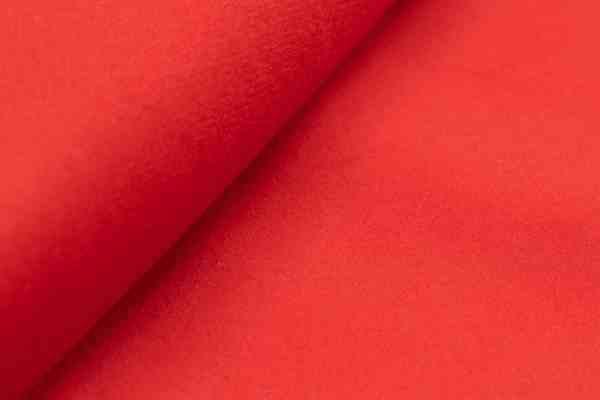
Tessuto Red Velvet is a velvet with thick, uniform hairs on the obverse, which produces a controlled shine and a particularly saturated color rendering.
The color, a deep, bright red, makes it a reference item for Christmas displays and seasonal decorations, but its purpose doesn’t end there: the 300 g/m2 and good drop make it suitable for curtains, cushions, and upholstery, as well as for elegant dresses, theatrical costumes, and stage sets, where the deep red works well under stage lights. The composition is 100% polyester, therefore resistant and simple to maintain, with a height of 145 cm.
Where to buy velvet wholesale in Italy
CimminoShop supplies tailors, ateliers, costume designers, upholsterers and retailers throughout Italy with a full range of velvets, including cotton velvets for tailoring, stretch velvets for dance and show and jacquard and joined velvets for draping and upholstery, with several OEKO-TEX® Standard 100 certified items. Discover the range of velvets available in the online catalogue!
FAQ – Frequently Asked Questions about Velvet
Velvet is a pile fabric, in which a third system of threads emerges from the bottom and is cut, giving rise to a three-dimensional surface of vertical fibers. It is the structure that defines it, not the composition.
It can be one or the other, because velvet is a textile construction and not a fiber. It exists in cotton, silk, viscose, polyester, and blends with elastane, and the choice of composition affects hand, shine, and maintenance behavior much more than the trade name.
Velvet is shuttle-woven and has no elasticity of its own, while velour is knitted, has the shortest pile and is naturally elastic. Velour adapts better to curved surfaces, velvet provides more structure to the garment.
Because the hair is oriented in a precise direction. When viewed in the direction in which one lies down it appears clear and bright, while in the opposite direction it appears darker and more saturated, and this is why all the pieces of a garment should be cut in the same direction.
For upholstery and drapery, work is generally done from 270 g/m2 and up, choosing the weight based on the expected stress. Lower weights remain preferable in the curtain, where they promote an orderly fall, while for upholstery subject to continuous rubbing it is advisable to move up the band.
In joined velvet, the pile covers the entire surface homogeneously, while in jacquard the motif arises directly in weaving by alternating pile areas and ground areas, creating raised designs. The first integrates more easily into contemporary projects, the second has an autonomous decorative presence.
Not with the iron on, because direct heat and pressure permanently crush the hair. It is steamed, from the reverse, avoiding any contact between the plate and the fabric.
No, velvet is a fabric designed for interiors and is not formulated to resist UV radiation and humidity. Specific technical fabrics are required for exterior fittings.
It serves a velvet stretch on both senses, with elastane in composition, that accompanies the movement and recovers the shape. It should also be verified that the weight ensures full coverage when the fabric is working under tension, because weights that are too low tend to show through on very tight garments.
Yes, velvets under 250 g/m2 retain a good fall without weighing down the garment and lend themselves to casual garments, including mid-seasons. As the weight increases, structure is gained, but the fabric becomes progressively more seasonal.
Yes, the bottom tends to fray, especially in double-cloth constructions, so the edges should be finished immediately after cutting.
This means that the tissue has been tested for the presence of harmful substances according to an independent protocol. It is a requirement often required in supplies for the contract and for collective use environments, and it must be checked in the technical sheet item by item, because it is not automatic across a whole range.
