Organza

What kind of fabric is organza: features and uses

The organza fabric has ancient origins, dating back to the fourteenth century in Asia, where it was initially produced only in silk. Over the centuries, the production of organza has spread all over the world and the fabric has started to be produced with other fibers, such as cotton and synthetic fibers. Let’s discover features and uses of organza fabric.

What is meant by the term organza and how to recognize it

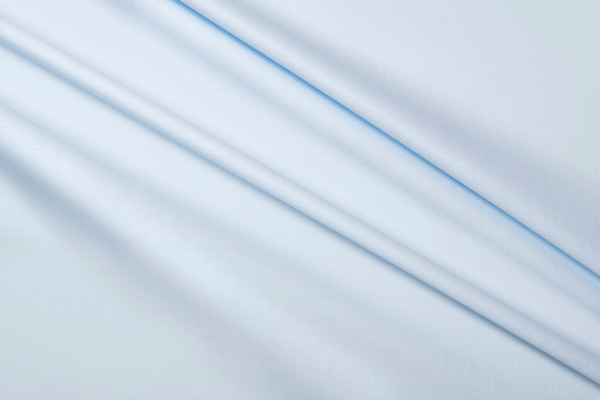
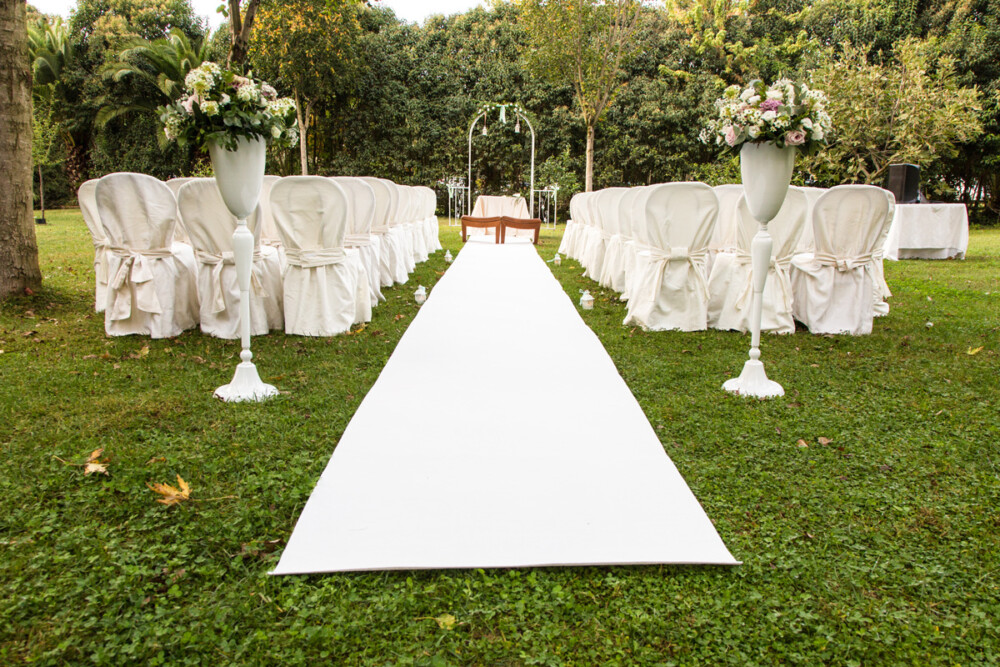
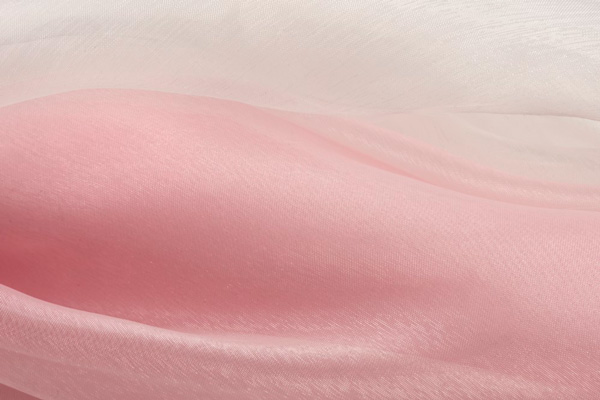
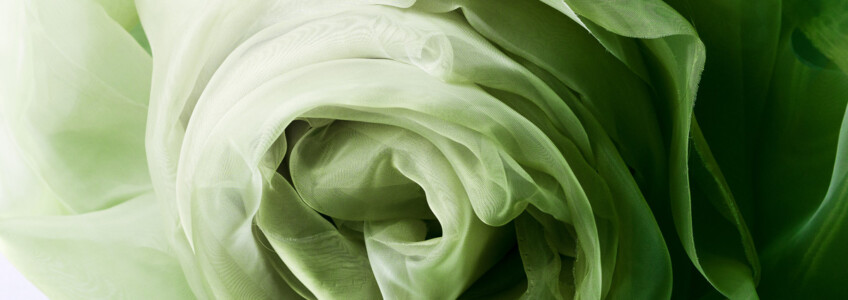
The term organza refers to a type of light and transparent fabric, composed of threads woven together to form a transparent texture. Organza can be produced with different fibers, including silk, cotton and synthetic fibers. This fabric is often used for creating evening dresses and accessories such as scarves and stoles, as well as for decorations for weddings and other special occasions. Organza is also suitable for decorations of various types, designs, embroidery and lace for a more elegant and sophisticated look.

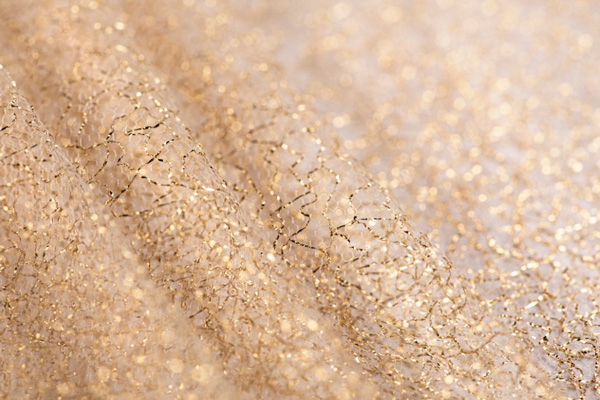
To recognize organza we must evaluate these five elements: transparency, texture, lucidity, elasticity and structure. Being a transparent fabric, you should be able to see through it when it is held against the light. The texture should be crisp and stiff, although there are softer and smoother variations. The organza also has a shiny appearance, a feature even more evident in that of silk. Organza is not an elastic fabric, so if the fabric in your hand stretches and widens, it’s not organza. Finally, the organza has a very fine and regular texture.

Organza

How to use organza and how many types of organza exist

Organza fabric is very versatile and can be used in many ways: clothing, decoration, gift wrapping, crafts and furniture. It is often used to create wedding and ceremony dresses, evening dresses and for special events.

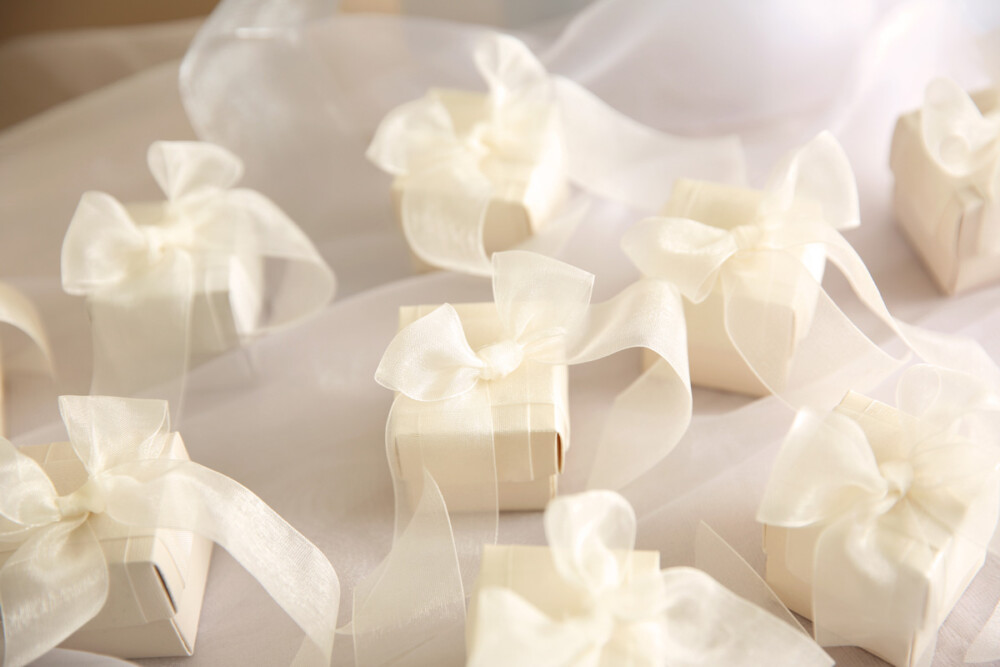
In addition to the use in fashion, with organza we can decorate curtains, drapes, tablecloths, centerpieces, bows and other decorative elements for the house or for special events. This is also a great choice for gift wrapping, especially if you want to give the gift a stylish and sophisticated touch. You can create gift bags, ribbons, bows and decorations for packages.

There are different types of organza, which differ in the type of fiber used in production and the degree of transparency of the fabric. Listed below are some of the main types of organza.

Matte organza: this variety of organza has a less transparent texture than other varieties of organza and is often used to create more opaque-looking dresses and accessories.

Embroidered organza: this variety of organza is decorated with embroidery, lace or other decorative motifs.

Silk organza: produced using silk threads woven together, this variety of organza is very light and has a bright and delicate appearance.

Cotton organza: produced using cotton threads woven together, this variety of organza has a thicker texture than silk and is often used to create wedding dresses and accessories.

Nylon or polyester organza: produced using synthetic fibers, this variety of organza is very durable and has a light and transparent texture. Online you will find several organza fabrics in polyester. Let’s find out together which ones are more versatile.

Organza

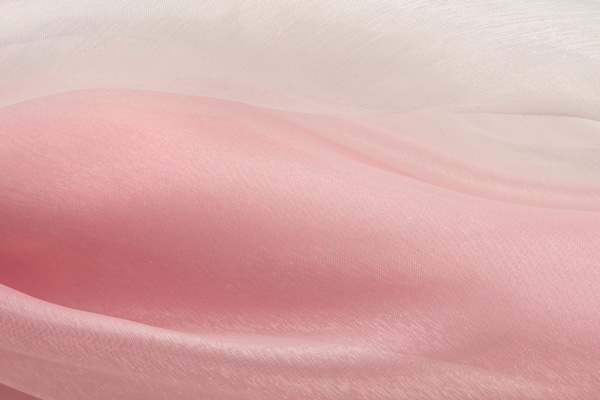
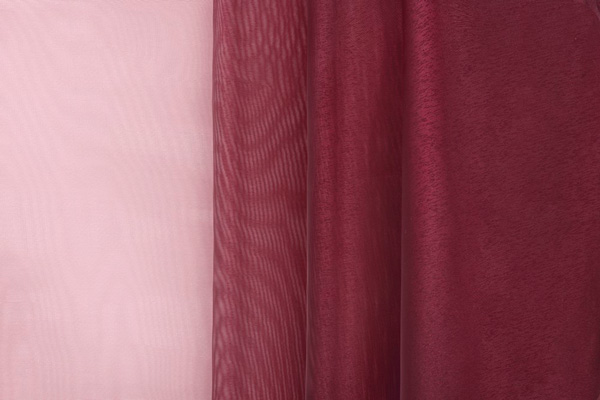
100% polyester canvas weave fabric, thin and transparent. It is shiny and has a wide variety of colors. It is suitable for many uses, such as for making ceremonial dresses, wedding favors and outfits, wedding dresses.

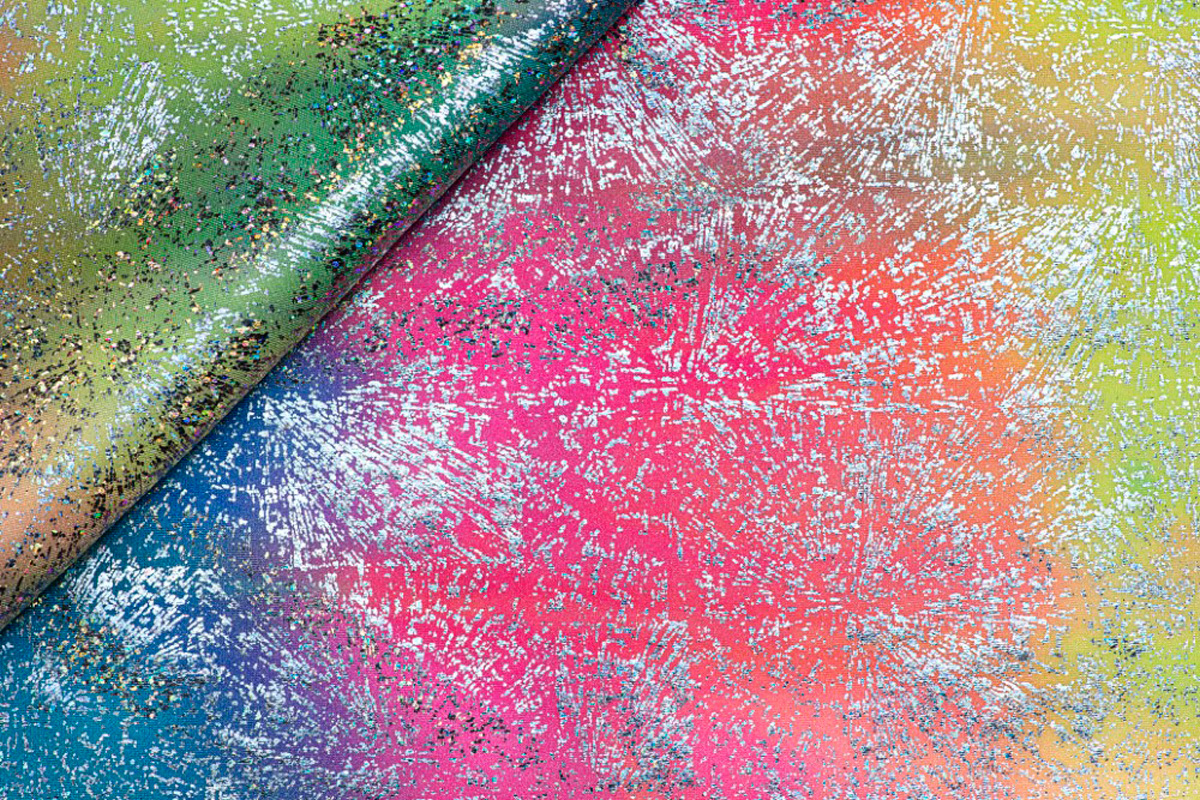
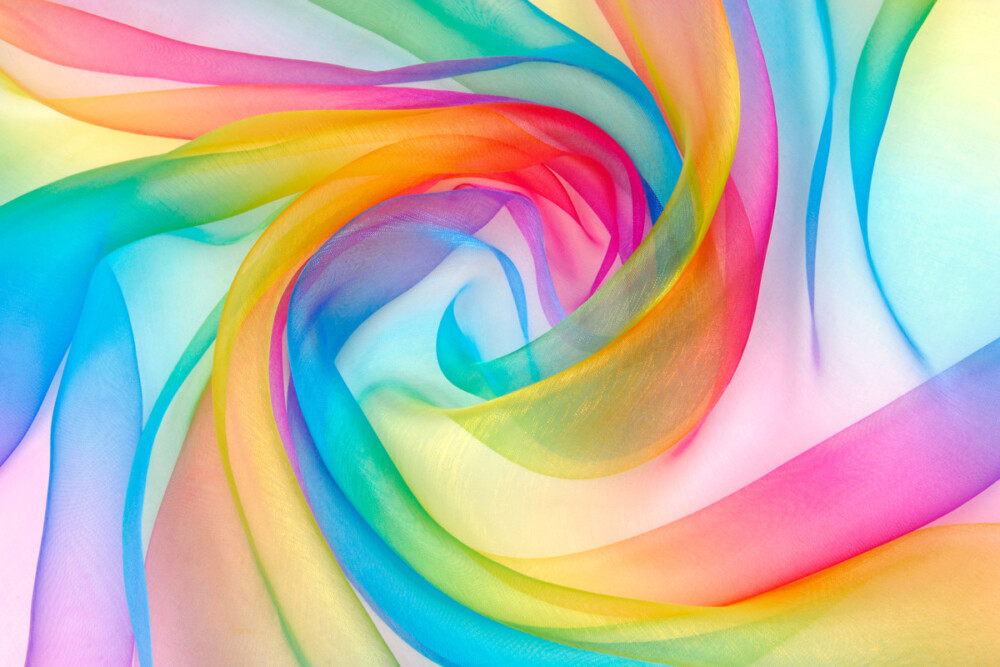
Organza Rainbow
Organza Rainbow Iridescent

Organza Rainbow Iridescent

55% polyester and 45% polyamide fabric. It offers colour differences between warp and weft threads. Looking at it from different angles, the fabric becomes almost iridescent. This is also suitable for many uses.

Organza maintenance

Organza is a delicate and light fabric that requires special attention during washing and ironing. Before washing organza, it is important to carefully read the fabric label, to check the specific washing instructions. Let’s see all the steps.

How to wash the organza

In general, organza should be washed by hand or machine with a delicate program and cold water. Do not squeeze or spin the fabric, rather lay it on a flat surface and a clean towel to make it dry, away from direct sunlight or heat sources, as it may damage and lose its natural transparency.

How to stretch the organza

To iron organza, you need to pay close attention as it is a delicate tissue that can get damaged easily. Here are some tips on how to iron organza:

Adjust the iron temperature on the “low temperature” or “silk” mode. This way, the fabric will not burn or melt during the ironing process.

Use a protective cloth. Before you start ironing organza, place a clean, lightweight cotton cloth on the fabric to protect it during the ironing process. Alternatively, you can also use a similar silk or organza fabric.

Iron gently. Place the iron on the surface of the organza and press gently without putting too much pressure. Begin ironing from the edge of the fabric and move the iron gently towards the center. Do not pass the iron repeatedly over the same area to avoid damaging the fabric.

Iron on the wrong side. If possible, turn the fabric over and iron it gently using the same process.

Avoid vaporization. Do not use vaporization when ironing organza as moisture may cause staining or discoloration.

Dry thoroughly. After ironing the organza, let it dry completely in the open air before storing.

Organza fabric

How much organza costs per meter

The organza price depends on the type of fabric (silk, cotton or synthetic) and the width. In general, silk organza tends to be more expensive than cotton or synthetic organza.
As for the price per meter, on average good quality silk organza can cost between 30 and 60 EUR per meter, while cotton or synthetic can cost between 5 and 20 EUR per meter.

Browse the catalog and discover a wide selection of
organza fabrics online and lots of news!
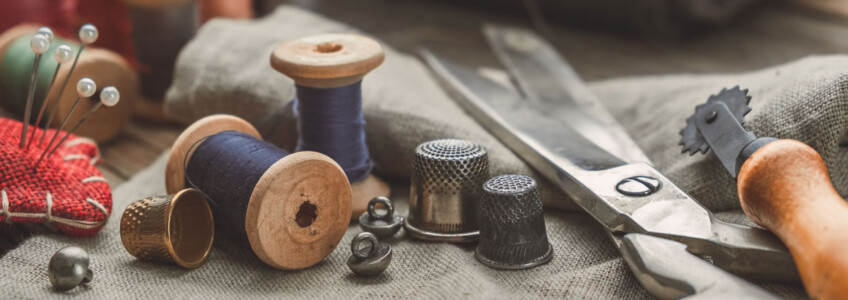
Fabrics for hobbies and hancraft

Best fabrics for hobbies and handcraft

In recent years, the phenomenon of markets has become increasingly popular: fairs, festivals and so no, which demand the presence of exhibitors and artisans. Thanks to these events, artists can show their works, including the display of fabrics for hobbies and handcraft, clothes inspired by distant eras or the typical fantasy settings, objects and accessories made strictly by hand.

(more…)
Carnival fabrics 2023

The best fabrics for Carnival 2023

Carnival is one of the most beloved and celebrated holidays, especially by children, who for the occasion can wear the clothes of their favorite characters. An anniversary characterized by joy, fun, jokes, masks, costumes, confetti, streamers and a lot of good desserts.

(more…)
textile fair in Warsaw

Fast Textile: Cimmino at the Textile Fair in Warsaw

Fast Textile returns: the most important event of the textile industry in Central Europe.
It is an annual fair that is usually held in November.
The next edition will take place from 15 to 17 November 2022 at the PTAK WARSAW EXPO in Warsaw.

Every year gather national and international exhibitors of the sector Accessories, Textiles, Textile Industry, The latest fashion. It is a pride to announce that Manifattura Foderami Cimmino will participate as an international exhibitor at the fair: it will be present in HALL D – STAND C1.16.

In November Fast Textile returns to Warsaw

Fast Textile International Textile Fair was born in response to the market demand for events dedicated to this sector, reaching immediately a huge success. During last year’s edition, 400 companies from 40 countries presented their textile products. The event was visited by over 27,000 people, including about 20,000 professionals: CEOs, directors and managers of large textile companies, as well as purchasing specialists from the largest brands.

The fair was also accompanied by numerous workshops and further events, including sewing workshops, clothing decoration courses, clothing design courses, milling workshop, textile forum and much more.

The main objective of the fair is to create an area that allows to establish commercial relations between exhibitors and clothing manufacturers. It will range from fabrics to machinery, from fast fashion to accessories: an all-round look on made in Poland and beyond, as it is a great opportunity for foreign companies.

Compared to last year, this year’s figures are set to rise. In fact, an estimated 33 thousand visitors and 600 exhibitors from 45 different countries, with a reserved area for Italian companies that will participate: Cimmino will be able to exhibit and make known its textile products at stand C1.16.

chenille fabric

Chenille fabric: properties, characteristics and uses

Chenille is a knitted fabric, which is obtained by processing two yarns of different material, one thin and robust, the other thicker and softer. Let’s discover together with Cimmino what chenille is: composition, characteristics and uses of this soft and velvety fabric, ideal for the middle seasons.

chenille purple

What is chenille: origin and uses of this fabric

The chenille has a relatively recent origin: it made its first appearance in France around 1930, but spread from the 70s following the dictates of fashion of the time. In the past silk and wool were used, while today it is cotton that is mainly used in the processing of this fabric, as it ensures maximum safety even on the most delicate leathers. In fact, chenille is one of the most used fabrics for clothing and accessories for children. Soft and velvety, just like children’s skin, chenille is versatile and elastic, ensuring maximum comfort from the start.

Chenille garments are perfect in the middle seasons, but also in milder winters. The heaviness of the fabric is not excessive and does not involve extreme sweating, but it is enough to ensure a constant and lasting heat. Visit the Cimmino catalogue to be updated on the latest news in the sector and to discover the wide selection of fabrics suitable for every need and situation, such as chenille fabrics.

Chenille 643

It is a fabric similar to velvet, but much softer, available in many colors: white, beige, cream, brown, green, ruby red, gray, pearl, black, light blue, pink, turquoise, mustard, fuchsia, burgundy, blue, neon orange, neon yellow, Neon green, acid green, ivory, red, midnight blue, royal blue, purple and many more. This type of fabric is very versatile and is ideal for making theatrical and carnival dresses and accessories It is also equipped with standard 100 by OEKO-TEX, a certification and control system in the field of textile raw materials, semi-finished products and finished products at all stages of processing, It allows the identification of those products which do not present any risk to the health of the consumer.

chenille black

How to wash and remove stains

Chenille is a very delicate fabric, which is why it is recommended to wash it by hand to avoid any damage. However, it is possible to wash the chenille also in the washing machine by choosing the gentle cycle and a temperature of not more than 30°- 40°. It is preferable to use natural and non-aggressive detergents and avoid whiteners or bleaches. To protect the embroidery and decorations and to preserve the colors you must always turn the garments inside out before each wash. In the presence of stubborn stains you can use a tablespoon of baking soda dissolved in a basin of water instead of softener, which will allow the garments to be perfectly sanitized and soft. On the market there are also special stain removers, delicate and neutral, that allow you to act promptly on difficult stains.
These products are specifically formulated to be gentle on fabrics and colors. It is essential to find a product that does not contain perfume, dyes or bleach that, among other things, could also cause allergic reactions. This way, you can also eliminate grease stains, sauce, chocolate, baby food, lipstick, red wine, coffee, fruits and vegetables.

chenille fabric

How to wash infants onesies in chenille

To wash the chenille onesies just follow a few simple tips. The onesies should always be put inside out, in order to protect the decorations and preserve the color. We proceed with the hand washing, using a basin or directly the sink, which we will fill with warm water. Immerse the onesies in water and gently rub any stains with Marseille Soap, then rinse with cold water. Immerse the onesies again in warm water with neutral detergent, this time leaving them to soak for 1-2 hours. To sanitize them, just add two teaspoons of baking soda to the detergent. After that, we remove the excess water by making it drain and immerse them in cold, softening water for about 10 minutes. Rinse them, wring them and let them dry spread between two towels and resting them on a table.

chenille fuxia

How to wash chenille sofas and armchairs

The upholstery of chenille sofas and armchairs is as delicate as clothing: you can wash it, but you must reserve some extra care. First of all, the fabric should never be soaked. Fill a bowl with warm water and dissolve very little mild detergent or Marseille soap. Dip the cloth in the bowl, squeeze and dab the stain. With a dry cloth, instead, press the wet area to remove excess water. If the stains persist, repeat the operation until they are completely gone. Alternatively, you can use a mixture of white vinegar and tea tree oil: you could do a test in a part of the sofa not visible, so notice the reaction.

Browse now the catalog of Manifattura Foderami Cimmino and choose the best chenille fabrics to make everything you want!

Best Ready Fashion Fabrics

The best fabrics for Fast Fashion clothing

Fast Fashion is an economic and productive system that pursues the new trends and needs of the markets, ensuring the topicality of the stylistic proposal and speed of delivery. When we talk about ready-to-wear fashion, we refer essentially to the industrial sector of ready-made clothing.
Production times are reduced, with uninterrupted product outflows and sudden replenishments.
Let’s find out together with Cimmino when to talk about Ready fashion clothing and what are the best ready fashion fabrics to select!

The best fabrics for the Fast Fashion sector

Consumers’ demands, which are constantly changing and need to be met immediately, are the basis of the concept of Fast Fashion. Cimmino has selected the best ready-to-wear fabrics, in its vast online shop, to get closer and closer to the needs of the customer, without penalizing the quality of the proposals. A catalog of fabrics constantly updated to respond clearly and punctually to the demands of the fast fashion industry, identifying and anticipating the trends of the moment.

Fabric Vicuña

The term “vicuña” or “vicuña wool” refers to a fabric made from the hair of the animal of the same name. This wool is soft and light to the touch, of medium weight, resistant and suitable for the creation of winter or mid-season clothes, such as trousers, jackets and capes, mainly for a male audience, but also for women. The garments made of vicuña are comfortable, warm and refined. Vicuna can also be synthetic, made with a mix of fibers, such as viscose and polyester. In this regard, Cimmino selects two different types of vicuna: Vigogna Superfine, in 65% Polyester and 35% Viscose, particularly suitable for the packaging of classic men’s trousers; Vigogna Pura Lana Ileana, made with 100% wool. In the second case we have a wider color choice than the first fabric, available only in the color of brown: brown, gray, blue, black, anthracite and cream.

COL70-MARRONE1
SATIN-SANDRA

Satin fabric

Satin is a fine, shiny, smooth, uniform fabric with a soft hand. Although its excellent material is silk, satin can also be made of synthetic fibers such as polyester or elastane, or even cotton. Cimmino’s catalogue includes many satin fabrics, such as Sandra Extra Elastic Satin. It is a fresh and elegant stretch satin fabric that combines the typical shine of satin with the freshness and comfort of cotton. It is ideal for making classy garments such as trousers, skirts, jackets and dusters, but also home accessories such as pillows.

Lace fabric

Lace is a type of lightweight fabric, precious and decorated, obtained thanks to a particular processing of yarns. This process creates more or less articulated designs and textures, which make the fabric unique. The lace fabrics are available in the catalog of Cimmino in different variants of patterns and colors. The Elastic Lace Gemini is a fabric with a classic and elegant design with a floral theme and a soft hand. Thanks to the wide range of colors available and its versatility, it is suitable for making clothes for Prêt-à-porter and ceremony. The Sally Stretch Glitter Lace is a stretch lace with basic colors and with application of glitter that make it particularly bright. It is suitable for the realization of dance costumes, Carnival, prêt-à-porter and ceremony. The Atlas Elastic Lace is very elegant and is mainly used for the production of classic dresses, inserts, bodices, outerwear and dance dresses. The Alexandra Elastic Lace is light, soft and with attractive floral prints. Also the latter lends itself very well to the packaging of dresses, women’s accessories, dance costumes and formal dresses. The Lace Clara is a must-have for women’s accessories and is available in many fashionable colors. We conclude the selection of lace with the fine and elegant Pizzo Andalusia, characterized by a classic and delicate floral pattern that denotes extreme refinement, for women who do not want to give up their femininity.

PIZZO-GLITTER-SALLY
CHIFFON-MARINELLA-154-VERDE-SMERALDO1

Chiffon fabric

Chiffon is a very versatile fabric in the fashion field. Marinella Chiffon fabric is suitable for the packaging of women’s evening dresses, blouses, elegant blouses, scarves, stoles and bedding. Chiffon Glitter is another transparent veil fabric, but with the presence of glitter, soft hand, extremely light and durable. Also this type of fabric is particularly suitable for the manufacture of women’s evening dresses, blouses, elegant blouses and scarves.

Jersey Fabric

The sweater, also called jersey, is a soft, thin and light fabric obtained from knitting natural fibers, such as cotton, or synthetic, such as polyester and elastane. Printed Sweater Bloom is a fabric in 100% Polyester printed, light and shiny, perfect for creating women’s dresses of different types. Frida Cotton Sweater is instead a fabric of 90% cotton and 10% elastane, OEKO-TEX 9001 certified. STANDARD 100. This cotton jersey is ideal for outdoor and sports clothing, as well as ensuring a good thermal seal in low temperatures.

MAGLINA-BLOOM-ADV-1

You can find the best fabrics for Fast Fashion on Manifattura Foderami Cimmino: a constantly updated catalogue at your disposal!

fabric chiffon

Chiffon fabric: everything you need to know

Chiffon is a very light, transparent fabric in canvas weave and produced with crepe twist yarns.
Chiffon fabric can be composed of a wide range of fibers or their blends: natural fibers, such as cotton and silk; semi-synthetic fibers, such as rayon; synthetic fibers, such as nylon and polyester.
Let’s discover together with Cimmino the history and characteristics of this rich and fragile fabric.

chiffon fabric

History and features of chiffon fabric

The term “chiffon” comes from the French chiffe and literally means “rag, rag”, with reference not to the quality of the fabric but to the soft hand assumed by the rags used. The etymology can in fact deceive, as it is one of the most elegant fabrics in circulation. The finest quality is made of pure silk, but there are also several varieties of synthetic fibers.

The chiffon fabric is native to China, where it was produced only from silk, and arrived in Europe around 1700 for the creation of fine clothes for the upper classes. Chiffon became very popular in the 19th century with the development of decorated lingerie, so much so that there was talk of “chiffon worship”. Being initially produced only from silk, it was very expensive and served to symbolize a status of wealth and abundance. Later, with the invention of nylon, chiffon became affordable and in large quantities. The advent of polyester in 1958 then made it a very popular fabric, thanks to its cost and durability. Nowadays, it is mainly used for the making of evening dresses, blouses, wedding dresses, lingerie, costumes for dance and show and much more. Its high degree of transparency makes it often used as an overlap or as a base fabric for embroidery, beads and crystals sewn by hand.

In addition to silk, well known for its rich smooth and shiny texture, another natural fiber used in the production of chiffon is cotton, which makes the fabric more opaque and less fluctuating.
In general, the chiffon fabric is light and rough to the touch. Although it is a fairly wear-resistant cloth, it tends to fray and can be easily damaged by hot iron and steam, so be careful. Let’s see together some practical tips on how to wash and treat this delicate fabric.

chiffon

How to wash and treat chiffon fabric

Depending on the type of chiffon, there are several washing methods. The silk chiffon, being more delicate and difficult to handle, should be dry cleaned. Polyester chiffon, like all other delicate fabrics, must be washed by hand in cold water with a neutral detergent and dried in flat air, without ever wringing it out. For the synthetic chiffon you can also opt for the gentle cycle of the washing machine, taking care to insert the fabric into a mesh laundry bag. In any case, the first rule that applies to all garments is to carefully read the label on the dress.

You should never wring your head because you risk deforming it. The dress should then be dried avoiding direct sunlight and placed on a horizontal plane, so as to also avoid the formation of annoying signs that could ruin it. As already mentioned, washing in the washing machine is a hypothesis to be discarded, unless it is polyester, a synthetic fiber particularly known for its high strength. In this case, in the basket should never be added other items, especially if of other colors.

Chiffon fabrics by Cimmino: a guarantee all Made in Italy

The largest distributor of high quality fabrics offers two 100% polyester Chiffon, robust and more resistant than silk, to be used in different sectors: dance and show, bride and ceremony, elegant shirts and accessories. The polyester chiffon is very versatile, available in different weights and models, and effectively resists the most stubborn stains. Let’s find out in detail what are these two fabrics!

Chiffon Marinella

Marinella Chiffon fabric is a transparent veil in canvas armour with a soft hand, extremely light and resistant at the same time. This is mainly used for the manufacture of women’s evening dresses, blouses and elegant blouses, scarves, stoles and bed linen. It is available in the following colors: red, white, pink, burgundy, blue, petroleum, black, dark blue, pearl, beige, antique pink, emerald green, flag green, cream and lilac. So there are many shades of color available to make beautiful clothing or to use for fine embroidery.

chiffon marinella
glittery chiffon

Chiffon Glitter

Also the Glitter Chiffon is a transparent, but shiny, veil fabric, with a soft and extremely light and resistant hand. It is suitable for the packaging of feminine evening dresses, scarves, blouses and elegant blouses. Here, too, the choice of colours does not disappoint: available in gold, pink, fuchsia, red, dark red, pistachio, powder, light blue, turquoise, petroleum, dark blue, black and grey.

Browse the Cimmino catalogue and discover all the latest news about fabrics!