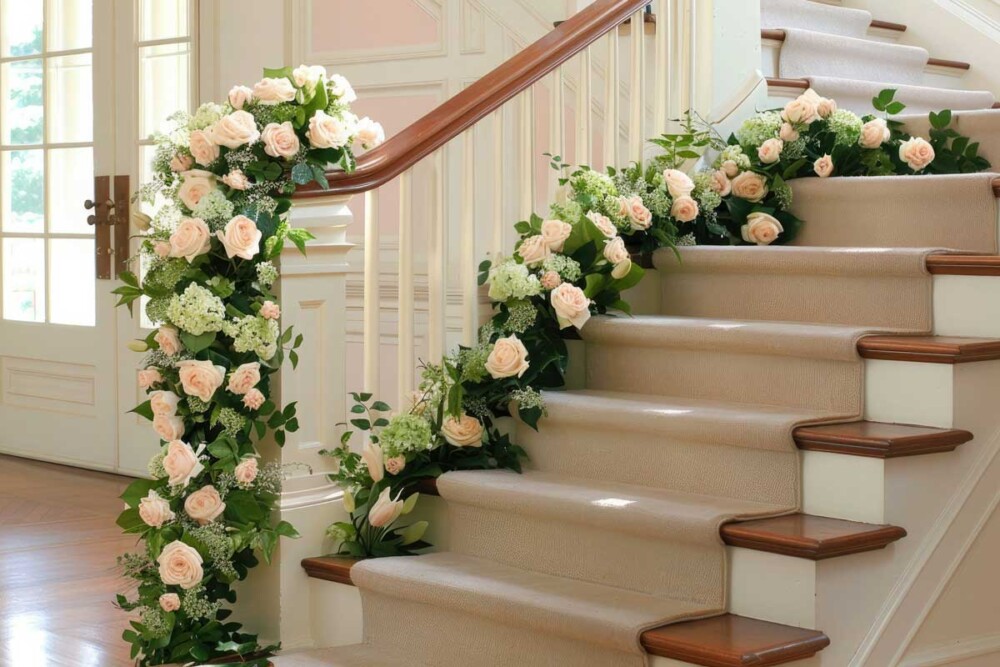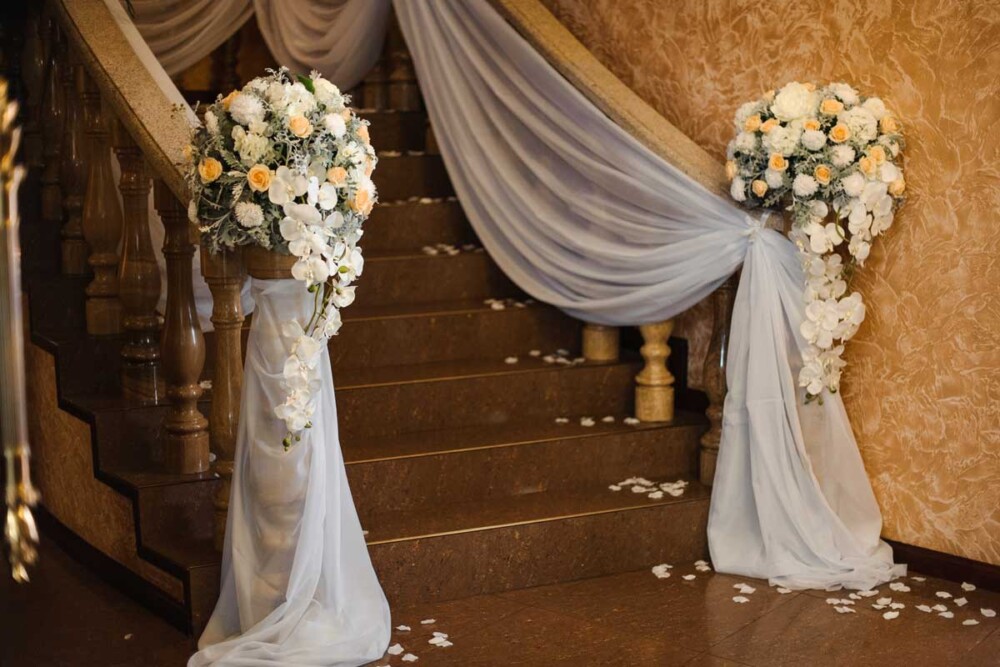
how to decorate wedding railing

How to decorate a wedding railing: tips and inspiration for an elegant decoration

Decorating a railing for a wedding is a detail that can make the difference, adding a touch of elegance and refinement to any location. Whether it’s a church, garden or villa ceremony, the choice of materials and style of decoration can transform the atmosphere and make the event even more memorable. How to decorate a wedding railing? Manifattura Foderami Cimmino reveals the best advice and inspiration, with particular attention to the choice of materials, decorative styles, production techniques and current trends.

Choice of materials for the decoration of a railing

The choice of materials and fabrics for event fittings is crucial to achieve a harmonious and impactful result. Each material has unique characteristics that can affect the aesthetics and functionality of the decoration. The fabrics and individual decorations must be carefully chosen for the desired effect, which is elegant and in line with the style chosen for this day.

Decorate wedding railing

Fresh flowers: which to choose and how to use them

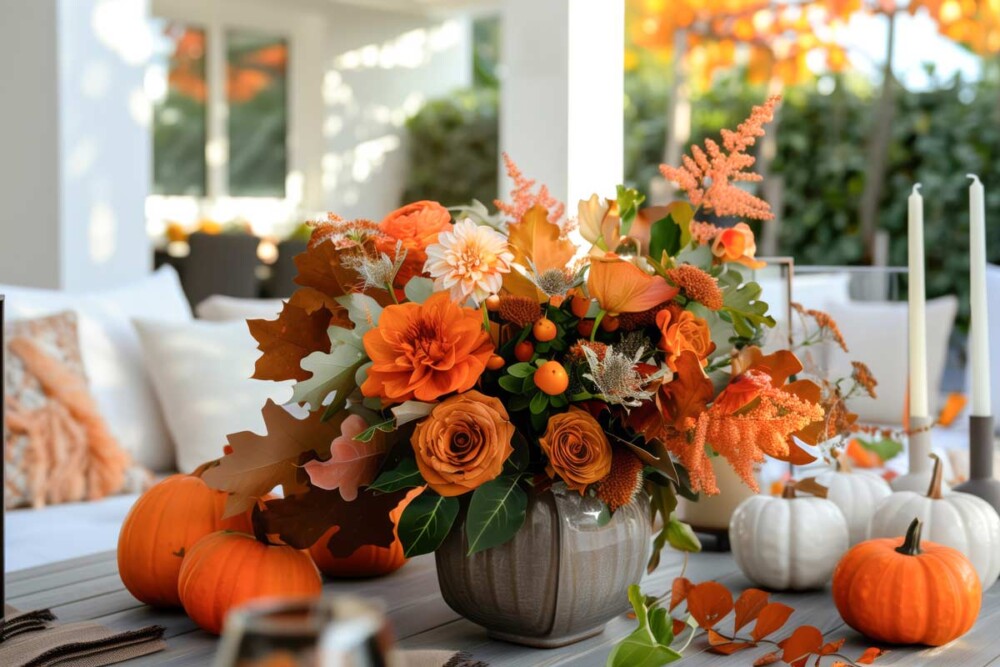
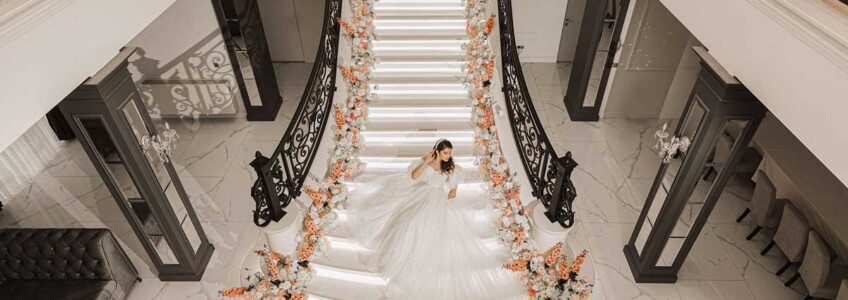
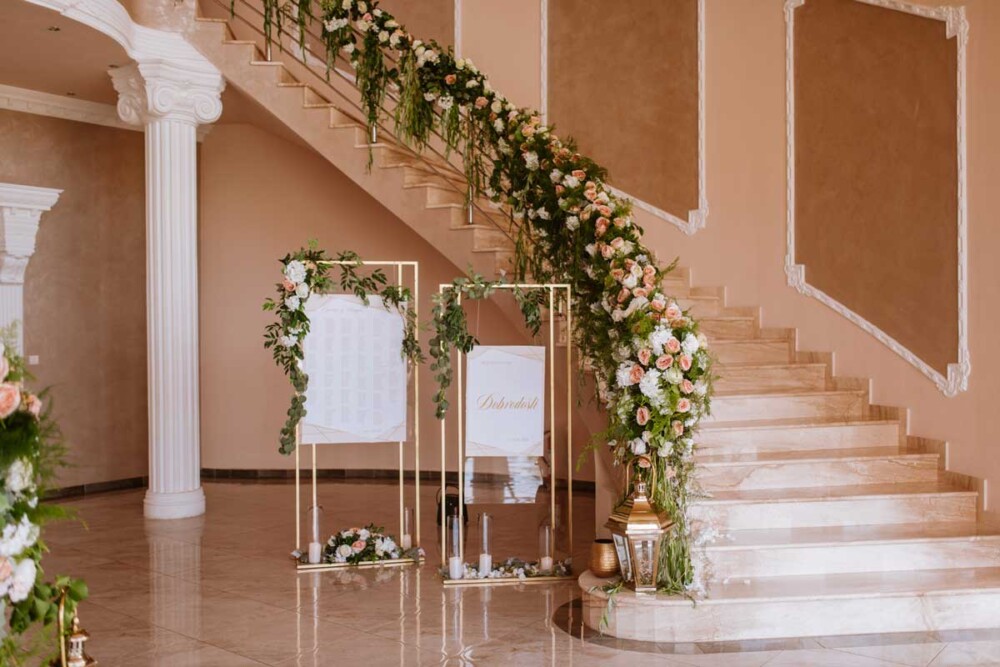
Fresh flowers are a timeless classic in wedding decorations. For a railing, it is important to choose flowers that do not wither easily, such as roses, peonies or lilies. These flowers not only add colour and fragrance, but can be combined with green leaves and branches to create voluminous and romantic compositions. For an even more sophisticated effect, you can use monochrome flowers, perhaps in shades that recall the theme of the wedding.

Ribbons and tulle: elegance and simplicity

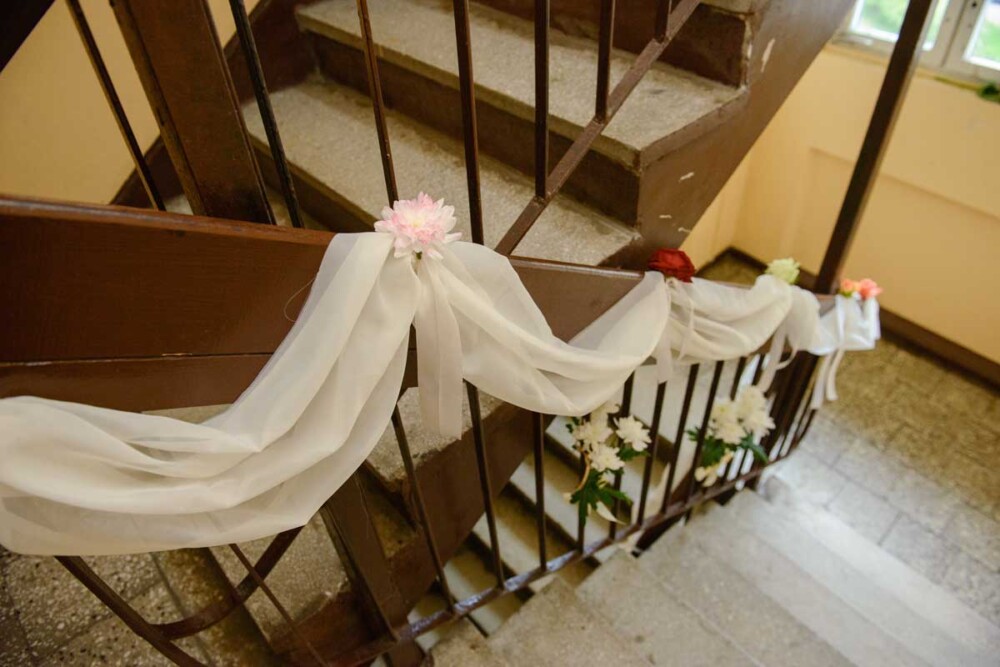
The satin duchessa and tulle ribbons are versatile materials that give lightness and movement to the decoration. Tulle, available in a wide range of colours, can be draped along the railing to create an ethereal and dreamy effect. Satin ribbons can be used to tie flowers or create decorative bows. The combination of these two materials is ideal for those who want a refined but simple decoration.

Decorative lights: add a magical touch

Decorative lights, such as LED string lights or candles, can turn a railing into a magical element, especially if the ceremony takes place at sunset or in the evening. The lights can be interlaced with flowers and tulle, creating a sparkling and romantic effect that captures the attention of guests.

Wedding railing decoration

Ideas for the Decoration of the Railing

Each location has its own unique characteristics, which should be considered when choosing the decorative style of the railing. Here is a quick overview of the different locations where you can find a railing to beautify in the appropriate way for such an important day.

Decorations for a railing in the church

In a church, where the atmosphere is already solemn and sacred, it is advisable to opt for sober but elegant decorations. White flowers, tulle and ribbons in neutral tones are perfect to enhance the beauty of architecture without being excessive. The use of candles can add a touch of warmth and coziness.

Ideas for garden or outdoor railings

For a wedding in the open, like in a garden, you can dare more with colors and materials. Brightly coloured flowers, vines and decorative lights are ideal for creating a festive and natural atmosphere. You can also consider the use of rustic elements such as twine or jute for a more casual and informal effect.

Decorations for railings of villas or interiors

Villas or prestigious interiors require a decoration that is equal to the elegance of the location. In these cases, richer materials such as velvet ribbons, organza, exotic flowers and sophisticated lights can be used. The colour combinations should reflect the style of the villa, perhaps playing with gold or silver tones for a luxurious effect.

Decorated wedding railing

How to make the decoration of a wedding railing

To achieve a perfect decoration, it is important to follow some key steps. Here is a simple step-by-step guide to beautify your railing for the wedding day with extreme elegance.

Preparation of the necessary materials and tools

Before you start, make sure you have all the materials and tools you need to decorate with the best fabrics for ceremonial settings: fresh flowers, ribbons, tulle, decorative lights, scissors, iron wire and hooks for fastening. Preparation is essential to avoid interruptions during the production.

Secure and durable fastening techniques

To ensure that the decoration remains intact throughout the duration of the ceremony, it is important to use secure fastening techniques. Hooks and wire can be used to securely fasten flowers and ribbons to the railing. Make sure everything is firmly set, but without tightening too much, to avoid damaging the materials.

Tips for a symmetrical and balanced decoration

Symmetry is essential for a harmonious decoration. Start at the center of the railing and move to the ends, making sure that the two sides are balanced. Use flowers and ribbons in similar quantities on both sides and check the set frequently for corrections.

Wedding railing decoration

Inspirations and current trends for events and weddings

Every year brings new trends in the world of weddings, and the setting up of the railing is no exception. Minimalism continues to be a popular trend, with decorations that focus on a few well-chosen elements. Simple flowers, neutral tones and clean lines are perfect for those who love sobriety and elegance.

The floral trends of next season see the return of wild flowers and asymmetrical compositions. The use of local and seasonal plants is highly appreciated, both for their aesthetic impact and for the attention to sustainability.

Color combinations are also essential to create visual harmony. Bold colour combinations are expected in 2025, such as navy blue with gold or emerald green with powder pink. Materials also play a key role: the contrast between matt and glossy elements is particularly trendy.

Decorating a wedding railing requires attention to detail, careful choice of materials and an eye for current trends. Following these tips and choosing the best fabrics online on the Cimmino website, you can create a decoration that will leave an indelible memory in the hearts of the bride and groom and their guests.

scenography textiles

Fabrics for theatrical scenography: complete guide to the choice of the best materials

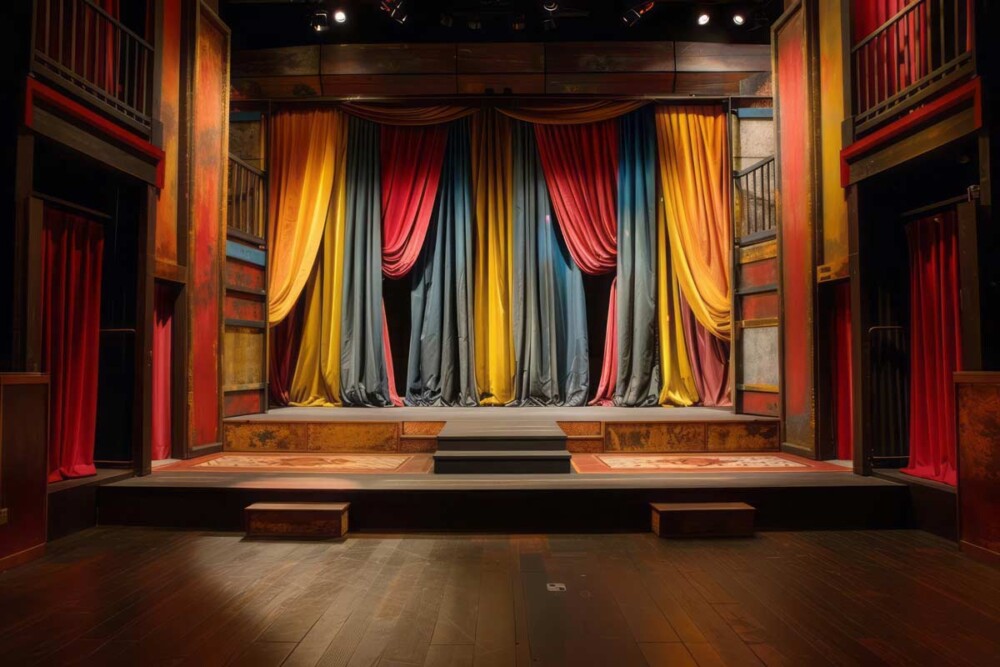
In the world of theatre, scenography plays a key role in creating the atmosphere and immersing the audience into the setting of the story. Choosing the right fabric for stage sets is crucial to ensuring that every show is visually appealing and functional. In this complete guide to Manifattura Foderami Cimmino, we will explore the various types of fabrics available, their characteristics, and how to choose the best material for your theatrical needs.

Scenography fabrics: how to choose the ideal materials for each scene

When you think of a theatrical set, you immediately think of painted backdrops, but often, especially in the case of opera, textiles come into play, The Festival of Music is a very important event in the world of cinema. There are several types of fabrics to be used for the theatre: here are the main ones.

Textiles for scenography

Natural fabrics

Natural fabrics, such as cotton and linen, are highly valued for their breathability and versatility. They are easy to dye and decorate, ideal for a variety of scenic applications.

Cotton is known for its softness and ability to absorb colors, while linen offers a rougher texture and greater strength. Both are perfect for backdrops, curtains and other scenic elements that require a natural look.

Synthetic fabrics

Synthetic fabrics, such as polyester and nylon, offer superior durability and strength. They are often used in sets that require lightweight, easy-to-clean fabrics.

Polyester is resistant to creases and keeps the colors bright over time, while nylon is extremely robust and suitable for scenography that requires strong tensile strength.

Mixed fabrics

Mixed fabrics combine the best qualities of natural and synthetic fabrics. For example, a cotton-polyester blend can offer the softness of cotton with the durability of polyester.

These fabrics are ideal for applications that require both comfort and resistance, such as theatrical costumes or scenic curtains that must withstand frequent wear.

scenography fabrics

Characteristics of the scenography fabrics

What are the properties required of a fabric that can be used to create excellent scenographies? Here are the features to be preferred.

Resistance and durability

The strength and durability of scenographic fabrics is essential to ensure that they can withstand intensive use and frequent handling. Choosing materials that do not tear easily and retain their shape is crucial for lasting scenography.

Ease of Handling and Sewing

A good scenographic fabric must be easy to cut, sew and manipulate. This allows for quick modifications and adaptations, ensuring that the set can be easily assembled and disassembled.

Visual and tactile effects

The fabrics chosen should contribute to the desired visual effects, offering textures and colours that enrich the scenic setting. In addition, the tactile sensation of textiles can influence audience perception, adding a level of depth to the theatrical experience.

Security certifications

Safety is a crucial aspect in the theatre. It is important to choose fabrics that are certified flame retardant, to prevent fire risks and ensure the safety of actors and the public.

Textiles scenography theater

How to choose the right fabric for your set design

Those who are concerned with creating the perfect set design know how many steps are necessary to find and install the fabrics that make up it. Here are the factors to consider before buying fabrics for scenography and show.

Assessment of the needs for scenography

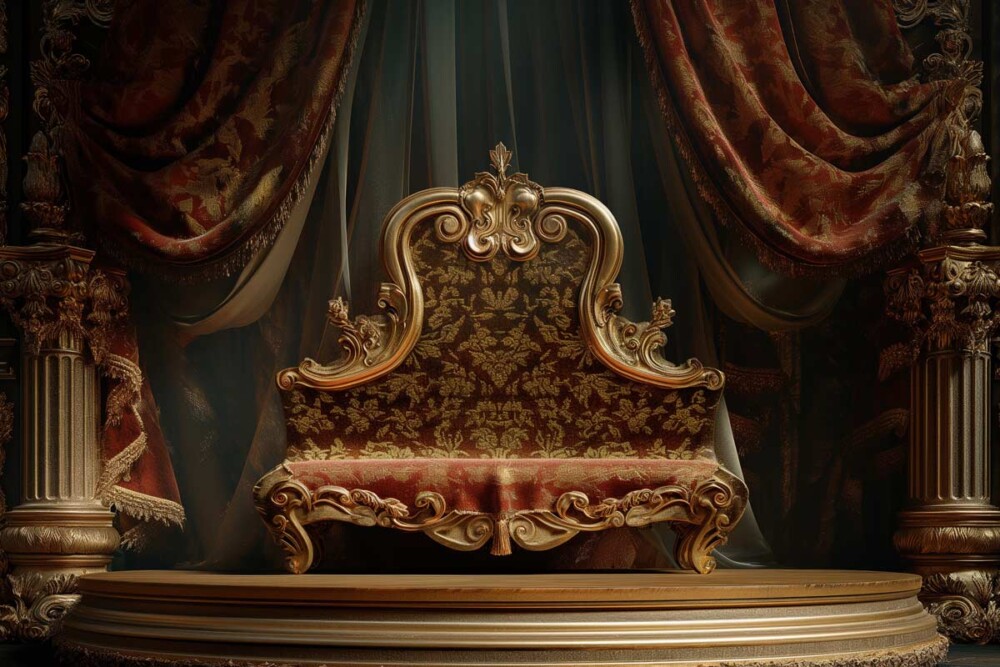
Before choosing a fabric, it is essential to evaluate the specific needs of your scenography. Consider the setting, theme of the show and conditions of use to determine which type of fabric is most appropriate: For the settings of the past are widely used brocade fabrics, for example, which immediately return the image of a noble and luxurious context.

Considerations on the budget

The budget is a determining factor in the choice of fabrics. You can find high quality options at various price levels, but it is important to balance the cost with the durability and effectiveness of the material chosen.

Where to buy quality fabrics

To obtain high quality scenographic fabrics, it is advisable to contact specialized suppliers, such as Cimmino. Buying from an experienced company can guarantee access to materials that meet all technical and artistic needs.

fabric set

Maintenance and care of scenographic fabrics

The fabrics used for the creation of the scenographies need a special treatment, which allows them to be always perfect at the moment of the show.

Cleaning and storage

Regular cleaning and proper preservation of the scenographic fabrics are essential to keep them in excellent condition. Following the manufacturer’s washing and storage instructions helps to prolong the life of fabrics and preserve their appearance.

Repairs and replacements

Even with the best care, the scenographic fabrics can be damaged over time. It is important to know how to make quick repairs and when you need to replace materials to maintain the quality of the set design.

curtain

Scenographic backdrops in fabric: creative solutions for the theatre

How are the fabrics used in theatre? Here are the different ways in which textile elements are used to create everything that is part of the scenography.

Backgrounds and Backdrops

The backdrops and backgrounds are key elements of any theatrical set design. Using appropriate fabrics, you can create realistic and engaging backgrounds that enhance the setting of the show.

Draperies and Curtains

Draperies and curtains add depth and dynamism to the scenography. Choosing fabrics with the right weight and draping can make a difference in creating elegant and impressive scenographies.

Costumes and Accessories Scenographic

Scenographic fabrics are not limited to static elements. Costumes and accessories made from appropriate materials help to create credible characters and enhance the overall visual impact of the show.

Choosing the right fabrics for theatrical sets is a combination of creativity and attention to quality: Rely on the experience of those who know well the properties of each textile fiber and choose Cimmino fabrics for a show of considerable aesthetic impact.

tessuto viscosa

What is viscose: origin, production and uses of this versatile fiber

Viscose is one of the most versatile and appreciated textile fibers, thanks to its unique characteristics and its wide range of applications. But what exactly is viscose? Where does it come from and how is it produced? Together with Manifattura Foderami Cimmino we discover the origin, production and uses of this extraordinary fiber.

viscose fabrics

What material is viscose: characteristics and properties

Viscose is an artificial textile fibre. One of the main characteristics of viscose is its ability to imitate the look and feel of natural fibers such as silk, cotton and wool. It is soft to the touch, breathable and comfortable to wear. In addition, viscose has a good moisture absorption capacity, which makes it ideal for summer clothing and underwear.

Viscose is also known for its brilliance and shine, which give the fabrics a stylish and refined look. However, it tends to shrink or deform if not treated properly.

viscose fiber processing

How to use viscose: in what areas it is used

The versatility of viscose allows its use in a wide range of industries. First, it is widely used in the fashion industry for the production of clothing, including dresses, shirts, skirts, and pants. Its softness and lightness make it particularly popular for summer clothes and underwear.

In addition to fashion, viscose is also used in the furniture industry for the production of upholstery fabrics, curtains and household linen. Due to its ability to imitate silk, it is often chosen for making high-quality furnishing fabrics.

Viscose is also used in the production of technical and industrial fabrics, such as filters and non-woven fabrics, thanks to its absorbent properties and its ability to resist chemical agents.

The best fabrics in viscose

Within the always updated catalog of Cimmino fabrics, here are the best fabrics in which viscose fiber is present.

Crine Francoforte

Crine Francoforte is a fabric with mixed viscose and cotton wefts, able to imitate the performance of the ponytail. It is made of 77% viscose and 23% cotton. This fabric is ideal for linings and for different types of interlining thanks to its robustness.

Crine Francoforte

Fresco Valentina Extra

Fresco Valentina

Fresco Valentina Extra is a fabric composed of 65% polyester and 35% viscose. It is ideal for the realization of suits and suits classic and/ or work both for men and women. The dark shades of the fabric make it perfect for formal wear. Its lightness and breathability provide exceptional comfort, keeping the skin cool even on the hottest days.

Tela Vaticana Polyvis

Tela Vaticana Polyvis is a fabric made of viscose and polyester, mainly used for formal and liturgical clothing. Its composition makes it resistant to folds and able to maintain the shape, ideal for the realization of vestments and sacred tunics. It is appreciated for its durability and the always flawless look that it gives to the garments.

tela vaticana polyvis

Tessuto Elastico Rebel

tessuto elastico rebel

Tessuto Elastico Rebel is composed of 63% polyester, 34% viscose and 3% elastane. This fabric is ideal for the production of tight and comfortable garments thanks to its elasticity in both directions. With a height of 140 cm and a weight of 240 gr/ mtl, the Elastic Fabric Rebel is perfect for sports garments, leggings and tight clothing, ensuring a perfect fit and great freedom of movement.

Tessuto Tasmania

Tessuto Tasmania is a high quality fabric made of viscose, wool and polyester. With a composition that offers softness and warmth, this fabric is perfect for winter clothing such as coats and jackets. Its ability to retain warmth and luxurious feel on the skin make Tasmania fabric ideal for those looking for stylish and comfortable garments during the cold season.

tessuto tasmania

Mirella Mano Lana fabric

tessuto mirella mano lana

Tessuto Mirella Mano Lana è un tessuto che combina viscosa, elastan e poliestere per offrire una sensazione morbida e calda. Perfetto per capi autunnali e invernali, questo tessuto è ideale per la realizzazione di abiti eleganti, gonne e giacche. La sua capacità di mantenere il calore, insieme alla sua morbidezza, lo rende una scelta eccellente per chi cerca stile e comfort durante i mesi più freddi.

Elastic Fabric Priscilla

Tessuto Elastico Priscilla is composed of 73% viscose, 22% polyamide and 5% elastane. This fabric combines comfort and style thanks to its softness and elasticity, making it perfect for versatile garments suitable for any occasion. With a height of 145 cm and a weight of 255 gr/mtl, the Elastic Fabric Priscilla is ideal for making clothing that requires a snug and comfortable fit.

tessuto elastico priscilla

Piuma Viscosa

piuma viscosa

Piuma Viscosa is a lightweight linings fabric, with a glossy finish and a silky touch. It is made of 100% viscose, which makes it ideal for lining elegant garments such as skirts, jackets, trousers and coats. Certified OEKO-TEX® STANDARD 100, this fabric guarantees high quality and safety. It has a height of 140 cm and a weight of 92 gr/mtl, offering a combination of lightness and resistance perfect for the most refined tailoring needs.

Panno Tavolo Melton

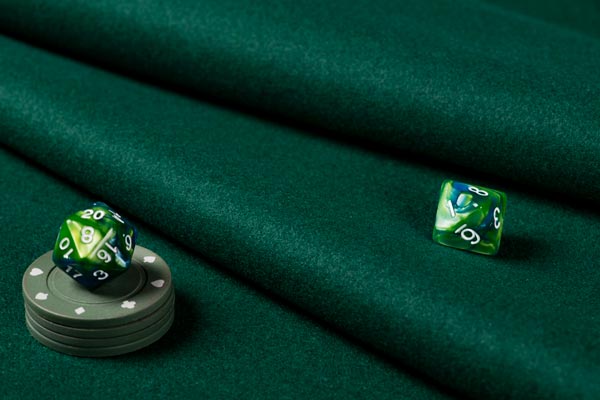
Panno Tavolo Melton is a fabric composed of 85% Polyester and 15% Viscose, known for its strength and resistance. With a height of 150 cm and a weight of 470 gr/mtl, this cloth is ideal for the production of tablecloths and table covers. Its thickness and durability make it perfect for home and professional use, offering a stylish look and effective protection for tables.

Panno tavolo Melton verde

Saglia Gold

Saglia Gold

Saglia Gold is made of 100% viscose and stands out as a lightweight but sturdy lining, with silky and fluid hand. Ideal for lining of skirts, dresses and jackets. It is also used for fittings and decorations.

Viscose is an incredibly versatile fiber with a wide range of applications. Whether it is clothing, furniture or technical fabrics, viscose offers comfort, elegance and functionality. Explore our selection of viscose fabrics online to find the perfect material for your creative and practical needs.

women’s parea fabrics

The best fabrics for women’s sarong coverings and trends 2024

As summer approaches, the choice of the 2024 sarong costume cover becomes a priority for those who want to be fashionable on the beach. Manifattura Foderami Cimmino recommends the best fabrics for women’s sarongs coverings and the 2024 trends sarongs coverlet to help you make the perfect choice.

Most popular fabrics for coverup pareos

With the approach of summer and days at the beach, choosing the right fabric for your beach robe becomes essential to ensure comfort and style. There are different materials to choose from, each with unique characteristics that can affect your experience at the sea.

Chiffon

The chiffon is a transparent and light fabric, known for its fluidity and softness to the touch. Thanks to these features, it is very easy to drape, making it an excellent choice for women’s beach robes. The main advantages of chiffon include its elegance and the ability to give a sophisticated look, perfect for beach evenings.

Marinella Chiffon fabric

The Chiffon Marinella is a transparent veil fabric in canvas armor, characterized by a soft hand and extremely light but durable. Thanks to its versatility and elegance, it is perfect for packaging a variety of refined and fashionable feminine garments.

chiffon Marinella

The Chiffon Marinella is ideal for creating women’s evening dresses, blouses, elegant blouses, scarves, stoles, elegant beach pareos and bedding. Its transparency and lightness add a touch of sophisticated delicacy to every garment.

Glitter Chiffon Fabric

chiffon glitter

The Glitter Chiffon is a shiny transparent veil fabric, characterized by a soft hand, extreme lightness and resistance. This material, thanks to its sparkling reflections, adds a touch of glamour and sophistication to every creation.

The Glitter Chiffon is ideal for the packaging of women’s evening dresses, blouses, blouses, coverovers and elegant scarves. Its transparency and shiny details make it perfect for creating beach pareos that want to stand out for elegance and brightness, suitable for both special occasions and evening events.

Cotton

Cotton is a natural fabric widely used in women’s pareo fabrics for several reasons. It is breathable and lightweight, features that make it ideal for hot summer days. In addition, it is easy to wash and maintain, which makes it practical for frequent use. Another advantage of cotton is its convenience, which makes it accessible to a wide audience. There are several types of cotton used in sarongs, including lightweight cotton, organic cotton and wide-woven cotton, each with its own peculiarities that can meet different needs and preferences.

Fabric Batista Lietta

Batista Lietta is a lightweight cotton canvas with a soft hand, ideal for a wide range of applications thanks to its versatility and comfort. The combination of polyester and cotton makes it particularly durable and practical for different uses.

fabric batista lietta

The Batista Lietta is perfect for making women’s clothing and accessories, summer sarongs, nightshirts and children’s underwear. Its lightness and softness make it ideal for home decor projects and fabrics for children, offering comfort and delicacy on the skin.

Voile Harmonia fabric

voile harmonia fabri

Voile Harmonia Fabric is an extremely light cotton fabric, similar to a veil, which stands out for its softness and freshness. This fabric is ideal for making light underwear, women’s pareo sea and summer shirts, ensuring comfort and breathability.

Its lightness and softness make it also suitable for fabrics for children and for applications in the medical sector, where comfort and freshness are essential.

Linen

Linen is known for its freshness and ability to keep the body cool even on the hottest days, making it an excellent choice for pareos. This fabric offers many benefits: it is very breathable, natural and sustainable, and at the same time durable and durable. Matching a beach linen sarong is simple and versatile. It goes perfectly with straw accessories, is ideal with summer sandals and can be combined with tops in natural fabrics for a casual and chic beach wear.

Fabric Linen Clothing

The Linen Fabric Clothing is the ideal choice for those looking for a fresh and versatile material, perfect for the packaging of summer garments with fluid lines. Thanks to its composition in 100% linen, this fabric offers excellent breathability and comfort, making it suitable for a wide range of applications in the clothing industry.

linen fabric

Its light texture and ability to keep the body cool make it ideal for a sea sarong, ensuring an elegant and comfortable look.

Beach pareo trends and costume covers 2024

Sea fashion 2024 sees a return to bright colors and exotic prints. The 2024 fashion costume covers feature bold designs, with details such as fringes, embroidery and sustainable fabrics. The 2024 swimsuit cover trends include tropical patterns, fluorescent colors and lightweight yet durable fabrics, such as organic cotton and linen: they follow the 2024 swimsuit trends in patterns and color shades.

sarong

How to choose the perfect swimsuit cover

How to choose a headdress for the summer? Choosing the perfect costume covering sarong may seem like a challenge, but with some practical tips you can find the ideal option that will enhance your figure and adapt to different summer occasions. Considering your body type and the context in which the sarong will be worn are fundamental factors to make a conscious and fashionable choice.

Consider your own body type

Considering your body type is crucial to choosing the perfect sarong costume cover. If you have an hourglass shape, it is advisable to opt for women’s sarongs that highlight the waist, such as those with belts, which highlight your natural curves. If you have an apple shape, the ideal is to choose wide women’s parea that do not adhere too much to the body, so as to create a harmonious and balanced effect. For pear shapes, it is preferable to opt for pareos that draw attention to the upper body, perhaps with bright details or colors, diverting attention from the hips and balancing the overall silhouette.

chiffon sarong

Occasions and places

Choosing the right pareo depends very much on the occasions and places where you will wear it. For a day at the beach, they are ideal for light summer sarong fabrics such as cotton or chiffon, easy to wear and take off and perfect for a practical but fashionable look. If you are attending a pool party, opt for women’s silk or chiffon parei with elegant details that add a touch of sophistication to your outfit. For a stroll along the waterfront, linen is the perfect choice, offering a casual but chic look that will allow you to feel comfortable and stylish at the same time.

Choosing the right fabric for your pareo is essential to feel comfortable and fashionable during the summer. Whether you prefer the lightness of chiffon, the refinement of silk, the practicality of cotton or the freshness of linen, the important thing is to find, among the proposals of Cimmino fashion sea fabrics, the fabric that best suits your needs and fashion trends sea 2024.

menswear

Men’s ceremony dresses: how to choose the fabric

Choosing the right fabric for a men’s ceremony dress is crucial to ensure style, comfort and durability. Manifattura Foderami Cimmino guides you through the various types of fabrics available, their characteristics and advises you how to choose a formal dress for men that best suits your needs.

Types of fabrics for men’s ceremonies

When it comes to choosing the ideal fabric for men’s ceremony dresses, it is crucial to consider the distinctive features of each material. Each classic fabric offers specific advantages in terms of aesthetics, comfort and practicality, and the right choice can make the difference between men’s clothing for ceremonies that stand out and others that go unnoticed. Here are the main types of natural and synthetic fabrics used in the making of men’s clothing for ceremonies, their properties and their ideal use.

menswear

Wedding dresses for men: natural fabrics

Natural fabrics have always been the preferred choice for those looking for elegance and comfort in men’s wedding dresses. Made with fibers obtained directly from natural resources, these fabrics offer breathability, softness and a pleasant feeling on the skin. In addition, natural fabrics are often synonymous with high quality and durability, the ideal choice to make elegant men’s wedding suits.

Wool

Wool is one of the best fabrics for men’s formal wear, thanks to its versatility and ability to maintain shape. It is ideal for cold seasons and for men’s evening dresses, as it provides warmth while remaining breathable.

Clothes man ceremonies? Discover the Vigogna Pura Lana Ileana fabric

Cotton

Cotton is another popular natural fabric, appreciated for its lightness and comfort. It is perfect for summer ceremonies, as it allows the skin to breathe and absorbs moisture.

Discover how to make a men’s dress ceremony with the fabric Canvas Cotton Sorrento

Linen

Linen is the summer fabric par excellence. Extremely breathable and lightweight, it is ideal for a men’s ceremony suit in warm climates. However, it tends to crease easily, so it is important to consider the occasion and the intended use for linen clothing.

Discover the fabric Lino Clothing also for men’s ceremony dresses.

formal suit man

Synthetic fabrics for men’s formal dresses

Synthetic fabrics represent a valid alternative to natural materials, offering a series of unique advantages in creating a complete man wedding. Created through chemical processes, these fabrics are designed to be durable, durable and often more affordable. Thanks to modern technologies, synthetic fabrics can imitate the aesthetic and functional properties of natural fabrics, while ensuring greater ease of maintenance.

Polyester

Polyester is a durable and durable synthetic fabric. It is often used in combination with natural fibers to improve endurance and reduce creases in evening men’s clothing. However, it is not very breathable, so it is better to avoid it in the summer months.

Discover the Burlington fabric

Viscose

Viscose, also known as rayon, is a synthetic fabric that mimics the characteristics of silk. It is soft to the touch and offers good draping ability, making it ideal for elegant fabrics for men’s evening dresses.

Discover the fabric Elastic Rebel

suits man

Features of fabrics for men’s ceremony dress

When choosing a fabric for a men’s formal dress, it is crucial to consider not only the aesthetic appearance, but also the functional features that will affect the comfort and durability of the man wedding dress or for other event. Each fabric has unique properties that can make it more suitable for certain situations or personal needs.

Breathability

Breathability is crucial to ensure comfort during prolonged use of a garment, as in the case of a man’s wedding dress. Fabrics such as linen and cotton are highly breathable, while synthetic fabrics tend to retain more heat.

Resistance

Resistance is fundamental for men’s wedding dresses that must maintain shape and appearance over time. Wool and polyester are known for their durability, while cotton and linen may require more frequent care.

Comfort

Comfort is essential for men’s wedding dresses. The choice of tissue should take into account personal preferences and skin sensitivity. Natural fabrics such as cotton and wool are generally more comfortable than synthetics.

menswear

Men’s wedding dress: fabrics for different seasons

The choice of fabric for ceremonial men’s suits should also take into account the season in which the event will take place. Each season presents different climatic conditions that require specific fabrics to ensure comfort and adequate breathability.

Men’s ceremony suit: Summer fabrics

During the summer months, the choice of fabric dresses for men’s ceremony becomes crucial to ensure freshness and comfort. High temperatures require light and breathable materials that allow you to maintain a feeling of freshness even on the hottest days.

Linen

Linen is perfect for summer men’s ceremonial clothes thanks to its lightness and breathability.

Light cotton

Lightweight cotton is ideal for men’s formal wear in summer, as it offers comfort and freshness even on the hottest days.

Winter dress ceremony

Men’s formal dress: Winter fabrics

During the winter months, the choice of the right fabric for men’s ceremony dress is crucial to ensure warmth and comfort without sacrificing elegance. Low temperatures require materials that offer thermal insulation and maintain a feeling of warmth.

Wool

Wool is ideal for a men’s dress for ceremony in the winter months, thanks to its ability to insulate heat while maintaining breathability.

Tweed

The tweed is a strong and warm fabric, perfect for men’s winter ceremony dresses. It offers a classic and sophisticated look.

man dress

Dress for men ceremony: how to choose the right fabric

Choosing the right fabric for men’s wedding dresses or other events is a crucial decision that affects not only the aesthetic appearance, but also the comfort and practicality of the garment. There are several factors to consider to make the best choice, including the occasion, the season and personal preferences.

Consider the occasion

Formality and type of ceremony are crucial in the choice of fabric. For very formal events, requiring a proper evening dress for men, fine fabrics such as wool or silk are preferable, while for less formal ceremonies, cotton and linen may be appropriate for a male formal dress.

Adapt to the season

The season of the event directly affects the choice of fabric for men’s ceremony suits. Summer fabrics for men’s ceremony dresses like linen and cotton are ideal for warm temperatures, while wool and tweed are best for winter.

Personal preferences and comfort

Personal preferences and comfort should not be overlooked. It is important to choose a fabric for men’s ceremony dresses that will make you feel comfortable and reflect your personal style.

Choose the right fabric for a complete ceremony man requires attention to detail and an understanding of your needs and occasion. That you are looking for a men’s dress for ceremony made with Italian fabrics or prefer more international options, the key is to find a balance between style, comfort and practicality and choose the fabrics for ceremony dresses selected by Manifattura Foderami Cimmino.

fabrics for beach towels

Sea Cloth Fabrics: A Complete Guide to Choosing Between Sponge, Microfiber, and Bamboo

Choosing the right fabric for a beach towel isn’t a minor detail: it’s the decision that determines comfort under the sun, durability, and the satisfaction of those who use that towel every day, from the first dip in June to the last bath in September. The fiber with which a beach towel is packaged directly affects absorption capacity, drying speed, wash resistance, weight in the bag, and feel on the skin.

Manifattura Foderami Cimmino analyzes in depth each family of fabrics destined for the production of beach towels, from traditional cotton sponge to modern microfiber, with a technical yet accessible approach, designed for tailors, packagingists, hospitality operators and conscious consumers.

terry beach towel

Cotton terry beach towel: the timeless classic

The cotton sponge represents the historical reference point in the landscape of beach towel fabrics. Its double warp structure, with a bottom warp forming the backbone of the fabric and a hedgehog warp forming the ringed surface, gives it an absorption capacity that remains unsurpassed among natural fibres intended for the seaside sector. The bottom warp is worked at a higher tension than the hedgehog warp; this, combined with soft-twist cotton yarns, allows the fabric to retain large amounts of water and restore a soft, enveloping feel upon contact with the skin.

Sponge weight: the decisive technical parameter

Weight, expressed in grams per square meter (g/m2), is the most important indicator for assessing the quality of a sponge. A higher basis weight indicates a thicker, more absorbent fabric that is more resistant to repeated washing, but also heavier and with longer drying times.

Below 300 g/m2 the sponge fabric is light and compact, suitable for frequent travellers. Between 350 and 420 g/m2 is the medium quality range, the most common for everyday beach towels: excellent absorbency, soft hand, good balance between weight and performance. Above 500 g/m2, you enter the premium segment, with sheets with maximum water retention capacity, designed for spas, resorts and professional use in the hotel industry. The choice of weight must be calibrated to the intended use: a travel bag cover requires lightness, a beach resort cover requires resistance to hundreds of washing cycles.


Spugna Cotone

Soft to the touch and generously absorbent, the Spugna Cotone by Manifattura Loderami Cimmino is a 100% pure cotton fabric designed for those who make superior quality beach towels. Weighing 331 gr/sqm, this combined sponge ensures quick drying and a feeling of enveloping comfort even after long hours of beach, sun and saltiness.

Spugna Cotone

Hydrophilic cotton hedgehog construction effectively retains moisture, while the 145cm height allows for versatile cuts for beach towels of various sizes, from compact towels to more generous sun loungers. The non-stretch, full-handed fabric maintains shape and softness wash after wash, a key feature for products intended for intensive use in the summer season.


Spugna Nido d’Ape Marta

Spugna Nido D'Ape Marta

With its characteristic honeycomb workmanship, the Spugna Marta by Manifattura Foderami Cimmino represents a light and refined alternative to the traditional hedgehog sponge for the packaging of beach towels. Made from 100% pure cotton, this sponge stands out for its hexagonal cell weave that creates a breathable, quick-drying surface, two crucial qualities for those who spend long days between the beach and the pool.

Weighing 267 gr/sqm and 150 cm tall, the Spugna Marta offers an ideal balance between absorbency and lightness: it effectively retains moisture but is less bulky than the higher-weight hedgehog sponges, reducing bulk and weight in the duffel bag. The honeycomb structure also promotes better air circulation through the fibers, allowing the cloth to dry more quickly even in conditions of high coastal humidity.


Spugna Extra

Thick, full-bodied and generously soft-handed, the Spugna Extra by Manifattura Loderami Cimmino is a 100% pure cotton fabric that brings the comfort typical of high-end bathroom linens to the beach. With a weight of 310 gr/m2, this sponge is placed in the band of high-quality sponges and returns a full, enveloping texture to the touch.

Spugna Extra

The high absorbent capacity of cotton wool allows for quick and effective drying after bathing, while the compact fabric structure resists the wear typical of bathing use resulting from sun exposure, contact with sand, salt and chlorine, maintaining softness and integrity even after frequent washing. The 150cm height lends itself to flexible cuts, from standard-sized beach towels to larger cot towels.

beach towels for hotels

Polyester beach towel sponge with custom print

The polyester sponge is specifically designed for making bathroom linens with custom prints: the surface ensures superior color rendering in sublimation, allowing you to reproduce logos, graphics and patterns with excellent definition and color fastness. It is the ideal choice for those who produce custom beach towels intended for hotels, beach resorts, events and corporate promotions.


Spugna Poly Riccioblock®

Spugna Poly Riccioblock

Designed to stand where traditional cotton shows its limits, the Spugna Poly Riccioblock® by Manifattura Foderami Cimmino introduces the technology of the unblemishable weft to the world of beach towels.

Made of 100% polyester, this sponge is designed to keep its structure intact even after intensive and repeated washing cycles, a quality that makes it particularly interesting for those who make sheets intended for bathing establishments, swimming pools, hotels and accommodation facilities where the turnover of use and laundry is high.

With a weight of 300 gr/m2 and a height of 150 cm, the Poly Riccioblock® Sponge offers a soft hand and a good level of absorbency, while still ensuring faster drying times than natural fibre sponges. Polyester, by its nature, retains less residual moisture between the fibers, allowing the sheet to return dry and ready to use in a short time, a real advantage on busy beach days, when the sheet is wetted and reused multiple times.

microfiber beach towel

Microfiber beach towel: light weight and quick drying

Microfiber fabric is composed of ultra-thin synthetic fibers, with a titer equal to or less than 1 Dtex, i.e. 10,000 meters of fiber in a single gram of weight, generally based on polyester and polyamide. The extreme thinness of the fibers produces a capillary effect that allows the microfiber to absorb up to seven times its own weight in water, releasing it with equally rapidity.

A microfiber beach towel dries in a fraction of the time it takes for a traditional sponge and, once folded, takes up minimal space. The smooth surface prevents sand from sticking, making it a natural ally for those who frequently travel between the beach, pool, and outdoor sports activities. The wrinkle resistance and shape unalterability even after numerous washes complete a technical profile that explains the constant growth of microfiber in the beach towel market.

It should be considered, however, that microfiber is less soft to the touch than cotton and, being a synthetic fabric, tends to heat up under direct sunlight, partially limiting the freshness sensation typical of natural fibers.


Tessuto Microfibra

Ultralight, with very quick drying and minimal bulk once folded: the Tessuto Microfibra by Manifattura Foderami Cimmino is the technical answer for those who make beach towels designed for travellers, sportsmen and accommodation facilities where practicality and fast rotation of garments are absolute priorities.

microfiber fabric

Composed of 80% polyester and 20% polyamide, this fabric exploits the synergy between the two synthetic fibres to achieve a surprising absorbent power compared to the very low weight, of just 166 gr/m2. The height of 180 cm allows for generous cuts for beach towels, cot sheets and large pool towels without wasting fabric, a concrete advantage during the packaging phase.

The microfiber structure captures water by capillary action and releases it just as quickly during drying, allowing the sheet to be ready for use again in a fraction of the time required by natural fibers. A microfiber beach towel also weighs and clutters significantly less in your beach duffel bag.

Bamboo Mixed Sponge: The oeko-tex® certified eco-friendly fabric for sustainable beach towels

The growing focus on sustainability in the textile sector is also reflected in the choice of materials for beach towels. The bamboo blend sponge ensures excellent softness and high absorbency capacity. Bamboo is known for its sustainable properties since the plant grows rapidly without the need for pesticides and the OEKO-TEX® certification certifies that the finished product is safe and free of harmful substances. These characteristics are particularly relevant for beach towels, which remain in direct contact with the body for a long time, and even more so when the towel is intended for children or accommodation facilities that must ensure high sanitation standards.


Spugna Misto Bamboo

Spugna misto bamboo

Spugna Misto Bamboo brings to the beach a combination of performance and sustainability that is hard to find in traditional sponges. The tripartite composition (40% bamboo, 40% cotton, 20% polyester) is designed to combine the best of each fiber: the softness and antibacterial properties of bamboo, the absorbent capacity of cotton, and the structural strength of polyester.

Weighing 260 gr/sqm and 145 cm high, this fabric is lighter and more compact than pure cotton sponges of similar weight, a practical advantage for beach towels that must be transported, folded and easily stored in the beach bag. Bamboo fiber also stands out for its superior breathability and natural ability to regulate humidity, allowing the sheet to dry more quickly in the open air and maintain a feeling of freshness even on the hottest days.

beach towel fabric

Which fabric to choose for beach towel

The table synthesizes the performance of major beach towel fabrics across seven key parameters, facilitating informed choice based on context of use and personal or professional priorities.

ParameterCotton spongeMicrofiberBamboo mixed sponge
AbsorbencyExcellentVery goodExcellent
Drying timeSlowVery fastMedium
SoftnessHighMediumVery high
Weight/BulkHighMinimumMedium
Anti-sandNoYesNo
Resistance washingVery highHighHigh
SustainabilityNatural fiberSyntheticCertified Eco-Friendly
Ideal useBeach, pool, spaTravel, sports, campingHospitality, SPA, B2 B green
beach towel fabric

How to choose beach towel fabric based on use

Choosing the ideal fabric for a beach towel is never universal: it depends on the context of use, personal habits, and the specific needs of the person who will use it. A tarp intended for long days spread out on the sand requires very different characteristics than one designed to fit in a travel backpack or to withstand hundreds of industrial washes in a hospitality facility.
Beach towel and cot

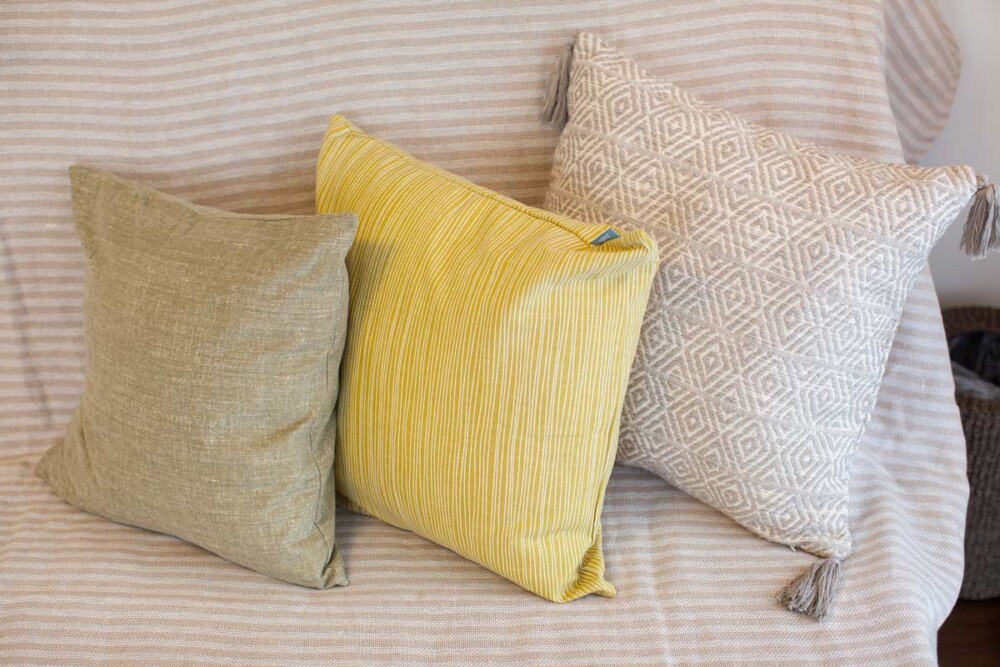
For days spread out on the sand or cot, the priority goes to comfort and absorption capacity. The cotton sponge with a weight between 350 and 420 g/m2 is the best performing choice: soft under the body, highly absorbent after bathing, resistant to daily wear and tear.

Travel and camping beach towel

When weight and bulk matter, microfiber is unbeatable. A microfiber cloth folds into the space of a paperback and weighs a fraction of the size of a sponge cloth of the same size. Very quick drying is a decisive advantage for those who move between locations.

Beach towel for swimming pool, spa and accommodation facilities

In environments where chlorine is present in water, the resistance of the fabric to frequent washing becomes a crucial parameter. The high-weight cotton sponge (400+ g/m2) maintains softness and color even after hundreds of cycles, proving to be the preferred choice for hotels, resorts and beach resorts.

Children’s beach towel

For little ones, choosing the fabric requires extra attention. Natural cotton, both sponge and honeycomb, remains the safest fiber: hypoallergenic, breathable, and gentle on sensitive skin. It is important to check the presence of the OEKO-TEX® Standard 100 certification, which attests to the absence of harmful substances in the finished product.

Custom beach towel for hotels, events and promotions

Those who produce beach towels with custom logos, graphics, or patterns need a fabric that guarantees high color rendering in print. The polyester sponge, with its unsightly weave and optimal surface for sublimation, is designed exactly for this purpose.

sea cloths at the hotel

How to wash and maintain a beach towel without ruining it

The longevity of a beach towel depends largely on proper maintenance. Each fabric has specific needs that, if respected, preserve color, softness and absorbent capacity for many seasons.

Cotton sponge: Shake the cloth to remove sand before washing. Machine wash at 40°C (maximum 60°C for whites) with mild, low-softening detergent, which tends to felt the fibers in excess. The dryer is indicated for the sponge: it restores volume and softness. Avoid bleach on colored sheets.

Microfiber: Wash at 30°C without fabric softener and without bleach. Do not use the dryer, which can damage the structure of synthetic fibers. Hang in the shade; microfiber dries quickly even without direct sun exposure.

Bamboo mixed sponge: wash at 40°C with mild detergent. Bamboo retains its antibacterial properties and softness even after numerous cycles. Avoid too high temperatures and bleach to preserve fiber integrity.

sea towel trends

Summer Trends: Colors, Patterns, and Beach Towel Fabrics

This summer confirms some directions already emerged in previous seasons and introduces new ones. On the textile front, terry cloth returns to the forefront of the best summer fabrics in beachwear, not only in sheets, but even in swimsuits, with a predilection for soft, enveloping weaves.

The summer color palette ranges from bold tones like electric blue, emerald green, vitamin orange, to more delicate colors like butter yellow, bright white, and the neutral shades that accompany the minimalist trend. The patterns that dominate swimwear trends and therefore seaside fashion in general favor graphic motifs inspired by the 1980s, maxi floral prints, nautical lines and high-contrast abstract patterns.

terry beach towels

Seafront fabrics in the Cimmino catalog: for tailors, packaging designers, and hospitality professionals

For over 275 years, Manifattura Foderami Cimmino has supported textile professionals, tailors, packaging designers, artisans, and hospitality professionals with a catalog ranging from cotton sponges to microfibers, from costume linings to printed fabrics for decorated sheets. To receive samples, request personalized quotes, or consult the entire catalog of beach fashion fabrics, visit the Cimmino shop website and discover all the latest news.


FAQ- Frequently Asked Questions about Sea Cloth Fabrics

Which fabric should you choose for an absorbent beach towel?

Cotton sponge with weight from 350 g/m2 ensures the best absorption capacity of all beach towel fabrics.
If absorbency is the top priority, the cotton sponge is the fabric to be favored. Its hedgehog structure retains large amounts of water and is particularly suitable for drying quickly after bathing. Microfiber also offers very high absorbency —up to seven times its own weight— but with a different, less warm and enveloping feel than cotton.

What is the difference between terry cloth and microfiber beach towel?

The sponge favors softness and comfort, the microfiber favors lightness and quick drying.
The cotton sponge is softer, thicker, and offers a warm, enveloping feel on the skin; however, it weighs more and takes longer to dry. Microfiber is ultralight, compact, does not hold sand and dries in a very short time, but the feel is less warm and under direct sun it can feel warmer than cotton.

Cotton or microfiber beach towel: which is better?

It depends on the use. Cotton for comfort and sedentary beach, microfiber for travel, sports and practicality.
There is no universal answer. Those who spend the day at the beach or poolside will prefer the softness of cotton; those who travel, do water sports, or require a lightweight sand cloth will find microfiber the ideal solution. For a compromise, the cotton fouta offers lightness and compactness while remaining a natural fiber.

How to choose the right weight for a terry beach towel?

300 g/mq per viaggiare leggeri, 350-420 g/mq per l’uso quotidiano, oltre 500 g/mq per qualità premium e uso professionale.
La grammatura va scelta in funzione del contesto d’uso. Per un telo da mettere in valigia, una spugna leggera sotto i 300 g/mq è pratica e funzionale. Per l’uso quotidiano in spiaggia o in piscina, la fascia 350-420 g/mq rappresenta il miglior equilibrio tra assorbenza, morbidezza e peso. Per strutture ricettive, spa e uso intensivo, grammature superiori ai 500 g/mq garantiscono la massima qualità percepita e la migliore resistenza ai lavaggi ripetuti.

Are there eco-friendly beach towel fabrics?

Yes. Linen, hemp, organic cotton, and certified bamboo blend sponge are the main sustainable beach towel options.
For those looking for a beach towel with a low environmental impact, the fibres to be favoured are linen, hemp, organic cotton and OEKO-TEX® certified bamboo blend sponges. In the Cimmino catalog, the Spugna Misto Bamboo represents the concrete eco-sustainable proposal, with 40% bamboo fibers and certification attesting to the absence of harmful substances.

swimwear trends

Swimwear Trends 2024: new sea fashion fabrics

Summer 2024 promises to revolutionize the 2024 swimwear industry with vibrant and innovative trends in both colors and fabrics. In this article, we will explore the 2024 sea fashion trends, the 2024 popular swimwear colors, and the cutting-edge technologies that are shaping the innovative fabrics for swimwear.

(more…)