



Sewing a DIY tablecloth is one of the most useful projects for those who love home sewing. It’s ideal when the table is out of size, when you add an extra guest extension, or when you want a precise color that isn’t found in packaged models. Making a custom tablecloth allows you to choose the fabric, define your preferred drop, and finish the hem as desired, achieving a personalized result that is well-proportioned to your table.
To achieve this, two things are needed above all: carefully taken measurements and cleanly finished edges. The rest is a matter of taste and choosing the right fabric from those offered by Manifattura Foderami Cimmino.
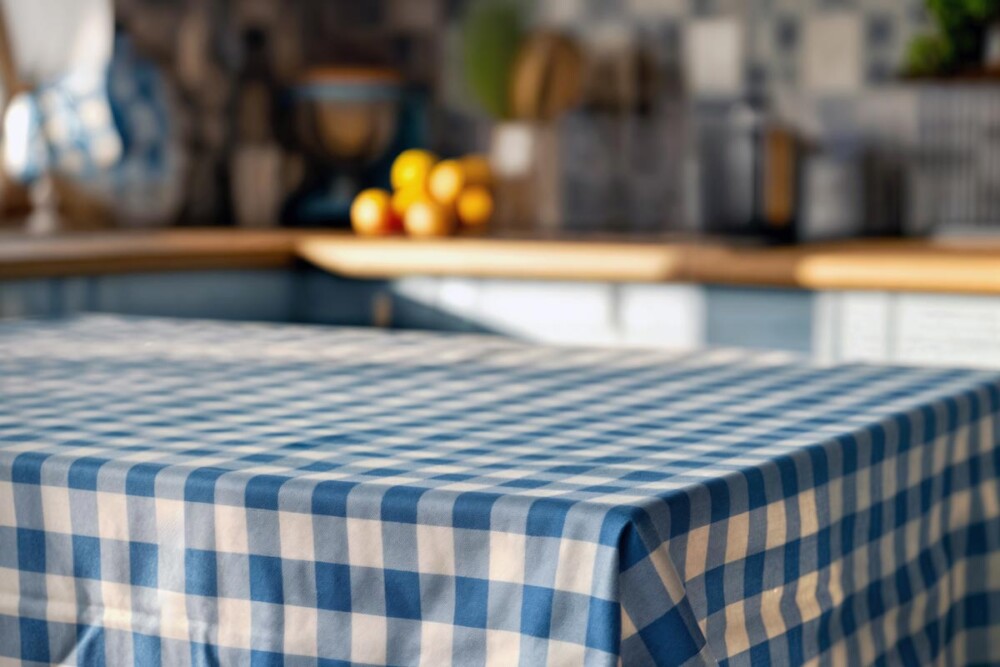
How to choose fabric for a DIY tablecloth
The fabric determines the appearance and use of the tablecloth. The choice is not only aesthetic: it affects daily practicality, fabric drop and ease of maintenance. Those who use tablecloths every day tend to prefer practical, durable materials that can withstand frequent washing and quick ironing, and patterns that adapt to the different seasons, such as floral-themed fabrics in the warmer months. For special occasions, however, we look for soft drops and more elegant effects, capable of enhancing the table setting and furnishings of the room.
Choosing the right fabric for a DIY tablecloth also means evaluating where it will be used: kitchen, dining room, outdoor, or party tables. When shopping online, it is useful to look, in addition to fantasy, also at the height of the fabric, composition and weight. These are elements that influence the fall, durability and maintenance, and therefore the final result of the tablecloth, whether it is for everyday use or a project designed for large occasions.
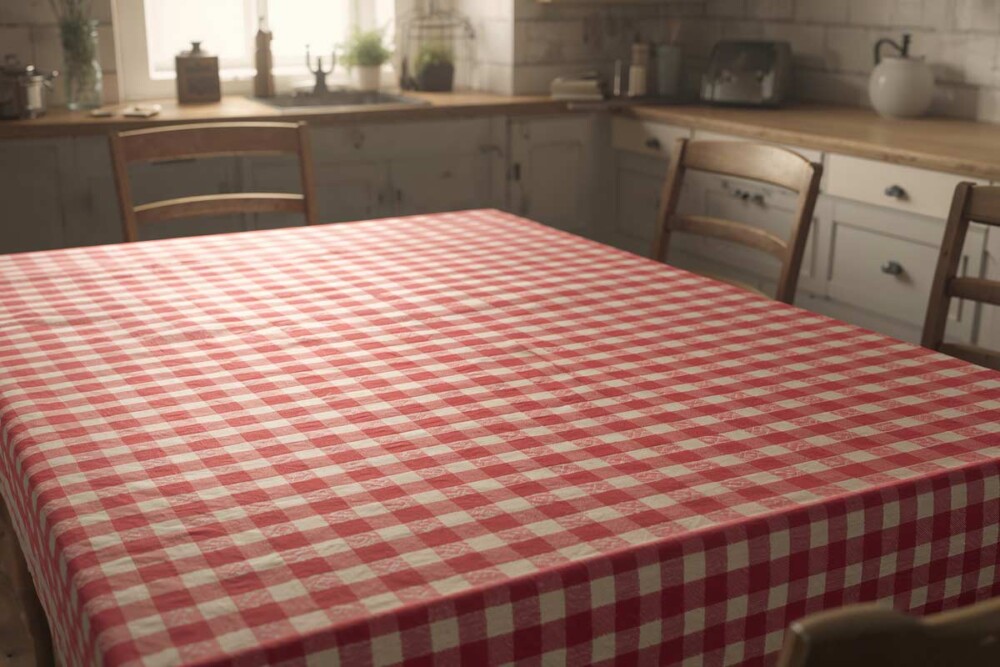
Cotton for an everyday DIY tablecloth
Cotton is the most common choice when making a DIY tablecloth for everyday use. It is natural, pleasant to the touch, resistant to frequent washing and easy to sew even for those with little experience. It absorbs moisture well and is ideal for family kitchens and tables. It requires a minimum of ironing, but offers a always neat and authentic look, perfect for DIY tablecloths with a simple and functional character.
Tovagliato Arco
Tovagliato Arco is a quality 100% cotton fabric, durable and pleasant to the touch, ideal for creating textile elements for the table. With a height of 180 cm and a weight of 167 g/m², it is perfect for making tablecloths, napkins and runners, ensuring a good fit and a natural fall.
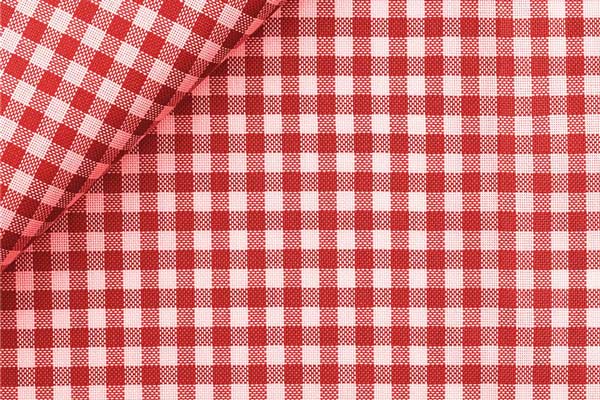
Thanks to its thread-dyed workmanship and non-stretch structure, it maintains color and shape over time, making it also suitable for creating favor bags and small home accessories.
Tessuto Drill Arianna
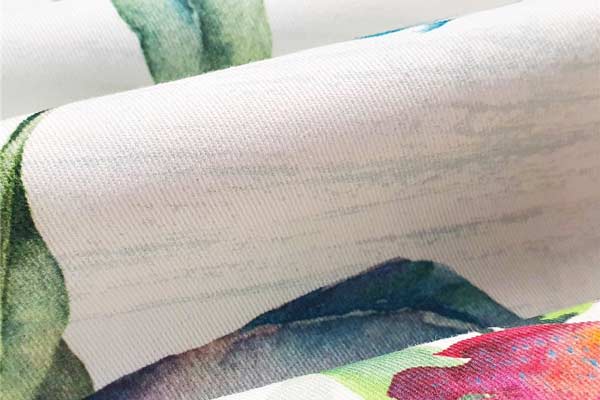
Tessuto Drill Arianna is a 100% cotton fabric with drill weave and pigment print, designed for home furnishings thanks to its robust structure and decorative rendering. With a height of 320 cm and a weight of 190 g/m², it is ideal for making cushions, curtains, scarves and tablecloths of various sizes.
The extra height also makes it perfect for 160cm diameter circular tablecloths without center seams. Versatile and durable, certified OEKO-TEX® STANDARD 100, combines practicality and aesthetics, easily adapting to different furnishing styles.
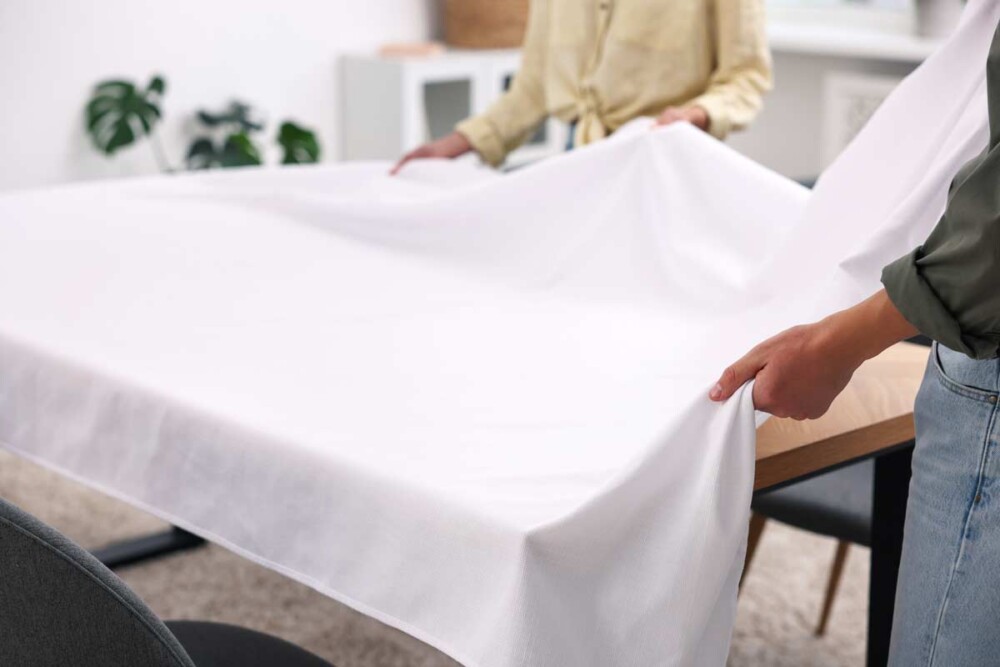
Polyester blend for a practical and easy-to-handle tablecloth
The polyester blend is suitable for those who want to iron lightly and want a stable tablecloth that does not deform with use. This type of fabric dries quickly, resists creases, and maintains vibrant colors over time, a useful feature especially in DIY tablecloths with patterns or bright colors. It is a practical solution for those who use the tablecloth often and seek a good balance between aesthetics and reduced maintenance.
Panama Sondrio Unito / Stampato
Panama Sondrio Unito / Stampato is a robust and consistent fabric, derived from canvas, ideal for the production of linen and furnishing textile accessories. Thanks to the composition 88% cotton and 12% polyester guarantees resistance to daily use and good shape stability.
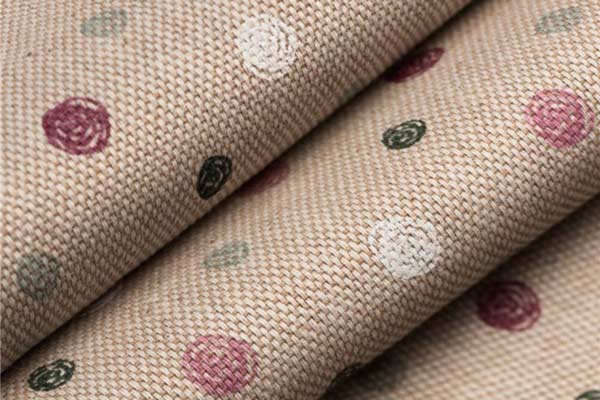
With a height of 280 cm and a weight of 185 g/m², it offers an excellent performance for cushions, armchairs, cushion covers, tablecloths and napkins, maintaining a well-groomed appearance over time. Certified OEKO-TEX® STANDARD 100, it is available both joined and printed, to adapt to classic or modern furnishing styles with great versatility.
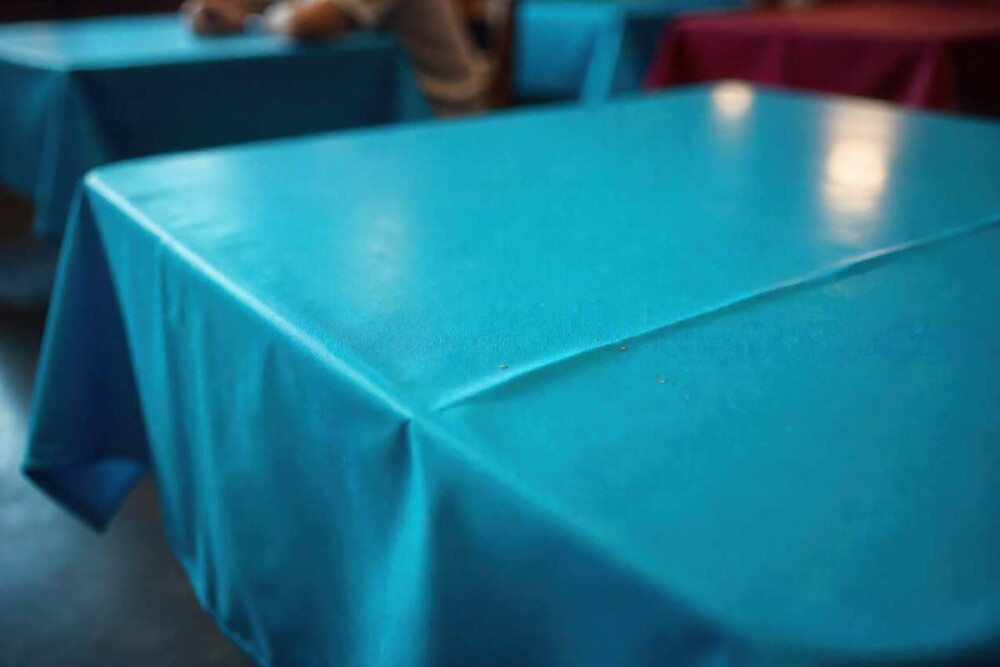
Resin or stain-resistant fabrics for a super practical tablecloth
Resin or stain-resistant fabrics are perfect when practicality is the priority. A DIY tablecloth made from these materials is ideal for children, for outdoor use, for heavily used tables, or for those who don’t want frequent washing. Stains are easily removed with a damp cloth and the surface remains protected. They are also suitable for work tables or kitchens where you eat every day and want a tablecloth that is always tidy.
Tessuto Canazei Resinato
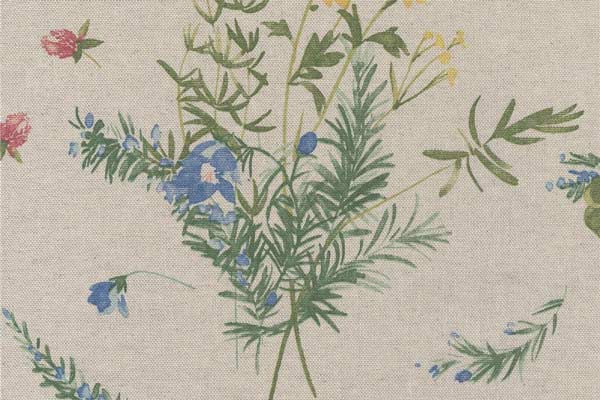
Tessuto Canazei Resinato is ideal for tablecloths and kitchen/home furnishings, also designed for small interior and exterior upholstery interventions. The 90% cotton and 10% polyester composition offers a natural hand combined with good resistance, while the resinated treatment makes it stain-resistant and water-repellent.
With a height of 140 cm and a weight of 225 g/m², it is practical, robust and suitable for tables, chairs and complements where simple maintenance and protection from stains and wear are needed. OEKO-TEX® STANDARD 100 certified, combines functionality and aesthetics for worry-free daily use.
Tessuto Hp Lussemburgo Resinato
Tessuto HP Lussemburgo Resinato is a half panama resin-coated in 100% cotton, robust and resistant, ideal for making tablecloths and furnishing accessories. Pigment printing enhances decorative patterns.
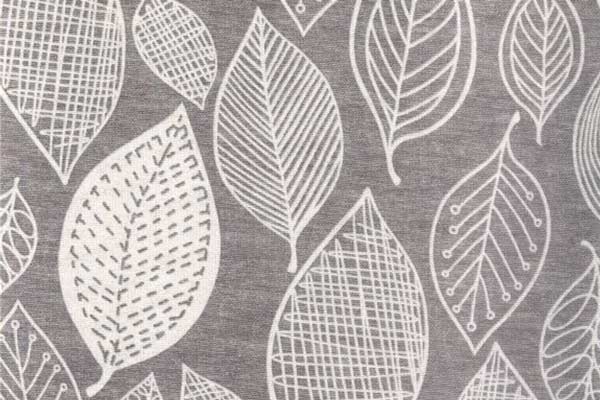
The dense weave and resin treatment with two layers of acrylic resins ensure high stain protection and quick and easy cleaning. With a height of 140 cm and a weight of 220 g/m², it is suitable for both domestic and professional use, combining practicality and style. OEKO-TEX® STANDARD 100 certificate, ensures material safety and quality over time.
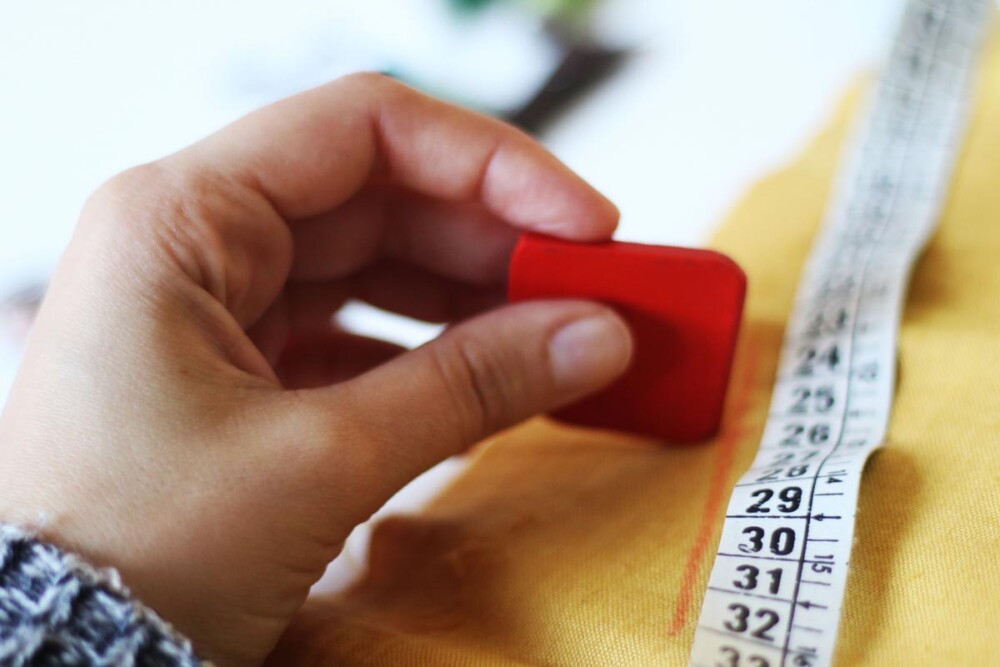
How to calculate tablecloth measurements for each table shape
Tablecloth sizes vary depending on the shape of the table, rectangular, round, or square, but also on the style you want to achieve: shorter and more practical for everyday use, longer and more enveloping for special occasions. To choose the correct size, it is important to always start from the real table: measure the length, width, or diameter and add the drop of the tablecloth, that is, the part of the fabric that goes down over the edge.
Falling the tablecloth is not a secondary aesthetic detail, because it affects the comfort of seated people and the visual impact of the table. A shorter fall leaves the legs completely free and has a casual look; a more generous fall makes the tablecloth more elegant and continuous.
Here’s how to navigate tablecloth and tabletop sizes in different table shapes.
Tablecloth measurements for rectangular tables
For rectangular tables, the top is measured and the drop on the four sides is added. For everyday use, a smaller fall is sufficient; for special occasions, a few centimeters can be increased.
| Seats | Indicative table size | Recommended fall per side | Indicative measure tablecloth |
| 6 seats | 140 × 80 cm | 25 cm | 190 × 130 cm |
| 8 seats | 180 × 90 cm | 25–30 cm | 230–240 × 140–150 cm |
| 10 seats | 240–260 × 100 cm | 30 cm | 300–320 × 160 cm |
| 12 seats | 260–300 × 100–110 cm | 30–35 cm | 320–370 × 160–180 cm |
| 24 seats (joined tables) | variable | 30–35 cm | single tablecloth or multiple matching tablecloths |
Tablecloth measurements for round tables
For round tables, the calculation is direct: the diameter of the table is measured and the desired drop is added on each side. The diameter of the finished tablecloth is thus obtained.
| Table diameter | Recommended fall per side | Indicative diameter finished tablecloth |
| 80 cm | 20–25 cm | 120–130 cm |
| 100 cm | 20–25 cm | 140–150 cm |
| 120 cm | 25–30 cm | 170–180 cm |
| 140 cm | 25–30 cm | 190–200 cm |
| 160 cm | 30–35 cm | 220–230 cm |
Square Tablecloth Measurements
Here you measure the side of the table and add the drop on all four sides. The result is the side of the square tablecloth.
| Side of the table | Recommended fall per side | Indicative measure square tablecloth |
| 70 × 70 cm | 20–25 cm | 110–120 cm |
| 80 × 80 cm | 20–25 cm | 120–130 cm |
| 90 × 90 cm | 25–30 cm | 140–150 cm |
| 100 × 100 cm | 25–30 cm | 150–160 cm |
| 120 × 120 cm | 30–35 cm | 180–190 cm |
How much fabric is needed to make a custom tablecloth
Once the measurements have been established, it remains to be seen how much fabric to purchase. This is the most important step before ordering, because it allows you to avoid waste but also to avoid ending up with insufficient fabric. The quantity depends on the final size of the tablecloth, the shape of the table, and the height of the fabric available on the roll.
If the fabric is 280–300 cm high, in most cases it is sufficient to purchase only the necessary length. When the table is particularly wide, or when a very generous drop is desired, however, it may be necessary to join two sheets. In these cases, it’s best to choose small patterns, dense textures, or full colors: the stitching remains discreet and visually almost invisible.
For fabrics with a smaller height (e.g. 140–160 cm), you are more likely to need to create a central or side seam. When done carefully, it can become a decorative element, especially in DIY tablecloths with contrasting edges.
For a round tablecloth the calculation is direct: diameter of the table + fall on both sides = diameter of the tablecloth. Starting from this measurement, the required fabric length is determined, remembering to always add a few extra centimetres for the hems and any finishing touches. This small reserve of fabric avoids surprises and allows you to work with greater peace of mind when cutting and sewing.
How to hem a tablecloth and trim the edge
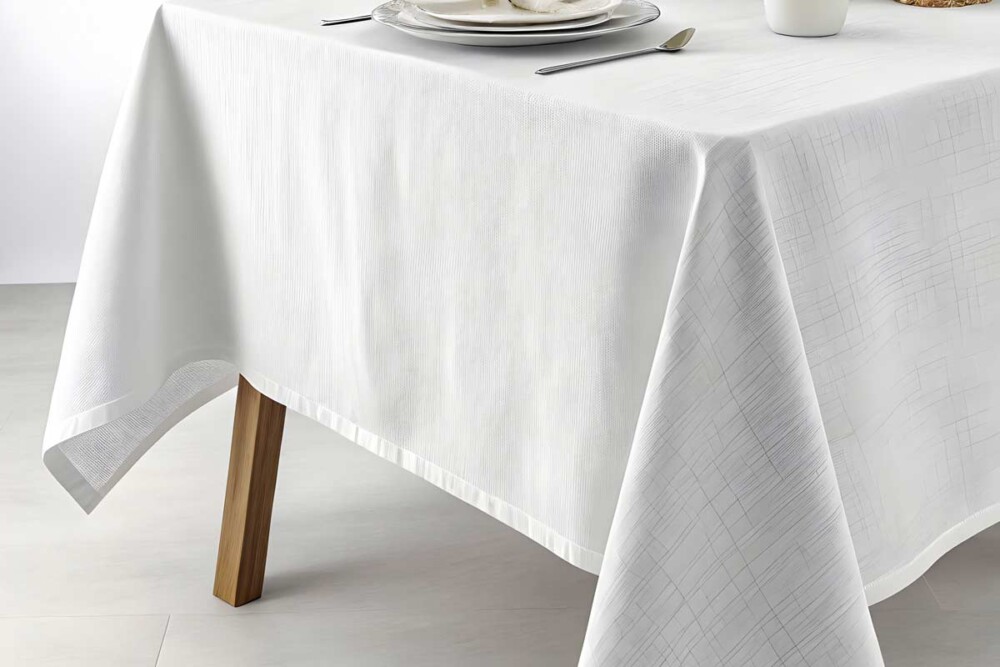
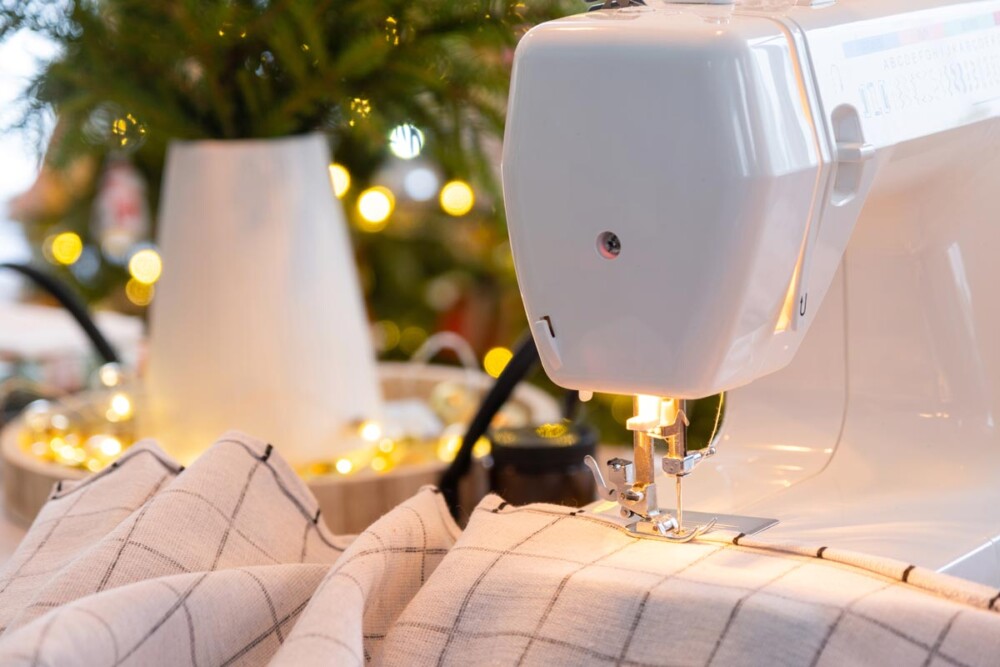
The hem is the passage where the tablecloth takes final shape. The simplest method is the double hem: you fold the edge inwards, fold it again and sew along the entire perimeter. This way the fabric does not fray and the finish remains clean. Those who want a more precise result can make the “cap” corners, which reduce the thickness in the corners and create a very neat geometric effect. To hem a tablecloth, a seam cutter is not essential: a regular sewing machine is fine, and you can also work by hand.
To get a really regular edge, a few little tricks can be helpful:
- Iron before sewing: Pass the iron after the first and second folds “stops” the fabric and makes the seam straight without having to pull the edge while sewing
- Use sewing pins or tweezers: especially on slippery fabrics, they help keep the hem size constant
- Drawing a guide: with chalk or a heat-soluble pen you can mark the line to follow 1 or 2 cm from the edge, useful if you are a beginner
- Reduce thicknesses in corners: Slightly cutting off excess fabric inside the edge before folding it avoids visible “bumps”
- Choosing the right spot: A slightly longer-than-normal straight spot (2.8–3 mm) avoids wrinkles and makes the hem smoother
- Don’t pull the fabric: accompanying it under the foot of the machine allows you to avoid waves, especially in round tablecloths
Another decorative solution consists of applying a bias or a contrasting fabric border: in addition to finishing the profile, it allows you to customize the DIY tablecloth and match colors and patterns already present in the kitchen or dining room. Again, working with the iron on hand and proceeding for short stretches makes the final result cleaner and more uniform.
How to sew a round tablecloth without creases
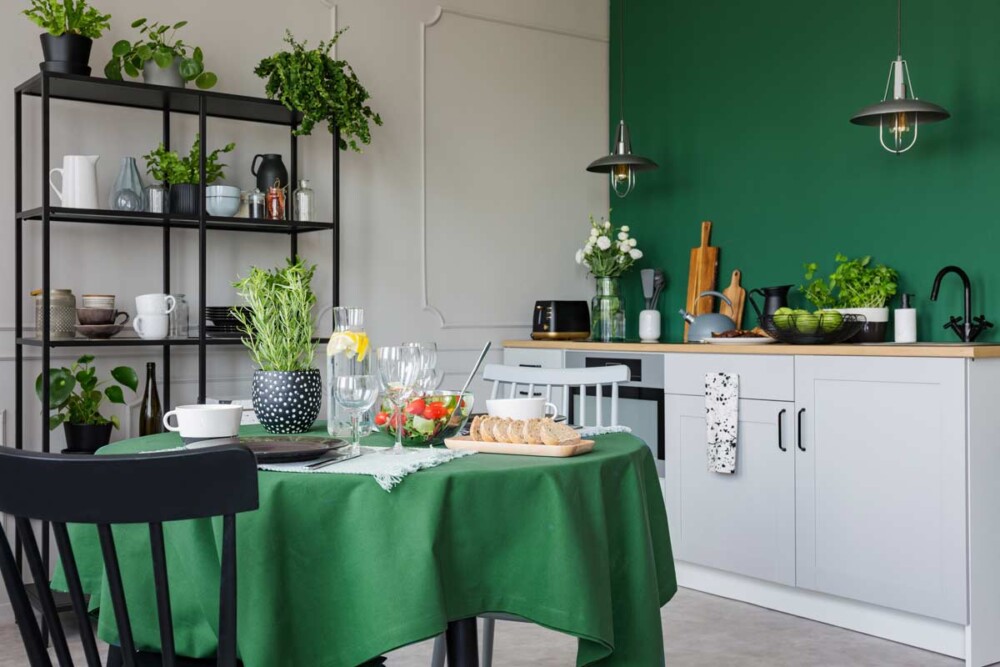
In the case of the round tablecloth, a little’ more patience is needed than with the rectangular one. The edge includes several sections on the bias, that is, cut diagonally with respect to the weave of the fabric, and for this reason it naturally tends to give way and form small waves. To avoid them, it is important to sew the hem a few centimeters at a time, without pulling the fabric, accompanying it under the foot and ironing as you go. Leaving the tablecloth resting on the table a few hours before sewing helps to settle the fall and check if the chosen diameter is the desired one.
It helps a lot to start by cutting the circle as precisely as possible, using sharp scissors or a wheel: small irregularities along the edge immediately become visible in a round shape. Before sewing the hem of the final tablecloth, you can prepare the edge by making tiny cuts in the inner edge of the fold, so that the fabric adapts better to the curve. The iron, in this work, is almost more important than the sewing machine: folding, ironing and only after sewing makes the edge regular and reduces ripples.
Choosing a point also helps: a slightly longer straight point than usual accompanies the curve and limits wrinkles. If the sewing machine allows, slightly decreasing the press of the foot facilitates sliding in the bias parts. Those who prefer greater safety can first make a basting seam along the entire edge of the round tablecloth, to be removed when the work is finished. Alternatively, applying a bias or pre-formed edge allows you to achieve a clean finish without having to directly manage the traditional curved hem.
Common Mistakes to Avoid When Sewing a DIY Tablecloth
When making a DIY tablecloth, it is normal to do some testing and, sometimes, some small mistakes. However, some are often repeated and can compromise the final result, especially in the measurements and the hem. Knowing them in advance helps you avoid them and work with more peace of mind.
- Don’t measure the real table
The measurements “by seats” are indicative only: each table has its own dimensions and must always be measured. - Don’t consider the tablecloth falling off
Calculating only the top leads to tablecloths that are too short; the drop should be added on all sides. - Do not check the height of the fabric
If the height is insufficient, unexpected joints will be necessary. - Cut without washing and ironing the fabric
Some fabrics shrink slightly on the first wash: it’s best to prepare them before cutting. - Making the hem quickly
It is the most visible part of the tablecloth: proceeding slowly makes the edge more regular. - Pull the fabric when hemming round tablecloths
This creates waves and ripples; the edge should be accompanied, not forced.
Making a DIY tablecloth means choosing measurements, drops, and details that truly reflect your table and style. With little care in the choice of fabric, hem and finishing, the result can be surprising even for those who do not have much sewing experience. At this point, only the main ingredient is missing: the right fabric.
If you’re designing your next custom tablecloth, explore the selection of tablecloth fabrics available at Cimmino’s shop: solid colors, Vichy pattern and other patterns, stain-resistant resin, and different heights to suit every table. You will find quality materials and lots of ideas to start with for your creative project.
FAQ – Frequently Asked Questions about How to Make a DIY Tablecloth
Measure the table, add the desired drop on the four sides and cut the fabric accordingly. Then finish the edge with a double hem or a decorative bias. With easy-to-sew fabrics, such as cotton or polyester blend, the project is suitable even for beginners.
The fabric needed depends on the shape and size of the table and the height of the fabric. For fabrics 280–300 cm tall, it’s often enough to buy just the length; with lower heights, joints may be needed. It’s best to always add a few inches for hemming and trimming.
There is no universal measurement: you start from the dimensions of the real table and add 20–35 cm of drop per side. In this way the tablecloth is proportionate and comfortable for the seated person. Reference tables help, but the meter is always the safest solution.
Cotton and polyester blend are ideal for cooking, as they wash easily and resist frequent washing. If you want maximum convenience, you can choose resin or stain-resistant fabrics. For elegant boards better softer fabrics with a nice drop.
The diameter of the table is measured and the desired drop is added on both sides. The result is the final diameter of the DIY tablecloth. It is helpful to check for a fall by placing the fabric on the table before cutting.
The simplest method is the double hem: you fold the edge inwards twice and sew along the perimeter. Alternatively, a bias or zigzag stitch finish can be applied to lock the threads. Ironing before sewing helps to get a straight edge.
The hem is worked little by little, without pulling the fabric and accompanying it under the foot. Ironing as you go reduces waves in the bias parts. A preliminary basting can help those who are just starting out.
Yes, it is possible. You can sew the hem by hand or use iron-on tapes that are secured with an iron. The times are longer, but the result is still neat and durable.
For everyday use, 20–25 cm per side is sufficient, while for formal occasions it can reach 30–35 cm. The choice depends on the desired style and the height of the seats. A test directly on the table helps to visualize the final effect.
The cost depends on the fabric chosen and the size of the table. With fabrics purchased by the meter, a custom-made tablecloth can be more convenient than packaged ones, especially for large or special sizes. Plus it allows total customization of color, border and finishes.
