


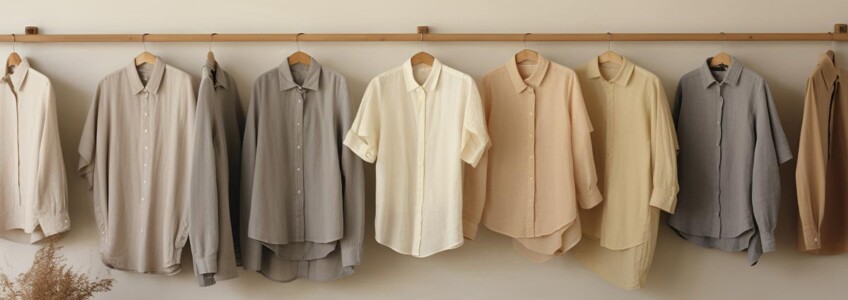
There is a fabric capable of keeping skin fresh at 35 °C, withstanding decades of washing, and completely biodegrading at the end of life, leaving no trace in the environment. It is not a last-generation synthetic fibre: it is linen, one of the oldest raw materials in the textile world, employed by man for over ten thousand years.
Today, linen fabric for clothing is experiencing a season of rebirth. The catwalks have confirmed linen as the protagonist of a men’s and women’s fashion increasingly oriented towards soft tailoring, natural fabrics and quiet luxury. Unstructured blazers, tailored suits, oversized shirts, palazzo pants: linen is the fiber around which designers and tailors build the most desired summer wardrobe of the moment.
Manifattura Foderami Cimmino clearly illustrates all this: tailors, designers, artisans, and sewing enthusiasts need to know about linen fabric: from the technical properties that make it irreplaceable in the summer, to cutting and packaging techniques, from the care taken with finished garments to the color and stylistic trends of the current season.
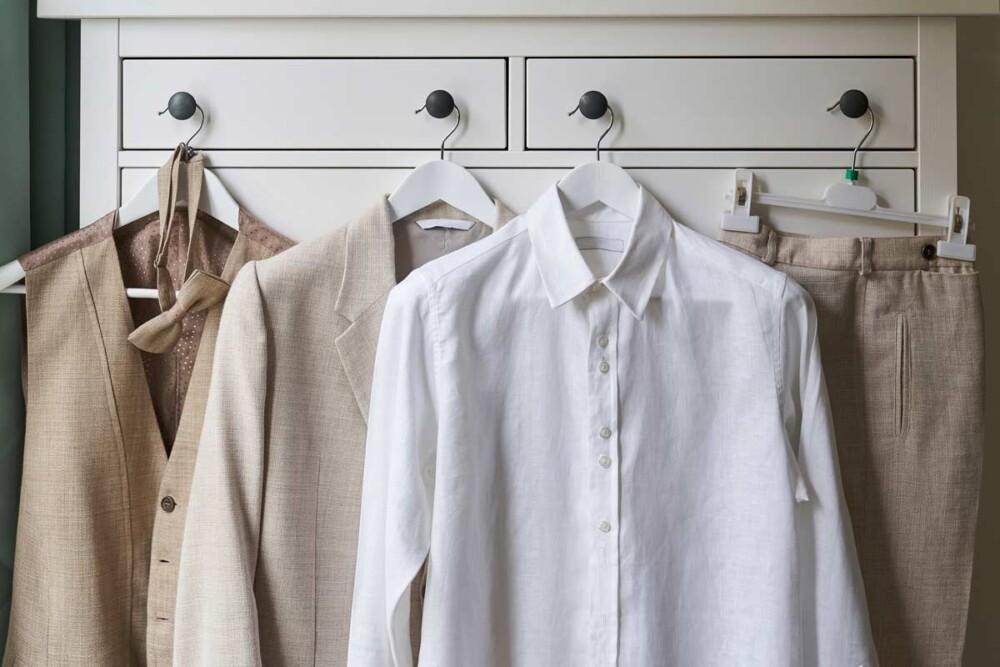
Linen Fabric Properties: Why It’s Best for Summer Clothing
Linen is derived from the stem of the Linum usitatissimum plant, grown mainly along the coasts of Western Europe, between France, Belgium and the Netherlands, which alone account for approximately ’80% of global fibre flax production. The structure of its cellulosic fibers, composed of approximately 70% pure cellulose, gives the fabric a set of technical performances that is difficult to replicate with synthetic fibers.
Thermoregulation and breathability: How linen keeps your body cool
Linen conducts heat away from the body with greater efficiency than any other natural fiber, including cotton. Its open texture allows for constant air circulation, while the ability to absorb up to 20% of its weight in moisture, then quickly release it into the environment, ensures a dry feeling even on the hottest days. It is no coincidence that linen has been the quintessential choice for clothing fabric in the warm seasons for centuries.
Linen is not, however, just one of the best fabrics for summer. Thanks to its thermoregulating effect, it works as an insulator in winter and as a freshener in summer. The fiber adapts its behavior to the outside temperature, making it versatile for multiple seasons, not just the warmer months.
Strength and durability: a fabric that improves over time
Those who work with linen know this: it is one of the strongest fibers ever. It can withstand numerous washing cycles without losing shape, does not yellow over time and, unlike many synthetic fibres, becomes progressively softer and more pleasant to the touch with each use. This feature makes it a long-term investment, both for the end consumer and for the professional who offers garments that are destined to last.
Hypoallergenic and antibacterial properties of flax
Linen fabric is naturally hypoallergenic, antibacterial, and antistatic: it does not irritate the skin, does not attract dust, and creates an environment unfavorable to bacterial growth. These properties make it particularly suitable for those with skin sensitivities, dermatitis, or allergies, and also make it a preferred material for children’s clothing and prolonged skin contact.
Environmental sustainability of flax: a truly eco-friendly fiber
Unlike conventional cotton, flax cultivation does not require artificial irrigation because rainwater is sufficient, nor does it employ pesticides in significant quantities. The plant enriches the humus of the soil instead of depleting it, and every part of the stem is used, eliminating processing waste. The finished fabric is 100% biodegradable and recyclable: at the end of its life it does not generate microplastics, unlike many synthetic fabrics. Choosing linen means, therefore, making a conscious fashion choice, aligned with the principles of the circular economy and slow fashion.
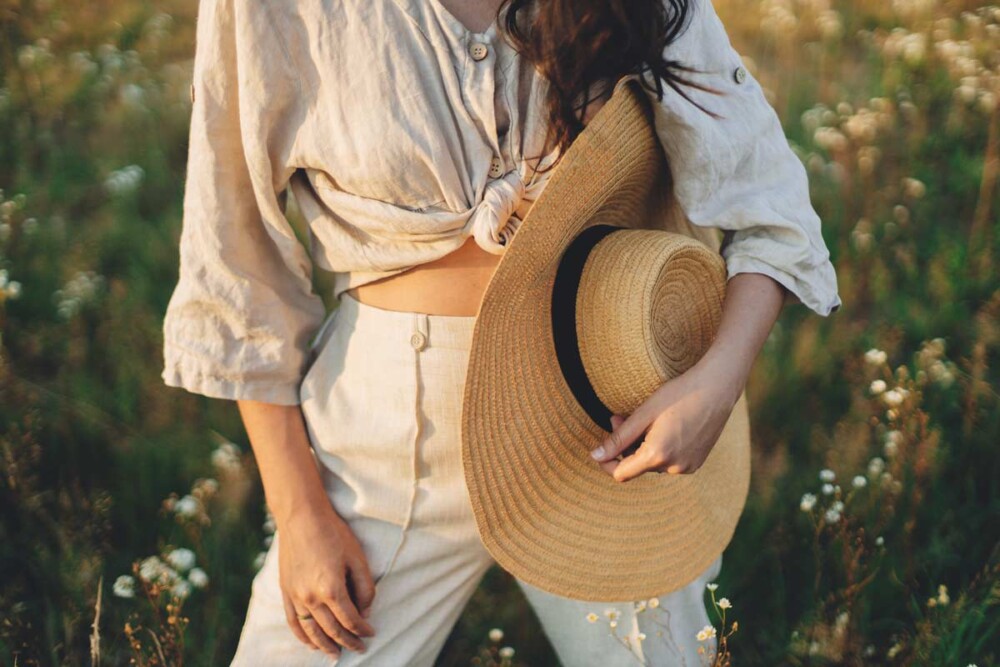
Linen, Cotton, Viscose, Polyester: comparative table of summer fabrics
For those who need to choose the fabric that best suits their tailoring project, a direct comparison of the main fibers used in summer clothing can be helpful. Here are the fundamental differences.
| Feature | 100% pure linen | Light cotton | Viscose | Polyester |
| Breathability | Excellent | Good | Discreet | Low |
| Thermoregulation | Excellent | Discreet | Discreet | Low |
| Moisture absorption | Up to 20% | Up to 8% | Up to 11% | Almost zero |
| Resistance | Very high | Medium | Low | High |
| Tendency to crease | High | Medium | High | Low |
| Biodegradability | 100% | 100% | Yes (slow) | No |
| Hypoallergenicity | Yes | Yes | Variable | No |
| Cost | Medium-high | Low-medium | Low | Low |
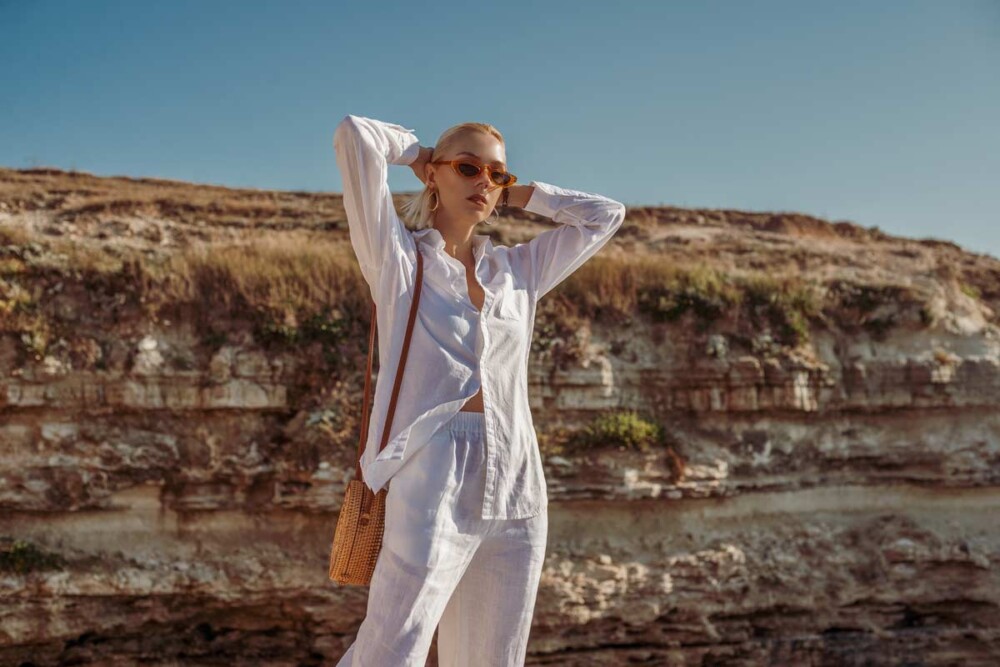
Linen Fashion Trends: How Designers and Tailors Use Linen Today
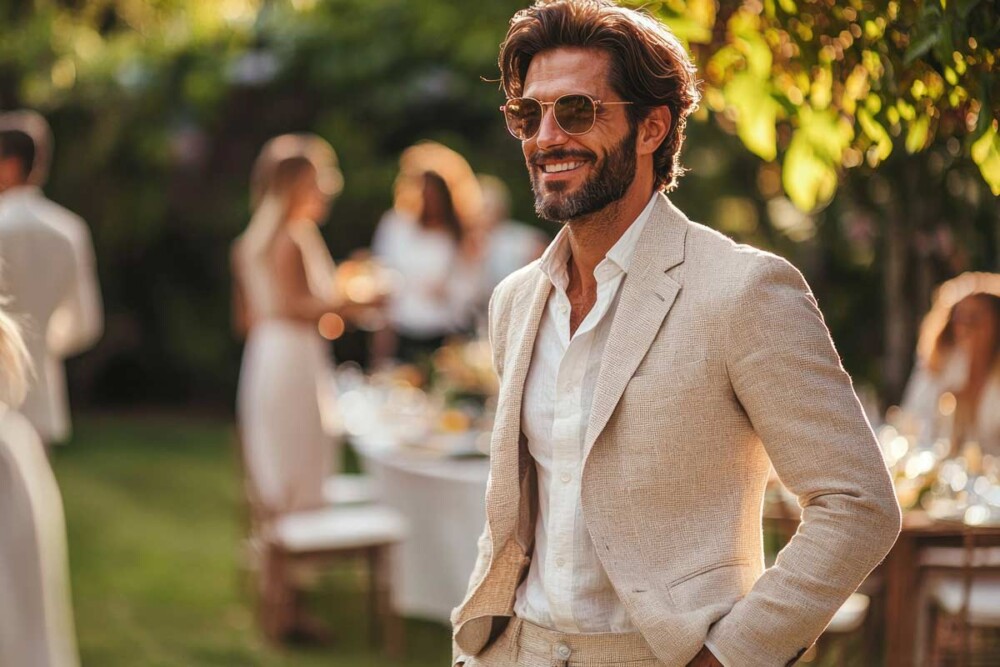
The stylistic concepts of quiet luxury and old money, characterized by discreet elegance, fine materials, and the absence of flashy logos, have found linen their natural ally. Key trends for the season include several key elements.
Tailored linen suits represent one of the strongest proposals of the season, both in the men’s version (destructured blazer with loose trousers) and in the women’s version (jacket-skirt suit or jacket-trousers with soft cuts). The dominant color palettes revolve around warm neutrals such as sand beige, cream, dove gray, cream, with incursions of Mediterranean tones such as blue, olive green, red and lemon yellow.
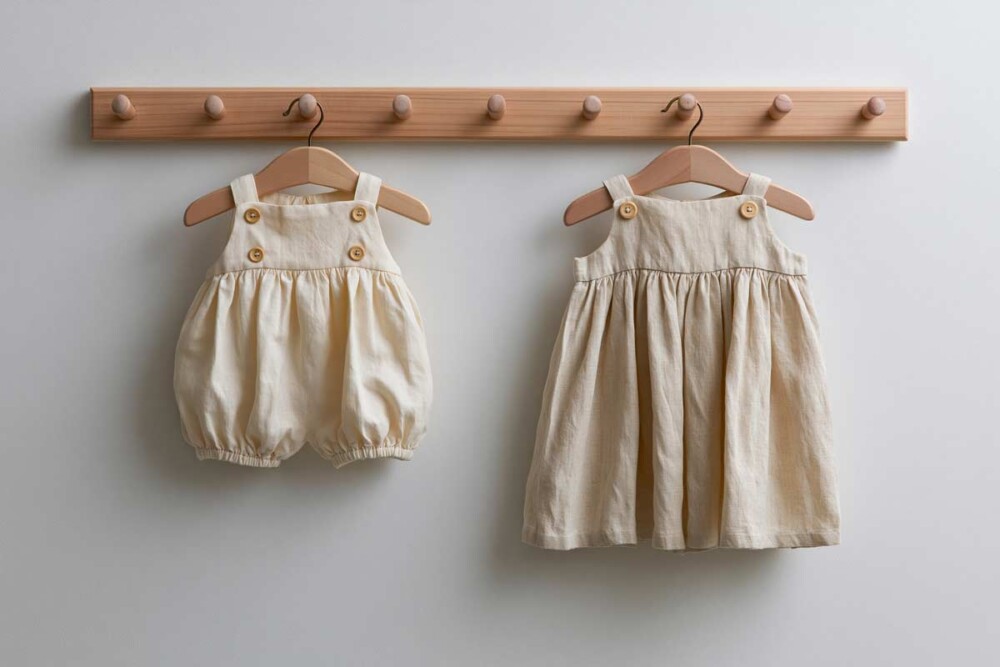
Vertical striped linen shirts, palazzo pants, and flowing dresses complete a wardrobe that celebrates the natural physicality of the fabric: the light folds of linen, once perceived as a flaw, are now considered an element of style that communicates authenticity and sophistication.
How to Work Linen Fabric in Tailoring: Practical Tips for Cutting and Packaging
Linen is a rewarding fabric to work with, but it requires some specific precautions that distinguish it from cotton or synthetics. Here are the most important practical directions for those who intend to make pure linen garments.
Pre-washing and decatizing of flax before cutting
Pre-washing is a mandatory step. Linen fabric can shrink significantly upon first contact with water (up to 5-10%), and cutting without first stabilizing the patch risks oversized garments after the first wash. The recommended procedure involves soaking the fabric in cold water overnight, letting it dry vertically in the shade, and ironing it inside out while it is still slightly damp.
Linen Cutting: Drictophile, Margins and Weight
Non-stretch linen fabric ensures a precise and predictable cut, ideal for those working with structured patterns. It is essential to respect the straight yarn carefully, as linen tends to fray more than cotton on the cut edges. Seam margins of at least 1.5 cm are recommended, along with the use of well-sharpened scissors or a rotary cutter on a cutting base.
The choice of weight depends on the garment to be made: for structured garments such as trousers and skirts, a medium weight (180-220 g/m²) ensures body and hold; for blouses, blouses and flowing garments, lightweight linen under 150 g/m² gives a more airy and floating effect.
Sewing and finishing of linen
For machine sewing, an 80/12 or 90/14 universal needle works well on most clothing linens. Cotton or polyester-cotton thread adapts to the natural fiber without creating tension. Overlock stitch or French stitch (couture française) trim of the inside edges prevents fraying and gives the garment a professional build quality.
Remember that when working linen, it is good practice to iron each seam immediately after making it, with hot iron and a damp cloth in place. Linen responds very well to pressing and the seams flatten with ease, giving a clean and professional result.
What items of clothing can be made from linen fabric
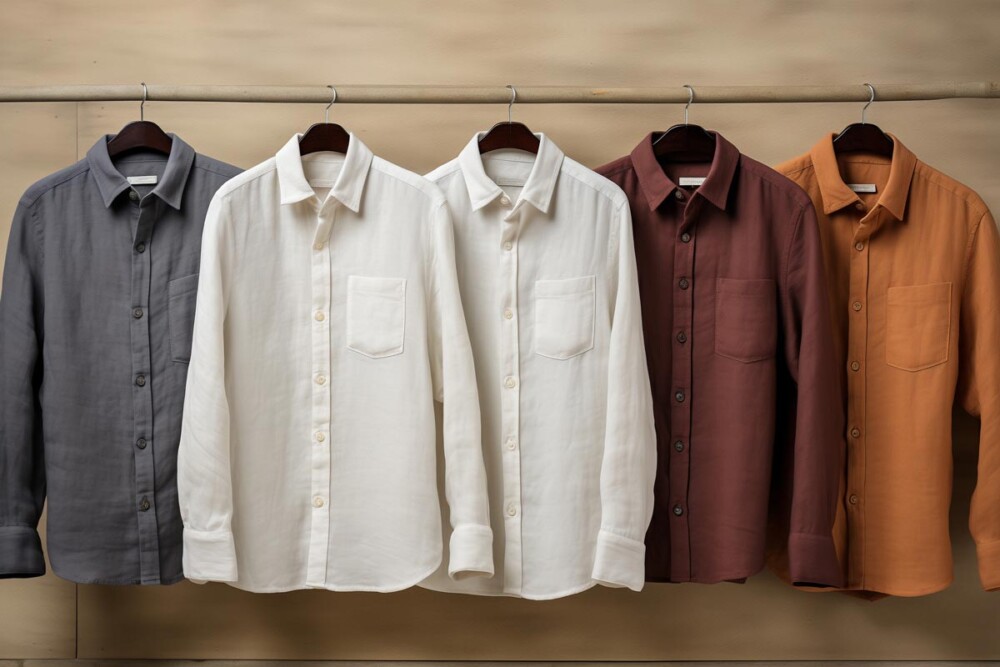
The versatility of linen fabric for clothing is one of its main strengths. Here’s an overview of the most popular pure linen garments, with information on weight and the recommended sartorial approach.
| Head | Recommended weight | Packaging notes |
| Men’s and women’s shirts | 120–160 g/m² | Prefer light linen. Collar and cuffs: lightweight iron-on interlining. |
| Loose trousers / building | 180–220 g/m² | Medium linen per structure. Inner belt with lining. |
| Unstructured blazer | 180–250 g/m² | Unlined or with half viscose lining. Natural shoulders. |
| Dresses / women’s clothes | 130–180 g/m² | Light-medium linen. Smooth lines, wide cuts. |
| Skirts | 160–220 g/m² | Depending on the desired structure (fluid or pencil). |
| Summer jackets | 200–260 g/m² | Heavy linen. Semi-sartorial construction with lightweight internal canvas. |
Linen fabrics for clothing by Manifattura Foderami Cimmino
In Manifattura Foderami Cimmino’s ever-updating catalogue of clothing fabrics, some of the best fabrics for making linen clothes stand out: here are their characteristics and possibilities for use.
Tessuto Lino Abbigliamento
Made from 100% pure linen, this fabric combines natural freshness and sartorial versatility. Weighing 159 gr/m² and 135 cm high, the Tessuto Lino Abbigliamento
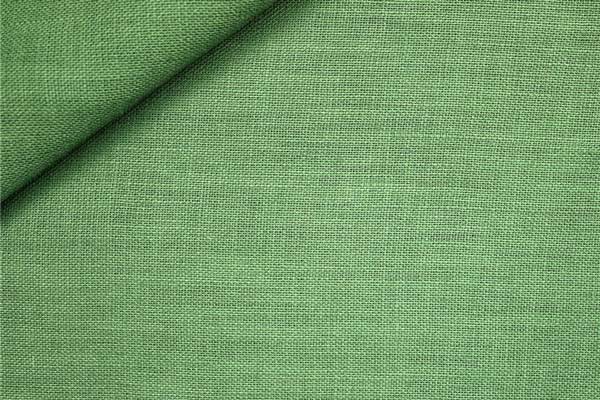
Linen fiber provides excellent breathability and natural thermoregulation, making it ideal for summer wardrobes. The wide and cross-sectional color chart allows you to respond to very different creative needs, from the total monochrome look to the most daring combinations.
Lino 2006 Dolce
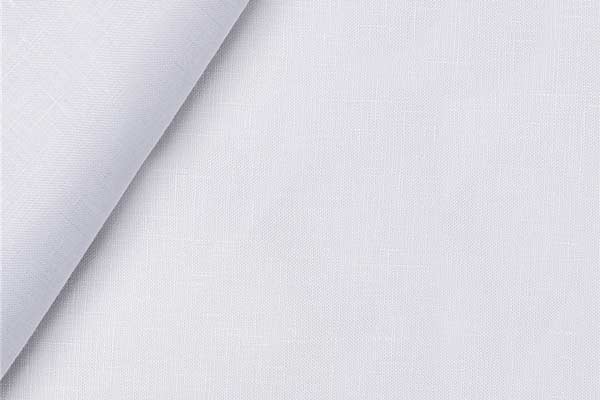
Part of the Dolce Cimmino collection, the Lino 2006 Dolce is a pure 100% linen with a fresh and compact hand. Weighing 150 gr/m², it stands out for a rare balance between body and lightness: structured enough to ensure a good hold of the finished garment, yet airy enough to be comfortable even on the hottest days.
Available in white and ivory, and offered in three heights (70, 180 and 270 cm), it adapts with versatility to very different projects: from ceremonial dress to fine bedding, from wedding arrangements to trousseaus.
Lino 3006 Dolce
100% pure linen fabric, fresh and compact, the Lino 3006 Dolce belongs to the Dolce Cimmino collection, the Made in Italy line with which Manifattura Foderami Cimmino replicated and perfected its historic linens, the result of a textile experience dating back to 1750.
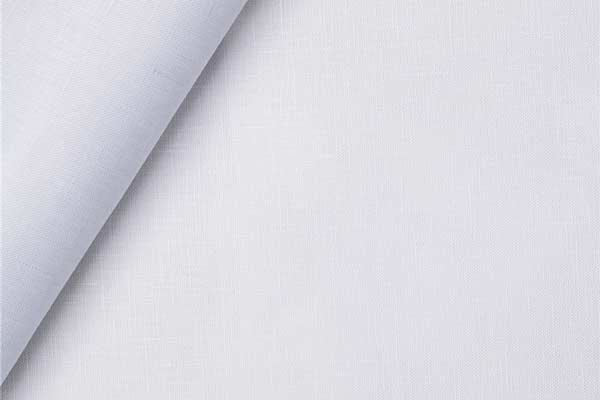
Weighing 150 gr/m², it is characterised by a full but never rigid hand, capable of maintaining natural softness even after repeated washing. The wide range of heights (70, 90,120,180 and 270 cm) makes it transversal: in the narrowest sizes it is ideal for party favors, bags and small ceremonial arrangements; in the highest heights it lends itself to the packaging of fine bed linen, tablecloths and trousseaus.
Lino Tela 2001 Dolce
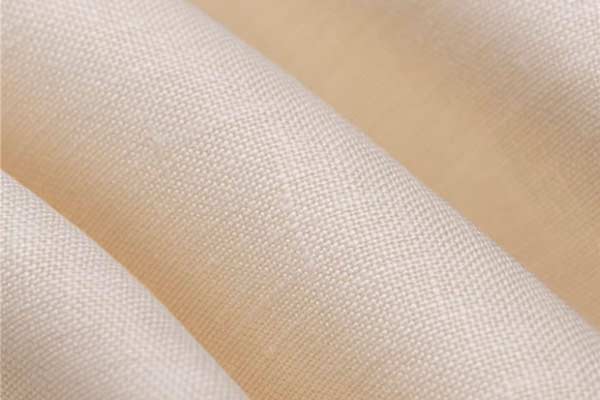
Inside the Dolce Cimmino collection, the Lino Tela 2001 Dolce represents the most substantial and structured proposal: a pure 100% linen with canvas reinforcement and a weight of 200 gr/m². This increased texture gives it a firm hand and a compact surface, with that tactile grain typical of canvas linen that conveys robustness and character.
Developed by Manifattura Foderami Cimmino by replicating and perfecting a historical fabric from its archive, it is OEKO-TEX® Standard 100 certified and entirely produced in Italy. The three available heights (70, 180 and 270 cm) significantly expand its range of use: from small sizes for party favors, bags and creative sewing projects, to intermediate sizes for tablecloths and linen clothing, up to the ideal height for bedding, blankets and large country chic ceremonial displays.
Camiceria Tamigi M/Lino
Linen-cotton blend designed specifically for men’s and women’s shirtmaking, the fabric Camiceria Tamigi M/Lino combines the freshness and natural texture of linen (55%) with the softness and dimensional stability of cotton (45%). The result is a particularly pleasant hand-woven fabric with a featherweight of 135 gr/m² and a height of 145 cm that makes it easy to cut even on models with wide sleeves or constructed details.
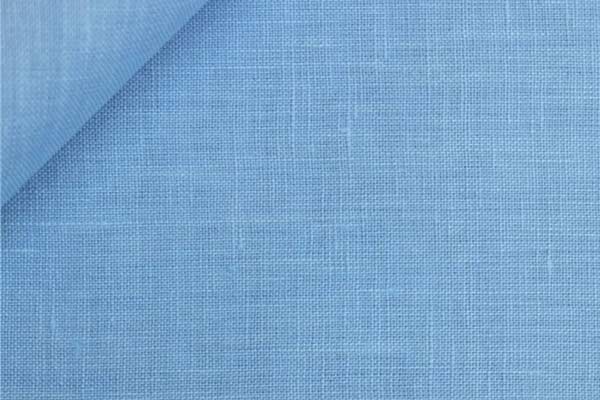
The item was developed with high-quality yarns, and this is noticeable to the touch: the surface is smooth, the drape fluid, the comfort on the skin immediate. The color chart explicitly recalls the “Positano fashion” style, that Mediterranean ease made of sun shades and light fabrics. In addition to shirtmaking, the versatility of its hand and weight makes it suitable for blouses, tunics, caftans and unstructured garments for the warmer months.
Camiceria Westbrook
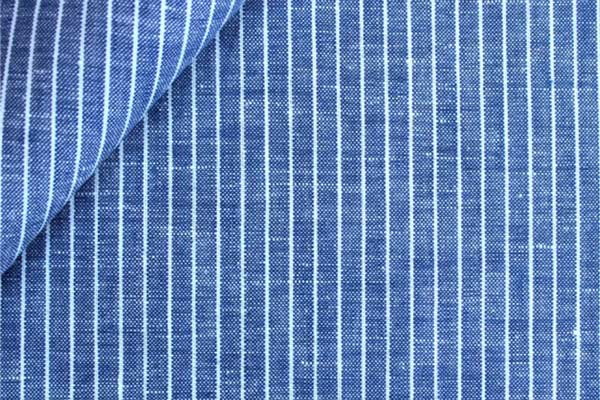
100% pure linen with thread-dyed weaving, the fabric Camiceria Westbrook is a shirtmaking fabric that stands out for its refined construction detail: 3 mm and 1 mm negative stripes that emerge from the surface of the fabric, giving it visual depth without compromising the overall sobriety of the design.
Weighing just 120 gr/m² and 145 cm high, it guarantees freshness and dryness on the skin, qualities that make it particularly suitable for warm-season shirts, both men’s and women’s. The hand is soft and pleasant despite the entirely linen composition, thanks to the use of high-quality yarns that reduce the rigidity typical of raw fibre. The color chart offers 9 variations ranging from classic solid colors to two-tone millerighe in shades of light blue/white, blue/white and blue/white, for a discreet elegance that recalls the traditional Anglo-Saxon men’s wardrobe. In addition to shirtmaking, its lightness and striped texture make it suitable for textured blouses, summer split suits and garments with a relaxed sartorial taste.
Camiceria Bradford
Pure 100% solid color linen, the tessuto Camiceria Bradford is designed for those who seek the natural fiber in its most essential and clean expression. Made with the highest quality yarns, it is characterized by an unusually soft hand for a whole linen, pleasant to the touch and capable of keeping the skin fresh and dry even on the hottest days.
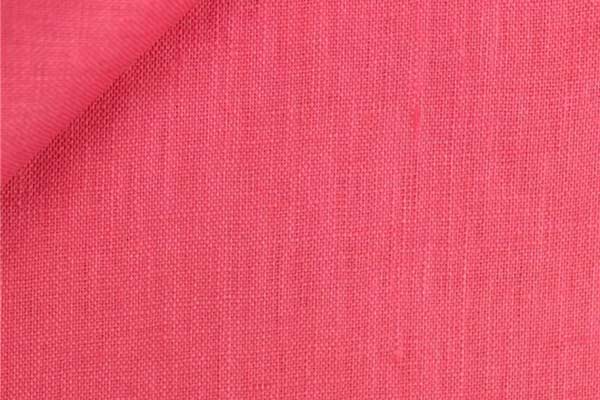
Weighing 120 gr/m² and 145 cm high, it stands out as a smooth, luminous canvas that enhances the chromatic purity of each available color variant. Specifically designed for men’s and women’s shirtmaking, the Bradford lends itself equally naturally to the packaging of blouses, tunics, caftans and deconstructed garments for the summer. The versatility of the solid color also makes it ideal for linen coordinates and broken sets, where the consistency of color between shirt and trousers is a key sartorial detail.
How to care for linen garments: washing, drying and ironing
Linen maintenance is easier than you think, as long as you follow some basic rules.
- For washing, prefer a gentle cycle at 30-40 °C with neutral detergent. Avoid bleach and optical blues. Separate garments by color, especially at first washes, as dyed linen can release color. Centrifuge at low speed (maximum 600 rpm) or, preferably, excluded altogether.
- For drying, hang garments on wide hangers or lay them out horizontally, in the open air but away from direct sunlight. Avoid the dryer, which can damage the fibers and increase shrinkage.
- For ironing, iron the linen while it is still slightly damp, with the iron at high temperature and inside out. If the fabric is already dry, use steam iron. For garments with appliques or embroidery, place a cotton cloth.
The trick of the trade? Linen gets softer with each wash. If you want to speed up the process, add a little white vinegar to the rinse cycle: it softens the fiber without compromising its breathability, avoiding the chemical residues of industrial softeners.
For a comprehensive and in-depth guide to linen washing, we recommend reading the dedicated article: How to Wash Linen: A Practical Guide to Keeping Fabrics Fresh and Durable.
100% Pure Linen or Mixed Linen: When to Choose One or the Other
The choice between pure linen and linen blend depends on the tailoring project and the professional’s priorities. 100% pure linen provides maximum performance in terms of breathability, thermoregulation and feel on the skin, but tends to crease more easily. Linen blend fabrics (linen-cotton, linen-viscose, linen-polyester) preserve the natural aesthetics of linen by reducing the tendency to crease and improving dimensional stability after washing.
For a comprehensive overview of the benefits, uses, and compositions of linen blend fabrics, we refer you to our dedicated guide: Linen Blend Fabrics: Benefits, Uses, and How to Recognize Them.
Wholesale Linen Fabrics in Italy: Where to Buy Online and with Professional Assistance
Manifattura Foderami Cimmino has been a point of reference in the wholesale trade of fabrics in Italy since 1750. The clothing fabric catalog can be consulted and ordered online at cimminoshop.com, the company’s digital store, which allows you to purchase fabrics by the meter with shipping throughout Italy and abroad.
Whether you’re a seamstress looking for the perfect linen for a tailored suit, a designer looking to explore new shirtmakers, a manufacturer needing wholesale linen fabrics, or a DIY sewing enthusiast looking for a premium natural fabric, Cimmino offers on-demand samples and dedicated professional support.
FAQ-Frequently Asked Questions about Linen Fabric for Clothing
Yes, linen is naturally hypoallergenic, antibacterial, and antistatic, making it suitable for even the most delicate skin and children’s clothing.
Unlike many synthetic fibers, flax does not irritate the skin and does not attract dust. Its fibrous structure creates an environment unfavorable to the proliferation of bacteria, which makes it particularly suitable for those suffering from dermatitis, eczema or contact allergies. For children’s clothing, it is advisable to check for certifications such as the OEKO-TEX® Standard 100, which certifies the absence of harmful substances in the fabric.
Pre-wash the fabric before cutting, use seam allowances of at least 1.5 cm and finish the edges with an overlock stitch or French stitch.
Linen tends to fray more than cotton, but with the right precautions the problem is easily managed. After pre-washing (an essential step to avoid subsequent shrinkage), the cut must be made with well-sharpened scissors or a rotary cutter, respecting the straight edge. For machine sewing, a universal 80/12 needle and cotton-polyester thread work well. Overlock or French seam trims protect the edges and give the finished garment a professional look.
The natural folds of linen are a popular stylistic trait today. To reduce them, iron the still damp fabric or choose linen blend garments.
The tendency to crease is intrinsic to flax fiber and is the price of its exceptional breathability. Contemporary fashion has completely reevaluated this aspect: the slightly wrinkled effect of linen is considered a sign of authenticity and naturalness. Those who prefer a tidier look can iron the fabric while it is still slightly damp, use a steam iron, or opt for linen blend fabrics that reduce creasing.
Between 30 and 40 °C for most linen clothing; up to 60 °C for whites without any particular finishes.
The ideal washing temperature depends on the composition and color of the fabric. For colored clothing, do not exceed 40 °C to prevent colors from fading. For white linen without applications, you can go up to 60 °C. In any case, use a mild detergent and avoid bleach and optical brighteners.
100% pure linen ensures maximum breathability and natural properties; the linen blend reduces creases and improves dimensional stability, partially sacrificing thermal performance.
Both types have specific advantages. The choice depends on the garment to be made and the priorities of the project.
Yes. Linen is one of the most eco-friendly fibers overall: it requires no artificial irrigation, is grown without significant pesticides, and is 100% biodegradable and recyclable.
The linen plant enriches the soil in which it is grown, produces no waste, and the entire processing chain has a limited environmental impact compared to other textile fibers. Western Europe, where production is concentrated, also ensures traceability and compliance with environmental and labour standards. Flax can be certified through the Alliance for European Flax and Hemp, which attests to its origin and quality.
