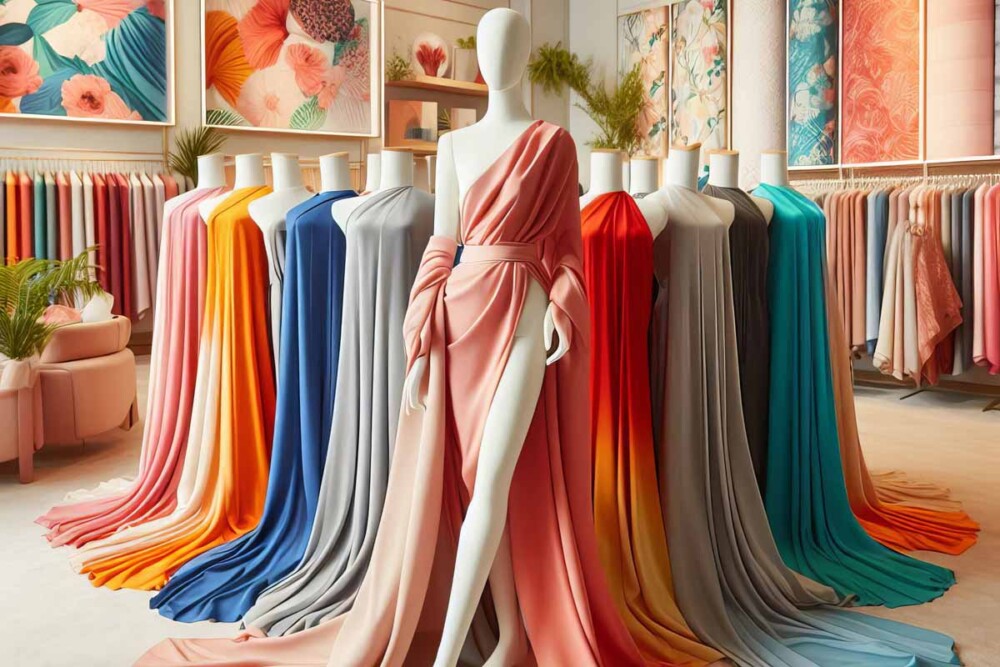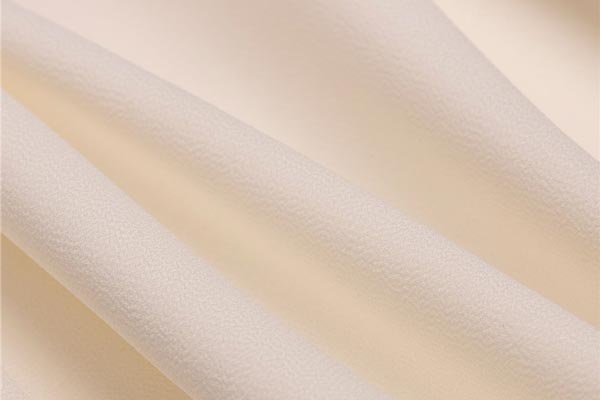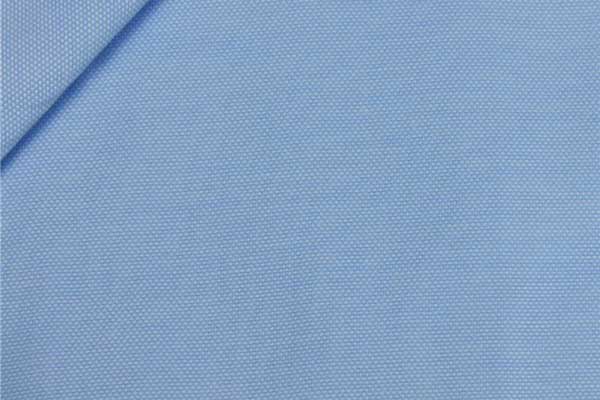
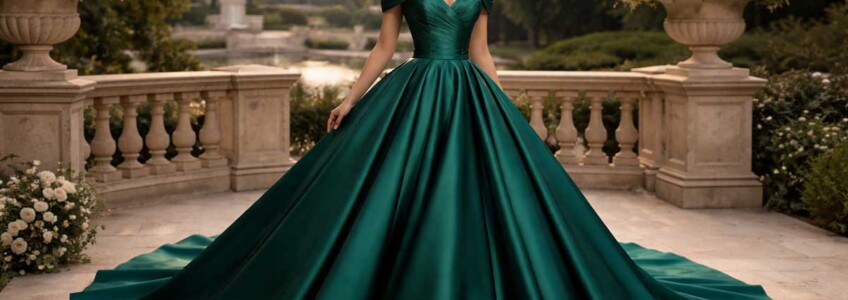
mikado dress

Mikado fabric: what it is, how to recognize it, differences with satin and silk, washing and prices

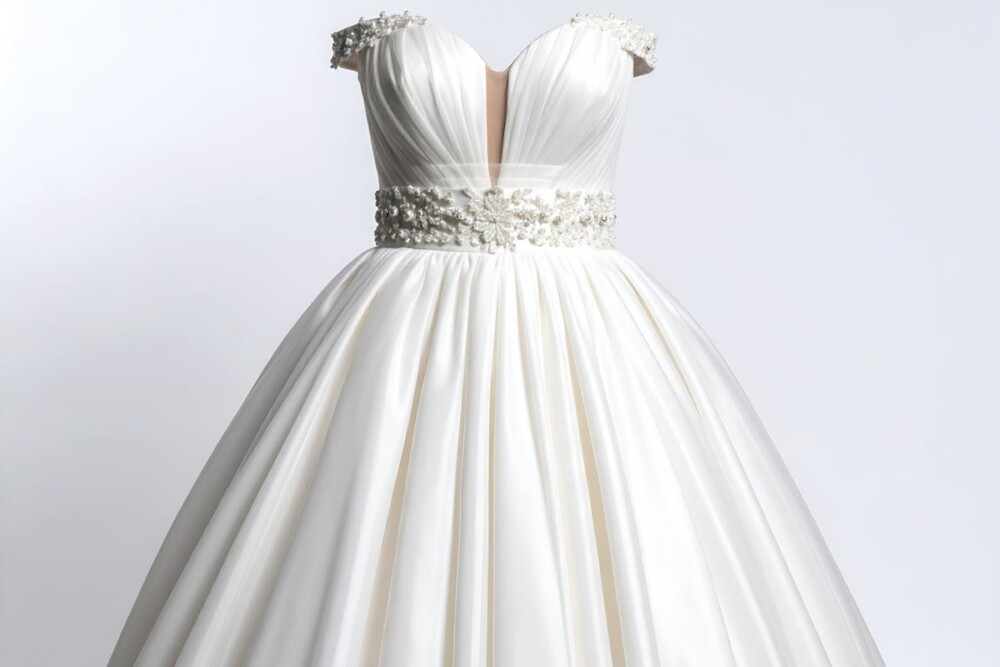
Mikado fabric is one of the most sought-after choices in wedding and formal wear fabrics when you need structure, volume, and clean lines. It is often used to make minimal wedding dresses, structured formal pieces and full skirts that must hold a certain shape.

Behind the name “mikado”, however, there are variations that differ in composition, yield and price. To better understand the different versions of this fabric, Manifattura Foderami Cimmino explains what Mikado fabric is, how to recognize it by touch and sight, the difference between satin and mikado, how it changes compared to silk, how to wash and iron it without damaging it, how many types exist and how much Mikado fabric costs, also paying attention to the specific case of silk mikado wedding dress.
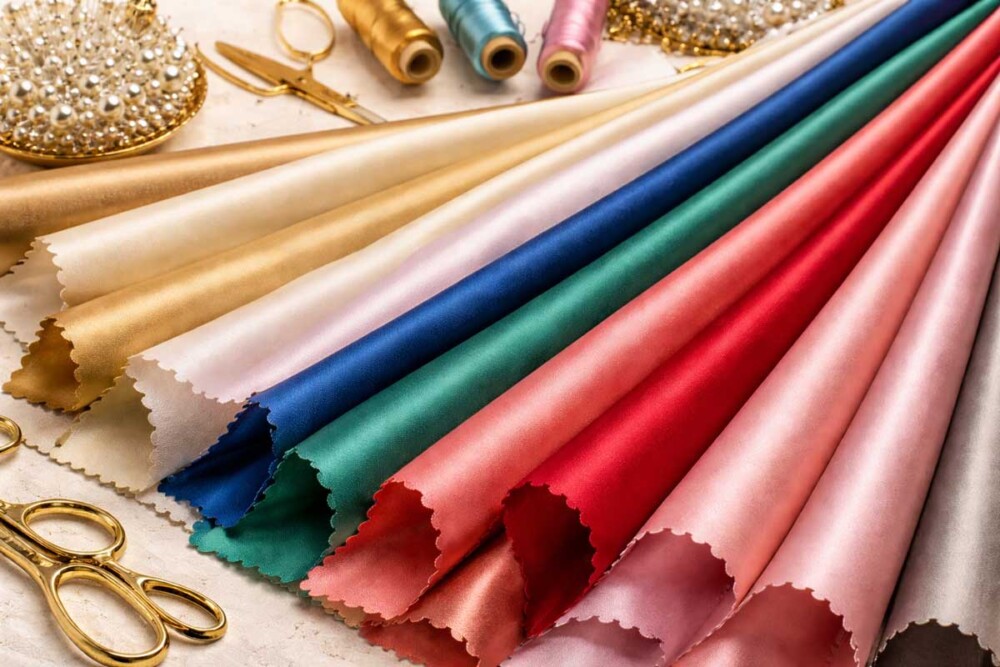
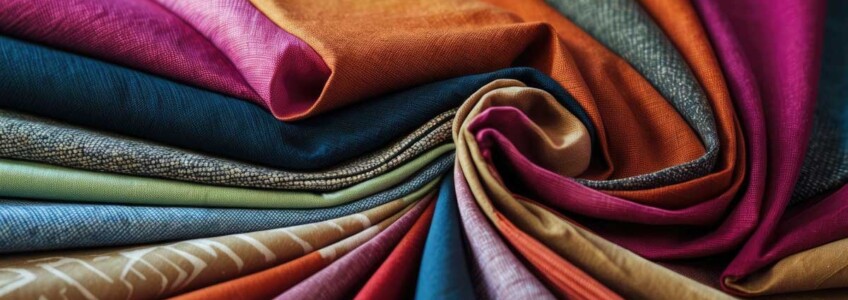
mikado tissue samples

What is Mikado fabric and what kind of fabric it really is

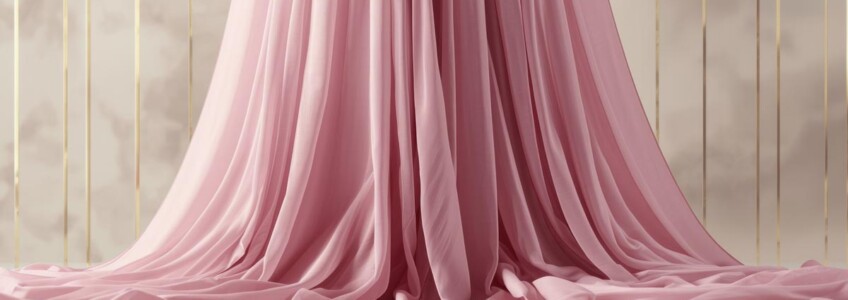
Mikado appears as a sustained, textured fabric, with a generally smooth (more or less shiny) surface and a full-bodied hand. It is designed to hold volumes, folds and clean constructions: this is why it is so widespread in ceremonial and bridal tailoring.

Is Mikado fabric synthetic? Composition and variants

It should be noted that the term mikado does not indicate a fiber, but a type of fabric/processing. Based on this manufacturing process, different types of Mikado can be distinguished:

  • Silk Mikado: the finest by hand and rendered, naturally breathable, with elegant shine.
  • Silk blend mikado: a widely used compromise between quality and price, it maintains structure and some of the softness of silk.
  • Polyester Mikado: More accessible, stable, and easy to manage; shine is usually more controlled (or duller, depending on the finish).

Mikado fabric can be synthetic, but it is not by definition. The composition of Mikado fabric determines behavior, maintenance and cost.


Tessuto Mikado

This fine fabric with diagonal weave is made according to an ancient Japanese processing technique that gives the surface a slightly grainy texture and a refined, instantly recognizable visual effect. The brilliant and sophisticated appearance makes the Tessuto Mikado an ideal choice for those looking for a material capable of enhancing high-level tailoring creations.
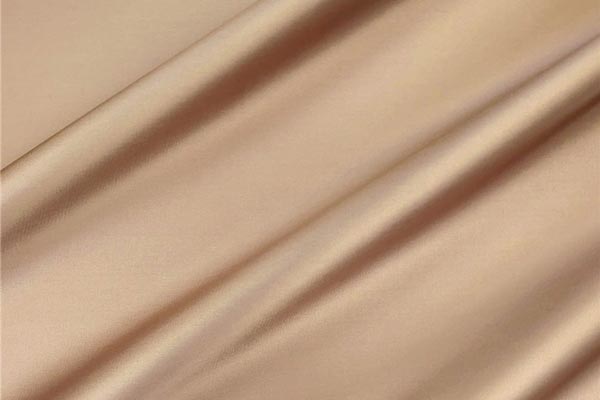
tessuto mikado

Thanks to its full-bodied structure and flawless fall, this fabric is particularly suitable for the creation of formal dresses, elegant garments and fashion projects that require a precise fit and a harmonious silhouette. The drapery is clean and controlled, allowing you to build defined volumes without losing fluidity, while the diagonal weave adds movement and sophistication to even the most essential lines. It is a fabric designed for those who want a final result with a strong visual impact, but always balanced and without excess.

Available in a wide range of colors, it combines tradition and modernity, offering excellent quality to make exclusive and timeless garments. The 100% polyester composition ensures dimensional stability and a constant yield during the packaging phase, making it suitable for both professional tailoring and more contemporary couture creations. With a height of 150 cm, a weight of 262.5 g/mtl and approximately 175 g/m², this elegant fabric represents a versatile solution for formal collections, evening dresses and fashion projects that require stage presence, brilliance and a structured hand.


Is Mikado a fine fabric? Composition makes the difference

Mikado is not automatically one of the fine fabrics for women’s clothing. The quality of this fabric, in fact, depends above all on the fiber (silk or polyester), the weight, the finishing and the hand. A silk mikado is considered valuable for its yield, comfort, and surface depth. A polyester mikado may be great for stability and price, but it doesn’t fall into the same luxury category. The rule for determining how valuable a mikado fabric is is simple: you should always evaluate both the composition and the perceptible quality.
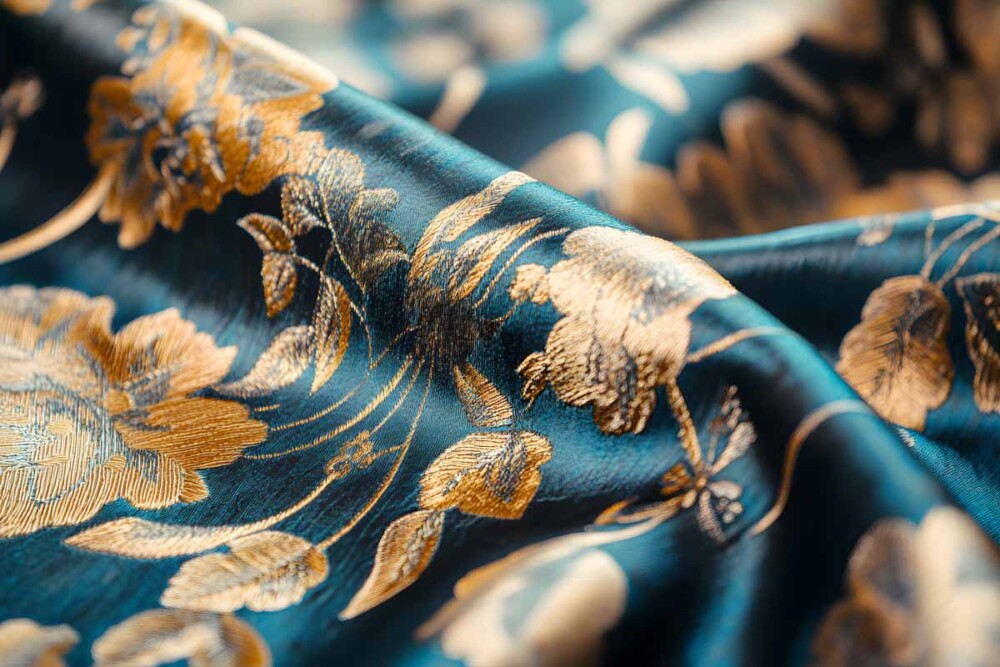
mikado fabric

What’s the difference between satin and mikado (and why the choice of model changes)

The difference between satin and mikado is immediately felt when wearing a dress made of one of these two fabrics. Satin is smoother and “slippery”: it accompanies the silhouette, creates soft drapes and marked reflections. The mikado, on the other hand, is more consistent: it designs the shapes, supports the corpini, maintains folds and architectural constructions.

The mikado is an excellent choice for controlled volume, full skirts, bows that stay in shape and clean lines. Satin should be preferred when looking for movement, body grip and a more liquid effect.

What is the difference between silk and mikado

Mikado and silk are not two overlapping concepts. Silk is a natural fiber of animal origin, while mikado is a type of fabric that can be made of silk, silk blend, or polyester. When we talk about “silk mikado”, therefore, we mean a mikado whose main fiber is silk. What emerges from this union is a truly fine fabric used to make formal dresses, haute coutures and wedding dresses.
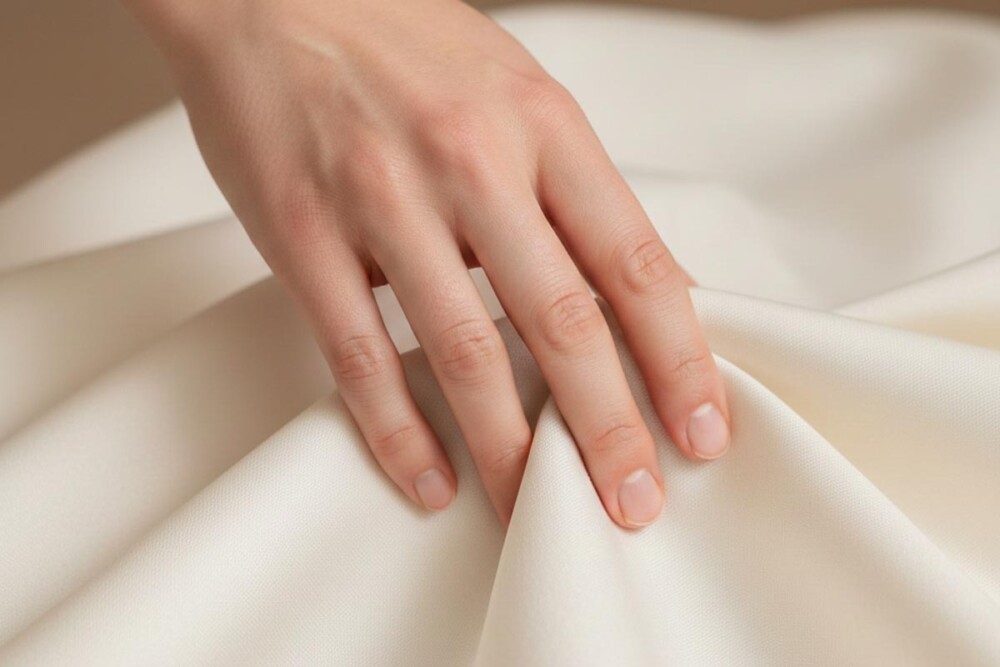
recognize Mikado tissue

How to recognize mikado: visual and tactile cues

To recognize the mikado, you need to observe and touch the tissue well, identifying these key characteristics:

  • Hand: It is full-bodied, “holds” between the fingers.
  • Surface: Smooth, often less mirrored than satin; the texture may be slightly noticeable.
  • Drop: Doesn’t run like a flowing satin; holds creases and volumes.
  • Behavior: Folds and flakes hold their shape.

One of the most common mistakes is confusing mikado with a heavy satin or similar textured fabrics. The first, however, has a more “architectural” response to sartorial constructions.

How to Wash a Mikado Dress: Basic Rules and What Changes with Silk/Polyester

There are also specific washing instructions for the mikado that must be followed to ensure that the fabric retains its maximum shape and aesthetic yield. For this reason, the first thing to do before proceeding with washing a mikado dress is to check the label and composition of the fabric.

How to wash silk mikado? This operation requires the utmost delicacy and professional cleaning is often recommended to avoid any damage. Those who want to venture a home wash must proceed with gentle programs, cold water and specific detergents.

Washing polyester mikado, on the other hand, is definitely more manageable as a circumstance: gentle cycles and low temperatures help preserve structure and finish.

In both cases, aggressive centrifuges and dryers must absolutely be avoided as they could interfere with the structural folds that are part of the fabric value.

How to Iron Mikado: Temperature, Protection Cloth, and Steam Management

To iron the mikado without leaving marks on the fabric, you need to follow a series of specific steps:

  • Work inside out with a protective cloth;
  • Use low or moderate temperatures (lower on silk);
  • Dose the steam carefully: it can help relax creases, but too much risks streaks or loss of structure.

During all stages of ironing it is better to press lightly rather than “squeeze”: the mikado should be accompanied, not tamed.
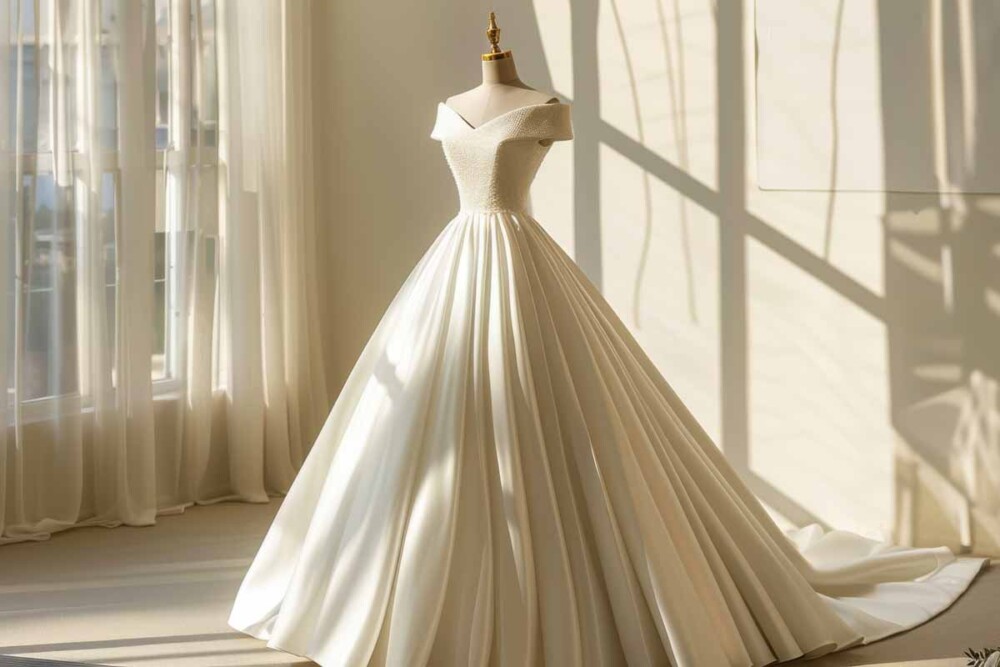
mikado wedding dress

Mikado for Wedding Dress: Features That Make a Difference

In the bridal sector, mikado is one of the most popular fabrics for wedding dresses, especially for achieving clean silhouettes and controlled volumes. The characteristics of the mikado wedding dress are clearly recognizable:

  • natural support for full skirts and structured bodices;
  • impeccable rendering of folds, bows and panels;
  • modern and minimal aesthetic, with elegant shine (variable by finish).

This is an ideal fabric when the design requires shape and precision. However, it requires careful cutting and careful finishing as the structure highlights every detail.

How many types of Mikado wedding dresses are there?

An overview that includes the different types of mikado is based on the distinction of this fabric based on the criteria that directly impact its use. So we have several Mikados:

  • for fiber: silk / silk / polyester blend;
  • for finish: shinier or duller;
  • for weight and stiffness: medium, sustained, very structured.

The choice depends on the project: a full skirt demands more body; a bustier can benefit from a more compact mikado; an evening dress may prefer a less shiny finish.
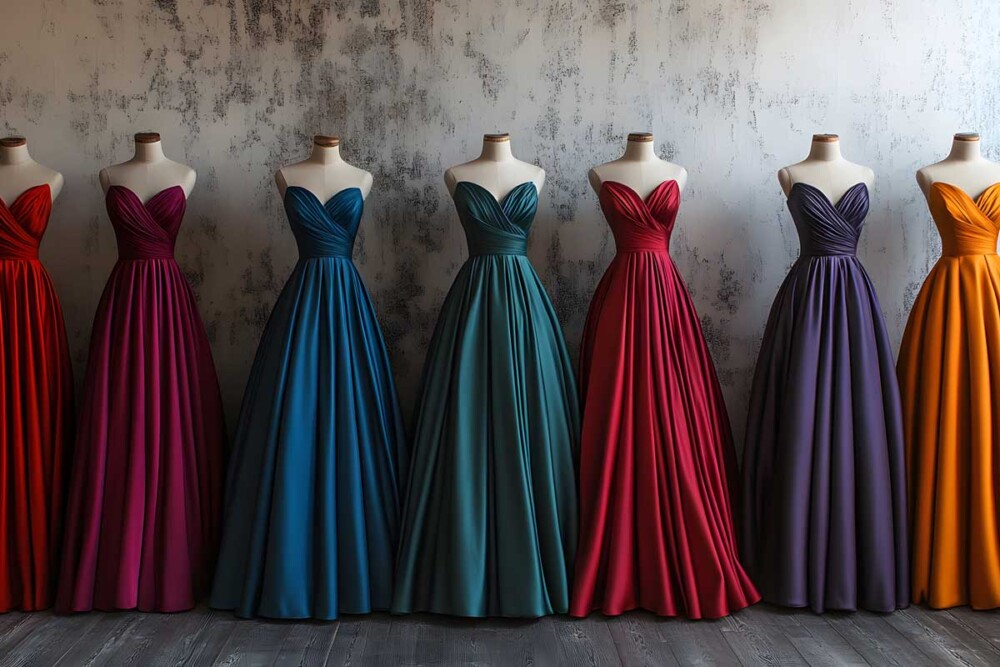
mikado fabric dresses

How much does Mikado fabric cost per meter

The price of mikado per meter varies significantly. Polyester versions are the most accessible entry level. Moving up towards mixed silk and 100% silk increases cost and perceived quality. The main factors that influence are:

  • composition;
  • weight and height of the fabric;
  • finishing;
  • dyeing/color.

How much does a silk mikado wedding dress cost: what really depends on

The cost of a silk mikado wedding dress is not determined by the fabric alone. They weigh much more:

  • the internal construction (sticks, corsetry, layers);
  • sartorial hours;
  • the brand and the level of customization.

Silk mikado is a fine base, but the final price reflects above all design and labor.

To choose the mikado best suited to your tailoring project, you can consult all the variations available on CimminoShop, with the option to request samples to evaluate the hand, structure and yield before purchasing.


FAQ – Frequently Asked Questions about Mikado Fabric

What kind of fabric is mikado?

It is a structured and supported fabric, designed to hold clean volumes and lines. It can be made of silk, silk blend or polyester.

What is Mikado fabric?

It is a type of fabric used mainly in ceremonies and bridal for its ability to maintain shape, folds and architectural constructions.

Is Mikado fabric synthetic?

It can be: there are mikados in polyester, but also in silk or silk blend. The composition determines yield and maintenance.

What is the composition of Mikado fabric?

It is not unique: the main variants are 100% silk, silk blend and 100% polyester.

Is Mikado a fine fabric?

It is when it is in silk (or quality silk blend). Synthetic versions are cheaper and more practical, but they do not fall into the same range.

What’s the difference between satin and mikado?

The satin is more fluid and adherent; the mikado is more consistent and structured, ideal for volumes and clean lines.

What is the difference between silk and mikado?

Silk is a natural fiber of animal origin; mikado is a type of fabric that can be made of silk, blend, or polyester.

How to recognize the mikado?

With a full-bodied hand, a drop that holds folds and a smooth surface less “liquid” than satin.

How to wash a mikado dress?

It depends on the composition: silk requires maximum delicacy (often professional cleaning), polyester tolerates gentle cycles at low temperatures.

How to iron Mikado?

On the reverse side, with protective cloth and low/moderate temperatures. Steam should be dosed with caution.

What are the characteristics of Mikado fabric for wedding dress?

It supports volumes, maintains folds and offers a clean and modern aesthetic, perfect for architectural silhouettes.

How many types of Mikado are there?

The main differences concern fiber (silk/mixed/polyester), finish (glossy/matte) and stiffness.

How much does Mikado fabric cost?

The price per meter varies greatly: polyester is more affordable, silk mikado is at the high end.

How much does a silk mikado wedding dress cost?

It depends above all on construction, labor and brand, as well as the fabric.
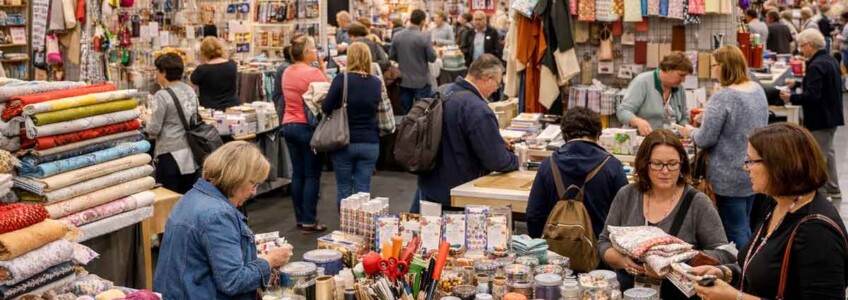
fiera hobby e handcraft

h+h Cologne | March 20-22, 2026 | Cologne

From March 20 to 22, 2026, the city of Cologne will once again be the world center for the creative crafts and manual activities sector with h+h cologne, the leading international fair dedicated to handmade, hobbies, and handcrafts. The event is designed to connect professionals, brands and buyers from all over the world, offering a comprehensive overview of market evolutions and new creative directions.

With a renewed brand identity and an increasingly business-oriented positioning, h+h cologne presents itself as a strategic platform for the development of new business opportunities, product scouting, and comparison between specialized operators.

h+h Cologne: a benchmark for yarns, fabrics, sewing and creativity

h+h cologne 2026 offers a comprehensive showcase of new market developments, from yarns and fabrics to sewing, knitting, crochet, and embroidery tools, to contemporary crafting accessories and solutions. The event is designed to meet the concrete needs of specialized retail, connecting creativity, product innovation, and sales strategies.

For professional visitors, the fair represents an opportunity to discover emerging trends, analyze new consumer behaviors, and identify international suppliers. Alongside the exhibition areas, events, talks, workshops, and networking opportunities are taking place, designed to stimulate the exchange of expertise and the emergence of new collaborations.

In the h+h years, Cologne has established itself as a true international hub for the sector, capable of attracting exhibitors and buyers from numerous countries and generating lasting business relationships. The goal for 2026 is also to offer a dynamic environment where artisanal skills can engage with the needs of an ever-changing global market. Manifattura Foderami Cimmino will be present at Hall 11.2 – T013.

DanzaInFiera

DanzaInFiera | February 20-22, 2026 | Fortezza da Basso, Florence

DanzaInFiera 2026 is preparing to celebrate a major milestone: the twentieth edition of one of the most iconic events dedicated to the world of dance in Europe. The event is scheduled for February 20-22, 2026, at the Fortezza da Basso in Florence, a historic location that has hosted this event for years, combining entertainment, education, and networking.

Over the years, DanzaInFiera has established itself as a point of reference for dancers, teachers, choreographers, schools and enthusiasts, thanks to a format that goes beyond the simple fair. The event offers a multifaceted program that includes lectures, workshops, auditions, competitions, and live performances, creating a dynamic ecosystem where talent meets professional opportunities.

DanzaInFiera: an international hub for dance and its professions

One of the distinctive elements of DanzaInFiera is its international dimension. Every year, the event welcomes participants and entities from all over the world, transforming Florence into a true dance capital for three days. Visitors can take part in master classes led by renowned teachers and choreographers, watch exclusive performances, and engage with current trends in the dance scene.

Alongside its educational and artistic offerings, the event also hosts a large exhibition area, featuring brands specializing in technical clothing, footwear, accessories, and services dedicated to the sector. A valuable opportunity not only to discover the latest news, but also to create professional relationships and start new collaborations.

The 20th edition aims to further enhance the dialogue between tradition and innovation, between classical disciplines and urban languages, offering a comprehensive overview of the evolution of the world of dance. With its mix of energy, creativity, and concreteness, DanzaInFiera 2026 confirms itself as an unmissable event for those who experience dance not only as a passion, but as a path to personal and professional growth. Manifattura Foderami Cimmino will be present, at the Central Pavilion on the Ground Floor, Stand B/3.

Texworld Apparel Sourcing

Texworld Apparel Sourcing | February 2-4, 2026 | Paris, Le Bourget

Texworld Apparel Sourcing Paris will return from February 2 to 4, 2026, at the Paris Le Bourget Exhibition Centre (Pavilions 2, 3, and 4), confirming its position as one of the most central European events for those working in textiles, finished products, and the fashion supply chain. The fair is designed for buyers and industry professionals: free admission with professional credentials and a digital badge to display directly from your smartphone.

The format brings together three complementary “worlds” in a single platform. Texworld showcases fabrics and materials (from cotton to functional fabrics, including jacquards, prints, knitwear, wools, silks, and accessories), with a strong focus on denim as well. Apparel Sourcing is instead oriented towards the finished product and accessories: menswear, womenswear, childrenwear and a large sector dedicated to accessories (from bags to hosiery, up to scarves and hats). Avantex remains the leg “innovation” of the project, but is indicated as the presence of the September edition only.

Trend and sustainability at the heart of Texworld Apparel Sourcing 2026

For the February 2026 edition, the organization is focusing on a more fluid visit, rethinking the distribution of sectors to allow buyers to seamlessly transition between materials and product lines. Among the announced moves: the Apparel Sourcing area dedicated to women’s wardrobes (“All about her”) and Texworld’s Knit offering are positioned in Hall 3; Hall 4 strengthens the activewear/casual-sport axis, while prints and jacquards are brought closer to “silky aspects” to consolidate the women’swear offering. Pavilion 2 remains the heart of trend forums, round tables and services, with spaces also designed for networking and breaks.

On the content front, the fair presents itself as an operational observatory for the development of the Spring–Summer 2027 collections, with creative directions curated by the event’s artistic leadership. There is also growing attention to sustainability and traceability, with dedicated tools and moments in the Texpertise Econogy perimeter and an Econogy Hub located in the passage between Pavilions 2 and 3.

From a practical point of view, the event is open Monday–Wednesday from 9:00 to 18:00, with detailed information on access and transport: RER B connections (Le Bourget station) and free shuttles, including services to/from Roissy Charles de Gaulle and Porte Maillot. Wardrobe and luggage storage services are also provided, as well as a mobile app with a map, exhibitor list, trends and events. Manifattura Foderami Cimmino will be present, at HALL 3 – STAND D357.

Munich Fabric Start

Munich Fabric Start | January 27-29, 2026 | Munich

MUNICH FABRIC START 2026 returns with its winter edition, scheduled for January 27-29, 2026 in Munich, at the MOC – Event Center Messe München. The event confirms itself as one of the key events for the European textile and clothing industry, offering a comprehensive overview of the news for the Spring-Summer 27 season.

With the participation of more than 1,000 international exhibitors, the event brings together producers, designers, buyers and product managers in a highly specialized context designed to foster dialogue between creativity, technical development and business. The collections presented range from fabrics and accessories to the most advanced sourcing and manufacturing solutions, offering a broad and up-to-date view of future directions in the industry.

Munich Fabric Start: An international hub for trends, innovation, and materials research

Alongside the main exhibition area, MUNICH FABRIC START also offers thematic spaces that enrich the exhibition experience, such as BLUEZONE, dedicated to the world of denim, and platforms such as KEYHOUSE and THE SOURCE, focused on innovation, experimental materials, and new technologies. These areas become real laboratories of ideas, where research, sustainability and industrial development meet.

One of the event’s distinctive elements is also its content program, which includes talks, presentations, and insights into trends, market changes, and the new needs of the fashion supply chain. An offer designed not only to showcase products, but to provide concrete tools for orientation and inspiration.

With an increasingly international vision and a future-oriented format, the MUNICH FABRIC START 2026 confirms itself as a strategic platform for anticipating trends, building professional relationships, and defining sourcing choices for the coming seasons. Manifattura Foderami Cimmino will be present at HALL 4 – STAND E07.

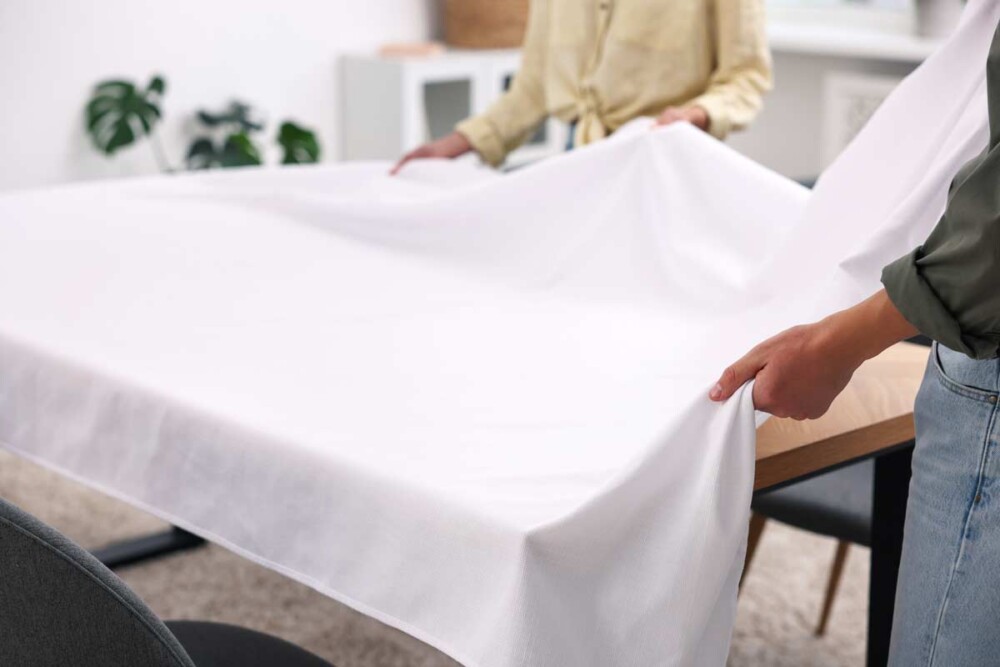
create a DIY tablecloth

DIY Tablecloth: How to Create a Custom Tablecloth, from Measurements to the Finish Hem

Sewing a DIY tablecloth is one of the most useful projects for those who love home sewing. It’s ideal when the table is out of size, when you add an extra guest extension, or when you want a precise color that isn’t found in packaged models. Making a custom tablecloth allows you to choose the fabric, define your preferred drop, and finish the hem as desired, achieving a personalized result that is well-proportioned to your table.

To achieve this, two things are needed above all: carefully taken measurements and cleanly finished edges. The rest is a matter of taste and choosing the right fabric from those offered by Manifattura Foderami Cimmino.

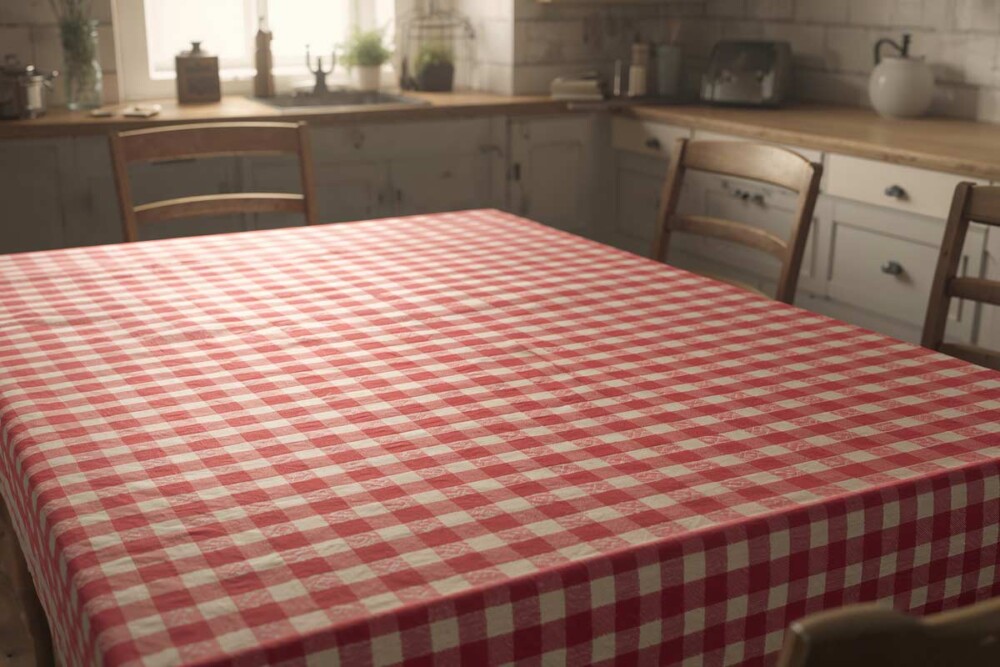
DIY tablecloth

How to choose fabric for a DIY tablecloth

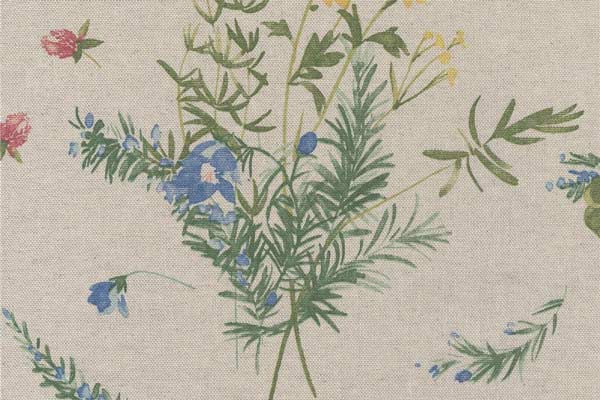
The fabric determines the appearance and use of the tablecloth. The choice is not only aesthetic: it affects daily practicality, fabric drop and ease of maintenance. Those who use tablecloths every day tend to prefer practical, durable materials that can withstand frequent washing and quick ironing, and patterns that adapt to the different seasons, such as floral-themed fabrics in the warmer months. For special occasions, however, we look for soft drops and more elegant effects, capable of enhancing the table setting and furnishings of the room.

Choosing the right fabric for a DIY tablecloth also means evaluating where it will be used: kitchen, dining room, outdoor, or party tables. When shopping online, it is useful to look, in addition to fantasy, also at the height of the fabric, composition and weight. These are elements that influence the fall, durability and maintenance, and therefore the final result of the tablecloth, whether it is for everyday use or a project designed for large occasions.

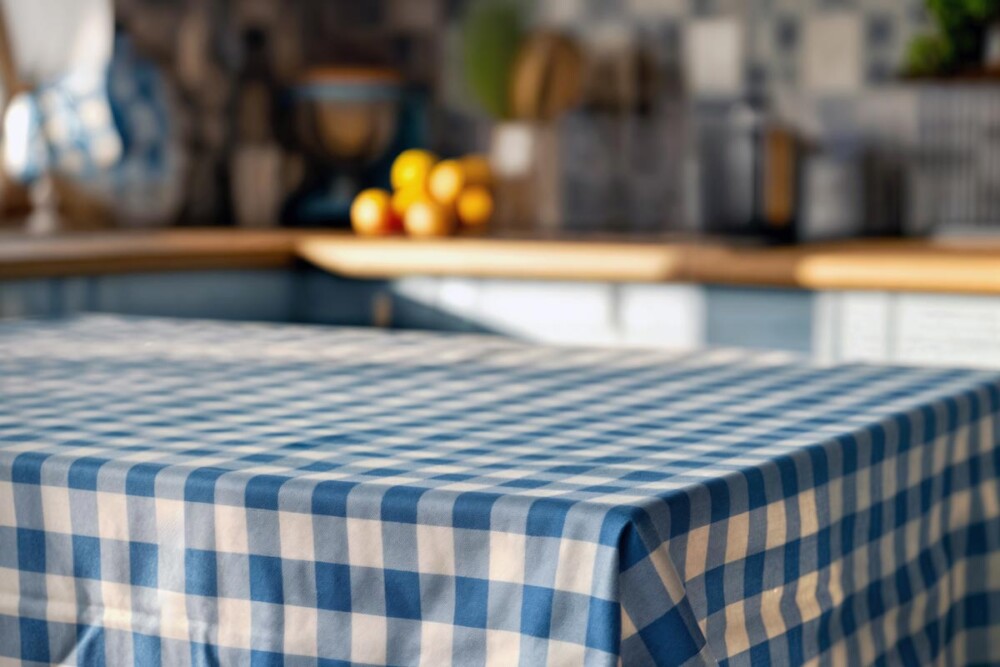
cotton tablecloth

Cotton for an everyday DIY tablecloth

Cotton is the most common choice when making a DIY tablecloth for everyday use. It is natural, pleasant to the touch, resistant to frequent washing and easy to sew even for those with little experience. It absorbs moisture well and is ideal for family kitchens and tables. It requires a minimum of ironing, but offers a always neat and authentic look, perfect for DIY tablecloths with a simple and functional character.


Tovagliato Arco

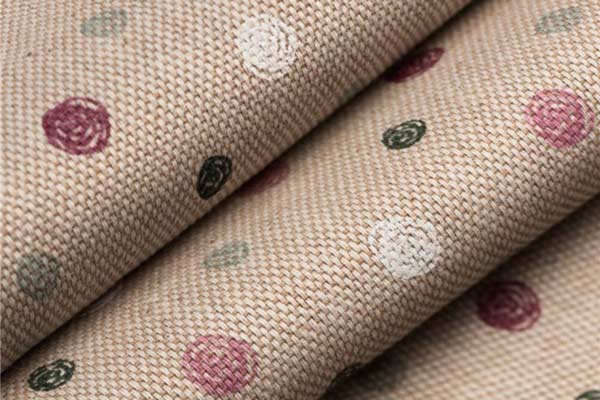
Tovagliato Arco is a quality 100% cotton fabric, durable and pleasant to the touch, ideal for creating textile elements for the table. With a height of 180 cm and a weight of 167 g/m², it is perfect for making tablecloths, napkins and runners, ensuring a good fit and a natural fall.

Tovagliato Arco

Thanks to its thread-dyed workmanship and non-stretch structure, it maintains color and shape over time, making it also suitable for creating favor bags and small home accessories.


Tessuto Drill Arianna

Tessuto Drill Arianna

Tessuto Drill Arianna is a 100% cotton fabric with drill weave and pigment print, designed for home furnishings thanks to its robust structure and decorative rendering. With a height of 320 cm and a weight of 190 g/m², it is ideal for making cushions, curtains, scarves and tablecloths of various sizes.

The extra height also makes it perfect for 160cm diameter circular tablecloths without center seams. Versatile and durable, certified OEKO-TEX® STANDARD 100, combines practicality and aesthetics, easily adapting to different furnishing styles.

polyester mixed tablecloth

Polyester blend for a practical and easy-to-handle tablecloth

The polyester blend is suitable for those who want to iron lightly and want a stable tablecloth that does not deform with use. This type of fabric dries quickly, resists creases, and maintains vibrant colors over time, a useful feature especially in DIY tablecloths with patterns or bright colors. It is a practical solution for those who use the tablecloth often and seek a good balance between aesthetics and reduced maintenance.


Panama Sondrio Unito / Stampato

Panama Sondrio Unito / Stampato is a robust and consistent fabric, derived from canvas, ideal for the production of linen and furnishing textile accessories. Thanks to the composition 88% cotton and 12% polyester guarantees resistance to daily use and good shape stability.

Panama Sondrio Unito / Stampato

With a height of 280 cm and a weight of 185 g/m², it offers an excellent performance for cushions, armchairs, cushion covers, tablecloths and napkins, maintaining a well-groomed appearance over time. Certified OEKO-TEX® STANDARD 100, it is available both joined and printed, to adapt to classic or modern furnishing styles with great versatility.

stain-resistant tablecloth

Resin or stain-resistant fabrics for a super practical tablecloth

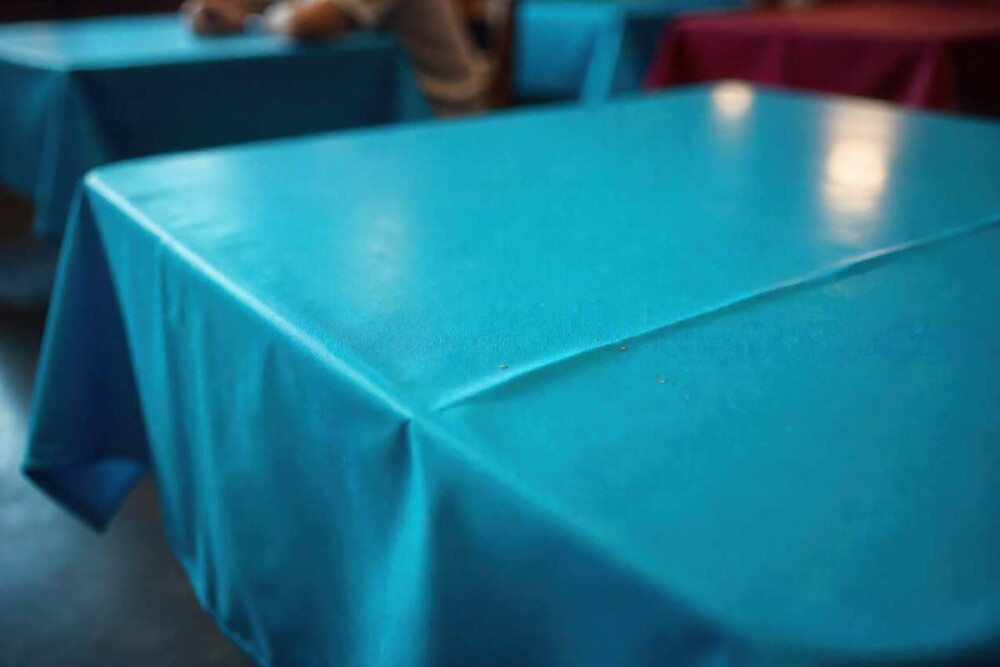
Resin or stain-resistant fabrics are perfect when practicality is the priority. A DIY tablecloth made from these materials is ideal for children, for outdoor use, for heavily used tables, or for those who don’t want frequent washing. Stains are easily removed with a damp cloth and the surface remains protected. They are also suitable for work tables or kitchens where you eat every day and want a tablecloth that is always tidy.


Tessuto Canazei Resinato

Tessuto Canazei Resinato

Tessuto Canazei Resinato is ideal for tablecloths and kitchen/home furnishings, also designed for small interior and exterior upholstery interventions. The 90% cotton and 10% polyester composition offers a natural hand combined with good resistance, while the resinated treatment makes it stain-resistant and water-repellent.

With a height of 140 cm and a weight of 225 g/m², it is practical, robust and suitable for tables, chairs and complements where simple maintenance and protection from stains and wear are needed. OEKO-TEX® STANDARD 100 certified, combines functionality and aesthetics for worry-free daily use.


Tessuto Hp Lussemburgo Resinato

Tessuto HP Lussemburgo Resinato is a half panama resin-coated in 100% cotton, robust and resistant, ideal for making tablecloths and furnishing accessories. Pigment printing enhances decorative patterns.

Tessuto Hp Lussemburgo Resinato

The dense weave and resin treatment with two layers of acrylic resins ensure high stain protection and quick and easy cleaning. With a height of 140 cm and a weight of 220 g/m², it is suitable for both domestic and professional use, combining practicality and style. OEKO-TEX® STANDARD 100 certificate, ensures material safety and quality over time.

measure tablecloth

How to calculate tablecloth measurements for each table shape

Tablecloth sizes vary depending on the shape of the table, rectangular, round, or square, but also on the style you want to achieve: shorter and more practical for everyday use, longer and more enveloping for special occasions. To choose the correct size, it is important to always start from the real table: measure the length, width, or diameter and add the drop of the tablecloth, that is, the part of the fabric that goes down over the edge.

Falling the tablecloth is not a secondary aesthetic detail, because it affects the comfort of seated people and the visual impact of the table. A shorter fall leaves the legs completely free and has a casual look; a more generous fall makes the tablecloth more elegant and continuous.

Here’s how to navigate tablecloth and tabletop sizes in different table shapes.

Tablecloth measurements for rectangular tables

For rectangular tables, the top is measured and the drop on the four sides is added. For everyday use, a smaller fall is sufficient; for special occasions, a few centimeters can be increased.

SeatsIndicative table sizeRecommended fall per sideIndicative measure tablecloth
6 seats140 × 80 cm25 cm190 × 130 cm
8 seats180 × 90 cm25–30 cm230–240 × 140–150 cm
10 seats240–260 × 100 cm30 cm300–320 × 160 cm
12 seats260–300 × 100–110 cm30–35 cm320–370 × 160–180 cm
24 seats (joined tables)variable30–35 cmsingle tablecloth or multiple matching tablecloths

Tablecloth measurements for round tables

For round tables, the calculation is direct: the diameter of the table is measured and the desired drop is added on each side. The diameter of the finished tablecloth is thus obtained.

Table diameterRecommended fall per sideIndicative diameter finished tablecloth
80 cm20–25 cm120–130 cm
100 cm20–25 cm140–150 cm
120 cm25–30 cm170–180 cm
140 cm25–30 cm190–200 cm
160 cm30–35 cm220–230 cm

Square Tablecloth Measurements

Here you measure the side of the table and add the drop on all four sides. The result is the side of the square tablecloth.

Side of the tableRecommended fall per sideIndicative measure square tablecloth
70 × 70 cm20–25 cm110–120 cm
80 × 80 cm20–25 cm120–130 cm
90 × 90 cm25–30 cm140–150 cm
100 × 100 cm25–30 cm150–160 cm
120 × 120 cm30–35 cm180–190 cm

How much fabric is needed to make a custom tablecloth

Once the measurements have been established, it remains to be seen how much fabric to purchase. This is the most important step before ordering, because it allows you to avoid waste but also to avoid ending up with insufficient fabric. The quantity depends on the final size of the tablecloth, the shape of the table, and the height of the fabric available on the roll.

If the fabric is 280–300 cm high, in most cases it is sufficient to purchase only the necessary length. When the table is particularly wide, or when a very generous drop is desired, however, it may be necessary to join two sheets. In these cases, it’s best to choose small patterns, dense textures, or full colors: the stitching remains discreet and visually almost invisible.

For fabrics with a smaller height (e.g. 140–160 cm), you are more likely to need to create a central or side seam. When done carefully, it can become a decorative element, especially in DIY tablecloths with contrasting edges.

For a round tablecloth the calculation is direct: diameter of the table + fall on both sides = diameter of the tablecloth. Starting from this measurement, the required fabric length is determined, remembering to always add a few extra centimetres for the hems and any finishing touches. This small reserve of fabric avoids surprises and allows you to work with greater peace of mind when cutting and sewing.

tablecloth hem

How to hem a tablecloth and trim the edge

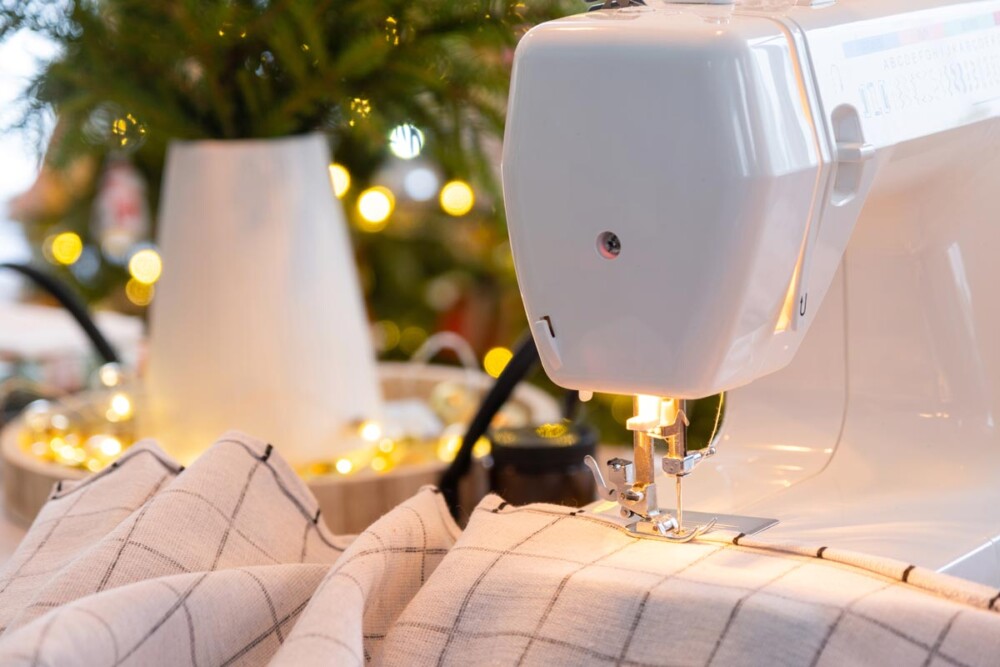
The hem is the passage where the tablecloth takes final shape. The simplest method is the double hem: you fold the edge inwards, fold it again and sew along the entire perimeter. This way the fabric does not fray and the finish remains clean. Those who want a more precise result can make the “cap” corners, which reduce the thickness in the corners and create a very neat geometric effect. To hem a tablecloth, a seam cutter is not essential: a regular sewing machine is fine, and you can also work by hand.

To get a really regular edge, a few little tricks can be helpful:

  • Iron before sewing: Pass the iron after the first and second folds “stops” the fabric and makes the seam straight without having to pull the edge while sewing
  • Use sewing pins or tweezers: especially on slippery fabrics, they help keep the hem size constant
  • Drawing a guide: with chalk or a heat-soluble pen you can mark the line to follow 1 or 2 cm from the edge, useful if you are a beginner
  • Reduce thicknesses in corners: Slightly cutting off excess fabric inside the edge before folding it avoids visible “bumps”
  • Choosing the right spot: A slightly longer-than-normal straight spot (2.8–3 mm) avoids wrinkles and makes the hem smoother
  • Don’t pull the fabric: accompanying it under the foot of the machine allows you to avoid waves, especially in round tablecloths

Another decorative solution consists of applying a bias or a contrasting fabric border: in addition to finishing the profile, it allows you to customize the DIY tablecloth and match colors and patterns already present in the kitchen or dining room. Again, working with the iron on hand and proceeding for short stretches makes the final result cleaner and more uniform.

tablecloth for round table

How to sew a round tablecloth without creases

In the case of the round tablecloth, a little’ more patience is needed than with the rectangular one. The edge includes several sections on the bias, that is, cut diagonally with respect to the weave of the fabric, and for this reason it naturally tends to give way and form small waves. To avoid them, it is important to sew the hem a few centimeters at a time, without pulling the fabric, accompanying it under the foot and ironing as you go. Leaving the tablecloth resting on the table a few hours before sewing helps to settle the fall and check if the chosen diameter is the desired one.

It helps a lot to start by cutting the circle as precisely as possible, using sharp scissors or a wheel: small irregularities along the edge immediately become visible in a round shape. Before sewing the hem of the final tablecloth, you can prepare the edge by making tiny cuts in the inner edge of the fold, so that the fabric adapts better to the curve. The iron, in this work, is almost more important than the sewing machine: folding, ironing and only after sewing makes the edge regular and reduces ripples.

Choosing a point also helps: a slightly longer straight point than usual accompanies the curve and limits wrinkles. If the sewing machine allows, slightly decreasing the press of the foot facilitates sliding in the bias parts. Those who prefer greater safety can first make a basting seam along the entire edge of the round tablecloth, to be removed when the work is finished. Alternatively, applying a bias or pre-formed edge allows you to achieve a clean finish without having to directly manage the traditional curved hem.

sew tablecloth

Common Mistakes to Avoid When Sewing a DIY Tablecloth

When making a DIY tablecloth, it is normal to do some testing and, sometimes, some small mistakes. However, some are often repeated and can compromise the final result, especially in the measurements and the hem. Knowing them in advance helps you avoid them and work with more peace of mind.

  • Don’t measure the real table
    The measurements “by seats” are indicative only: each table has its own dimensions and must always be measured.
  • Don’t consider the tablecloth falling off
    Calculating only the top leads to tablecloths that are too short; the drop should be added on all sides.
  • Do not check the height of the fabric
    If the height is insufficient, unexpected joints will be necessary.
  • Cut without washing and ironing the fabric
    Some fabrics shrink slightly on the first wash: it’s best to prepare them before cutting.
  • Making the hem quickly
    It is the most visible part of the tablecloth: proceeding slowly makes the edge more regular.
  • Pull the fabric when hemming round tablecloths
    This creates waves and ripples; the edge should be accompanied, not forced.

Making a DIY tablecloth means choosing measurements, drops, and details that truly reflect your table and style. With little care in the choice of fabric, hem and finishing, the result can be surprising even for those who do not have much sewing experience. At this point, only the main ingredient is missing: the right fabric.

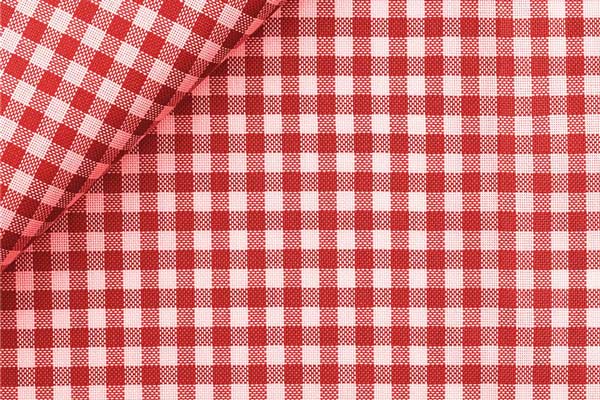
If you’re designing your next custom tablecloth, explore the selection of tablecloth fabrics available at Cimmino’s shop: solid colors, Vichy pattern and other patterns, stain-resistant resin, and different heights to suit every table. You will find quality materials and lots of ideas to start with for your creative project.


FAQ – Frequently Asked Questions about How to Make a DIY Tablecloth

How do I create a DIY tablecloth from scratch?

Measure the table, add the desired drop on the four sides and cut the fabric accordingly. Then finish the edge with a double hem or a decorative bias. With easy-to-sew fabrics, such as cotton or polyester blend, the project is suitable even for beginners.

How much fabric does it take to sew a DIY tablecloth?

The fabric needed depends on the shape and size of the table and the height of the fabric. For fabrics 280–300 cm tall, it’s often enough to buy just the length; with lower heights, joints may be needed. It’s best to always add a few inches for hemming and trimming.
What measures must a tablecloth have for 6, 8 or 12 seats?

There is no universal measurement: you start from the dimensions of the real table and add 20–35 cm of drop per side. In this way the tablecloth is proportionate and comfortable for the seated person. Reference tables help, but the meter is always the safest solution.

What fabric should I use for a DIY kitchen tablecloth?

Cotton and polyester blend are ideal for cooking, as they wash easily and resist frequent washing. If you want maximum convenience, you can choose resin or stain-resistant fabrics. For elegant boards better softer fabrics with a nice drop.

How to calculate tablecloth measurements for a round table?

The diameter of the table is measured and the desired drop is added on both sides. The result is the final diameter of the DIY tablecloth. It is helpful to check for a fall by placing the fabric on the table before cutting.

How to hem a tablecloth without it fraying?

The simplest method is the double hem: you fold the edge inwards twice and sew along the perimeter. Alternatively, a bias or zigzag stitch finish can be applied to lock the threads. Ironing before sewing helps to get a straight edge.

How to sew a round tablecloth without making creases on the edge?

The hem is worked little by little, without pulling the fabric and accompanying it under the foot. Ironing as you go reduces waves in the bias parts. A preliminary basting can help those who are just starting out.

Can I make a DIY tablecloth without a sewing machine?

Yes, it is possible. You can sew the hem by hand or use iron-on tapes that are secured with an iron. The times are longer, but the result is still neat and durable.

How to choose the right tablecloth drop?

For everyday use, 20–25 cm per side is sufficient, while for formal occasions it can reach 30–35 cm. The choice depends on the desired style and the height of the seats. A test directly on the table helps to visualize the final effect.

How much does it cost to make a DIY tablecloth compared to buying it ready?

The cost depends on the fabric chosen and the size of the table. With fabrics purchased by the meter, a custom-made tablecloth can be more convenient than packaged ones, especially for large or special sizes. Plus it allows total customization of color, border and finishes.

dress in georgette

Georgette fabric: what it is, features, types, and how to use it for clothing and furniture

Georgette fabric is one of the most versatile and iconic materials in the world of fashion and creative sewing. Lightweight, soft and with a characteristic slightly creped surface, it stands out for a smooth fall that enhances drapes and volumes. It is widely used for elegant dresses, shirts, flowing skirts and also for lightweight indoor curtains. To choose the best georgette fabric, you need to know its characteristics, the different types available and the most common uses, as recommended by Manifattura Foderami Cimmino.

georgette fabric

What is georgette fabric?

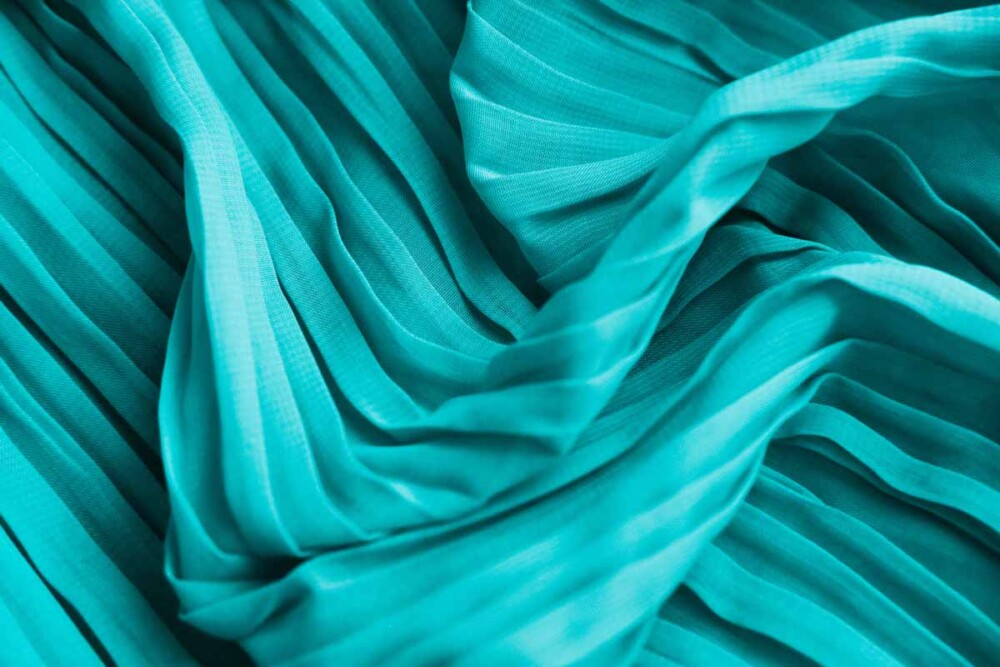
Georgette is a lightweight, semi-transparent fabric, characterized by a slightly grainy surface and a frizzy appearance. It is obtained through very twisted yarns that give strength and at the same time softness to the drape. It is less impalpable than chiffon, but more sustained, and precisely this balance makes it suitable for both everyday clothing and formal wear.

Two main categories of georgette fabric can be distinguished.

The traditional georgette is most commonly found in shirts, blouses, and light clothing. It has a slightly ridged surface, noticeable to the touch but not too noticeable to the eye, and a soft hand that allows the fabric to fall smoothly. It’s semi-transparent, but generally provides a little more coverage than chiffon. It’s ideal for those looking for a lightweight fabric that maintains a certain texture and isn’t overly impalpable.

On the other hand, crepe georgette has a more marked frizz effect. The surface grain is more noticeable and gives the fabric an even duller and more sophisticated look. This type of processing makes the fabric particularly stable, less prone to slipping and therefore slightly easier to sew than very thin georgettes. The crepe georgette drapes elegantly and clearly, creating soft folds that stay more “in shape” than the traditional version.

sari in georgette

What georgette fabric is made of

The composition of the georgette can change a lot and affects price, aesthetic performance and maintenance. The most valuable version is the silk georgette, soft, breathable and naturally elegant. Alongside this, polyester or viscose georgettes are very popular, which maintain a light and fluid appearance but are more practical and resistant to washing. In some cases, a small percentage of elastane is present which makes the fabric slightly elasticized.

When we talk about georgette silk, pure silk georgette, or silk georgette fabric, we are referring to the higher-end variants, particularly used for formal dresses and wedding dresses.

Differences between the main types of georgette fabric

Type of georgetteFeaturesProsConsRecommended uses
Silk georgetteSoft, natural, very fluidElegance, breathability, comfort on the skinHigher price, gentle maintenanceWedding dresses, formal dresses, haute couture items
Georgette in polyesterMore resistant and practicalEasy to wash, not very wrinkled, low costLess breathableShirts, skirts, everyday clothes, furniture
Georgette in viscoseSoft and natural handGood compromise between silk and syntheticDelicate to washesLight clothing, flowing blouses
Elastic GeorgetteWith percentage of elastaneComfortable and close fittingLess breathableFitted dresses, garments requiring fit

What georgette is used for: most common uses

The georgette fabric is very versatile and finds application in both clothing and furniture. Its lightness, combined with the classic slightly frizzy effect, allows you to obtain garments and complements that are elegant yet practical in everyday use.

Clothing in georgette

Georgette is one of the most popular clothing fabrics for creating flowing and elegant garments. It is chosen for georgette dresses, both long and short, because it falls softly without being stiff and naturally enhances the body lines. Il tessuto segue i movimenti senza aderire eccessivamente, creando un effetto leggermente ondulato che dona leggerezza alla figura.

georgette dresses

In addition to dresses, georgette is widely used for light shirts and blouses, ideal for mid-season and all those garments that require controlled transparencies. Georgette skirts, often full or pleated, are also particularly popular because they combine volume and comfort, without the heaviness of stiffer fabrics. In the tailoring sector, it is also used for sleeves, inserts and overlapping panels, precisely thanks to its ability to create layering games.

Mention must also necessarily be made of formal dresses and wedding dresses in silk georgette. In these garments, the fabric allows for plays of draping, overlapping and layers that give movement to the dress without making it excessively voluminous. Silk georgette is particularly popular as a wedding dress fabric because it feels soft on the skin, natural, and very elegant, ideal for clothes that combine comfort and aesthetic appeal. Silk georgette dresses are especially chosen by those who want a fluid, refined and modern line, an alternative to fabrics for formal dresses that are too stiff or too shiny.


Georgette Lavata

Georgette Lavata is a 100% polyester fabric with a soft hand and pleasant to the touch, characterized by a light texture that gives a natural and fluid look to the garments. Lightweight yet covering, not stretchy, it is ideal for women’s casual wear: perfect for making dresses, blouses and shirts with soft and comfortable lines.

Georgette Lavata

With a height of 146 cm and OEKO-TEX® STANDARD 100 certification, it guarantees quality and safety of materials. Available in several solid colors, it is the ideal choice for creating fresh and feminine chiffon, georgette and organza style garments.


Georgette for furniture and home

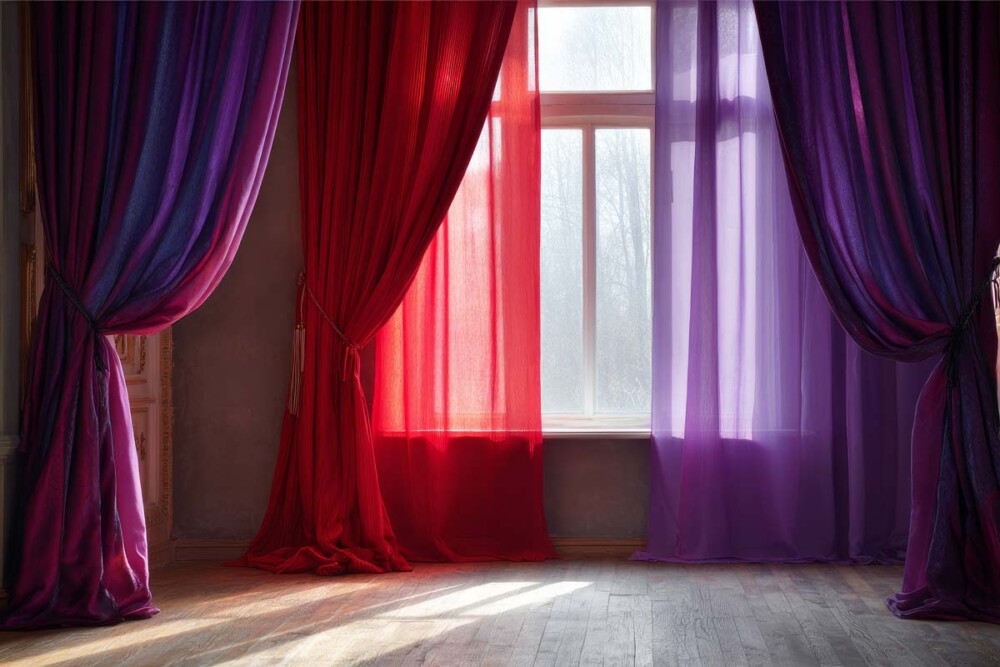
Georgette is not only used in fashion: it also finds numerous applications as a furnishing fabric. Due to its controlled transparency and ability to filter light, it is very often chosen for georgette curtains and lightweight decorative panels. Georgette curtains allow you to illuminate rooms without leaving the interiors completely uncovered, creating a balance between privacy and brightness.

georgette curtain

In the living room or bedroom, georgette drapery fabric helps create a soft, enveloping atmosphere. Used as a single modern curtain fabric or in overlay with more covering fabrics, it softens natural light and makes the environment visually lighter. In some cases it is also used for canopies, decorative veils and drapes, precisely because it is easy to shape and maintains a beautiful movement.

Thanks to these features, the georgette for furniture and home represents an ideal solution for those who want an elegant, lightweight and simple fabric to combine with different interior styles.


Tenda Georgette Unito

Tenda Georgette Unito

Tenda Georgette Unito is a 100% polyester fabric, soft, light and pleasant to the touch, designed to enhance every room of the house with a touch of discreet elegance. With a height of 295 cm and a weight of 110 g/m² it is ideal for creating semi-transparent curtains that gently filter natural light.

Offered in easily matched solid colors, it is perfect for living rooms, bedrooms and modern environments where versatile and refined curtains are needed.


Is georgette fabric difficult to sew? Tricks to work it best

Sewing georgette can be slightly more complex than more compact fabrics because it is thin, slippery, and tends to shift during cutting and under the foot of the machine. However, it is not a “impossible” fabric: with some care and the right tools, clean and professional results are obtained even at home.

The main difficulty concerns the fact that the fabric is very light and the threads slide easily. For this reason, when cutting, it is useful to work on a large, well-lit surface, avoiding moving the fabric too much. Placing the georgette between two sheets of tissue paper or pattern paper helps keep it in place and achieve a more precise cut, without uneven edges.

For the actual sewing, it is advisable to use thin needles, specific for light fabrics, and set short, regular stitches. Stitches that are too long can pull the fabric, creating undulations; similarly, it’s important not to pull the fabric as it passes under the foot, but to let it slide naturally. If the fabric tends to “eat” under the machine plate, you can start sewing a few millimeters further in and finish the beginning of the line later.

A popular trick used by seamstresses and pattern makers is to insert a sheet of tissue paper under the fabric while sewing: it stabilizes the georgette, prevents it from wrinkling, and allows for straight, clean lines. When the seam is finished, the paper tears easily without leaving any residue. Alternatively, it may be useful to use a Teflon foot or a double-carry foot, which reduces slippage.

Finishing the margins also requires attention. Thin overcast, rolled hem, or French stitching are great solutions for georgette because they enclose the edges inside and prevent the fabric from fraying. Ironing at a low temperature, always with a pressing cloth, then helps secure the seams without risking damaging the fiber.

georgette fabric

Is georgette fabric transparent? Advice on seasonality and intended uses

Georgette is generally a semi-transparent fabric. Its thin weave and frizzy effect allow light to filter through, yet still provide greater coverage than chiffon. For this reason, georgette dresses and skirts often pair it with a lightweight lining or use multiple layers, which increase coverage while maintaining a fluid, lightweight look. In georgette shirts and blouses, however, transparency is often part of the style: depending on the color, weight of the fabric, and the model chosen, you can wear it without a lining or with a tank top underneath for a more subtle effect.

The degree of transparency also depends on the composition and weight of the fabric: very thin silk georgette is generally more transparent, while some slightly heavier polyester georgettes may be less veiled.

From a thermal point of view, georgette is a fabric that lends itself well to spring and summer, because it is lightweight, allows air to circulate and rests on the body without adhering. Silk georgette offers the best comfort: being a natural fiber, it feels fresh on the skin and breathable. The polyester georgette, on the other hand, may be slightly less breathable, but has the advantage of being more durable, easy to wash, and less prone to wrinkling.

The way the garment is made also has a significant impact on the feeling of warmth: a multi-layered georgette dress will be more covering and slightly warmer, while a lightweight, unlined, loose-fitting georgette shirt will remain fresh and airy. In general, it is a fabric designed for light, fluid and comfortable garments, perfect when you want elegance without sacrificing practicality.

georgette fabric

How to wash and maintain georgette fabric

The care of georgette fabric depends mainly on the fiber it is made of, because silk georgette and polyester georgette do not react the same way to washing.

Silk georgette requires gentle treatments. Hand washing in cold or warm water is preferable, using a detergent specifically for delicate garments and without ever twisting the fabric. After rinsing, the garment should be dabbed with a soft towel to remove excess water, then left to dry flat or hung away from heat sources and direct sunlight. When necessary, ironing should be done at a low temperature, always with an interposed cloth or inside out to avoid streaks and polishing.
The polyester georgette, on the other hand, is easier to manage in everyday life. It can be machine washed on a gentle schedule, low temperature (30 °C approx) and reduced spin. Placing the garment in a wash bag helps protect it from chafing with zips and buttons on other clothing. Again, it’s best to avoid forceful twisting and wringing: hung on a hanger, it often dries quickly without ironing.

In general, it is advisable to avoid the dryer, which could stress the fibers and alter the hand of the fabric. For ironing, the rule of caution applies: low temperatures, light steam and iron never placed directly on the frizzy surface. A great alternative is to lay down the georgette while still slightly damp, allowing the weight of the garment to eliminate the most obvious creases on its own.
To preserve the beauty of the fabric for a long time, it is also useful to be careful of perfumes, deodorants and solvents, which can leave streaks on silk and viscose georgettes. Storing georgette garments on hangers padded or folded with tissue paper avoids marked marks and creases that are difficult to remove.

georgette wedding dress

How much does georgette cost per meter and how to choose the most suitable fabric

The price of georgette per meter varies mainly based on the composition and quality of the fabric. Generally speaking, polyester georgette is the cheapest: the cost is usually low or medium-low, because it is a durable synthetic fiber, easy to produce and simple to maintain. It’s the most affordable choice for those who need to make shirts, lightweight skirts, everyday dresses, or decorative curtains while keeping their budget down.
The viscose georgette is normally in an intermediate price range. It offers a more natural hand than polyester, but requires more workmanship and care; therefore, the cost tends to be slightly higher.

Silk georgette, on the other hand, is the most valuable fabric and consequently the one with the highest price per meter. Silk is a natural fiber, more expensive already as a raw material and more delicate in the weaving and finishing stages. It is especially chosen for formal dresses, silk georgette dresses and silk georgette wedding dresses, where the quality of the fabric makes a big difference in terms of shedding, shine and comfort on the skin.

In addition to the composition, the following also influence:

  • the weight of the fabric (more substantial georgettes cost more)
  • the presence of prints or patterns
  • any special treatments or fine finishes
georgette curtains

Difference between chiffon and georgette

When we talk about chiffon and georgette we are talking about elegant and fine fabrics for women’s clothes, but designed for different results: the choice depends on the style of the garment and the final effect you want to achieve.

From an aesthetic and tactile point of view, chiffon has an impalpable and silky, almost evanescent appearance. The georgette, on the other hand, although light, has a more perceptible grain and a less “volatile”, more controlled fall. This seemingly subtle difference has a significant impact on the contexts of use.

The chiffon is ideal when you want an extremely ethereal effect: it is perfect for overlapping layers, ruffles, sheer sleeves, soft necklines, scarves and very light garments. It is often used for clothing that deliberately plays with transparency and air movement, or to create veils and panels that float along the way.

The georgette, on the other hand, is preferred when a little’ more structure is needed while maintaining fluidity. It is best suited for georgette dresses, soft skirts, shirts, and formal dresses where you want a lightweight but not overly sheer fabric. Its slightly creped surface makes the drapes more defined and stable, less “fluttering” than chiffon. For this reason, it is also highly prized in silk georgette wedding dresses, where a balance between elegance, movement, and fabric support is needed.
From a practical point of view, the georgette is also a little’ easier to manage: it slides less under the sewing machine and holds the shape of the panels and folds better. The thinner and more transparent chiffon, however, requires greater attention both during packaging and maintenance.

Differences between georgette, chiffon, and organza

FabricAppearance and handTransparencyStructureWhen to choose this fabric
GeorgetteSlightly creped surface, soft, grainy handSemi-transparentFluid but with a minimum of supportSoft dresses and skirts, formal dresses, flowing blouses, light wedding dresses
ChiffonVery light and smooth, impalpable effectHigh transparencyVery poorly structuredOverlays, light sleeves, ethereal and vaporous garments
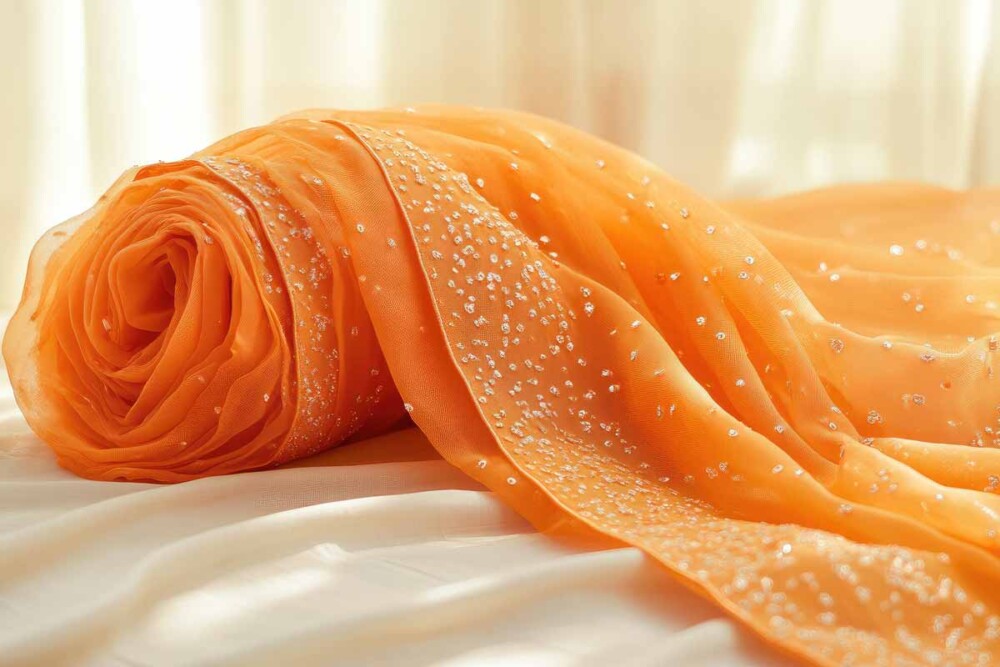
OrganzaStiff and crispy hand, shiny fabricTransparentStructured and supportedLoose skirts, voluminous layers, bows, architectural details in dresses

Where to choose the best georgette fabric

The georgette is an elegant, versatile and timeless fabric. It allows you to create formal dresses, wedding dresses, shirts, light skirts and decorative curtains, adapting to different styles depending on the composition chosen. Choosing between silk, viscose, or polyester georgettes means deciding on the level of value, budget, and ease of use.
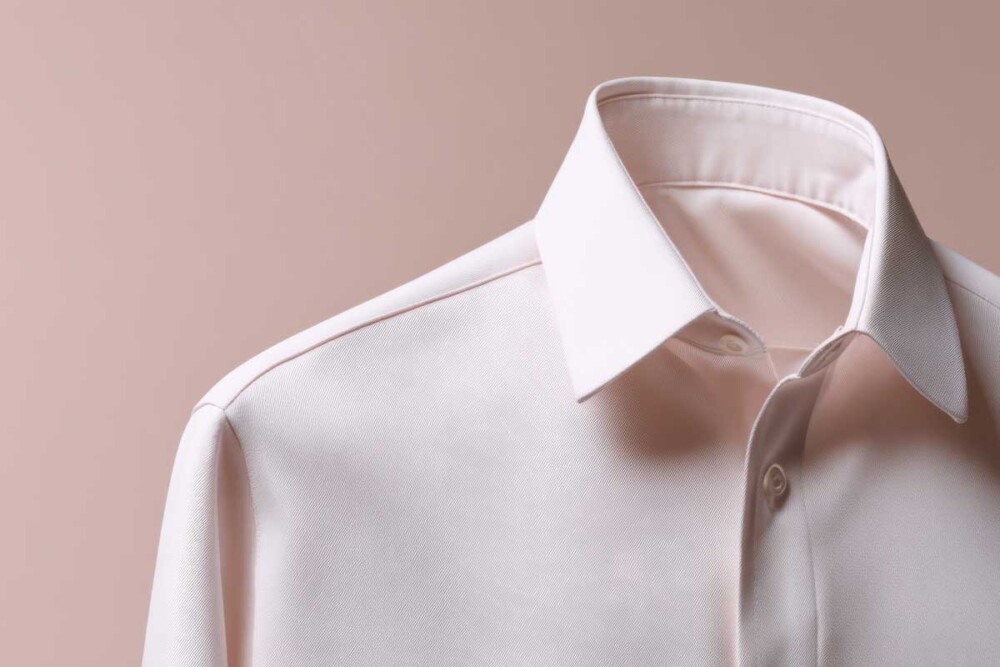
If you’re designing a georgette garment or piece of furniture, you can discover the different variations available on the Cimmino shop and evaluate colors, patterns, and compositions to find the right fabric online for your tailoring project.


FAQ- Frequently Asked Questions about Georgette Fabric

What is georgette fabric?

Georgette fabric is a lightweight, semi-transparent material with a slightly creped surface and a smooth fall. It is widely used for elegant dresses, shirts and skirts, because it is soft but more sustained than chiffon.

What is georgette fabric made of?

The georgette can be made of silk, polyester, viscose or mixed. Silk georgette is the most valuable, while polyester georgette is cheaper and easier to wash.

What is the difference between chiffon and georgette?

The chiffon is lighter, smoother and more transparent, with a very ethereal effect. The georgette is more sustained and slightly creped, making it ideal when you want more coverage and more stable drapes.

Is georgette fabric transparent?

Yes, the georgette is generally semi-transparent. Clothes and skirts often use a lining or multiple layers, while georgette shirts and blouses can be worn without.

Is the georgette suitable for wedding or formal dresses?

Yes, it is widely used for formal dresses and silk georgette wedding dresses. It falls softly, creates elegant drapes and is perfect for those who want lightness without rigidity.

Is georgette an elastic fabric?

The traditional georgette is not elasticized. However, there are stretch versions with a small percentage of elastane, used for tighter and more comfortable clothes.

Is georgette fabric hot?

No, it is a lightweight fabric suitable for spring and summer. Silk georgette is fresher and more breathable, while polyester georgette may be slightly less breathable but more practical.

How do you wash georgette fabric?

Silk georgette should be washed by hand or dry with mild detergents. The polyester georgette can be machine washed on a gentle program and in low temperatures.

Is georgette fabric difficult to sew?

It can be a little difficult because it is thin and slippery. However, with thin needles, short stitches and supporting tissue paper you also get excellent results at home.

For which garments is georgette fabric best?

The georgette is suitable for light clothing, silk georgette dresses, full skirts, shirts and flowing blouses. It is also used for georgette curtains and interior decorative panels.

Oxford shirt

Oxford Shirt: Meaning, Fabric Features, and How to Choose It

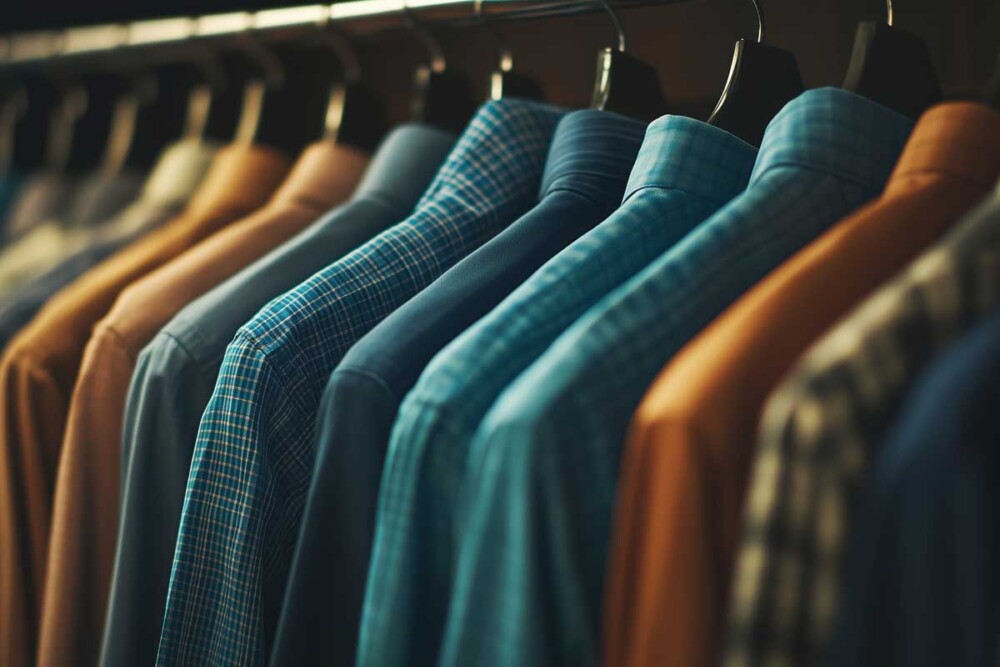
The Oxford shirt is one of the most representative pieces of the elegant casual style. In men’s and women’s wardrobes, it is considered a safe choice: it is durable, comfortable, easily combined and suitable for many everyday occasions. When we talk about “Oxford shirt”, however, we are not only referring to a particular model, but above all to the Oxford fabric with which it is made. Understanding the meaning of the Oxford shirt, the characteristics of the fabric, and the color and pattern variations allows you to consciously choose both a ready-made shirt and the Oxford shirt fabric to purchase from those offered by Manifattura Loderami Cimmino and sew to size.

shirts

What is the Oxford Shirt

The meaning of Oxford shirt is linked first and foremost to the fabric. “Oxford” does not indicate a specific shape or fit, but a type of material characterized by a particular armor that creates a compact and slightly material surface. For this reason, it is correct to speak of a shirt made of Oxford fabric, which can then take on different cuts, fits and details depending on the model chosen.
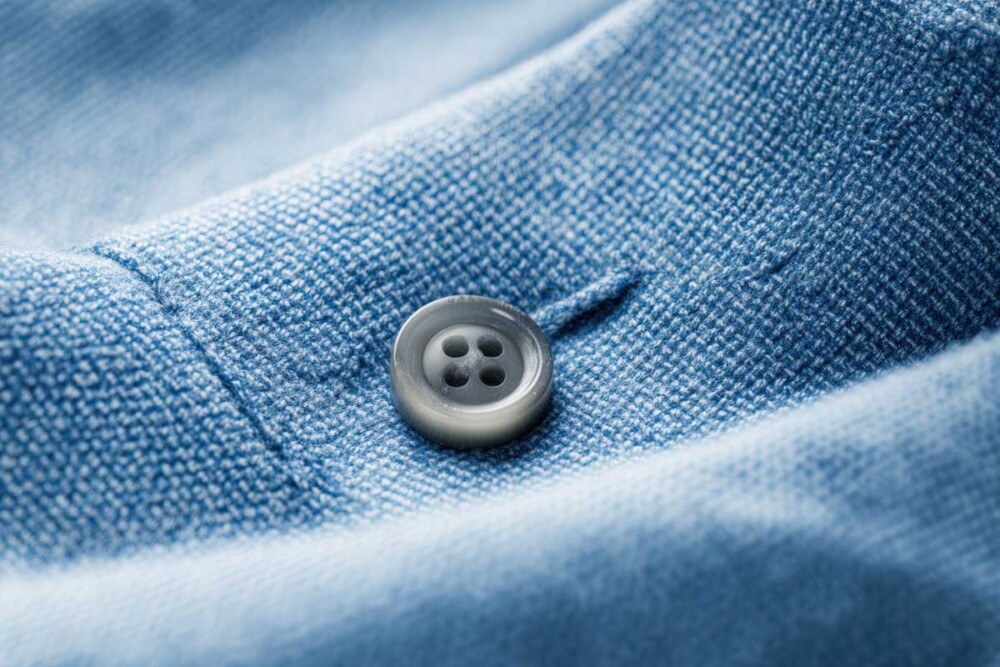
The Oxford shirt is often associated with smart casual style. It looks neat and clean, but not as stiff as a formal shirt. It is therefore located in an intermediate zone between formal and informal, making it ideal for everyday use cared for by both men and women.

Oxford woven shirt

Why is it called an Oxford shirt? Brief history and origin of the name

The name “Oxford” directly recalls the famous English university city and is linked to the imagination of colleges and preppy style. It does not necessarily indicate where the fabric was produced, but rather the cultural context with which this type of shirt has been associated over time. The first sturdy and comfortable Oxford shirts began to spread between the 19th and early 20th centuries, when they became popular in Anglo-Saxon-inspired men’s everyday clothing.

The connection to the university environment stems from the fact that the Oxford button-down shirt is often worn in sports and academic circles, particularly in student teams and clubs. From here the idea of the Oxford shirt is consolidated as a clean, practical and only moderately formal garment, perfect for a style “college” that still defines its character today.

During the twentieth century, Oxford fabric established itself as one of the most widely used bases among elegant casual shirt fabrics. Durability, comfort and ease of pairing make it a timeless standard in both the men’s Oxford shirt and the women’s versions, without losing the symbolic connection with British tradition and the university world from which it takes its name.

shirt detail

Oxford Shirt Fabric: Key Features and Benefits

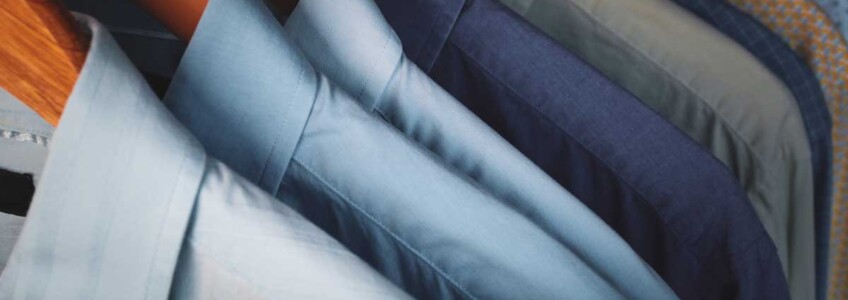
Oxford shirt fabric is recognizable by the weave that generates a slightly dotted or melange effect and a hand that is not perfectly smooth. It is a fabric generally of medium weight: not too thin, therefore resistant and covering, but at the same time comfortable and breathable.

The main advantages of Oxford shirt fabric are:

  • good resistance to daily wear
  • elegant appearance but not overly formal
  • comfortable hand thanks to the medium weight
  • adequate breathability in different seasons

Comparison between Oxford fabric, poplin and twill

Compared to the smoother and more compact poplin fabric and the twill, recognizable by its diagonal weave, Oxford expresses a more relaxed elegance. It is therefore the ideal choice for those who want a shirt that looks substantial but not too “plastered”.

FabricAppearanceWeightFormalityWhen to choose it
OxfordVisible plot, slightly materialMediumSmart casualDaily shirts, informal work, leisure taken care of
PoplinSmooth and compactLightVery formalCeremonies, suit and tie, dress shirts
TwillPerceptible diagonal plotMedium-heavyFormalStructured and durable shirts, cooler seasons

Men’s Oxford Shirt and Women’s Oxford Shirt: When to Wear It

The men’s Oxford shirt is often featured in business casual wardrobes: it pairs easily with chinos, dark jeans, or unstructured jackets, even without a tie. The women’s Oxford shirt can be offered in a more fitted and tailored version or in a soft and oversized style, which can also be worn open or overlapping.

The Oxford shirt, for men and women, is particularly suitable:

  • to informal work and smart working
  • at university and in everyday contexts
  • to elegant casual meetings
  • at leisure time taken care of

It is less suitable for ceremonies or very formal contexts, where smooth, thin fabrics are preferred.

Oxford Button Down Shirt: What It Means and When to Choose It

The Oxford button down shirt is one of the most recognizable variations. The collar is fixed to the front with small buttons and thus always remains in place. This is a detail born out of practicality that has become over time a hallmark of collegial and preppy style.

You choose when you want a collar that maintains its shape and a neat but not too formal look. It pairs very well with unstructured blazers, cardigans and lightweight sweaters. Instead, it is less suitable with very elegant suits or in ceremonial settings that require more traditional shirts.

The most chosen colors: white, light blue and blue Oxford shirt

The most common shades are the white Oxford shirt, the light blue Oxford shirt and the blue Oxford shirt. In all these versions, the typical Oxford plot remains visible and contributes to the boss’s identity.

Choosing the color of the Oxford shirt

ColorStyleBetter context of useVisual effect
WhiteNeutral and elegantInformal work, simple eventsBrightness and cleanliness
Light BlueClassic and versatileOffice, university, informal talksTidy appearance but not stiff
BlueCasual and sportyFree time, relaxed looksDecisive color, less formal

Oxford shirt or other design? Difference between pattern and fabric

The definition of an Oxford model shirt often generates misunderstandings. In reality, Oxford is not the model, but the fabric. The pattern depends on the pattern and fit: slim, regular, frayed, oversized, straight. The same Oxford fabric can be used for very different shirts for both men and women.
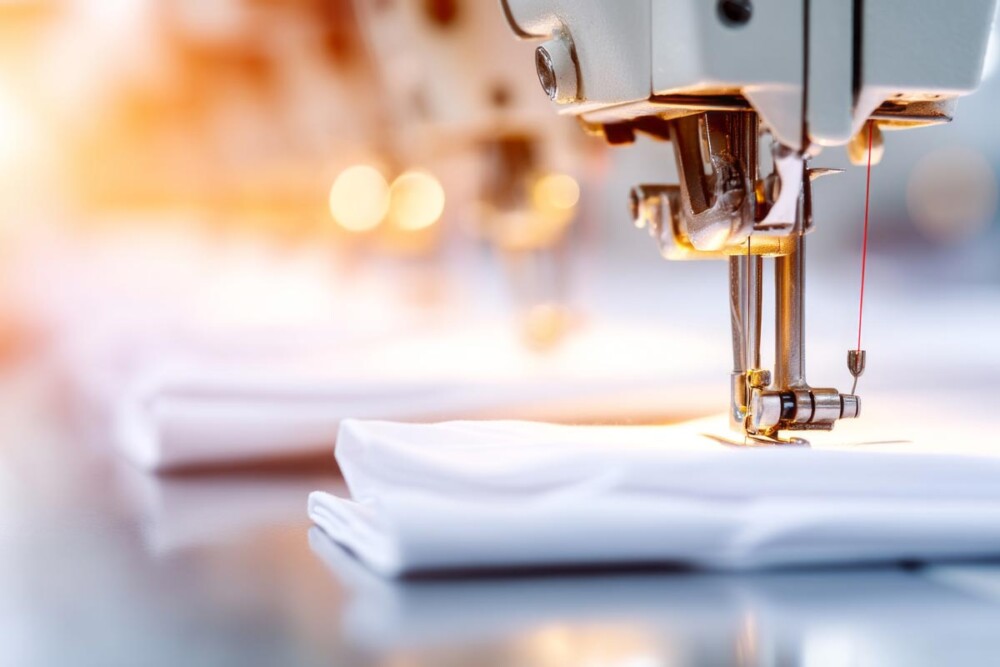
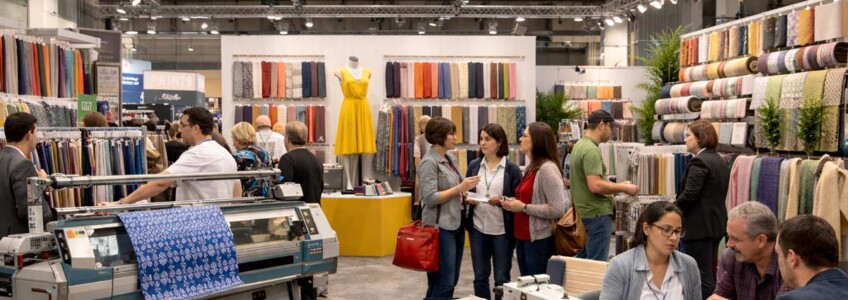
It is therefore more correct to speak of an Oxford fabric shirt. The character of the garment depends on the hand of the material and its slightly grainy appearance, while the final style is determined by the cut and tailoring details.

sew Oxford shirt

For Sewers: Which Fabric to Choose to Make an Oxford Shirt

Those who make custom shirts or love creative sewing can move towards a medium-weight Oxford fabric, which guarantees structure without sacrificing comfort. It stands out among shirt fabrics suitable for any occasion, such as everyday shirts, unisex shirts and lightweight overshirts.

For a finer, more formal effect, more compact variants of the Oxford can be considered, while for a casual look, a more noticeable texture is preferable. Choosing the right Oxford shirt fabric allows you to obtain durable garments that, wash after wash, acquire the typical softness that makes Oxford so recognizable.


Camiceria Oxford Kingston

Camiceria Oxford Kingston is a fabric with a soft hand and a compact texture, made with thin yarns that ensure freshness and lightness without sacrificing the right structure. The fine Oxford texture gives a clean and slightly bright look.

Camiceria Oxford Kingston

Ideal for elegant and comfortable shirts, suitable for long-term wear throughout the day. With a composition of 55% polyester and 45% cotton, height 148 cm and weight 107 g/m², it offers convenience in maintenance and good resistance to daily use.


Camiceria Oxford Crowley

Camiceria Oxford Crowley

Camiceria Oxford Crowley is a soft and compact fabric, characterised by a discreet shine and a fresh hand obtained thanks to the use of thin yarns. Its good texture ensures well-structured yet comfortable shirts, with a always well-groomed look.

With a composition of 55% polyester and 45% cotton, height 148 cm and weight 136 g/m², it is ideal for the packaging of elegant and resistant shirts, suitable for everyday use.


Camiceria Oxford Cardiff Sanfor

Camiceria Oxford Cardiff Sanfor is a 100% cotton fabric with sanforized finishing, designed to reduce shrinkage in the wash and ensure dimensional stability over time. The typical Oxford weave offers a neat and slightly textured look.

Camiceria Oxford Cardiff Sanfor

Ideal for comfortable and well-structured shirts. With a height of 150 cm and a weight of 133 g/m², it combines freshness, breathability and resistance, making it perfect for garments with a sober and everyday elegance.


If you’re thinking of sewing an Oxford shirt or simply want to experience the qualities of this fabric firsthand, Cimmino’s shop offers a selection of shirtmaking fabrics in various variations and colors, designed for both men’s and women’s tailoring projects. Discover the available options and choose the fabric that best suits your style and packaging needs: it’s the first step in making an Oxford shirt that will last a long time.


FAQ – Frequently Asked Questions about Oxford Shirt

1. What is Oxford shirt fabric?

Oxford fabric is a shirt fabric with a characteristic weave, with a slightly grainy and compact appearance. It is durable, comfortable and associated with smart casual style.

2. What does Oxford fabric shirt mean?

An Oxford fabric shirt is a shirt made from this specific material, not a particular pattern. The term refers to the fabric, while the fit and cut can change.

3. Is the Oxford shirt formal or casual?

The Oxford shirt is considered smart casual. It’s more casual than a formal shirt, but more polished than a sports shirt.

4. What is the difference between Oxford fabric and poplin?

Poplin fabric is smoother and thinner, suitable for very formal shirts. Oxford fabric is more material and substantial, ideal for everyday shirts and casual work.

5. What is the Oxford button down shirt used for?

The Oxford button down shirt has the collar secured with buttons. It keeps the collar in place and creates a collegial and informal elegant style.

6. Can the Oxford fabric shirt be worn in the summer?

Yes, in lighter weights Oxford fabric is breathable and comfortable even in summer. The heavier versions, on the other hand, are ideal for half seasons and winter.

7. Does the Oxford shirt wrinkle?

Oxford fabric tends to wrinkle less than very light fabrics. It maintains a slightly natural look, which is part of its style.

8. Does the Oxford shirt machine wash?

Yes, the Oxford fabric shirt can be machine washed at low temperatures, following the label directions. The fabric is durable and suitable for everyday use.

9. Better white or blue Oxford shirt?

The white Oxford shirt is the most versatile and luminous. The blue is the classic informal office and is very easy to match.

10. Where can I buy Oxford shirt fabric?

Oxford shirt fabric is available in specialized fabric e-commerce. On the Cimmino shop you find different variations and colors suitable for men’s and women’s shirts.

Milano Unica Textile Fair

Milano Unica 2026 | Fiera Milano (Rho) | January 20-22

From January 20 to 22, 2026, Milan will host the 42nd edition of Milano Unica, the leading event for high-end textiles and clothing accessories. The fair takes place at Fiera Milano Rho and, as usual, opens the year for the fashion and textile sectors.

The choice of January reinforces the strategic role of the event in the international calendar. Milano Unica is in fact located in a central week for the fashion system, in dialogue with other key events such as Pitti Immagine and Milan Fashion Week. A location that facilitates the presence of international buyers and allows companies to present new collections at a crucial stage in purchasing decisions.

The 2026 edition will take place in pavilions 8-12 and 16-20, with a distribution of spaces designed to make the visit more fluid and offer a clear understanding of the offerings. The exhibition areas house Italian and European companies specializing in fabrics for women’s, men’s, and knitwear, as well as manufacturers of medium-high-end and luxury textile accessories.

At the heart of the event are the Spring/Summer 2027 collections, previewed to buyers, designers, and style offices. Milano Unica thus continues to play its role as a B2 B platform, where material quality and production reliability remain decisive elements for the international market.

Milano Unica: Maximum attention to sustainability in 2026

Ample space is dedicated to sustainability and innovation issues, which are addressed in a concrete way. Responsible fabrics, traceable supply chains, more efficient production processes and new technological solutions find visibility through thematic routes and special projects. The aim is to offer operators useful tools to respond to the demands of a market that is increasingly attentive to environmental impact.

Alongside the exhibition, the fair offers trending content, installations, and observatories that help interpret the stylistic directions of the coming seasons. A useful support for those working on the product and collection design.

Completing the experience, Milano Unica offers digital tools such as e-MilanoUnica Connect, designed to consult the exhibitor list, organize appointments, and plan your visit more effectively.

With the January 2026 edition, Milano Unica confirms its role as a point of reference for quality textiles and the international fashion business. Manifattura Foderami Cimmino will also be present, at stand C37 in hall 16.