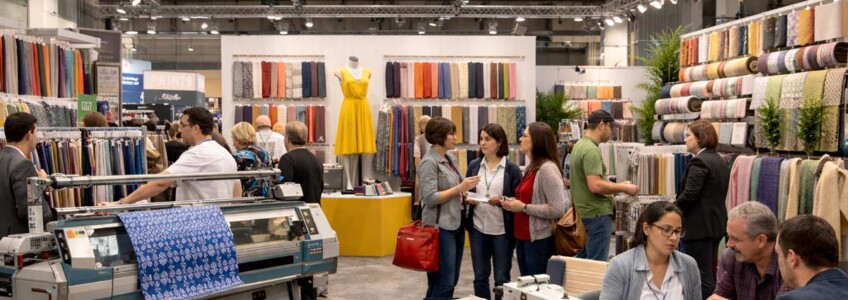
From January 20 to 22, 2026, Milan will host the 42nd edition of Milano Unica, the leading event for high-end textiles and clothing accessories. The fair takes place at Fiera Milano Rho and, as usual, opens the year for the fashion and textile sectors.
The choice of January reinforces the strategic role of the event in the international calendar. Milano Unica is in fact located in a central week for the fashion system, in dialogue with other key events such as Pitti Immagine and Milan Fashion Week. A location that facilitates the presence of international buyers and allows companies to present new collections at a crucial stage in purchasing decisions.
The 2026 edition will take place in pavilions 8-12 and 16-20, with a distribution of spaces designed to make the visit more fluid and offer a clear understanding of the offerings. The exhibition areas house Italian and European companies specializing in fabrics for women’s, men’s, and knitwear, as well as manufacturers of medium-high-end and luxury textile accessories.
At the heart of the event are the Spring/Summer 2027 collections, previewed to buyers, designers, and style offices. Milano Unica thus continues to play its role as a B2 B platform, where material quality and production reliability remain decisive elements for the international market.
Milano Unica: Maximum attention to sustainability in 2026
Ample space is dedicated to sustainability and innovation issues, which are addressed in a concrete way. Responsible fabrics, traceable supply chains, more efficient production processes and new technological solutions find visibility through thematic routes and special projects. The aim is to offer operators useful tools to respond to the demands of a market that is increasingly attentive to environmental impact.
Alongside the exhibition, the fair offers trending content, installations, and observatories that help interpret the stylistic directions of the coming seasons. A useful support for those working on the product and collection design.
Completing the experience, Milano Unica offers digital tools such as e-MilanoUnica Connect, designed to consult the exhibitor list, organize appointments, and plan your visit more effectively.
With the January 2026 edition, Milano Unica confirms its role as a point of reference for quality textiles and the international fashion business. Manifattura Foderami Cimmino will also be present, at stand C37 in hall 16.
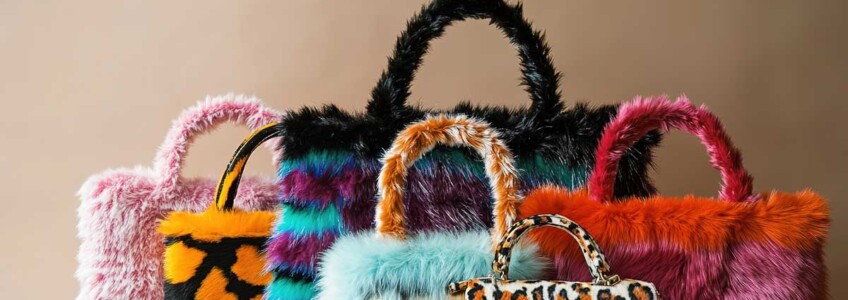
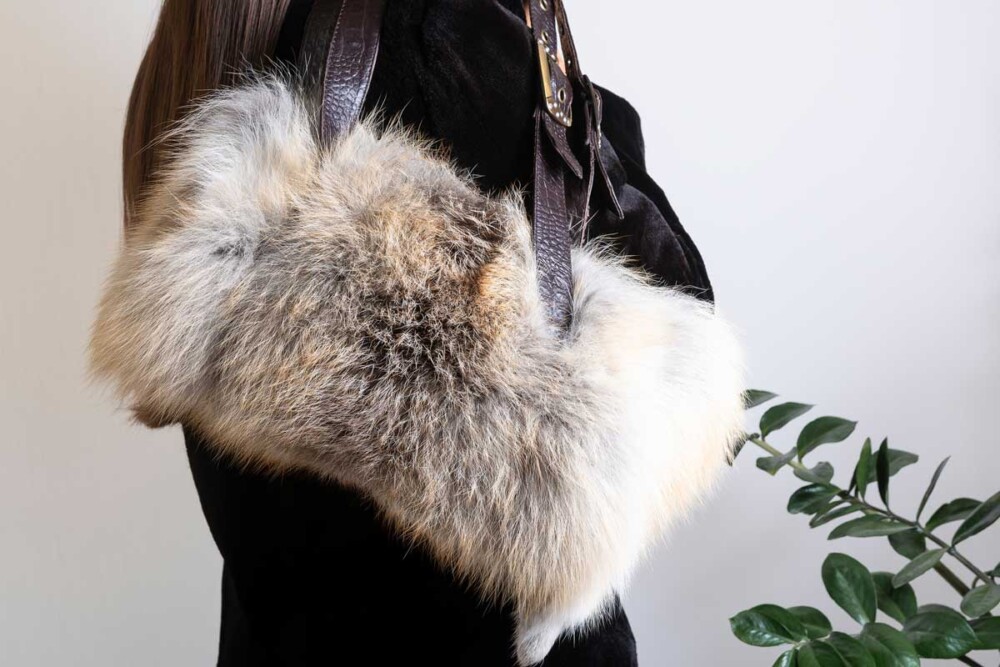
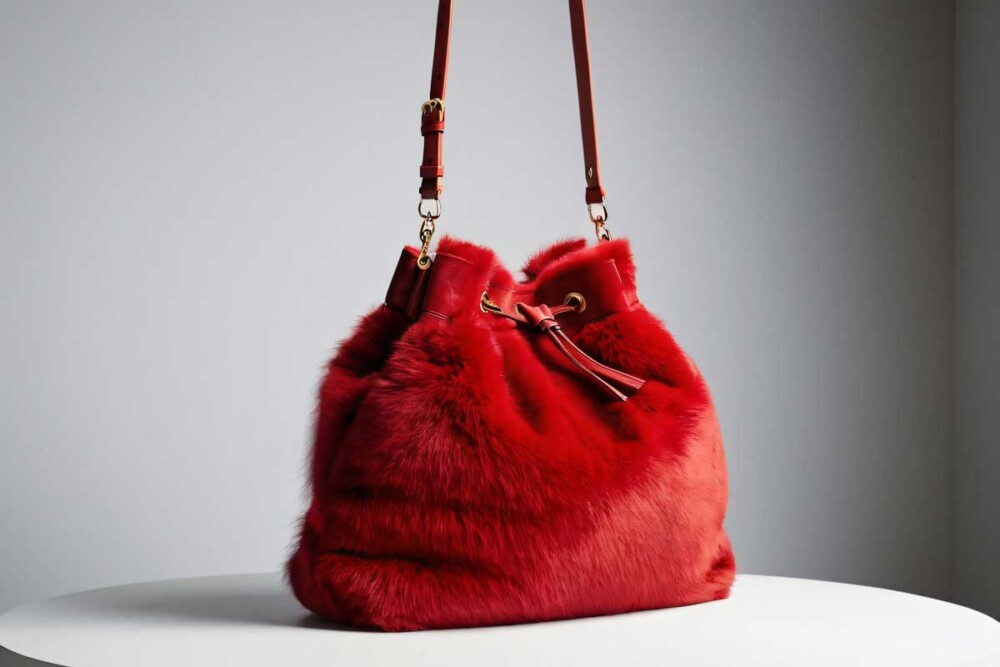
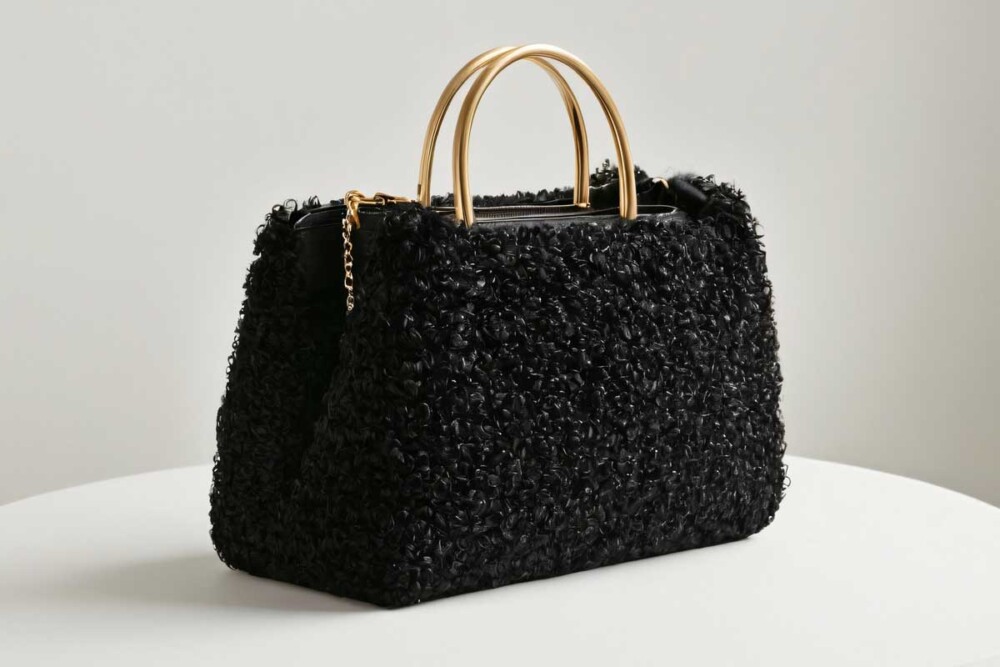
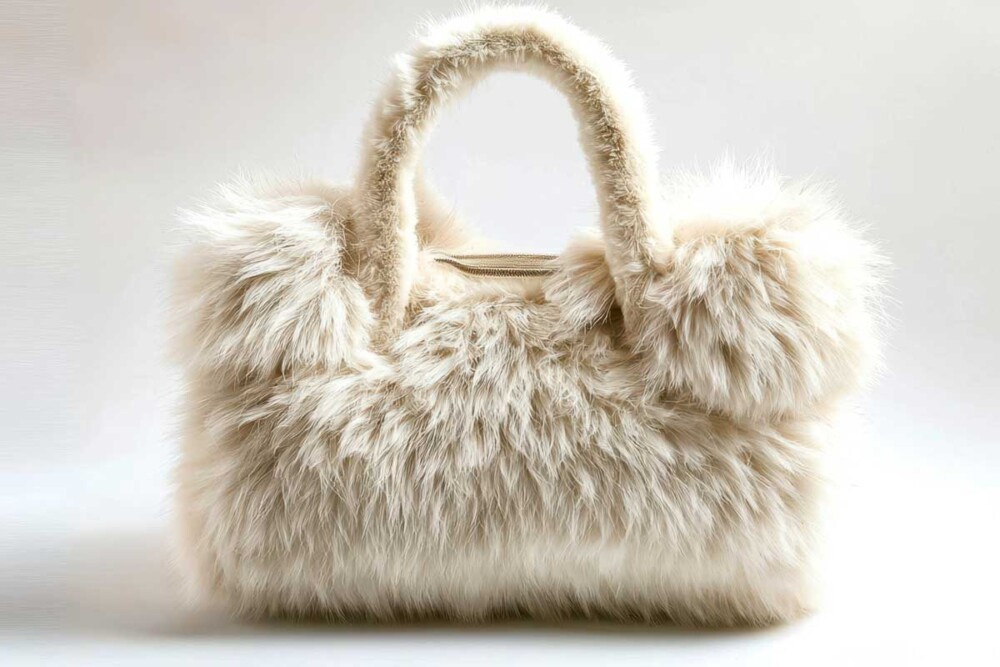
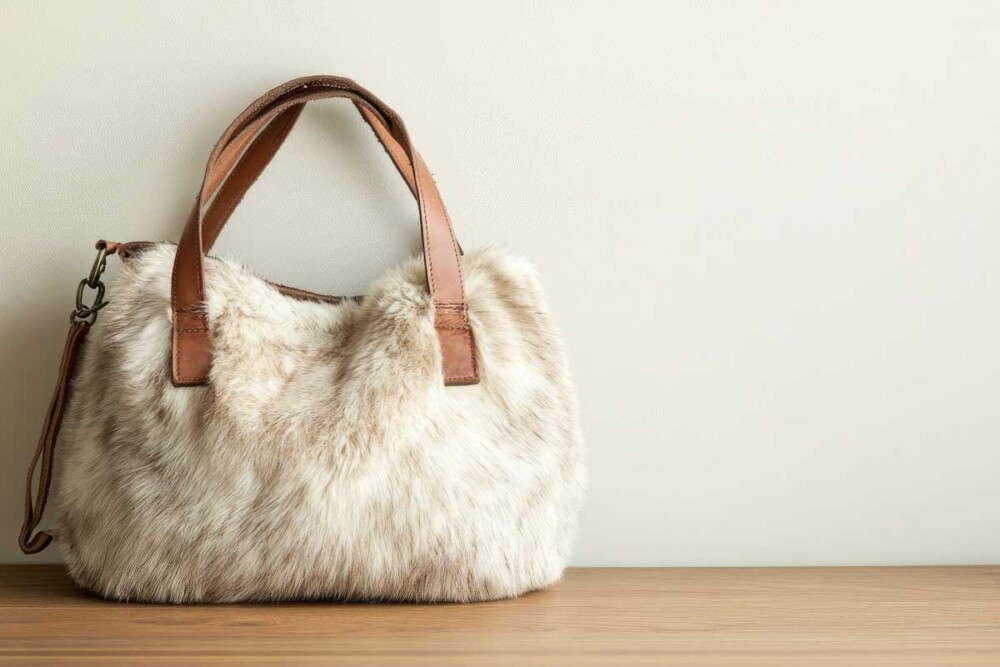
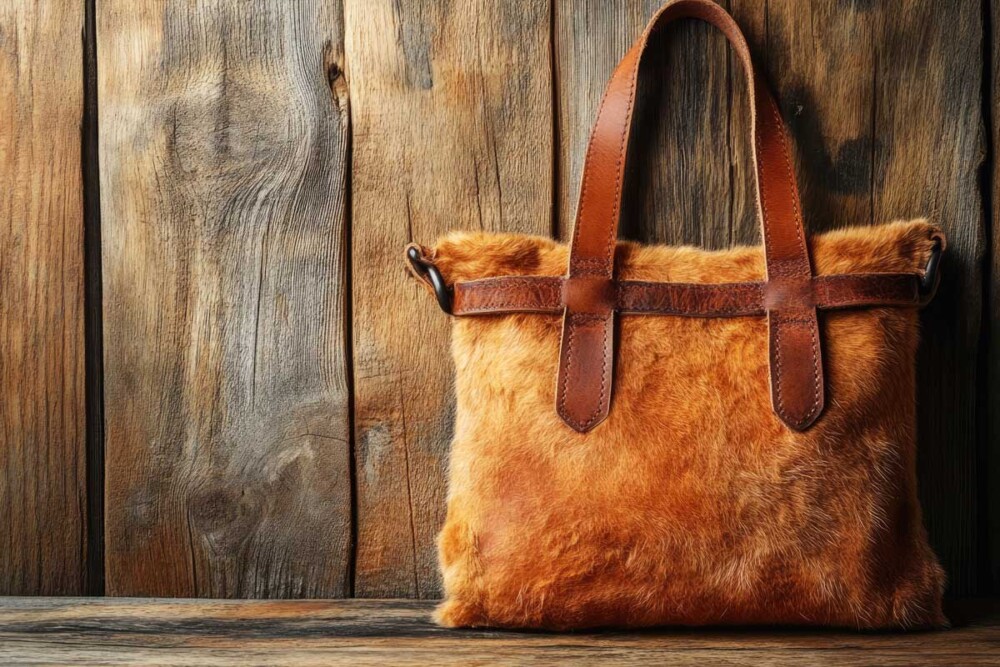
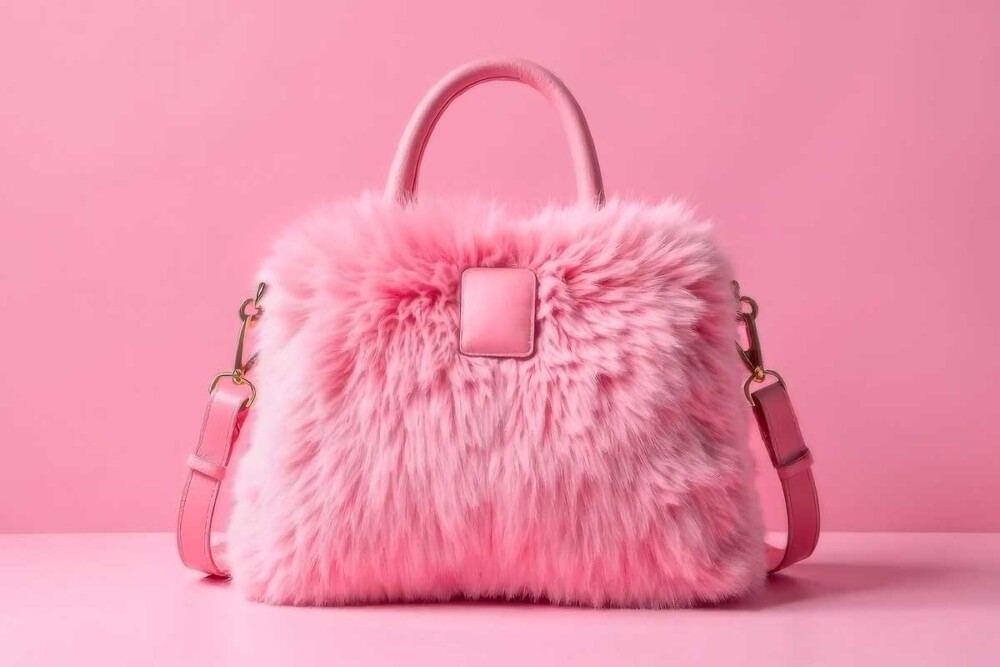
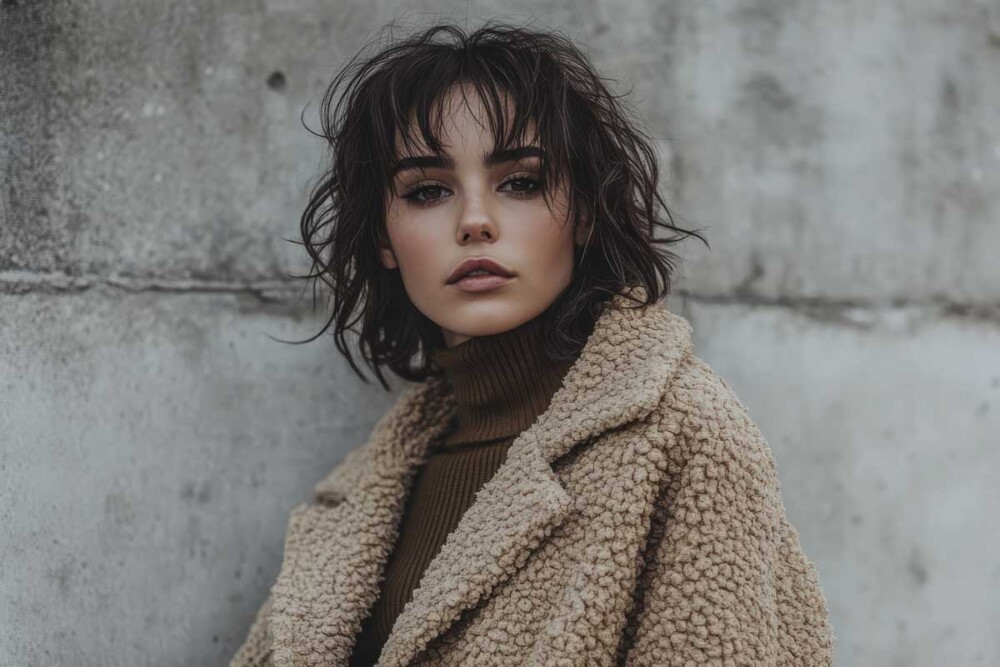
Making a DIY eco-fur bag is an ideal project for those who love creative sewing and want to create a soft, original accessory perfect for the cold season. Eco-fur is a fabric that allows you to obtain a visually rich, voluminous result with an ever-present aesthetic. To make a durable and finished bag, however, you need to know some specific techniques. In this complete guide of Manifattura Loderami Cimmino there are all the practical details useful for both beginners and those already familiar with sewing machine and design of accessories to make an eco-fur bag.
Why choose eco-fur for a DIY bag
Eco-fur is a material capable of transforming a simple bag into an attractive accessory full of personality. Its ability to add volume and softness makes it perfect for winter and for those who love a cozy yet refined style. Working it requires some care, but it allows you to create original bags even without much sewing experience.
Advantages of eco-fur over other bag fabrics
Eco-fur offers advantages that make it ideal for creating handmade bags. First, its soft, thick fibers help hide any imperfections in the seams, making the end result more even than smooth fabrics like cotton or canvas. It is also available in many variations of color, hair length, density and texture: this allows you to create minimalist, fashion, vintage or glamorous bags simply by changing the type of faux fur. Compared to natural fur, it is lighter and easier to handle when cutting and sewing, as well as being an ethical and sustainable alternative.
Why eco-fur is ideal for winter bags and Cozy accessories
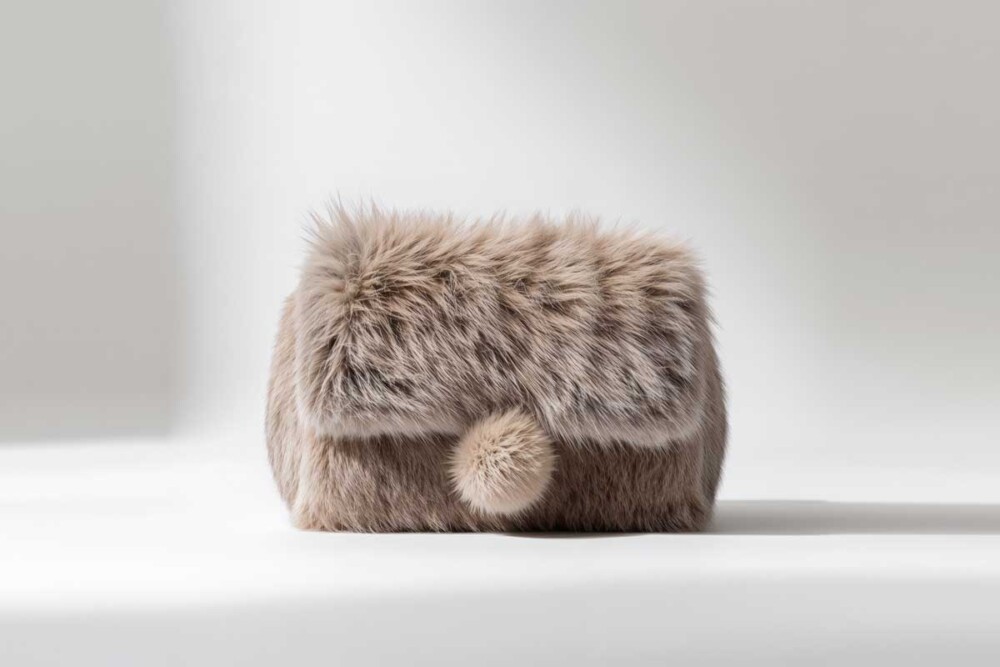
The texture of faux fur immediately recalls the idea of warmth, softness and comfort, three central elements in winter style. An eco-fur bag adds volume and three-dimensionality to the outfit, becoming the star of the look or an accessory capable of balancing more structured materials such as wool, tweed and leather. The effect is sophisticated but also informal depending on the geometry chosen: a short-haired clutch has an evening elegance, while a long-haired shopper conveys a relaxed and welcoming mood.
Essential materials for sewing an eco-fur bag
The final yield of the bag depends on the quality of the materials chosen and their combination. It is essential to spend time selecting the most suitable fur, lining, and reinforcements, because each of these elements affects the structure, softness, and durability of the accessory.
How to choose the right eco-fur: short, medium, or long hair
Hair length and density influence both aesthetics and ease of processing:
Short hair → perfect for those just starting out. It stays tidy, requires less maintenance, cuts easily, and doesn’t tend to get stuck in the seams. Ideal for clutch and mini bag.
Medium hair → the most versatile solution. The volume is balanced, the seams are easily concealed and the result has a more “fashion” look without being difficult to finish.
Long fur → scenic, very soft and perfect for bulky shoppers. However, it requires care: the pile moves during cutting, can get trapped in the seams and must be combed after each stage for a uniform appearance.
It is advisable to check that the textile base (backing) is strong and not too soft, to prevent the bag from losing shape.
The best fabrics to make an eco-fur bag
Some materials lend themselves better than others to the creation of an eco-fur bag because they combine texture, ease of sewing and a rich visual effect, ideal for accessories that want to stand out. Here are which ones to choose from Cimmino’s catalog.
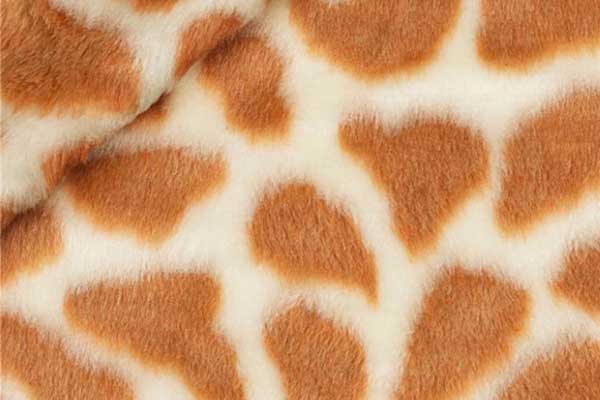
Pelo 684 2 Colori
Pelo 684 2 Colori is a short-haired, soft and compact eco-fur fabric, ideal for creative projects that require volume and a warm visual appearance. It is available in 1 meter cuts, with a width of 140 cm, an 80% acrylic and 20% polyester composition and a weight of 214 g/m². These features make it a handy and easy-to-work material, with a uniform, soft surface that holds its shape well while remaining lightweight.
To make a DIY eco-fur bag, this fabric represents a practical and aesthetically striking solution. The uniform furry effect and full visual rendering allow you to obtain modern and distinctive bags, with a lightweight, versatile material and immediately ready to use.
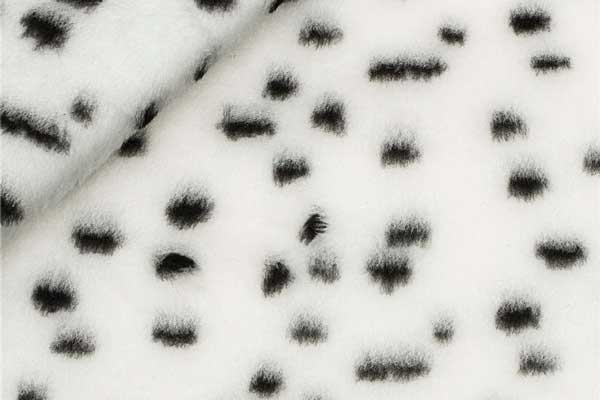
Pelo 686 2 Colori My
Pelo 686 2 Colori MY is an eco-fur fabric made of 100% polyester, designed for creative projects, accessories or costumes. It has a short, soft-touch coat and a uniform surface that resembles that of a well-defined animal coat. It has a height of 150 cm and a weight of 300 g/m², characteristics that make the fabric consistent and with a good body, suitable for robust but flexible designs.
This material lends itself effectively to creating DIY bags: the compactness and thickness of the Pelo 686 2 Colori MY ensure that the accessory maintains its shape over time, while remaining soft to the touch. The short, even pile makes cutting and sewing easy, perfect for well-finished, furry-looking shoppers, shoulder straps, or clutches. Its color versatility and pleasant feel make this fabric an ideal choice for attractive bags, comfortable to carry and visually characterful.
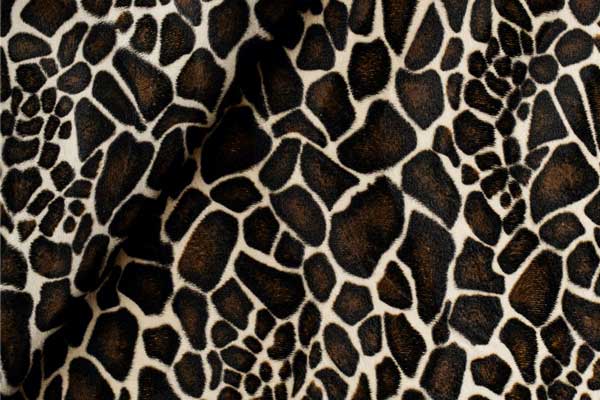
Tessuto Vitaly Extra
Tessuto Vitaly Extra is a short-haired synthetic fur made of 100% acrylic fibre. It has a height of 150 cm and a weight of 260 g/m². It presents itself with a printed pattern, often in animalier variants, which gives a decisive and very characteristic appearance to the material. While not stretchy, it maintains good softness to the touch and a compact structure, qualities that make it ideal for creative applications and handcrafted accessories.
For the creation of DIY eco-fur bags, the Vitaly Extra Fabric is particularly suitable thanks to its balanced texture and full aesthetic rendering. The short pile facilitates cutting and sewing, allowing you to obtain shoppers, clutches or shoulder straps with a uniform and well-finished surface. Printed patterns instantly bring personality to the accessory, transforming each project into an original and visually striking bag, perfect for those seeking a creative and distinctive result.
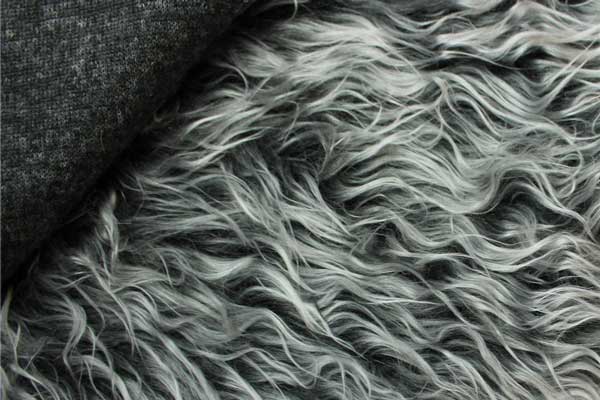
Pelo Lungo Melange
Pelo Lungo Melange is a long-haired, soft-handed eco-fur fabric, made of 75% acrylic and 25% polyester. It has a width of 140 cm and a weight of approximately 378 g/m². Its full texture and well-defined hairy surface make it particularly suitable for creations that require volume, softness and a noticeable scenographic effect.
For making DIY bags, Pelo Lungo Melange is an ideal choice when aiming for accessories with a bold and eye-catching look. The long, soft coat gives the bag a noticeable, tactile “hairy” effect, perfect for shoppers, shoulder straps, clutches, or oversized bags with a strong character.
Which lining to choose for a structured and durable bag
The inner lining is essential to maintain the shape of the bag, protect the objects and give stability to the project. The most suitable options are heavy cotton, compact microfiber, thick satin or reinforced canvas.
For bags that need to maintain a precise shape, a rigid or semi-rigid interlining layer can be added, or a reinforcing heat-adhesive film can be added to the back of the lining. This helps to avoid creases, bulges or sagging over time.
Tools needed to properly cut and sew ecofurf
In addition to the classic sewing tools, the following are useful for eco-fur:
sewing clips instead of the classic pins,
sharp, fine-tipped scissors to cut the base without cutting the hair,
reinforced needles for thick fabrics,
foot for bulky materials,
soft brush for combing and evening the coat,
long bets so as not to compress the fabric.
How to prepare a pattern for an eco-fur bag
The pattern determines the proportions, functionality and style of the bag. Careful design allows you to avoid material waste, improve the fit of the pile and achieve a harmonious result.
Recommended sizes for shoppers, clutches and clutch bags
The size of the bag changes significantly depending on the model:
Shopper → 25–30 × 35 cm panels, 10 cm side band, 55–60 cm handles;
Evening Clutch → 20 × 30cm panels, short handle or chain;
Mini bag → 16 × 22 cm panels, perfect with zip closure;
Shoulder bag → 22 × 28 cm panels with textured bottom and adjustable shoulder strap.
It is important to always leave more generous seam allowances (1.2–1.5 cm) because the pile takes up volume.
How to draw the pattern and correctly mark the direction of the hair
The direction of the pile must be consistent across all pieces: an error in this step makes the bag visually uneven. The direction of the hair should always be indicated with an arrow on the pattern. In models with separate bottoms and hips, you need to check that the hair runs evenly from top to bottom on each panel.
How to cut eco-fur without ruining it
The cutting of the eco-fur is an extremely delicate phase: the quality of the edge and the hair yield depend on precise and slow gestures.
Correct technique to incise the base without cutting the hair
To avoid the effect “severed hair”, you need to:
Place the fur with the reverse side up.
Hold the edges up to check where the fibers are.
Slowly score the textile base with just the tip of scissors or a fine cutter.
Separate the pieces by pulling gently, without “tearing”.
Advanced tips to avoid waste and achieve symmetrical shapes
Eco-fur is more expensive than plain fabrics, so precise cutting is essential:
Place the larger pieces in the center of the fabric, where the direction of the pile is most uniform
Group symmetrical pieces (e.g. handles) to obtain a homogeneous yield
Use smaller cutouts for decorations, inside pockets, or loops
How to sew an eco-fur bag step by step
Just as in the case of DIY canvas bags, sewing is the heart of the project for this type of handmade bag: it requires patience and precision, but by following the correct method you can achieve a sartorial quality result.
Assemble the inner lining with clean seams
The lining should be built as a second complete bag:
join the panels with straight seams,
iron the margins well,
insert any internal pockets,
reinforce with interlining if necessary.
Sew the eco-fur without crushing the fur
The secret of an invisible seam consists of:
always work with the pieces “straight on straight”,
use a longer point than normal to avoid compressing the hair,
finish by pulling the trapped fibers outward with a needle or your fingers.
Secure the handles correctly to ensure durability over time
The handles are a critical part of the bag: they must be beautiful but above all durable. For a professional result:
always reinforce the internal area with a small square of rigid fabric,
make a seam “box” with internal cross to improve the seal,
Consider using faux leather handles or chains for a more modern aesthetic.
DIY Bag Finishing: How to Achieve a Professional Result
The finishing determines the perceived quality level of the bag. Even a perfect seam can be less elegant if the pile is not even or if the edges are not finished.
How to even out the hair at the joints
After each seam:
comb the fur with a soft brush always following the same direction
eliminates any fine lint
If necessary, trim the inside edges with bias tape or fabric to increase durability
Accessories and details that elevate the aesthetics of the bag
Accessories turn a simple bag into one piece. You can add:
matching pompoms
metal handles
hidden zip
eco-leather inserts for contrast
rigid bases
interior zip pockets
Mistakes to avoid when working with eco-fur
Working with faux fur can lead to some common mistakes that affect the outcome.
Improper hair cutting and uneven edges: If you cut the hair like a common fabric, you get uneven edges. It is essential to incise only the base, keeping the hair long and uniform.
Unsuitable or too light lining: An unstructured lining causes the bag to warp over time. Choose sturdy materials and don’t skimp on internal reinforcements.
Handles secured without reinforcements or with weak seams: This is one of the most frequent breaking points. Rigid reinforcement and box stitching provide stability even with everyday use.
Creative ideas for making custom eco-fur bags
Once you understand the technical steps, you can experiment by creating more complex or personalized bags.
Models to try: shoulder strap, shopper, clutch, mini bag
Each model changes aesthetics and use:
Shopper → capacious and versatile, perfect for winter.
Clutch → elegant, ideal for the evening or formal occasions.
Mini bag → compact design, perfect for minimal outfit.
Shoulder strap → practical and urban, with adjustable handle.
How to adapt size and detail to the desired style
You can customize the bag by increasing the depth through a wider side band, choosing a particular geometric shape, opting for chain or faux leather handles, or inserting contrasting colored linings.
Making a DIY eco-fur bag is a project that combines creativity, technique, and experimentation because it offers the possibility of transforming a simple fabric into a warm, soft, and distinctive accessory. By following the steps described and choosing wholesale fabrics online at the Cimmino shop, you can achieve a truly professional result even without a lot of initial experience.
FAQ – Frequently Asked Questions about DIY Eco-Fur Bags
1. What’s the best eco-fur for making a DIY bag?
The best eco-fur for a DIY bag depends on the pattern you want to create. For an elegant bag, short hair is ideal, while for bulky shoppers, medium or long hair works better. The important thing is to choose a faux fur with a sturdy textile base, so as to ensure stability and durability.
2. How do you cut ecofurf without ruining it?
To cut the eco-fur without damaging the hair, you need to cut the textile base from the reverse using the tip of scissors or a thin cutter. Avoid cutting the pile directly: this will give you even edges and a more natural look after sewing.
3. What materials do you need to sew an eco-fur bag?
The essential materials are: eco-fur, durable lining (heavy cotton, microfiber, satin), optional interlining to give structure, sharp scissors, clips, thick fabric needle, soft brush, dyed thread and a sewing machine capable of processing bulky materials.
4. What type of lining should I use for an eco-fur bag?
For a durable bag, a heavy lining such as microfiber, thick cotton, or canvas is recommended. If you want a more structured bag, add an internal reinforcement such as a sticky canvas or hardboard at the bottom.
5. How to sew ecofurf without crushing the hair?
To avoid crushing the pile, sew the eco-fur “straight against straight” using a long stitch and pulling the trapped fibers outward at the end of the seam. A soft brush helps even out the pile and make the seams invisible.
6. Is it difficult to sew an eco-fur bag?
The difficulty is medium: precision in cutting and care in hair management are required, but by following a step-by-step tutorial, even beginners can achieve a professional result. Faux fur hides any imperfections well.
7. How to make an eco-fur bag more durable?
To increase durability, reinforce critical points such as the base and handle attachments. Use sturdy liners and apply a square of stiff fabric to secure the handles. Reinforced box seams provide greater hold over time.
8. Can I add a zip to an eco-fur bag?
Yes, a zip is one of the most functional closures. It is applied between lining and eco-fur during the assembly phase. It is advisable to use a soft nylon zip to facilitate sewing and harmonize it with the volume of the pile.
9. What bag designs can I create with eco-fur?
With eco-fur you can create many models: large shoppers, evening clutches, mini bags, clutches, shoulder bags and crescent models. By changing the shape, depth and type of handles you can get totally different styles.
10. Come evitare che l’eco-pelliccia si perda durante la lavorazione?
To reduce hair loss, cut the fabric by cutting only the base and not the fibers. Gently work the edges and brush off the excess after each step. Avoid shaking the fabric too much and use clips instead of pins to avoid damaging the fibers.
Realizzare una borsa in ecopelliccia fai-da-te è un progetto ideale per chi ama il cucito creativo e desidera dare vita a un accessorio morbido, originale e perfetto per la stagione fredda. L’ecopelliccia è un tessuto che permette di ottenere un risultato visivamente ricco, voluminoso e dall’estetica sempre attuale. Per realizzare una borsa resistente e rifinita, però, serve conoscere alcune tecniche specifiche. In questa guida completa di Manifattura Foderami Cimmino ci sono tutti i dettagli pratici utili sia a principianti sia a chi ha già dimestichezza con macchina da cucire e progettazione di accessori per fare una borsa in ecopelliccia.
Perché scegliere l’ecopelliccia per una borsa fai-da-te
L’ecopelliccia è un materiale in grado di trasformare una borsa semplice in un accessorio accattivante e ricco di personalità. La sua capacità di aggiungere volume e morbidezza la rende perfetta per l’inverno e per chi ama uno stile cozy ma curato. Lavorarla richiede alcune accortezze, ma permette di creare borse originali anche senza grande esperienza di cucito.
Vantaggi dell’ecopelliccia rispetto ad altri tessuti per borse
L’ecopelliccia offre vantaggi che la rendono ideale per la creazione di borse handmade. Innanzitutto, le sue fibre morbide e folte aiutano a nascondere eventuali imperfezioni nelle cuciture, rendendo il risultato finale più uniforme rispetto a tessuti lisci come cotone o canvas. Inoltre è disponibile in molte varianti di colore, lunghezza del pelo, densità e consistenza: questo permette di creare borse minimaliste, fashion, vintage o glamour semplicemente cambiando il tipo di pelliccia sintetica. Rispetto alla pelliccia naturale, è più leggera e più semplice da maneggiare in fase di taglio e cucitura, oltre ad essere un’alternativa etica e sostenibile.
Perché l’ecopelliccia è ideale per borse invernali e accessori cozy
La texture della pelliccia sintetica richiama immediatamente l’idea di calore, morbidezza e comfort, tre elementi centrali nello stile invernale. Una borsa in ecopelliccia aggiunge volume e tridimensionalità all’outfit, diventando il protagonista del look o un accessorio capace di bilanciare materiali più strutturati come lana, tweed e pelle. L’effetto è sofisticato ma anche informale a seconda delle geometrie scelte: una clutch in pelo corto ha un’eleganza serale, mentre una shopper in pelo lungo trasmette un mood rilassato e accogliente.
Materiali indispensabili per cucire una borsa in ecopelliccia
La resa finale della borsa dipende dalla qualità dei materiali scelti e dalla loro combinazione. È fondamentale dedicare tempo alla selezione della pelliccia più adatta, della fodera e dei rinforzi, perché ognuno di questi elementi incide sulla struttura, sulla morbidezza e sulla durabilità dell’accessorio.
Come scegliere l’ecopelliccia giusta: pelo corto, medio o lungo
Lunghezza e densità del pelo influenzano sia l’estetica sia la facilità di lavorazione:
Pelo corto → perfetto per chi sta iniziando. Rimane ordinato, richiede meno manutenzione, si taglia facilmente e non tende a incastrarsi nelle cuciture. Ideale per clutch e mini bag.
Pelo medio → la soluzione più versatile. Il volume è equilibrato, le cuciture sono facilmente nascondibili e il risultato ha un aspetto più “moda” senza essere difficile da rifinire.
Pelo lungo → scenografico, molto morbido e perfetto per shopper voluminose. Richiede però attenzione: il pelo si muove durante il taglio, può intrappolarsi nelle cuciture e va pettinato dopo ogni fase per un aspetto uniforme.
È consigliabile verificare che la base tessile (backing) sia resistente e non troppo morbida, per evitare che la borsa perda forma.
I migliori tessuti per realizzare una borsa in ecopelliccia
Alcuni materiali si prestano meglio di altri alla realizzazione di una borsa in ecopelliccia perché uniscono consistenza, facilità di cucitura e un effetto visivo ricco, ideale per accessori che vogliono distinguersi. Ecco quali scegliere sul catalogo di Cimmino.
Pelo 684 2 Colori
Il Pelo 684 2 Colori è un tessuto in ecopelliccia dal pelo corto, morbido e compatto, ideale per progetti creativi che richiedono volume e un aspetto visivo caldo. È disponibile in tagli da 1 metro, con una larghezza di 140 cm, una composizione 80% acrilico e 20% poliestere e un peso di 214 g/m². Queste caratteristiche lo rendono un materiale maneggevole e semplice da lavorare, con una superficie uniforme e soffice che mantiene bene la forma pur restando leggera.
Per realizzare una borsa in ecopelliccia fai-da-te, questo tessuto rappresenta una soluzione pratica ed esteticamente d’impatto. L’effetto peloso uniforme e la resa visiva piena consentono di ottenere borse moderne e distintive, con un materiale leggero, versatile e subito pronto all’uso.
Pelo 686 2 Colori My
Il Pelo 686 2 Colori MY è un tessuto in ecopelliccia composto al 100% da poliestere, pensato per progetti creativi, accessori o costumi. Presenta un pelo corto, morbido al tatto e una superficie uniforme che ricorda quella di un pelo animale ben definito. Ha un’altezza di 150 cm e un peso di 300 g/m², caratteristiche che rendono il tessuto consistente e con un buon corpo, adatto a realizzazioni robuste ma flessibili.
Questo materiale si presta con efficacia a creare borse fai-da-te: la compattezza e lo spessore del Pelo 686 2 Colori MY assicurano che l’accessorio mantenga la forma nel tempo, pur restando morbido al tatto. Il pelo corto e uniforme facilita il taglio e la cucitura, perfetti per shopper, tracolle o clutch dall’aspetto peloso e ben rifinito. La sua versatilità cromatica e il feel piacevole rendono questo tessuto una scelta ideale per borse accattivanti, comode da portare e visivamente di carattere.
Tessuto Vitaly Extra
Il Tessuto Vitaly Extra è una pelliccetta sintetica a pelo corto composta al 100% da fibra acrilica. Ha un’altezza di 150 cm e un peso di 260 g/m². Si presenta con una fantasia stampata, spesso in varianti animalier, che conferisce un aspetto deciso e molto caratteristico al materiale. Pur non essendo elasticizzato, mantiene una buona morbidezza al tatto e una struttura compatta, qualità che lo rendono ideale per applicazioni creative e accessori artigianali.
Per la realizzazione di borse in ecopelliccia fai-da-te, il Tessuto Vitaly Extra è particolarmente adatto grazie alla sua consistenza equilibrata e alla resa estetica piena. Il pelo corto facilita il taglio e la cucitura, permettendo di ottenere shopper, pochette o tracolle con una superficie uniforme e ben rifinita. Le fantasie stampate donano subito personalità all’accessorio, trasformando ogni progetto in una borsa originale e dal forte impatto visivo, perfetta per chi desidera un risultato creativo e distintivo.
Pelo Lungo Melange
Pelo Lungo Melange è un tessuto in ecopelliccia dal pelo lungo e dalla mano morbida, composto per il 75% in acrilica e per il 25% in poliestere. Ha una larghezza di 140 cm e un peso di circa 378 g/m². La sua consistenza piena e la superficie pelosa ben definita lo rendono particolarmente adatto per realizzazioni che richiedono volume, morbidezza e un effetto scenografico evidente.
Per la realizzazione di borse fai-da-te, Pelo Lungo Melange rappresenta una scelta ideale quando si punta a accessori con un aspetto deciso e accattivante. Il pelo lungo e morbido dona alla borsa un effetto “peloso” evidente e tattile, perfetto per shopper, tracolle, pochette o borse oversize dal carattere forte.
Quale fodera scegliere per una borsa strutturata e resistente
La fodera interna è essenziale per mantenere la forma della borsa, proteggere gli oggetti e dare stabilità al progetto. Le opzioni più indicate sono cotone pesante, microfibra compatta, raso spesso o tela rinforzata.
Per borse che devono mantenere una forma precisa si può aggiungere uno strato di interlining rigido o semi-rigido, oppure una pellicola termo-adesiva rinforzante sul retro della fodera. Questo aiuta a evitare pieghe, rigonfiamenti o cedimenti nel tempo.
Strumenti necessari per tagliare e cucire correttamente l’ecopelliccia
Oltre agli strumenti classici del cucito, per l’ecopelliccia sono utili:
clip da cucito invece dei classici spilli,
forbici affilate a punta fine per incidere la base senza tagliare il pelo,
aghi rinforzati per tessuti spessi,
piedino per materiali voluminosi,
spazzola morbida per pettinare e uniformare il pelo,
puntate lunghe per non comprimere il tessuto.
Come preparare il cartamodello per una borsa in ecopelliccia
Il cartamodello determina proporzioni, funzionalità e stile della borsa. Una progettazione accurata permette di evitare sprechi di materiale, migliorare la vestibilità del pelo e ottenere un risultato armonioso.
Misure consigliate per shopper, clutch e pochette
La dimensione della borsa cambia notevolmente in base al modello:
Shopper → pannelli da 25–30 × 35 cm, fascia laterale da 10 cm, manici da 55–60 cm;
Clutch da sera → pannelli da 20 × 30 cm, manico corto o catena;
Mini bag → pannelli da 16 × 22 cm, perfetti con chiusura a zip;
Borsa a tracolla → pannelli da 22 × 28 cm con fondo strutturato e tracolla regolabile.
È importante lasciare sempre margini di cucitura più generosi (1,2–1,5 cm) perché il pelo occupa volume.
Come disegnare il modello e segnare correttamente la direzione del pelo
La direzione del pelo deve essere coerente su tutti i pezzi: un errore in questo passaggio rende la borsa visivamente disomogenea. Sul cartamodello va sempre indicata con una freccia la direzione del pelo. Nei modelli con fondo e fianchi separati, bisogna verificare che il pelo scorra uniformemente dall’alto verso il basso su ogni pannello.
Come tagliare l’ecopelliccia senza rovinarla
Il taglio dell’ecopelliccia è una fase estremamente delicata: la qualità del bordo e la resa del pelo dipendono da gesti precisi e lenti.
Tecnica corretta per incidere la base senza tagliare il pelo
Per evitare l’effetto “pelo mozzato”, occorre:
Posizionare la pelliccia con il rovescio rivolto verso l’alto.
Tenere sollevati i bordi per verificare dove si trovano le fibre.
Incidere lentamente la base tessile solo con la punta delle forbici o un cutter fine.
Separare i pezzi tirando con delicatezza, senza “strappare”.
Consigli avanzati per evitare sprechi e ottenere forme simmetriche
L’ecopelliccia ha un costo superiore rispetto ai tessuti semplici, quindi un taglio preciso è fondamentale:
Posiziona i pezzi più grandi al centro del tessuto, dove la direzione del pelo è più uniforme
Raggruppa pezzi simmetrici (es. manici) per ottenere una resa omogenea
Usa ritagli più piccoli per decorazioni, tasche interne o passanti
Come cucire una borsa in ecopelliccia passo dopo passo
Proprio come nel caso delle borse di tela fai-da-te anche per questo tipo di borse fatte a mano la cucitura è il cuore del progetto: richiede pazienza e precisione, ma seguendo il metodo corretto è possibile ottenere un risultato di qualità sartoriale.
Assemblare la fodera interna con cuciture pulite
La fodera va costruita come una seconda borsa completa:
unisci i pannelli con cuciture dritte,
stira bene i margini,
inserisci eventuali tasche interne,
rinforza con interlining se necessario.
Cucire l’ecopelliccia senza schiacciare il pelo
Il segreto di una cucitura invisibile consiste nel:
lavorare sempre con i pezzi “dritto contro dritto”,
usare un punto più lungo del normale per non comprimere il pelo,
rifinire tirando le fibre intrappolate verso l’esterno con un ago o le dita.
Fissare i manici correttamente per garantire resistenza nel tempo
I manici sono una parte critica della borsa: devono essere belli ma soprattutto resistenti. Per un risultato professionale:
rinforza sempre l’area interna con un quadratino di tessuto rigido,
esegui una cucitura “a scatola” con croce interna per migliorare la tenuta,
valuta l’uso di manici in ecopelle o catene per un’estetica più moderna.
Rifinitura della borsa fai-da-te: come ottenere un risultato professionale
La rifinitura determina il livello di qualità percepito della borsa. Anche una cucitura perfetta può risultare meno elegante se il pelo non è uniformato o se i bordi non sono rifiniti.
Come uniformare il pelo nelle giunzioni
Dopo ogni cucitura:
pettina il pelo con una spazzola morbida seguendo sempre la stessa direzione
elimina eventuali pelucchi sottili
se necessario, rifinisci i bordi interni con nastro sbieco o tessuto per aumentare la durata
Accessori e dettagli che elevano l’estetica della borsa
Gli accessori trasformano una borsa semplice in un pezzo unico. Puoi aggiungere:
pompon coordinati
manici in metallo
zip a scomparsa
inserti in ecopelle per contrasto
basi rigide
tasche interne con zip
Errori da evitare quando si lavora l’ecopelliccia
Lavorare la pelliccia sintetica può portare ad alcuni errori comuni che influenzano il risultato.
Taglio scorretto del pelo e bordi irregolari: Se si taglia il pelo come un comune tessuto, si ottengono bordi disomogenei. È essenziale incidere solo la base, mantenendo il pelo lungo e uniforme.
Fodera inadatta o troppo leggera: Una fodera non strutturata porta la borsa a deformarsi nel tempo. Scegli materiali robusti e non risparmiare sui rinforzi interni.
Manici fissati senza rinforzi o con cuciture deboli: Questo è uno dei punti di rottura più frequenti. Un rinforzo rigido e una cucitura a scatola garantiscono stabilità anche con uso quotidiano.
Idee creative per realizzare borse in ecopelliccia personalizzate
Una volta compresi i passaggi tecnici, potrai sperimentare creando borse più complesse o personalizzate.
Modelli da provare: shopper, clutch, mini bag, tracolla
Ogni modello cambia estetica e utilizzo:
Shopper → capiente e versatile, perfetta per l’inverno.
Clutch → elegante, ideale per la sera o occasioni formali.
Mini bag → design compatto, perfetta per outfit minimal.
Tracolla → pratica e urbana, con manico regolabile.
Come adattare dimensioni e dettagli allo stile desiderato
Puoi personalizzare la borsa aumentando la profondità tramite una fascia laterale più ampia, scegliendo una forma geometrica particolare, optando per manici a catena o in ecopelle o inserendo fodere colorate a contrasto.
Realizzare una borsa in ecopelliccia fai-da-te è un progetto che unisce creatività, tecnica e sperimentazione perché offre la possibilità di trasformare un semplice tessuto in un accessorio caldo, morbido e dallo stile distintivo. Seguendo i passaggi descritti e scegliendo i tessuti all’ingrosso online sullo shop di Cimmino è possibile ottenere un risultato davvero professionale anche senza grande esperienza iniziale.
FAQ – Domande Frequenti su Borse in ecopelliccia fai-da-te
1. Qual è l’ecopelliccia migliore per realizzare una borsa fai-da-te?
La migliore ecopelliccia per una borsa fai-da-te dipende dal modello che vuoi creare. Per una borsa elegante è ideale il pelo corto, mentre per shopper voluminose funziona meglio il pelo medio o lungo. L’importante è scegliere una pelliccia sintetica con base tessile robusta, così da garantire stabilità e durata.
2. Come si taglia l’ecopelliccia senza rovinarla?
Per tagliare l’ecopelliccia senza danneggiare il pelo bisogna incidere la base tessile dal rovescio usando la punta delle forbici o un cutter sottile. Evita di tagliare il pelo direttamente: così otterrai bordi uniformi e un aspetto più naturale dopo la cucitura.
3. Quali materiali servono per cucire una borsa in ecopelliccia?
I materiali indispensabili sono: ecopelliccia, fodera resistente (cotone pesante, microfibra, raso), interlining opzionale per dare struttura, forbici affilate, clip, ago per tessuti spessi, spazzola morbida, filo in tinta e una macchina da cucire in grado di lavorare materiali voluminosi.
4. Che tipo di fodera usare per una borsa in ecopelliccia?
Per una borsa resistente è consigliabile una fodera pesante come microfibra, cotone spesso o tela. Se desideri una borsa più strutturata, aggiungi un rinforzo interno come una tela adesiva o un pannello rigido nella parte inferiore.
5. Come cucire l’ecopelliccia senza schiacciare il pelo?
Per evitare di schiacciare il pelo, cuci l’ecopelliccia “dritto contro dritto” usando un punto lungo e tirando le fibre intrappolate verso l’esterno alla fine della cucitura. Una spazzola morbida aiuta a uniformare il pelo e rendere le cuciture invisibili.
6. È difficile cucire una borsa in ecopelliccia?
La difficoltà è media: servono precisione nel taglio e attenzione nella gestione del pelo, ma seguendo un tutorial passo-passo anche i principianti possono ottenere un risultato professionale. La pelliccia sintetica nasconde bene eventuali imperfezioni.
7. Come rendere più resistente una borsa in ecopelliccia?
Per aumentare la durata, rinforza i punti critici come la base e gli attacchi dei manici. Usa fodere robuste e applica un quadratino di tessuto rigido dove fissare i manici. Le cuciture a scatola rinforzata garantiscono maggiore tenuta nel tempo.
8. Posso aggiungere una zip a una borsa in ecopelliccia?
Sì, una zip è una delle chiusure più funzionali. Si applica tra fodera ed ecopelliccia durante la fase di assemblaggio. È consigliabile usare una zip nylon morbida per facilitare la cucitura e armonizzarla con il volume del pelo.
9. Quali modelli di borse posso creare con l’ecopelliccia?
Con l’ecopelliccia puoi creare molti modelli: shopper capienti, clutch da sera, mini bag, pochette, borse a tracolla e modelli a mezzaluna. Cambiando forma, profondità e tipo di manici puoi ottenere stili totalmente diversi.
10. Come evitare che l’ecopelliccia perda pelo durante la lavorazione?
Per ridurre la perdita di pelo, taglia il tessuto incidendo solo la base e non le fibre. Lavora delicatamente i bordi e spazzola l’eccesso dopo ogni fase. Evita di scuotere troppo il tessuto e usa clip invece di spilli per non danneggiare le fibre.
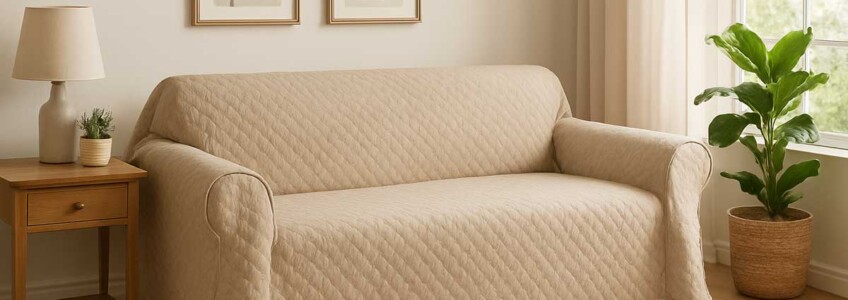
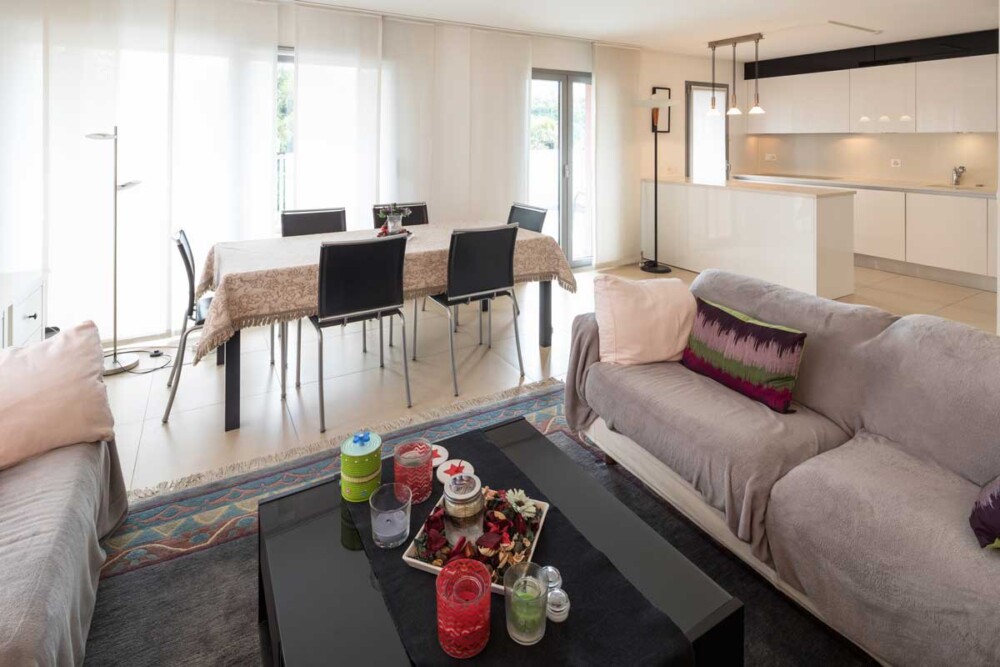
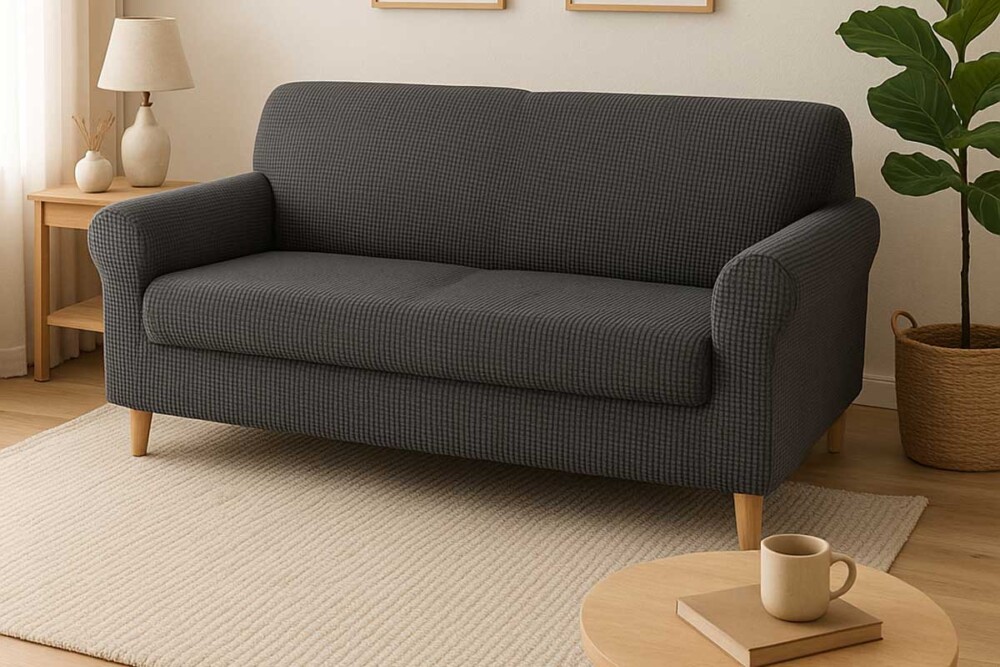
Choosing the most suitable fabric for a sofa cover isn’t just about protecting the sofa from wear and tear: it impacts the aesthetic appeal of the living room, the practicality of everyday life, and the durability of the upholstery over time. Some materials offer greater strength, others favor softness, still others guarantee a perfect fit or a more structured decorative effect.
Manifattura Foderami Cimmino offers the most popular solutions for those who need to purchase a ready-made sofa cover or make it to measure with the furniture fabrics available online.
Why it’s important to choose the right fabric for a sofa cover
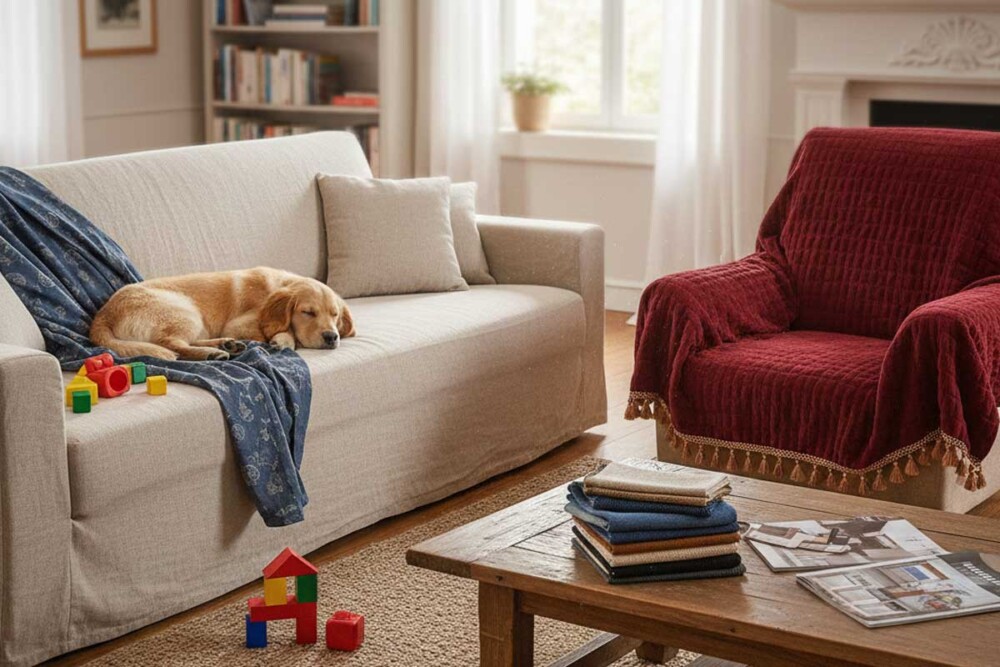
Choosing a material that suits your needs allows you to improve the functionality of the sofa cover and achieve a longer-lasting result. Every family experiences the living room differently: those with children or pets, for example, will need a durable and easy-to-clean fabric, while those who want a more decorative effect can opt for more premium weaves. The fabric therefore plays a central role both from a practical and aesthetic point of view. In summer, for example, you can opt for sheets to cover the sofa, while in the cold months a warm sofa cover is ideal.
Protective function of the sofa cover
The main function of the sofa cover is to protect the sofa from stains, chafing and signs of daily wear and tear. A suitable fabric absorbs shock better, resists dirt and creates a barrier against damage, keeping the sofa in good condition longer. Choosing a material that is too light or not very durable could compromise long-term protection, especially in the case of sofas upholstered in fine fabrics.
Durability and wear resistance of a good sofa cover
The choice of fabric also affects the sofa cover’s ability to maintain shape and structure. Tightly woven materials, more robust or with synthetic yarns, tend to be more durable over time. Resistance to frequent washing also affects the solidity of the product: a good fabric must not fade or warp.
Importance of washability and maintenance of the sofa cover
A sofa cover must be able to be washed without difficulty, often even in the washing machine. Convenience of maintenance is therefore essential, especially in very lived homes. Fabrics such as polyester and microfiber dry quickly and hold their shape, while cotton allows for simple, natural washing. The frequency of use and the presence of animals or children can guide the choice towards materials that are easier to clean.
The best fabrics for sofa covers: features and advantages
The choice of material can radically change the appearance and functionality of the sofa cover. Here are the most used sofa cover fabrics and their main features.
Cotton: natural, breathable and easy to wash
Cotton is ideal for those looking for a soft, comfortable and all-natural fabric. It is breathable, pleasant to the touch and provides a good balance between aesthetics and practicality. It washes easily and easily resists frequent washing: for this reason, it represents an excellent option for sofa covers to be used every day to protect the sofa cover.
Tela Medioevale
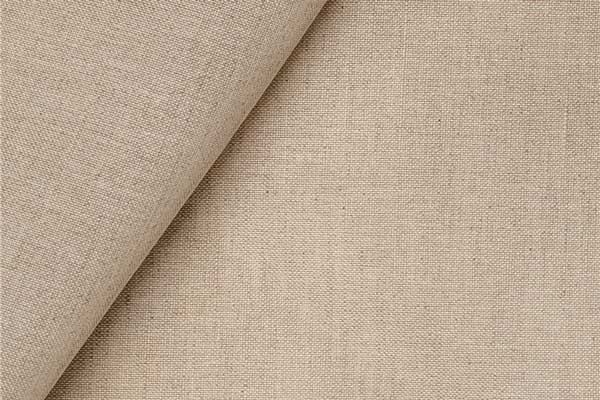
Tela Medioevale is a linen and cotton blend fabric that stands out for its natural and slightly rustic look, ideal for sofa covers with a sober and welcoming style. The raw coloration and visible texture give an authentic effect, perfect for environments that focus on neutral shades and natural materials.
With its good texture and height of 150 cm, this fabric is easy to work with and is suitable for covering sofas, armchairs or other furnishing elements without losing softness or resistance. The balanced composition makes it a versatile material, capable of combining aesthetics and functionality in a single simple yet elegant solution.
Polyester: durable, stain-resistant and practical
Polyester is a versatile fabric, very resistant to wear and creases. It holds its shape even after numerous washes and offers good protection against stains and liquids. It is the most suitable choice for those who want a long-lasting and minimally maintained sofa cover, without sacrificing an orderly appearance.
Tessuto Velluto Petronilla
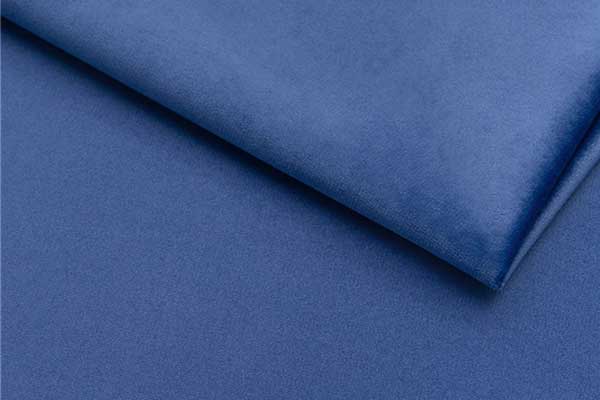
Tessuto Velluto Petronilla is a refined and welcoming fabric, designed for those seeking elegance and comfort in their furnishings. Made of polyester, it offers a soft and velvety surface to the touch, capable of restoring depth and warmth to the environment. With an excellent texture, this fabric is ideal for covering sofas, armchairs, cushions or upholstered panels, stylishly enhancing both classic environments and more contemporary contexts.
The generous width of the fabric and its full-bodied texture ensure good performance even on large surfaces and with particular shapes, facilitating the work of tailoring or upholstery without sacrificing the final elegance. The velvet holds its crease well and gives the sofa a luxurious and inviting look, ideal for refined living rooms or those with a warm and welcoming style.
Microfiber: soft and ideal for families with children or pets
Microfiber is a particularly practical solution: it is soft, compact, durable and easy to clean. The smooth surface allows you to quickly remove hair and impurities, which is why it is often chosen by those who have animals. Additionally, microfiber tends to stain less and maintains bright colors longer.
Stretch fabrics for sofa covers: perfect fit and practicality
Stretch fabrics allow for a snug elastic sofa cover, without creases or slips. They are ideal when you want a precise fit or create a DIY project that requires flexibility. Their ability to adapt to the shapes of the sofa makes them perfect for models of particular sizes or shapes.
Jacquard and fabrics furniture: aesthetics and most sought-after structure
Jacquard fabrics and those intended for furnishing offer a more sought-after aesthetic thanks to the processed wefts. The more substantial structure gives the sofa cover an elegant and decorative appearance, ideal for environments where the sofa becomes the protagonist of the space. They are suitable for those who want a touch of style without sacrificing functionality.
Tessuto Yvonne Jacquard
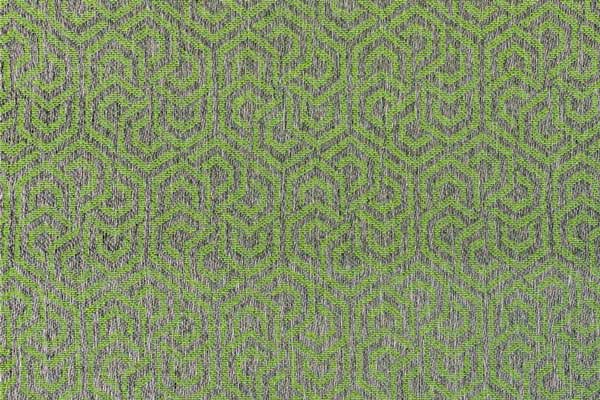
Tessuto Yvonne Jacquard is a decorative and resistant material, characterized by a geometric texture created directly in the weaving. The combination of polyester and cotton gives it a good balance between sturdiness and comfort, making it suitable for upholstering sofas and armchairs with a refined and characterful result.
The significant height of the fabric allows for easy work even on large surfaces, maintaining a uniform and orderly aesthetic result. The jacquard structure gives visual depth and an elegant look, ideal for those who want a sofa cover that becomes an integral part of the furniture. Versatile and durable, it is a suitable choice for those looking for a decorative yet practical coating in everyday use.
Which sofa cover fabric to choose based on your needs
Each material has specific characteristics that make it more or less suitable for certain situations. Knowing your needs helps you achieve the best result when it comes to choosing upholstery fabric.
If you need strength and ease of cleaning
Poliestere e microfibra sono tra le scelte più efficaci per chi vive il divano in modo quotidiano e intenso. Resistono alle macchie, mantengono la forma e permettono una manutenzione davvero semplice.
Se si vuole un look elegante e decorativo
For a more refined effect, jacquard fabrics or furnishing fabrics with more elaborate weaves are the ideal option. The workmanship gives character to the environment, transforming the sofa cover into a true furnishing complement.
If you like making a DIY sofa cover
Those who prefer to create a custom sofa cover can turn to cotton, blends, and some stretch fabrics. They are easy to sew, have a good seal and allow you to customize colors and finishes.
Sofa cover fabrics to be preferred in animal homes
In the presence of dogs or cats, it is preferable to choose materials that do not retain hair and that are better resistant to light scratches. Microfiber and polyester respond well to these needs thanks to their compact structure and ease of cleaning.
How to recognize a quality fabric for sofa covers
The quality of the fabric affects the durability and aesthetic performance of the sofa cover. There are some practical indicators to consider before choosing the best fabric to make a custom sofa cover.
Weight and density
A fabric with a high basis weight tends to be more robust and durable over time. In addition to the weight of the fabrics, weft density is also a good indicator of the solidity of the material, especially if the sofa cover will be used intensively.
Performance over time
The ability of a fabric to maintain color, shape and firmness after various washes is essential. More stable materials avoid shrinkage or deformation, ensuring uniform yield even in the long term.
Comfort to the touch
The sofa cover is in direct contact with the skin, so comfort is crucial. Softness, freshness and pleasantness to the touch make the daily experience more comfortable, especially in heavily used stays.
Where to buy sofa cover fabrics
To create a custom sofa cover, you can orient yourself towards collections of furnishing fabrics that include cotton, microfiber, polyester, jacquard and stretch fabrics. By browsing Cimmino’s online wholesale fabric catalog, you can compare different textures, colors, and weights, making it easy to choose the material best suited to your living style and everyday needs.
FAQ – Frequently Asked Questions about Sofa Cover Fabric
What is the strongest fabric for a sofa cover?
Among the strongest materials are polyester and microfiber. Both withstand frequent washing well, hold their shape over time, and are less prone to wear and discoloration. They are ideal for sofas used daily or in homes with children and animals.
Which fabric is best if you have pets at home?
Microfiber is often the best choice because it holds less hair and is easy to clean. Polyester is also a good alternative due to its compact surface, which makes it easier to remove residue and reduces the risk of light damage.
Is cotton good for a sofa cover?
Yes, cotton is a natural, soft, breathable fabric that lends itself well to sofa covers. It is ideal for those who want comfort and ease of washing. It is also a good solution for DIY projects thanks to its workability.
Are stretch fabrics a good choice for sofa covers?
Stretch fabrics are perfect if you want to achieve a wrinkle-free, form-fitting coating. They fit easily into sofa shapes and are convenient to install, making them a suitable solution for both ready-made and custom sofa covers.
What’s the best fabric for a DIY sofa cover?
Cotton, blends and stretch fabrics are ideal for a bespoke project. They are easy to cut and sew, offer good aesthetic performance and allow you to create a personalized sofa cover without difficulty.
Is a natural or synthetic fabric sofa cover better?
It depends on the use: natural fabrics like cotton offer comfort and breathability, while synthetic ones like polyester and microfiber provide greater strength, practicality, and durability. The choice must be made according to daily needs.
What is the easiest fabric to wash?
Microfiber is among the easiest fabrics to clean, thanks to its smooth surface and quick drying. Polyester also requires little maintenance and holds its shape well after several washes. Cotton is simple to wash, but may require more care to avoid shrinkage.
Is there a stain-resistant fabric for sofa covers?
There is no such thing as a completely stain-resistant fabric, but polyester and microfiber offer good stain resistance thanks to their compact structure, which prevents dirt from easily penetrating the fibers.
How to tell if a fabric is suitable for a sofa cover?
It is useful to evaluate weight, density, wash resistance, comfort to touch and color stability. A good fabric maintains shape and appearance over time, especially if the sofa cover is used daily.
Here are all the new products in the catalog for November 2025: Manifattura Foderami Cimmino selects the best fabrics for every type of project, from clothing to furniture, including hobby and DIY.
In the world of knitted fabrics, Punto Roma and Punto Milano are two materials that have established themselves as versatile, durable, and ideal solutions for a wide range of clothing items. Although they belong to the same family as double stitches, they present significant differences in the hand, fall and final yield of the leaders. Choosing one or the other is not a matter of personal preference, but of understanding the technical characteristics and behavior of the fabric once worn. Manifattura Foderami Cimmino delves into everything you need to know to choose with confidence.
What is Punto Roma fabric
Punto Roma is a double knit fabric that is recognized by its compact structure and the feeling of support it gives to the touch. It is highly appreciated for its ability to maintain garment shapes without feeling stiff, an ideal balance for those looking for comfortable yet defined fits.
Composition and structure of Punto Roma
The most common composition includes viscose, polyester and elastane. This combination gives the fabric:
controlled elasticity,
good fit,
soft but full-bodied hand.
Double knitting provides superior compactness compared to traditional jersey, making the fabric stable, uniform and wear-resistant.
Typical uses and tailoring applications of Punto Roma
Punto Roma is particularly effective in garments that require clean lines. Among the most common models made with this clothing fabric we find:
pencil skirts
dresses with clean cuts
slim-fit trousers
lightweight blazers
structured shirts
Maintains shape, enhances silhouettes and gives a neat look to the garment.
Punto Roma Afrodite Light
Punto Roma Afrodite Light is a fabric designed for those seeking a balance between comfort, structure and versatility. Its soft, shapely hand makes it ideal for both elegant garments and well-groomed everyday wear, easily adapting to the packaging of suits, casual pieces and work proposals where order and fit must coexist.
The rendering is orderly, modern, never rigid: it accompanies the lines of the model without weighing them down. Made with a composition that combines viscose (73%), polyamide (22%) and elastane (5%), it ensures a pleasant structure on the skin and the right elasticity for a comfortable fit. At 148 cm high, weighing 370 g/MTL (equivalent to 250 g/m²) and OEKO-TEX® STANDARD 100 certification, the Punto Roma Afrodite Light offers quality and reliability for tailoring projects that require precision and a well-controlled fall.
A perfect option for those who want to create garments with a linear and contemporary style, with a fabric that maintains shape and cleanliness without sacrificing softness.
What is Punto Milano fabric
Punto Milano is considered the softest and most elastic variant in the same category: its softer hand and its fluid fall make it ideal for garments that must be dynamic and enveloping.
Composition and structure of Punto Milano
While sharing the composition with Punto Roma, it stands out for a softer, cross-over workmanship, which gives the fabric greater flexibility. This involves:
greater comfort to movement,
a smoother fall,
a softer feeling on the skin.
The weight of the fabric can be variable, but it is an adaptable fabric, which can be used as much in winter as in mid-seasons and even for some summer garments.
Typical uses and tailoring applications of Punto Milano
Thanks to its softness, it is ideal for garments that require a more gliding effect. It is often chosen for:
palace trousers,
soft and jumpsuit clothes,
gathered skirts,
flexible shirts and cardigans,
elegant suits.
It offers movement, elasticity and a more delicate aesthetic than the Punto Roma.
Punto Milano Afrodite
Punto Milano Afrodite is a fabric designed for those looking for structure, softness and impeccable rendering on casual garments and workwear. Its soft, shaping hand makes it particularly popular in clothing that needs to maintain a clean line without feeling stiff, offering comfort throughout the day and a fit that follows the shape without forcing it.
The composition, 70% viscose, 25% polyamide and 5% elastane, provides stability, controlled elasticity and an orderly appearance even after numerous uses. With a height of 145 cm and a weight of 500 g/MTL (equal to 345 g/m²), the Punto Milano Afrodite ensures consistency and a balanced fall, characteristics that make it ideal for structured cardigans, soft-cut trousers, heavier links or detailed workwear.
The OEKO-TEX® STANDARD 100 certification confirms the focus on material quality and safety, adding further value to a fabric that combines aesthetics and functionality. A perfect choice for projects that require comfort, durability, and a modern, well-defined style.
Punto Roma vs Punto Milano: the main differences
Even though they belong to the same family as double knit fabrics, Punto Roma and Punto Milano do not behave the same once worn. The differences between the two stretch fabrics are evident in touch, drop and fit.
Feature
Punto Roma
Punto Milano
Structure
Compact, double knit
Soft, cross-knit
Hand
Full-bodied and sustained
Soft and yielding
Elasticity
Medium
High
Fall
Net and defined
Smooth and soft
Weight
Medium
Medium-high
Ideal for
Structured garments
Fluid heads
In short, the Punto Roma has a more decisive presence, perfect for enhancing shapes and lines, while the Punto Milano offers superior comfort and a softer appearance.
Performance, comfort and maintenance of the two fabrics
From a practical point of view, both:
maintain elasticity over time,
they resist creases,
they are machine washable,
do not require special care.
The difference lies in the final rendering of the garment: Punto Milano “accompany” the figure, while Punto Roma “sculpt” it.
How to choose between Punto Roma and Punto Milano for your project
The ideal choice depends on the type of garment you intend to make and the desired fit.
Considerations by garment (dress, skirt, trousers)
Punto Roma is ideal when the garment requires structure and definition: pencil skirts that must maintain the shape, lightweight blazers that require a good presence and tight trousers that must be stable without losing fit.
Punto Milano, on the other hand, is the most natural choice for soft and dynamic models: palazzo trousers that require fluidity, slid dresses that follow the movement of the body and skirts with ruffles or widths that must fall lightly.
Considerations by season, cut and budget
Punto Roma lends itself better to cool months and models that require a more defined cut. It’s perfect when you want a neat look and a sharper line.
Punto Milano can be used all year round and enhances garments with a soft or fluid cut. It is ideal for those looking for comfort, movement and a more relaxed fit.
Where to buy Punto Roma fabrics and Punto Milano fabrics
Punto Roma and Punto Milano are two extraordinarily versatile fabrics, but their rendering is profoundly different. Punto Roma is the go-to fabric for structured garments and clean lines; Punto Milano, on the other hand, is the perfect ally for fluid, comfortable models with a softer aesthetic. Knowing these differences allows you to precisely choose the material best suited to your tailoring project on the Cimmino shop and obtain beautiful, functional and comfortable garments.
FAQ – Frequently Asked Questions about Punto Roma and Punto Milano
1. What is the main difference between Punto Roma and Punto Milano?
The key difference lies in the hand and the fall: the Punto Roma is more structured, while the Punto Milano is softer and more fluid. This affects the type of garment that can be made with each fabric.
2. Which fabric is best for making elegant clothes?
It depends on the fit you want to achieve: the Punto Milano is ideal for soft, slip-on dresses, while the Punto Roma is perfect for more defined dresses, with clean lines and more constructed silhouettes.
3. Does Punto Milano dress more than Punto Roma?
Generally yes. Being more elastic and fluffy, the Punto Milano tends to adapt better to the figure and offers greater comfort when moving.
4. Is Punto Roma also suitable for summer garments?
It can be, especially in lighter weights. However, for very fresh and airy garments, Punto Milano is often more comfortable.
5. Which of the two fabrics is easier to sew?
Punto Roma is more stable under the sewing machine, so it is also ideal for those with less experience. The more elastic Punto Milano requires a little’ more attention, especially when managing the seams and needle.
Nell’universo dei tessuti a maglia, il Punto Roma e il Punto Milano sono due materiali che si sono affermati come soluzioni versatili, resistenti e ideali per moltissimi capi d’abbigliamento. Pur appartenendo alla stessa famiglia dei punti doppi, presentano differenze significative nella mano, nella caduta e nella resa finale dei capi. Scegliere l’uno o l’altro non è una questione di preferenza personale, ma di comprensione delle caratteristiche tecniche e del comportamento del tessuto una volta indossato. Manifattura Foderami Cimmino approfondisce tutto ciò che serve sapere per scegliere con sicurezza.
Cos’è il tessuto Punto Roma
Il Punto Roma è un tessuto a maglia doppia che si riconosce per la sua struttura compatta e la sensazione di sostegno che restituisce al tatto. È molto apprezzato per la capacità di mantenere le forme dei capi senza risultare rigido, un equilibrio ideale per chi cerca vestibilità comode ma definite.
Composizione e struttura del Punto Roma
La composizione più comune include viscosa, poliestere ed elastan. Questa combinazione conferisce al tessuto:
elasticità controllata,
buona tenuta alla forma,
mano morbida ma corposa.
La lavorazione a maglia doppia garantisce una compattezza superiore rispetto al jersey tradizionale, rendendo il tessuto stabile, uniforme e resistente all’usura.
Utilizzi tipici e applicazioni sartoriali del Punto Roma
Il Punto Roma è particolarmente efficace nei capi che richiedono linee pulite. Tra i modelli più comuni realizzati con questo tessuto per abbigliamento troviamo:
gonne a tubino
abiti con tagli netti
pantaloni slim fit
blazer leggeri
maglie strutturate
Mantiene la forma, valorizza le silhouette e dona un aspetto ordinato al capo.
Punto Roma Afrodite Light
Il Punto Roma Afrodite Light è un tessuto pensato per chi cerca equilibrio tra comfort, struttura e versatilità. La sua mano morbida e modellante lo rende ideale sia per capi eleganti sia per un abbigliamento quotidiano curato, adattandosi con facilità alla confezione di tailleur, capi casual e proposte da lavoro dove ordine e vestibilità devono convivere.
La resa è ordinata, moderna, mai rigida: accompagna le linee del modello senza appesantirle. Realizzato con una composizione che unisce viscosa (73%), poliammidica (22%) ed elastan (5%), garantisce una struttura piacevole sulla pelle e la giusta elasticità per una vestibilità confortevole. Con i suoi 148 cm di altezza, un peso di 370 g/MTL (equivalente a 250 g/m²) e la certificazione OEKO-TEX® STANDARD 100, il Punto Roma Afrodite Light offre qualità e affidabilità per progetti sartoriali che richiedono precisione e una caduta ben controllata.
Un’opzione perfetta per chi vuole creare capi dallo stile lineare e contemporaneo, con un tessuto che mantiene forma e pulizia senza rinunciare alla morbidezza.
Cos’è il tessuto Punto Milano
Il Punto Milano è considerato la variante più morbida ed elastica della stessa categoria: la sua mano più soffice e la sua caduta fluida lo rendono ideale per capi che devono risultare dinamici e avvolgenti.
Composizione e struttura del Punto Milano
Pur condividendo la composizione con il Punto Roma, si distingue per una lavorazione più morbida e incrociata, che dona al tessuto una maggiore flessibilità. Questo comporta:
maggiore comodità al movimento,
una caduta più fluida,
una sensazione più morbida sulla pelle.
La grammatura del tessuto può essere variabile, ma si tratta di un tessuto adattabile, che può essere utilizzato tanto in inverno quanto nelle mezze stagioni e persino per alcuni capi estivi.
Utilizzi tipici e applicazioni sartoriali del Punto Milano
Grazie alla sua morbidezza, è ideale per capi che richiedono un effetto più scivolato. Viene scelto spesso per:
pantaloni palazzo,
abiti morbidi e jumpsuit,
gonne arricciate,
maglie e cardigan flessibili,
tute eleganti.
Offre movimento, elasticità e un’estetica più delicata rispetto al Punto Roma.
Punto Milano Afrodite
Il Punto Milano Afrodite è un tessuto pensato per chi cerca struttura, morbidezza e una resa impeccabile su capi casual e workwear. La sua mano soffice e modellante lo rende particolarmente apprezzato nella confezione di indumenti che devono mantenere una linea pulita senza risultare rigidi, offrendo comfort durante tutta la giornata e una vestibilità che segue la forma senza costringerla.
La composizione, 70% viscosa, 25% poliammidica e 5% elastan, garantisce stabilità, elasticità controllata e un aspetto ordinato anche dopo numerosi utilizzi. Con un’altezza di 145 cm e un peso di 500 g/MTL (pari a 345 g/m²), il Punto Milano Afrodite assicura consistenza e una caduta equilibrata, caratteristiche che lo rendono ideale per cardigan strutturati, pantaloni dal taglio morbido, maglie più pesanti o capi da lavoro curati nei dettagli.
La certificazione OEKO-TEX® STANDARD 100 conferma l’attenzione alla qualità e alla sicurezza dei materiali, aggiungendo un ulteriore valore a un tessuto che unisce estetica e funzionalità. Una scelta perfetta per progetti che richiedono comfort, resistenza e uno stile moderno e ben definito.
Punto Roma vs Punto Milano: principali differenze
Anche se appartengono alla stessa famiglia dei tessuti a maglia doppia, il Punto Roma e il Punto Milano non si comportano allo stesso modo una volta indossati. Le differenze tra i due tessuti elasticizzati sono evidenti al tatto, nella caduta e nella vestibilità.
Caratteristica
Punto Roma
Punto Milano
Struttura
Compatta, maglia doppia
Morbida, maglia incrociata
Mano
Corposa e sostenuta
Soffice e cedevole
Elasticità
Media
Alta
Caduta
Netta e definita
Fluida e morbida
Grammatura
Media
Medio-Alta
Ideale per
Capi strutturati
Capi fluidi
In sintesi, il Punto Roma ha una presenza più decisa, perfetta per valorizzare forme e linee, mentre il Punto Milano offre un comfort superiore e un aspetto più morbido.
Prestazioni, comfort e manutenzione dei due tessuti
Dal punto di vista pratico, entrambi:
mantengono l’elasticità nel tempo,
resistono alle pieghe,
sono lavabili in lavatrice,
non richiedono cure particolari.
La differenza sta nella resa finale del capo: il Punto Milano “accompagna” la figura, mentre il Punto Roma la “scolpisce”.
Come scegliere tra Punto Roma e Punto Milano per il tuo progetto
La scelta ideale dipende dal tipo di capo che si intende realizzare e dalla vestibilità desiderata.
Considerazioni in base al capo (abito, gonna, pantalone)
Il Punto Roma è ideale quando il capo richiede struttura e definizione: gonne a matita che devono mantenere la forma, blazer leggeri che necessitano di una buona presenza e pantaloni aderenti che devono risultare stabili senza perdere vestibilità.
Il Punto Milano, invece, è la scelta più naturale per i modelli morbidi e dinamici: pantaloni palazzo che richiedono fluidità, abiti scivolati che seguono il movimento del corpo e gonne con arricciature o ampiezza che devono cadere con leggerezza.
Considerazioni per stagione, taglio e budget
Il Punto Roma si presta meglio ai mesi freschi e ai modelli che richiedono un taglio più definito. È perfetto quando si desidera un aspetto ordinato e una linea più netta.
Il Punto Milano può essere utilizzato tutto l’anno e valorizza i capi dal taglio morbido o fluido. È ideale per chi cerca comfort, movimento e una vestibilità più rilassata.
Dove acquistare tessuti Punto Roma e tessuti Punto Milano
Punto Roma e Punto Milano sono due tessuti straordinariamente versatili, ma la loro resa è profondamente diversa. Il Punto Roma è il tessuto di riferimento per capi strutturati e linee pulite; il Punto Milano, invece, è l’alleato perfetto per modelli fluidi, comodi e dall’estetica più morbida. Conoscere queste differenze permette di scegliere con precisione il materiale più adatto al proprio progetto sartoriale sullo shop di Cimmino e ottenere capi belli, funzionali e confortevoli.
FAQ- Domande frequenti su Punto Roma e Punto Milano
1. Qual è la differenza principale tra Punto Roma e Punto Milano?
La differenza fondamentale sta nella mano e nella caduta: il Punto Roma è più strutturato, mentre il Punto Milano è più morbido e fluido. Questo incide sulla tipologia di capo che si può realizzare con ciascun tessuto.
2. Quale tessuto è migliore per realizzare abiti eleganti?
Dipende dalla vestibilità che si vuole ottenere: il Punto Milano è ideale per abiti morbidi e scivolati, mentre il Punto Roma è perfetto per abiti più definiti, con linee nette e silhouette più costruite.
3. Il Punto Milano veste di più rispetto al Punto Roma?
Generalmente sì. Essendo più elastico e soffice, il Punto Milano tende ad adattarsi meglio alla figura e offre maggiore comfort in movimento.
4. Il Punto Roma è adatto anche ai capi estivi?
Può esserlo, soprattutto nelle grammature più leggere. Tuttavia, per i capi molto freschi e ariosi, spesso il Punto Milano risulta più confortevole.
5. Quale dei due tessuti è più semplice da cucire?
Il Punto Roma è più stabile sotto la macchina da cucire, quindi risulta ideale anche per chi ha meno esperienza. Il Punto Milano, più elastico, richiede un po’ più di attenzione, soprattutto nella gestione delle cuciture e dell’ago.
Blackout curtains are one of the most effective solutions for improving the visual and thermal comfort of rooms, especially when you want to create a welcoming space, protected from light and capable of guaranteeing privacy at any time of day. In recent years, blackout fabrics have evolved from simple technical supports to true furnishing elements capable of interacting with the style of the home. A careful choice of material, texture and finishes allows not only to control the natural lighting, but also to add character inside bedrooms, living rooms, home cinema rooms or offices.
Manifattura Foderami Cimmino guides us in the discovery of blackout fabrics by explaining well what really distinguishes a blackout fabric from a filter fabric, what technical characteristics to evaluate, how to take precise measurements and what measures to adopt to integrate blackout curtains into a balanced furniture project.
What blackout curtains are and why they are useful in the home
When talking about blackout curtains, we are referring to upholstery fabrics and drapes designed to significantly reduce the passage of natural light, creating more collected and protected environments. Unlike filter materials, which dim the brightness while still allowing a glimpse of the outside, blackout fabrics have a more compact structure or are equipped with specific technical treatments capable of blocking a much greater amount of light.
The choice of a blackout curtain is recommended in various domestic and professional situations. In the bedroom it helps to create optimum conditions for rest, especially if the exposure is to the east or if the area is particularly illuminated by external street lamps. In the living room, it allows you to avoid reflections on TV screens or shiny surfaces, improving visual quality. In work environments, it allows you to adjust the lighting for activities that require concentration or the use of monitors.
In addition to brightness control, blackout curtains offer an additional advantage: they contribute to thermal insulation. Some fabrics have a coating capable of limiting heat loss in the cold months and reducing summer overheating, providing a more stable and comfortable environment. Privacy also increases, as from the outside you cannot glimpse the inside, maintaining discretion at all times of the day.
Differences between filter, semi-darkening and blackout curtains
The main difference lies in the amount of light each fabric lets through. Filter materials dim the brightness without creating darkness, while semi-darkeners offer an intermediate level, perfect for environments where you want privacy without sacrificing natural light. Blackout fabrics, on the other hand, provide much more incisive control, creating a more intimate atmosphere. They are the most functional choice for bedrooms or rooms exposed to direct light.
Benefits of blackout curtains: darkness, privacy and thermal comfort
A quality blackout fabric offers a triple advantage: reduced light passage, better privacy and greater thermal comfort. Darkening makes rest easier and improves the visual rendering of screens. Thermal insulation comes from the denser structure or any treatments that limit heat loss and summer overheating. Combining these factors results in a more functional, comfortable and balanced environment in the different seasons.
Blackout fabrics: technical features and how to choose the right material
The choice of fabric is the element that most affects the final yield of blackout curtains. Each material has particular characteristics of texture, weight and composition, which determine its effectiveness in darkening but also its aesthetics and fall. Popular fabrics include polyester, synthetic blends, jacquard, and technical materials with specific coatings. The most relevant parameter remains density: a greater compactness of the texture allows for a greater percentage of light to be blocked.
The weight per square meter of the fabric is also indicative: heavier fabrics usually offer a more incisive darkening and guarantee an elegant fall, perfect for modern or classic environments. Conversely, lighter materials can be ideal in contexts where a clean but still functional tent design is preferred.
Finally, the surface can be smooth, embossed or with elaborate textures, capable of enhancing the room and harmonizing with other textile elements present. Carefully evaluating the finish allows you to obtain a result that is not only high-performance but also aesthetically consistent.
Plot, weight and composition of blackout fabrics
The compactness of the weft and the weight of the fabric are fundamental indicators of the level of darkening. Densely structured materials block light more effectively, while technical coatings, often applied on the back, enhance insulating properties. The composition can range from polyester to blends with synthetic fibers. Each combination offers a different balance between functionality and aesthetic rendering, allowing you to choose the solution that best suits the style of the house.
How to recognize thermal fabrics and blackout fabrics
Thermal fabrics feature specific treatments that slow the passage of heat, keeping the environment more stable in summer and warmer in winter. Black-out fabrics, on the other hand, guarantee maximum blackout capacity thanks to a multilayer structure or special coatings that prevent light from filtering. Recognizing them is simple: they have a more technical and compact back, often in a uniform shade. Ideal for those who want total darkness.
Tessuto Dark Ignifugo
Tessuto Dark Ignifugo is a technical solution designed for all environments where safety and light control are priorities. Made of 100% polyester, it combines fireproof and blackout properties, making it ideal for blackout curtain packaging, stage curtains and, more generally, for any project that requires materials capable of preventing or limiting combustion.
The non-stretch structure and generous height of 300 cm offer great versatility during the packaging phase, while the weight of 750 g/MTL (equal to 250 g/m²) guarantees consistency and a uniform drop, essential for obtaining compact blackout panels free of transparency. The solid finish also allows it to be easily inserted into different aesthetic contexts, from the theatre to professional spaces, up to domestic environments that require total darkening.
A reliable, functional technical fabric designed to meet specific safety and light performance needs.
Colors and finishes: how to combine blackout curtains with furniture
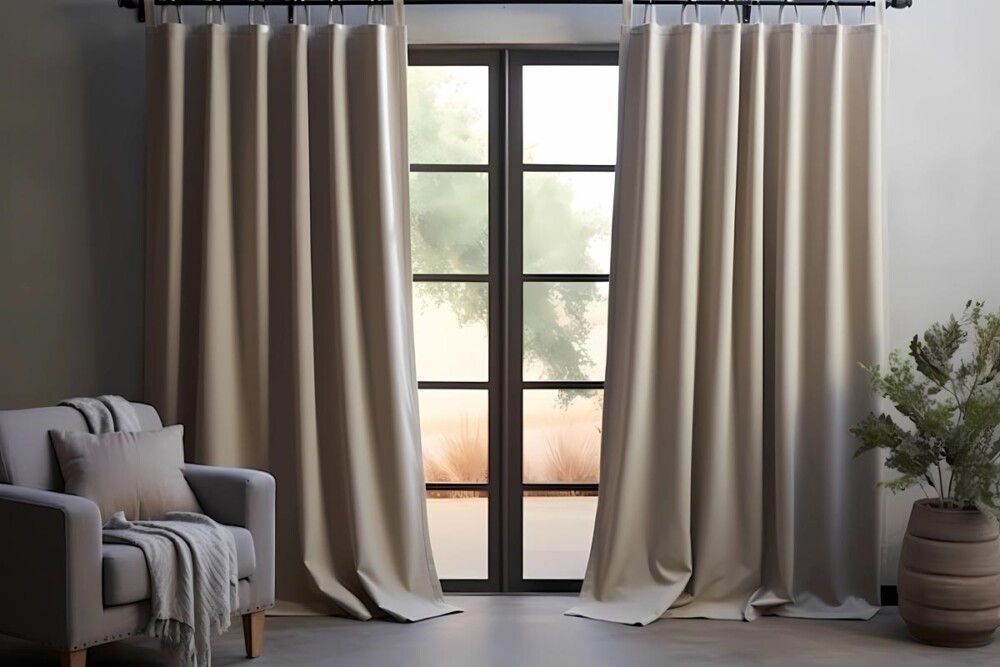
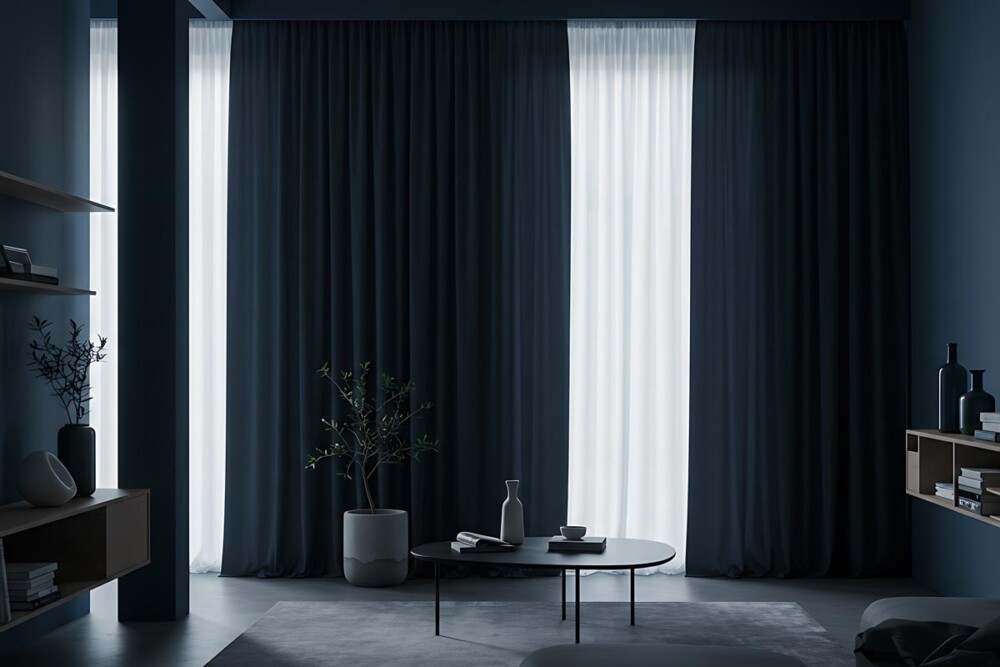
Color affects both the aesthetic rendering and the perceived effect of the room. Dark shades intensify darkening, while light colors maintain a bright appearance even with technical fabrics. The finishes can be smooth, matte or slightly textured, perfect for integrating into modern, Nordic or classic interiors. Pairing the curtain with other textile elements, such as rugs, cushions, or armchair covers, creates visual harmony and a touch of continuity in the space.
How to Measure and Install Blackout Curtains Correctly
Measuring the window correctly is one of the most important aspects to obtain an effective and visually orderly blackout curtain. Size influences tissue drop, coverage, and darkening efficiency. Accurate measurement also ensures greater aesthetic uniformity, especially when custom-made curtains are desired that are perfectly proportioned to the frame.
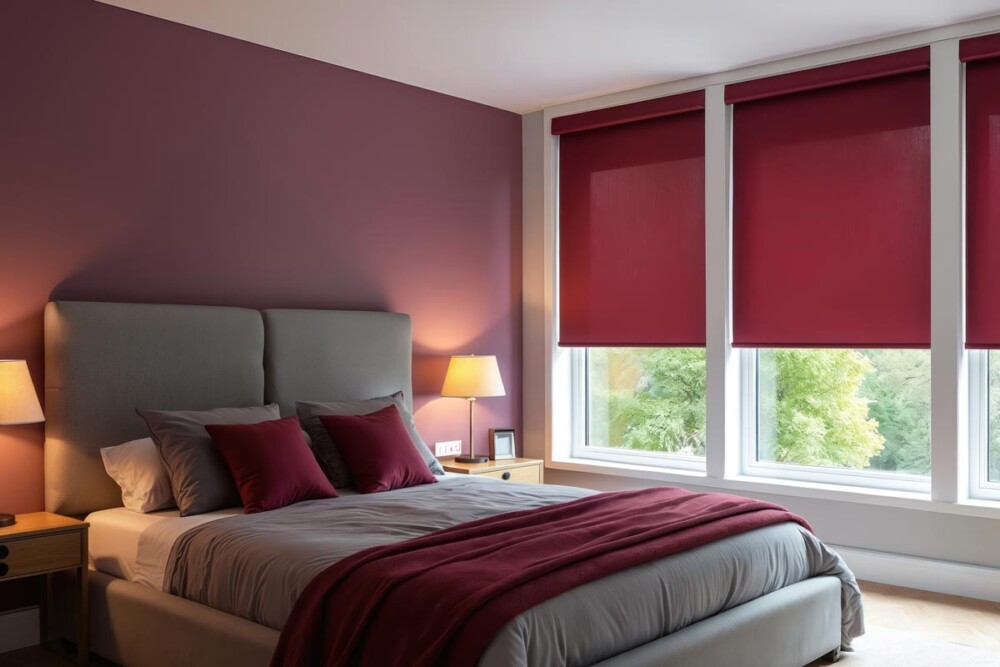
The mounting system plays an equally important role. The choice between stick, track, roller or package depends on the style of the house, the desired functionality and the available space. Each solution offers different advantages in terms of practicality, aesthetic rendering and light management. For example, a blackout roller blind is ideal for minimal and modern environments, while traditional track blinds ensure a softer and more decorative fall.
In the presence of special fixtures such as attics or French windows, it is necessary to evaluate dedicated systems that allow the curtains to remain stable and close-fitting, avoiding lateral or upper light filtering. Tailored solutions address these critical issues, delivering flawless accuracy and performance.
How to Measure Windows and French Doors for Blackout Curtains
The measurement must consider both width and height, including lateral coverage margins to avoid light infiltration. For curtains installed on the wall or ceiling, it is useful to increase the width by a few centimeters to enhance the blackout effect. It is always advisable to measure in multiple places, as some walls may not be perfectly aligned. Accuracy at this stage ensures a more orderly and functional final result.
Mounting types: stick, track, roller and blackout package
The stick is a versatile and decorative solution, while the track offers a smoother and more orderly flow. Blackout roller blinds are ideal for modern design environments thanks to their clean and compact line. Package curtains, on the other hand, create a more sartorial effect and also suitable for elegant spaces. The choice depends on the style of the room and the result you want to achieve.
Blackout solutions for attics, French windows and special fixtures
In the case of attics, French windows or fixed glass it is essential to choose systems that keep the fabric adherent to the frame even during opening. For sloping windows, side guides are needed to prevent light infiltration, while for French windows, light but technical curtains are preferred, easy to open and close again. Tailored solutions are the most reliable choice for handling non-standard geometries.
Blackout curtains and style: how to integrate them into your home design
Integrating blackout curtains into your decor requires a balance between functionality and style. A blackout fabric can become a defining element of the room or a discreet detail that blends into the environment. For modern blackout curtains, neutral colors, such as pearl gray, sand, and dove gray, are highly appreciated, which easily adapt to contemporary palettes. In more classic or decorated spaces, however, jacquard textures and more structured finishes create a sophisticated effect.
Pairing with other fabrics is essential: choosing curtains that match the sofa, bedspread or cushions promotes visual continuity that enhances the entire environment. Length also affects the atmosphere: long curtains that touch the floor create elegance, while shorter ones are perfect for practical environments like kitchens and studios.
The most common mistake is to select a home decor fabric that is too technical in a space where aesthetic continuity is needed or opt for shades that do not interact with furniture and walls. Considering the environment as a whole allows you to choose a blackout curtain that not only works, but that furnishes harmoniously.
Furnishing styles compatible with blackout curtains
Blackout curtains adapt to different styles: in modern contexts they prefer neutral shades and smooth surfaces, while in classic environments richer finishes and decorative details work well. The Nordic style prefers textured fabrics but in light colors, while industrial interiors are combined with dark hues and clean lines. Evaluating the style of the environment helps to select a coherent fabric.
How to match the colors and materials of blackout curtains to the environment
For a harmonious environment, it’s helpful to reflect the hues already present in the room: a light curtain combined with pillows or carpet creates an immediate visual balance. In minimal settings, a curtain with a smooth finish is preferable, while in richer interiors, elaborate textures can be introduced. The goal is to maintain chromatic coherence and continuity.
Mistakes to avoid when choosing blackout curtains
A common mistake is choosing a color that is too dark in a small room, risking weighing down the space. Neglecting length can also compromise the final effect: a curtain that is too short reduces the feeling of harmony. Finally, the use of tissues not suitable for darkening can lead to unwanted light infiltration. A comprehensive assessment avoids these drawbacks.
Choosing blackout curtains means investing in the visual comfort, privacy, and thermal well-being of your home. The variety of curtain fabrics available at Cimmino Shop allows you to combine technical and aesthetic performance, obtaining solutions tailored to each environment and style.
FAQ- Frequently Asked Questions about Blackout Curtains
1. Do blackout curtains really get total darkness?
It depends on the type of fabric you choose. Black-out models provide maximum dimming and almost completely prevent the passage of light. Traditional blackout fabrics block a very high but not necessarily total percentage.
2. What is the difference between blackout fabric and blackout fabric?
Blackout fabric significantly reduces brightness, while blackout almost completely blocks light thanks to a multilayer structure or specific treatments.
3. Do blackout curtains also improve thermal insulation?
Yes. Many blackout fabrics have thermal properties that help stabilize the internal temperature, limiting summer heat and retaining winter heat.
4. What is the best fabric for blackout curtains in the bedroom?
Black-out fabrics or heavy darkening materials are ideal, as they ensure optimal darkness and a greater feeling of comfort during rest.
5. Can blackout curtains be washed easily?
Maintenance depends on the fabric. Many models can be hand washed or machine washed at low temperatures, while others require a gentler treatment. It is always advisable to follow the manufacturer’s specific instructions.
Bouclé fabric is an iconic material, appreciated for its three-dimensional texture and the material effect that gives depth to both clothing and furnishing elements. The characteristic surface, composed of small irregular loops, makes each realization visually rich and pleasant to the touch. Manifattura Foderami Cimmino explains what bouclé fabric is, how to recognize it, what its main applications are, and how to work it correctly to achieve professional results.
What is bouclé fabric: definition, origin, and how it is made
Boucle is a fabric recognizable by its ring-like structure that creates a loose, irregular surface. It is used in both fashion and interior design due to its sophisticated appearance and ability to add volume without weighing it down. Understanding how it is produced helps us understand its qualities and why it remains a great classic in the textile industry.
Origin of bouclé fabric and meaning of the term
The term “bouclé” derives from the French boucler, meaning “to curl”. It refers to the small loops present in the weft of the yarn, created through a studied twist. This type of workmanship was introduced into luxury clothing in the ’50s, immediately becoming a symbol of timeless elegance.
How bouclé yarn is produced and what its texture depends on
Bouclé yarn is born from a particular twisting technique that generates small loops. These loops create a soft, uneven tactile effect, with an instantly recognizable aesthetic. Depending on the type of yarn, the result can be very material or lighter, with barely hinted knots.
Boucle fabric characteristics: composition, weight, hand and quality
The characteristics of bouclé depend on several factors: starting fiber, spinning, weight and weft density. Knowing them allows you to choose the most suitable fabric for your project, avoiding errors or short-lived results.
Boucle composition: natural, synthetic or mixed fibres
Boucle can be made of wool, cotton, polyester or mixed. Wool provides warmth and a more traditional texture, while polyester offers strength, ease of maintenance, and generally lower costs. The mixed variants combine both advantages, making it a versatile fabric suitable for different applications.
Hand, thickness and weight of boucle fabric
The hand of the boucle is generally soft, voluminous and slightly grainy. The weight of the fabric varies from medium to heavy, with lighter versions more suitable for clothing and more compact variants perfect for furniture. The surface can be fine, with narrow loops, or decidedly material with obvious knots.
Advantages and limitations of bouclé: what to know before choosing
Among the advantages, aesthetics, softness, warmth and refined visual rendering stand out. The main limitation is the tendency to fray, a characteristic that requires foresight in the cutting and sewing phases. Maintenance may also require care, especially if the fabric contains natural fibers.
Uses of boucle fabric: fashion, interior design and creative projects
Boucle is an extremely versatile fabric. Its distinctive structure lends itself to a wide range of applications, from fashion design to furniture. Knowing the main uses helps you quickly identify the type that best suits your goal.
Boucle fabric for clothing: jackets, suits, coats and accessories
For decades, bouclé has been a protagonist among clothing fabrics thanks to its ability to bring elegance and structure to garments. It is ideal for jackets, suits, skirts, coats, winter dresses and even bags. Its irregular surface adds movement and character even to simple autumn fabric patterns, a feature that makes it highly prized in contemporary collections.
Boucle fabric for furniture: sofas, armchairs, ottomans and cushions
In the world of interior design, bouclé is synonymous with warmth and materiality. Bouclé furnishing fabrics tend to have a tighter, more durable weave, perfect for covering upholstery subject to daily wear and tear. They are used for sofas, armchairs, upholstered chairs, poufs and decorative accessories such as cushions or textile panels.
Tessuto Bouclé Emily
Tessuto Bouclé Emily is designed for those who want to bring a combination of comfort, warmth and style to the interior. Its soft and full-bodied surface, characterized by the typical slightly choppy effect, gives depth and movement, transforming every piece of furniture into a refined detail. Used on sofas, armchairs, cushions and curtains, it adds an immediate feeling of welcome, making environments more sophisticated and enveloping.
Made of 100% polyester, with a height of 140 cm and a weight of 476 g/MTL (equal to 340 g/m²), the Bouclé Emily combines aesthetics and resistance. The non-stretch structure ensures its stability over time, while the OEKO-TEX® STANDARD 100 certification guarantees high standards in terms of safety and material quality. The solid finish also makes it extremely versatile, easy to coordinate with neutral palettes, intense colors or contrasting textures.
Robust and welcoming, it keeps its natural beauty and pleasant feel intact over time, making it ideal even for highly lived spaces. A perfect fabric for those seeking contemporary elegance and uncompromising functionality.
How to choose the right bouclé based on usage
Softer, lighter bouclés are ideal for tailoring, such as choosing a coat fabric, while more compact, heavier ones are perfect for furnishings and upholstery. Evaluating weight, composition, and density allows you to achieve the desired result, avoiding fabrics that are too rigid or too delicate.
Differences between fashion boucle and furniture boucle
Feature
Bouclé Fashion
Bouclé Furniture
Weight
Medium-light
Medium-heavy
Structure
Softer and more flexible
More compact and resistant
Composition
Wool, mixed, polyester
Prevalence of polyester and robust fibres
Ideal use
Jackets, suits, skirts, coats
Sofas, armchairs, ottomans, cushions
Tactile sensation
Soft and comfortable
Often more structured
Durability
Medium-high
Tall, designed for everyday use
How to Sew and Process Boucle Fabric: Useful Techniques for Professional Achievement
Working the boucle requires some care, especially since it tends to fray easily. Knowing proper techniques and tools is essential to achieving clean, long-lasting finishes.
Boucle cutting techniques: how to avoid fraying
It is advisable to use well-sharpened scissors or a rotary cutter to obtain clear margins. Leaving generous seam allowances helps compensate for any sagging of the weft. The use of temporary nonwovens can also facilitate processing.
Boucle sewing tips: needles, stitches, and trims
A universal or microtex needle and a slightly longer stitch allow the fabric to flow better under the machine. The seams should be finished with seam cutters or zigzags to prevent the fabric from losing volume or opening along the edges.
Tailoring adjustments for bouclé garments and furnishings
For clothing, the use of lightweight interlinings and adhesive canvases in strategic areas improves stability and fit. For furniture, it is useful to reinforce corners and choose sturdy seams to support everyday use.
Boucle fabric care: washing, drying and storage
Boucle requires specific care based on its composition. Keeping the texture intact is essential to preserve its aesthetics and softness over time.
How to wash boucle fabric properly
Synthetic fiber versions generally tolerate gentle machine washing, while wool fabrics require specific programs or hand washing. It is always advisable to avoid high temperatures so as not to compromise the structure of the rings.
How to dry and iron boucle without damaging it
Air drying is ideal to avoid warping. Ironing should always be done with a protective cloth and at a moderate temperature, so as not to flatten the texture that characterizes this fabric.
Preservation and prevention of wear over time
To keep your boucle in tip-top condition, it’s important to avoid prolonged compression and constant rubbing. Garments must be hung on suitable supports, while furnishings can benefit from periodic cleaning with gentle suction.
Bouclé fabric continues to stand out for its versatility, elegance, and durability, adapting naturally to both fashion and contemporary decor. Choosing the most suitable variant for your project on Cimmino Shop allows you to best enhance this iconic texture and obtain durable, well-groomed results with an unmistakable aesthetic.
FAQ- Frequently Asked Questions about Boucle Fabric
1. What does “boucle fabric” mean?
The term refers to a fabric made with a curled yarn that creates small loops visible on the surface, responsible for the irregular, textured appearance typical of bouclé.
2. Can boucle fabric be machine washed?
It depends on the composition: synthetic bouclés often do, with delicate cycles, while wool bouclés require hand washing or dedicated programs.
3. Is boucle suitable for sewing jackets and suits?
Yes, it is one of the most used fabrics for structured jackets, suits and outerwear due to its rich texture and ability to maintain shape and volume.
4. Is boucle suitable for upholstery sofas and armchairs?
Absolutely yes. Furniture bouclés are designed to withstand daily wear and tear and offer a modern and welcoming visual rendering.
5. How to prevent bouclé fabric from fraying during processing?
It is recommended to finish the margins with seam cutters or zigzags and use wider seam allowances to avoid opening the weft.
6. Which boucle composition is more resistant?
Blends with polyester generally offer greater wear resistance and easier maintenance than natural fibers.
7. What is the best boucle for clothing?
The softer, lighter versions, often in a wool blend or polyester blend, are ideal for jackets, skirts, and coats.
8. What is the best boucle for decor?
The more compact and dense variants, with durable fibers, are perfect for sofas, chairs and ottomans.
Wool fabrics represent one of the most versatile and appreciated excellences in the textile world. Elegant, durable and naturally thermoregulating, they are perfect as coat fabrics, for high-quality garments and refined furnishings. Their maintenance requires specific skills: washing too hot, drying incorrectly, or ironing aggressively can compromise their shape and softness. Here are Manifattura Foderami Cimmino‘s tips on how to properly stain, wash, dry, iron, and store wool fabrics.
Why wool fabric care is essential
Wool fabrics are composed of natural fibers that react sensitively to heat, moisture, and chemicals. Unlike synthetic fibers, wool does not tolerate overly aggressive treatments. Proper care means preserving its original structure, shine and softness. For companies and laboratories that process this material, following the correct maintenance procedures is a concrete advantage: damage is avoided, waste is reduced and the life of the final product is increased, improving customer satisfaction.
The characteristics that make wool delicate
Wool is made of keratin, a protein that makes it elastic and resistant, but also sensitive to temperature changes. When subjected to washing too hot or excessive movement, it tends to felt, losing volume and softness. This phenomenon, called felting, is irreversible and can compromise wool clothing fabrics.
What happens if it is washed or dried the wrong way
Incorrect treatment not only alters the appearance of the fabric, but can cause shrinkage, deformation, and color loss. For this reason, those working in the textile sector must have a thorough understanding of the washing and drying techniques best suited to wool, avoiding home-made or improvised methods. The finest wool fabrics, such as Vigogna Pura Lana Ileana, can only be dry washed and ironed at low temperatures.
De-stretching wool fabrics: safe methods
De-stacking wool requires delicacy and speed. The earlier you do it, the better your chances of getting rid of the stain without damaging the fibers. Not all products or techniques are suitable: some may leave streaks or alter the color of the fabric. It is essential to act carefully, evaluating the type of wool and the nature of the stain.
Most common types of stains
The most difficult stains to remove on wool fabrics are those of fatty (oil, butter), tannic (wine, coffee) or protein (sweat, blood) origin. Each requires a different approach. For example, oily stains are treated with mild detergents and cold water, while wine or coffee stains require pre-treatment with specific pH-neutral solutions.
How to intervene without damaging the fibers
The secret is to dab, never rub. A clean, slightly moistened white cloth is the best ally for absorbing the stain. If necessary, a small amount of wool cleaner diluted in water can be added. After treatment, rinse gently and let dry flat, avoiding any direct heat source.
Products to prefer and mistakes to avoid
It is best to avoid bleach, solvents and ammonia, which destroy the proteins in the fiber. Neutral or wool-specific cleaners are the safest choice. Before treating a large surface area, it is always advisable to test the product on a small corner of the fabric.
Professional washing of wool fabrics
Washing wool properly is one of the most delicate stages of treatment. Hand washing remains the safest method, but with the right programs and detergents you can also achieve excellent results with industrial machines. The goal is to clean without stressing the fiber.
Hand or machine wash: when and how
Hand washing is ideal for some wool garments, but only if stated on the label. Use cold or warm water (not above 30 °C) and a specific detergent. For machine washing, it is preferable to choose programs “wool” that limit the spin and keep the water temperature constant.
Ideal temperature, detergents and soaking times
Prolonged soaking can over-relax the fibers. Ten minutes is enough. Rinsing should be generous and with water of the same temperature to avoid thermal shock.
How to avoid felting
To prevent felting, avoid sudden movements and temperature changes. The wool should be washed gently, in warm water and with neutral detergents. It is also advisable to rinse without twisting the fabric, letting the water run to remove the soap.
Wool drying and moisture management
Drying is a crucial step: a mistake can defeat even the best wash. Wool should not be wrung out, but treated carefully to avoid warping or hardening. After washing, remove excess water with a towel and lay the fabric flat, away from the sun and heat sources. Slow and uniform drying allows you to maintain the original shape and natural softness of the fibers.
Techniques for drying wool without ruining it
The best method is to place the fabric on an absorbent cotton sheet, changing it if necessary. The air must circulate freely, to promote a gradual loss of humidity.
Common mistakes to avoid
To dry wool, you absolutely must avoid dryers, radiators and direct sun. These heat sources stiffen the wool, causing it to shrink and lose its shine. Even spinning too hard can ruin the structure of the yarn.
How to tell when fabric is ready to be stored
The fabric is dry when fresh but not damp to the touch. Before folding or hanging it, it is advisable to let it rest for a few hours, so as to allow the fibres to stabilize and resume their natural shape.
Ironing and finishing of wool fabrics
Ironing is a step that completes the maintenance cycle, but it must be done with caution. Too much heat or pressure can leave permanent marks. Correct ironing, on the other hand, restores shape and uniformity to the fabric, improving its presentation.
Correct temperature and manner for ironing wool
Set the iron to medium temperature (between 120 and 150 °C) and always use the steam function sparingly. Avoid ironing directly on the surface of the fabric, especially if it is dark or very thin, to prevent unwanted shine.
Use of interposed cloth and steam
The damp cloth between iron and fabric protects the fibers and distributes heat evenly. Steam, on the other hand, softens the fiber and facilitates ironing, but must be applied remotely to avoid saturating the fabric.
How to maintain softness and sagging fabric
After ironing, let the fabric cool flat. This allows the fibers to fix in the new position, preserving the natural softness and “drop” typical of quality wool fabrics.
Long-term storage of wool fabrics
Proper storage of wool is essential to keep it in perfect condition over time. The ideal environment is dry, ventilated and free of direct light. Moisture can promote mold and odors, while prolonged exposure to light can discolor the fabric.
Ideal conditions: temperature, light and humidity
The ideal temperature for storing wool is between 15 and 20 °C, with a controlled humidity between 40% and 60%. In warehouses or showrooms, it is useful to maintain constant ventilation to avoid air stagnation.
How to fold or hang fabrics
Wool fabrics, such as those available on the Cimmino shop, must be folded regularly, alternating the direction of the folds. For packaged garments, it is best to use padded hangers and breathable sheets.
Prevent moths and odors during storage
Moths are the main risk for wool fabrics. It is advisable to use lavender, cedarwood, or bay leaf bags as natural repellents to store fall and winter wool fabrics. Periodic checks ensure that fabrics remain clean and ready to use in each season.
FAQ- Frequently Asked Questions about Washing and Maintaining Wool Fabrics
1. How to machine wash wool without ruining it?
To machine wash wool, select the program “delicate” or “wool” with cold water and light spin. Use a specific detergent and do not exceed 30 °C to avoid felting.
2. Can I use the dryer to dry wool fabrics?
No, the dryer tends to shrink and stiffen the wool. Better to opt for natural drying, flat and away from direct heat sources.
3. What’s the best way to remove wine stains from wool?
Dab immediately with a clean cloth and cold water. If the stain persists, use a neutral wool-specific cleaner and rinse gently.
4. How to prevent wool from shrinking during washing?
Keep the temperature constant and use only wool cleaners. Avoid hot water and sudden movements during washing and rinsing.
5. How to store wool fabrics during the summer?
Store them in a cool, dry place, preferably folded into breathable bags with natural repellents such as lavender or cedar to keep moths away.
6. What is the ideal temperature for ironing wool fabrics?
The wool should be ironed at a temperature between 120 and 150 °C, with a damp cloth between the iron and the fabric to avoid shine or burning.
7. How to recognize a quality wool fabric?
A good wool fabric has a compact weave, a soft hand and a slight elasticity. Certified, high-quality wools are available at Cimmino Shop, ideal for professional and long-lasting use.