



When it comes to satin or silk, the confusion is understandable: the names overlap, the visual effect is similar, and people often think of using them for the same tailoring project. Yet, for those who buy fabrics by the meter, whether to sew a dress, make sheets, or create furnishing accessories, understanding the differences between different types of fabric is crucial. To clarify, we need to start from an important assumption: satin is not a fiber, but an armor, that is, a way of weaving threads. What really affects comfort, aesthetics, breathability, and maintenance is the fiber from which satin is made: silk, cotton, polyester (or other variations). Manifattura Foderami Cimmino explains, in a practical way, what satin is, what fabric satin is, what the differences are between satin and silk, between satin and polyester, and how many types of satin there are, so you can consciously choose the fabric that best suits your project.
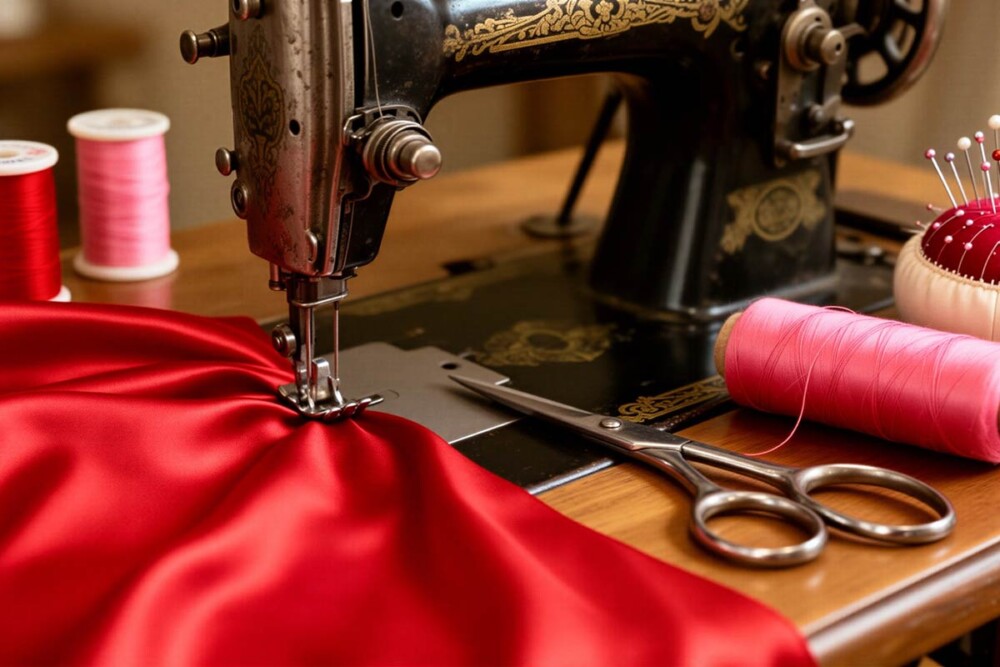
What satin is and how it is made
Satin is a fabric obtained through the so-called satin weave: the binding points between the warp and the weft are further apart than other weaves (such as canvas or twill). This makes the threads appear to float to the surface, creating the typical smooth and often shiny appearance on the fabric’s right side, with a duller reverse.
In practice it means that the same weave can be made with different fibres. So there is silk satin, cotton satin, polyester satin and even viscose satin. The structure is the same, but the end result changes a lot: more or less fresh hand, more or less fluid fall, greater or lesser breathability, ease of ironing and resistance over time.
What kind of fabric is satin: are satin and satin the same thing?
In common parlance, raso and satin are often used synonymously: both indicate a fabric with a smooth, shiny surface obtained with satin weave. So satin and satin indicate the same type of fabric. “Satin” is simply the international name, while “Raso” is the Italian term.
The real source of confusion is that saying satin fabric or raso fabric doesn’t say anything about the material: it just describes how the threads are woven. This is why you can find silk satin, cotton satin, or polyester satin. At a glance they may look similar, but they change a lot to the touch and in everyday use.
In practice, “satin” or “raso” are the terms that explain how the fabric is constructed, while silk, cotton or polyester say what it is made of. And it is precisely the fiber that determines comfort, breathability, skin performance, ease of maintenance and perceived quality.

How many types of satin are there: a simple map to orient yourself
When asked “how many types of satin are there?”, the most useful answer is not a dry number, but a classification.
Satin can be distinguished primarily by fiber: silk satin, cotton satin, polyester satin, viscose satin, or melee satin. Each category changes radically in comfort, price and intended use.
There is also a difference in weight and structure: very light and flowing shaves, ideal for blouses and scarves; medium-weight shaves for dresses and shirts; more sustained shaves, also used in ceremonies or for decorative draping.
Finally, in the commercial sector, specific names can be found that identify families of satin with particular characteristics, such as the rasatello (more compact, common in home textiles) or more structured variants designed for important clothing. Even in these cases, the rule remains the same: you always have to check the composition to understand how the fabric will behave in a given project.
Raso Superga
Raso Superga is a fine fabric designed for those who want to combine aesthetics and comfort in a single solution. Its bright surface, typical of satin, combines with the pleasant softness of viscose, resulting in an elegant yet smooth and comfortable material on the skin.
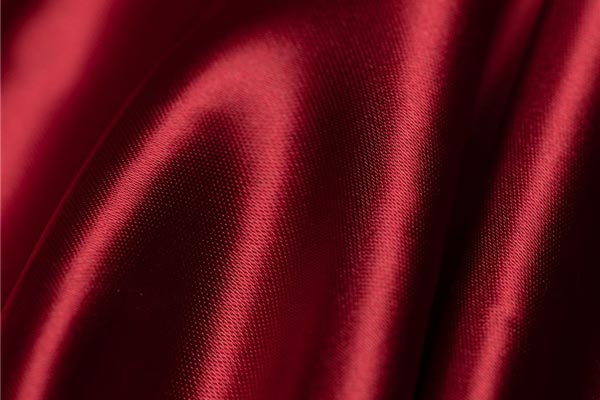
It is a particularly versatile choice, ideal both as a fabric for linings and for the creation of main garments such as day and evening dresses, skirts, jackets and fashion accessories, to which it gives a refined look and a natural fit. Thanks to its composition of 60% acetate and 40% viscose, the Superga Satin offers a silky hand, good breathability and a smooth fall, qualities that make it perfect for enhancing clean lines and harmonious silhouettes. Available in a selection of fashion colors, this satin naturally adapts to different styles, from the most classic to contemporary, becoming a valuable ally for elegant and timeless creations. With a height of 140 cm and a weight of approximately 124 gr/m2 (173 gr per linear meter), it represents an ideal balance between lightness and body. Completing the quality profile is the OEKO-TEX® STANDARD 100 certification, which certifies the absence of harmful substances and makes it suitable even for garments in direct contact with the skin.
Raso Viareggio
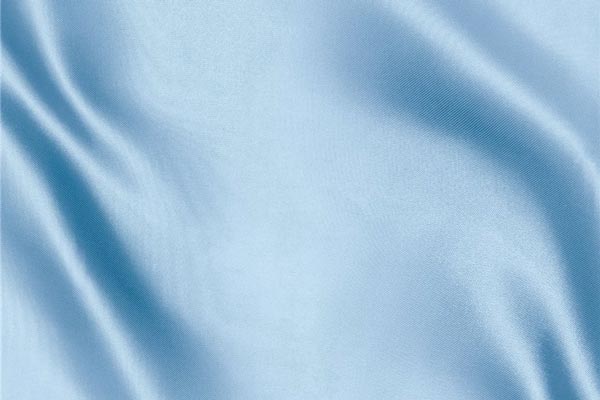
Raso Viareggio is a practical and versatile fabric, designed for those seeking a bright, smooth and uniform surface, capable of enhancing scenographic creations and dynamic tailoring projects. Made of 100% polyester, it stands out for its glossy finish and light hand.
These characteristics make it particularly suitable for the packaging of Carnival costumes, decorative arrangements and garments that require visual brilliance and good fluidity of the fabric. With a height of 150 cm and a weight of approximately 87 gr/m2 (130.5 gr per linear meter), the Viareggio Satin is easy to work with and allows for soft drapes and regular surfaces, maintaining a non-elastic structure that helps control the shapes and lines of the finished garment. It is available in several solid shades, ideal for giving space to creativity, both in tailoring and for scenographic or decorative projects. The OEKO-TEX® STANDARD 100 certification guarantees the absence of harmful substances, making it suitable even for direct skin contact products. Supplied in 30-meter pieces, it is also a functional solution for larger production or continuous work.
Tessuto Raso Elegant
Tessuto Raso Elegant is a curtain with a refined character that combines the classic beauty of satin with a robust structure suitable for modern furnishings. On a base of 55% cotton and 45% polyester, this material stands out for a smooth, bright and uniform surface, capable of giving elegance and light to domestic environments without being excessively bright.

Its wide height of 330 cm makes it ideal for making custom-made curtains, drapes and drapes that fall naturally, enhancing high spaces or large openings with a dramatic effect of great impact. Weighing approximately 235 g/m2 (775.5 g per linear meter), the Elegant Satin is full-bodied enough to ensure a good visual presence while maintaining a pleasant softness to the touch. This combination makes it suitable not only for curtains and drapes, but also for decorative applications such as curtain covers or furniture panels, where the controlled shine and pleasant hand add a touch of class. Available in various solid shades, the Elegant Satin lends itself with versatility to multiple furnishing styles, from contemporary to the most traditional.
Raso Ariston M/Bemberg
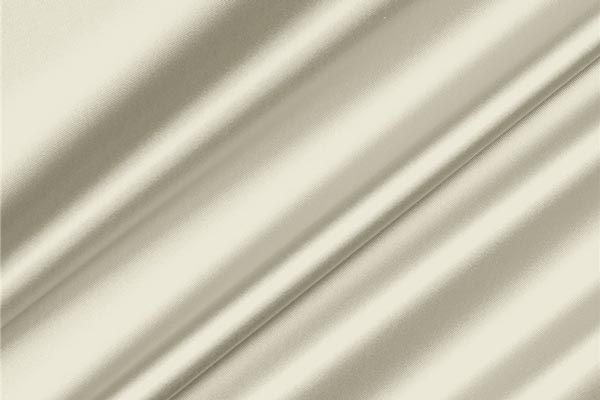
Raso Ariston M Bemberg is a fine fabric made in Italy, designed for those who want to bring an authentic sense of elegance and quality to their tailoring projects. Its smooth and luminous surface, combined with a particularly soft hand, gives the touch an immediate sense of luxury.
These characteristics make it ideal both as a lining fabric and for the creation of main garments with a refined character. Composed of 70% acetate and 30% cupro (Bemberg), this satin stands out for its extraordinary smoothness and ability to naturally accompany body lines. Cupro contributes to a smooth fall and pleasant breathability, while acetate gives shine and stability to the fabric structure. The result is a balanced material, capable of enhancing elegant dresses, formal pieces, overcoats and coats, offering a comfortable fit and impeccable sartorial rendering even in the most built models.
With a height of 140 cm and a weight of approximately 107 gr/m2 (150 gr per linear metre), the Ariston M Bemberg Satin is lightweight yet substantial enough to ensure a clean, professional finish. It is easy to work with and lends itself perfectly to carefully curated packages, where it is important to achieve uniform surfaces, precise stitching and a harmonious final effect. Available in a range of fashion colours, this satin allows you to range between classic interpretations and more contemporary solutions, adapting to different styles and collections designed to last over time. The OEKO-TEX® STANDARD 100 certification completes the quality profile of the fabric, certifying the absence of harmful substances and making it suitable even for garments in direct contact with the skin.
Satin Elastic Sandra Extra
Satin Elastico Sandra Extra, stretch cotton satin is a fresh and elegant fabric, designed for those looking for a balanced combination of brightness, comfort and fit. The smooth and slightly shiny surface, typical of satin, combines with the natural breathability of cotton and a delicate elasticity.
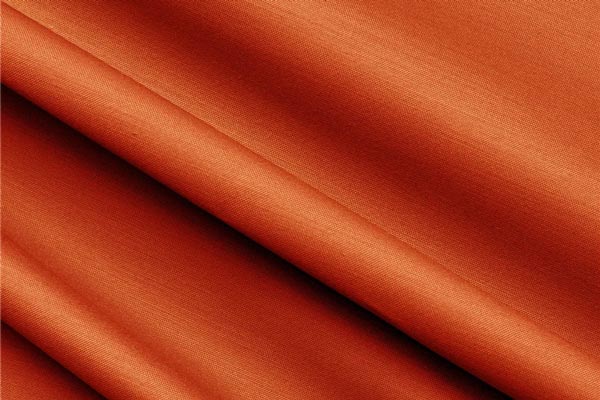
The 98% cotton and 2% elastane composition ensures a soft hand and good ability to adapt to shapes, making it ideal for the packaging of classy items such as trousers, skirts, jackets and dusters, where it is important to maintain clean lines without sacrificing comfort. Discreet elasticity accompanies movements and contributes to a more natural fit, a quality particularly appreciated in tailoring garments designed for everyday or professional use.
With a height of 140 cm and a weight of approximately 182 gr/m2 (255 gr per linear meter), this satin features a balanced structure: firm enough to support well-built models, yet light enough to ensure a smooth fall and a refined appearance. The solid color makes it extremely versatile, perfect for both contemporary fashion creations and home accessories, such as decorative pillows, which benefit from its understated brightness and pleasant softness. The OEKO-TEX® STANDARD 100 certification completes the quality profile of the fabric, attesting to the absence of harmful substances and making it suitable even for projects in direct contact with the skin.
Satin Ginevra
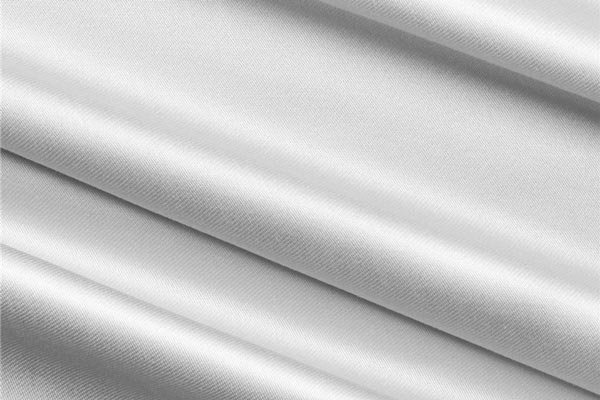
Satin Ginevra is a high-quality cotton shaver, designed for those who want to make elegant, comfortable and long-lasting bedding. Made of 100% cotton, it stands out for the smooth and slightly shiny finish typical of satin armor, which gives the fabric a refined appearance and a pleasant silky feel to the touch.
With a wide height of 305 cm, the Satin Geneva is particularly suitable for the packaging of sheets, duvet covers and pillowcases, even large ones, allowing for continuous cuts and minimizing stitching. The weight of approximately 121 gr/sqm (370 gr per linear meter) makes it lightweight yet well-structured: an ideal combination for obtaining soft, enveloping garments capable of accompanying rest with a feeling of freshness and comfort. Completing the quality profile, the OEKO-TEX® STANDARD 100 certification, which certifies the absence of harmful substances and makes the Satin Geneva a safe choice even for direct contact with the skin.
What is the difference between satin and silk and what is silk satin
One of the most frequent misunderstandings arises between satin and silk. Silk is a natural fiber of animal origin, while satin is a type of weave.
Silk satin exists, and is probably the best known and most prized: it combines the typical sheen of satin armor with the unique characteristics of silk, such as lightness, extraordinary fluidity, and a fresh feel on the skin.
Silk satin is especially chosen as a fabric for fine women’s dresses, lingerie, flowing shirts, scarves and high-end tailoring details. Its fall is soft, the surface reflects light naturally and comfort is high even in direct contact with the skin. At the same time, it requires more attention: it is gentle on rubbing, fears aggressive washing and must be treated with care. The price is also high and reflects the quality of the fiber.
When we talk about “silk-effect satin”, it is often satin polyester: visually similar, but with very different behavior in terms of breathability and feel.
What is cotton satin: comfort and daily use
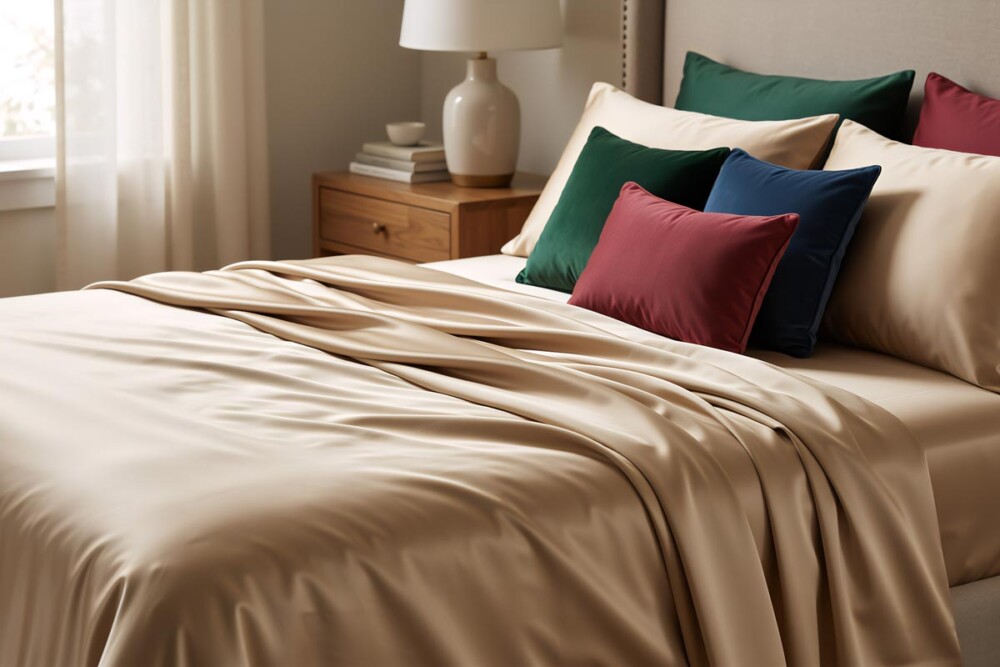
Cotton satin combines satin armor with a natural, breathable fiber. The result is a fabric with a slightly shiny appearance, more compact than a canvas or percale cotton, but very pleasant on the skin.
It is particularly appreciated in the world of furnishing fabrics for making bed linen, such as sheets, pillowcases, duvet covers, because it offers a feeling of freshness combined with a more “rich” aesthetic than traditional cottons. The smooth surface reduces friction, while cotton fiber ensures good moisture management.
Compared to silk satin, it is easier to wash and more resistant to everyday use. Compared to polyester satin, however, it is decidedly more breathable and natural upon contact with the skin. For this reason, it is often chosen as a premium but practical solution for home linens and, in some cases, even among clothing fabrics for making shirts or lightweight garments.
What is polyester satin and what is the difference between satin and polyester
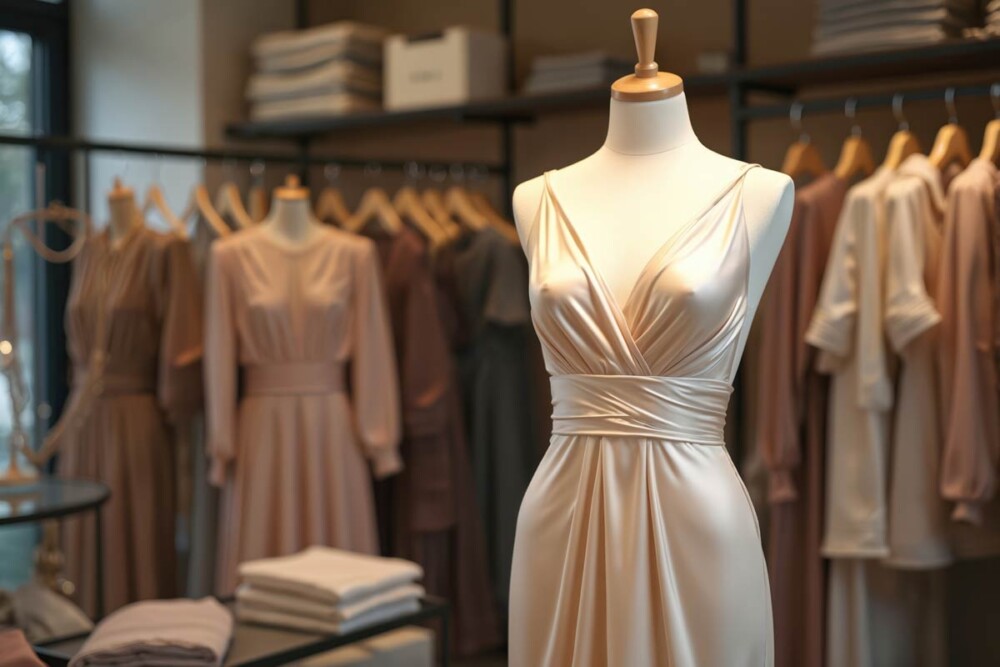
Polyester satin comes from satin armor applied to a synthetic fiber. It is very popular because it allows you to obtain a shiny effect similar to silk at a lower cost.
Here it is important to clarify the question “what is the difference between satin and polyester”: polyester indicates fiber, satin indicates armor. A fabric can be polyester without being satin and can be satin without being polyester.
From a practical point of view, polyester satin has some obvious advantages: it maintains color well, wrinkles little, is durable and easy to manage. On the other hand, it is less breathable, can create static electricity, and feels less comfortable on the skin than natural fibers. For this reason, it is often chosen from dance and show fabrics for costumes, sets, decorations, or as a fabric for Carnival and Cosplay costumes and for all projects where visual rendering and practicality are the main factors.
Understanding these differences between different types of fabric allows you to choose the right satin with greater awareness, avoiding misunderstandings between aesthetic effect and the actual quality of the material. Whether you’re designing a dress, a set of sheets, or a decorative accessory, starting with the right combination of armor and fiber is always the first step to a successful result, especially when purchasing fabrics wholesale on CimminoShop.
FAQ – Frequently Asked Questions about Types of Satin
It is a fabric that combines satin weave with natural silk fiber, offering maximum shine, smooth drop and high comfort, while offering greater delicacy.
In Italy satin is often synonymous with satin. It indicates the effect and construction of the fabric, not the fiber it is made from.
Silk is a fiber; satin is a type of weave. Satin can be silk, but also cotton or polyester.
In common parlance none: both describe satin armor. To understand the real fabric you have to look at the composition.
Polyester is a synthetic fiber, satin is a structure. A polyester satin has a shiny look but different comfort than natural fiber satins.
It is a satin-woven cotton, with a smooth and slightly bright surface, widely used for quality sheets and linens.
It is composed of warp and weft woven with satin weave; the fiber composition can vary (silk, cotton, polyester, etc.).
It is a satin made with synthetic fiber, durable and practical, but less breathable than natural satins.
There are different types, especially based on the fiber used and the weight of the fabric: there is no fixed number, but a wide range designed for different uses.
