Here are all the news for October 2025: Manifattura Foderami Cimmino offers many new velvet and brocade fabrics and many new color variations for every need.
(more…)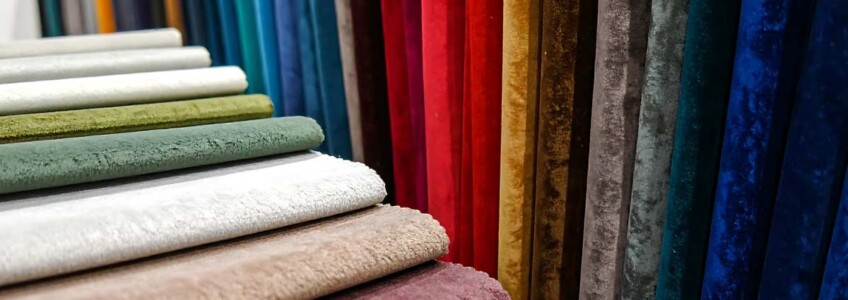



Here are all the news for October 2025: Manifattura Foderami Cimmino offers many new velvet and brocade fabrics and many new color variations for every need.
(more…)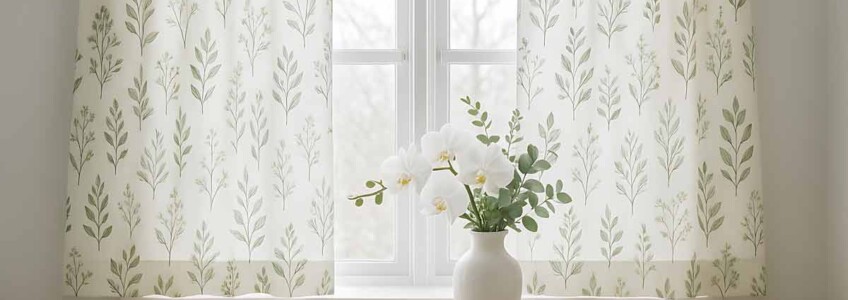
Glass curtains are an elegant and discreet solution for decorating small and medium-sized windows, without sacrificing the brightness of the rooms. Perfect in the kitchen, bathroom or living room, they enhance the furnishings lightly and can be easily made even at home, as long as you choose the right fabrics and follow a few technical precautions.
Here are some practical tips on how to sew DIY glass curtains, which fabrics to use and how to obtain an orderly and professional result thanks to the fabrics available in the Cimmino catalogue, specialized in quality curtain fabrics.
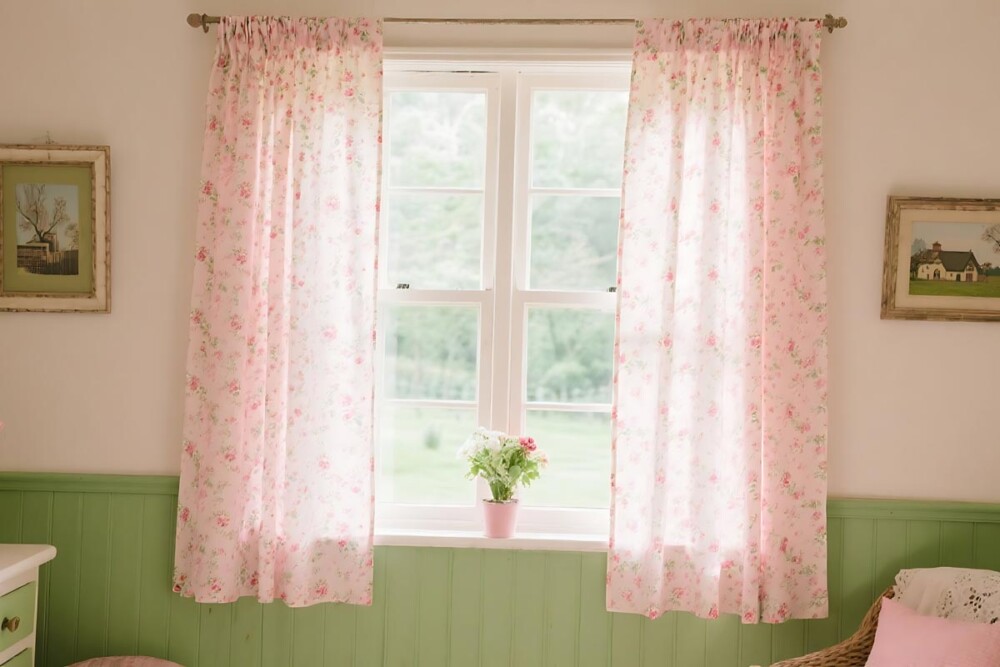
Glass blinds are draperies that are close to the window glass, attached directly to the frame of the fixture by sticks, velcro, or adhesive supports. They are distinguished from package or panel curtains because they follow the shape of the glass, allowing natural light to pass through but protecting privacy.
Packet curtains slide upwards by folding like an accordion, ideal for modern environments and large windows. Panel blinds, on the other hand, are made up of rigid sheets that slide laterally. Glass curtains are more practical and lighter: they do not require tracks or mechanisms, but only a well-cut and tailor-made fabric.
In addition to being easy to remove and wash, glass curtains give a well-kept and bright look to the environment. They adapt to different styles, from rustic to contemporary, and can be customized with sartorial details such as loops, borders or tapes.
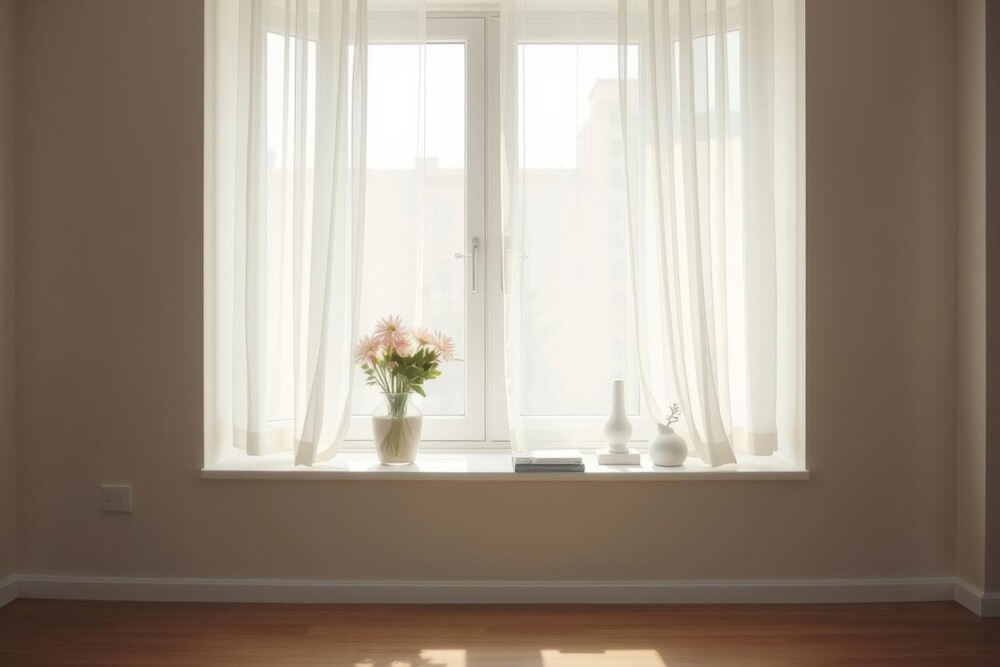
The choice of home decor fabric is the most important phase: it influences the aesthetic performance, the amount of light and the durability over time. Cimmino offers a wide range of modern, lightweight curtain fabrics, blackout fabric and technical materials for every need.
Linen is perfect for those who want a natural and breathable effect, with its material texture that diffuses light in a warm and soft way.
Cotton, easy to work and washable, is ideal for kitchen curtains or living environments.
Organza, on the other hand, gives a more sophisticated and brilliant effect, suitable for living rooms and bedrooms.
In environments such as the bathroom or rooms exposed to the sun, it is advisable to use fabrics resistant to UV rays or with a darkening effect. Solutions such as fireproof polyester or mixed fabrics with anti-crease treatment ensure practicality and reduced maintenance.
For minimal or modern environments, you can choose neutral colors and light textures. In classic or shabby chic contexts, embroidered or floral patterned fabrics create a more decorative effect. The advice is to coordinate glass curtains with the color of the walls or textile accessories, such as tablecloths or cushions.
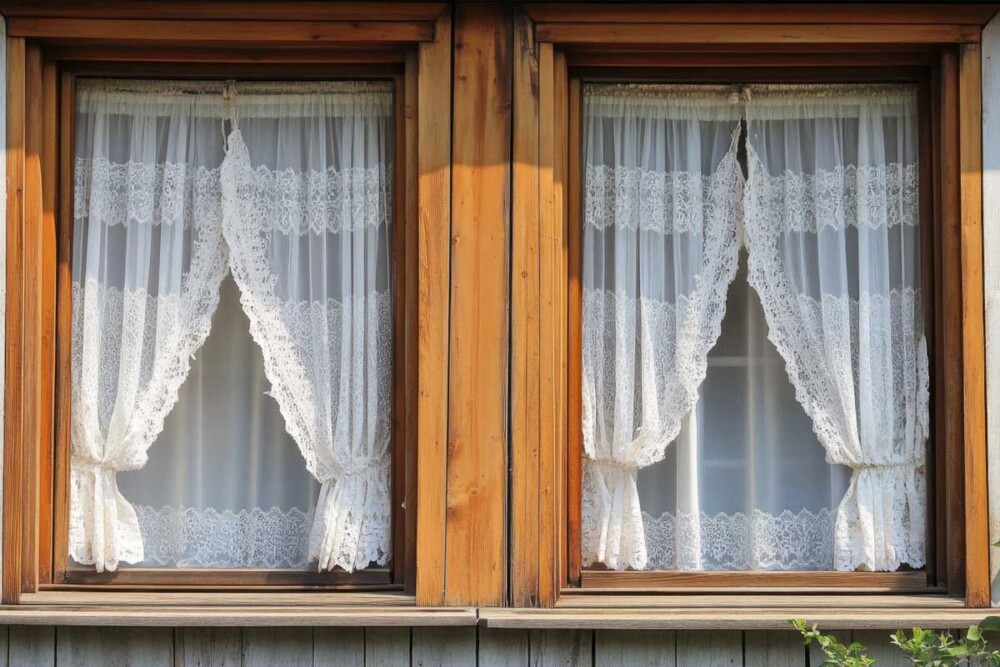
Making glass curtains is a simple project even for those with little sewing experience. Accurate measurements, a sewing machine and the right fabric are enough.
For each window, measure the width of the glass and add 2–3 cm for each side, to make the hems. In height, calculate the distance between the two sticks or the frame and add seam allowances. It is important that the curtain adheres well to the glass without being too tight.
The hems must be folded and sewn by machine with a straight or invisible stitch.
If traditional fastening is desired, fabric loops can be made at the top and bottom.
Alternatively, for quicker assembly, you can apply a strip of adhesive or sewn Velcro, ideal for windows where you don’t want to drill the fixtures.
Curtains can be mounted with pressure sticks, telescopic stands or adhesive clips. In all cases, the fabric must remain tight but easily removable for washing. Cimmino recommends choosing light but resistant materials to avoid sagging over time.
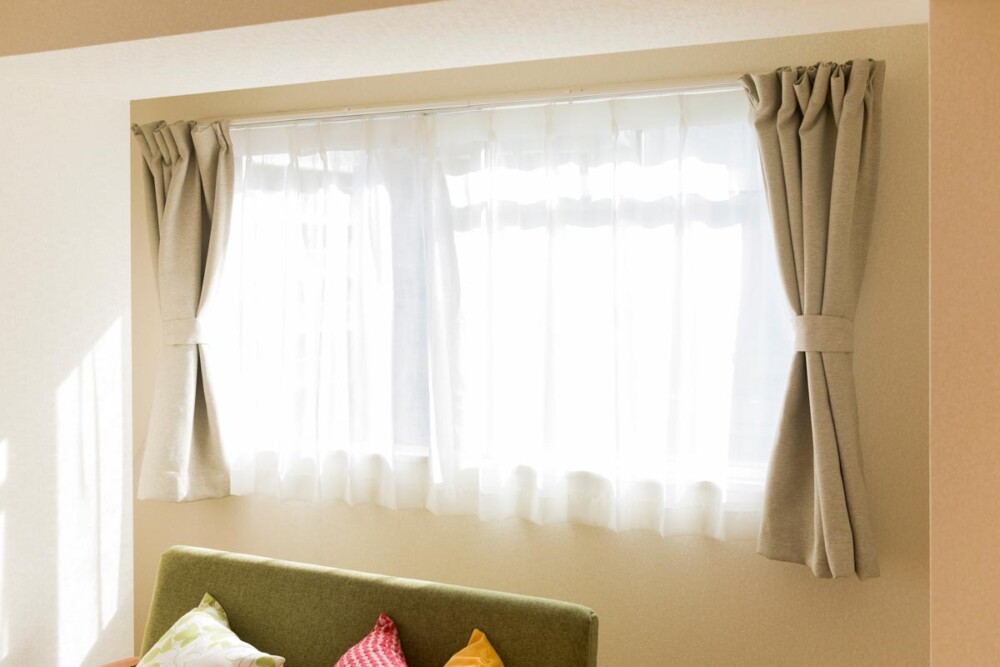
A glass curtain can become a real decorative element, not just a functional accessory. Here are some tips for obtaining truly original curtains.
Applying a contrasting border, delicate embroidery or matching taping allows you to customize the curtain. Even a small colored hem or raw linen ribbon can completely change the visual effect of the window.
Current trends favor natural and warm tones such as linen, sand, sage and ivory. For a modern touch, you can choose flame-effect fabrics or material textures that recall artisanal taste. In brighter contexts, however, semi-transparent curtains in voile or soft tulle always remain a winning choice.
Making DIY glass curtains is a creative and satisfying project, which allows you to personalize any environment with quality fabrics. On the Cimmino shop you can find a vast selection of curtain fabrics, from natural linen to the most elegant organza, to create tailor-made solutions that combine aesthetics and functionality.
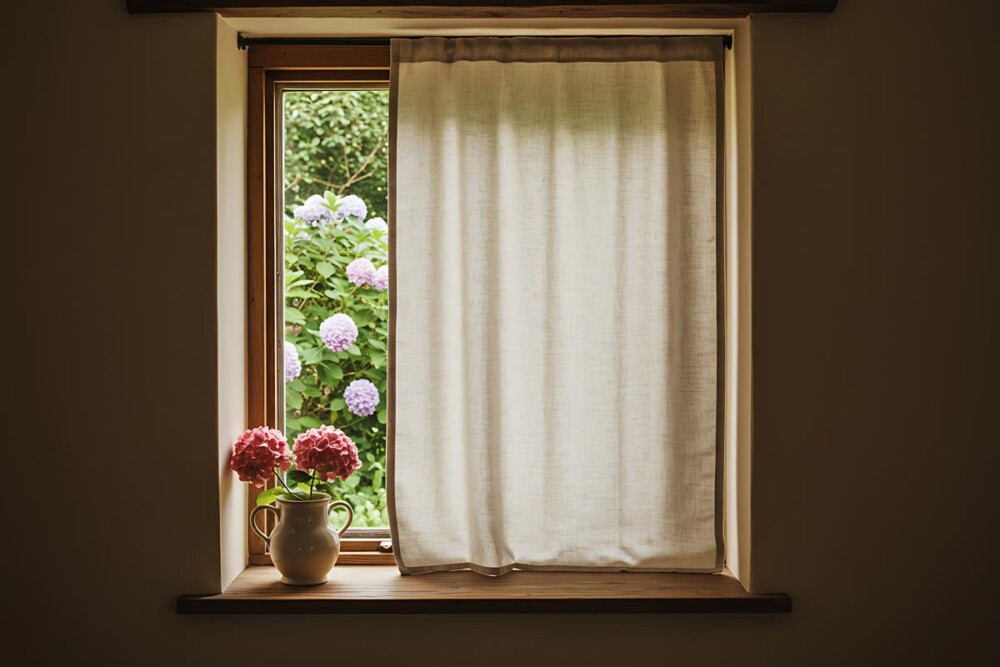
Choosing the right fabric for glass curtains means finding the balance between aesthetics and functionality. In the Cimmino catalog it is possible to find quality materials designed to enhance every type of environment, from the brightest living rooms to rooms furnished in a sober or natural style. Here are four models that stand out for their composition, visual rendering and versatility of use.
Made of 100% polyester, Tenda Linosa reproduces the effect of natural linen with great realism, but with the practicality of a resistant and easy-to-maintain synthetic fabric. The height of 300 cm and the weight of approximately 110 g/m² guarantee a smooth and light fall, ideal for large windows or glass doors.
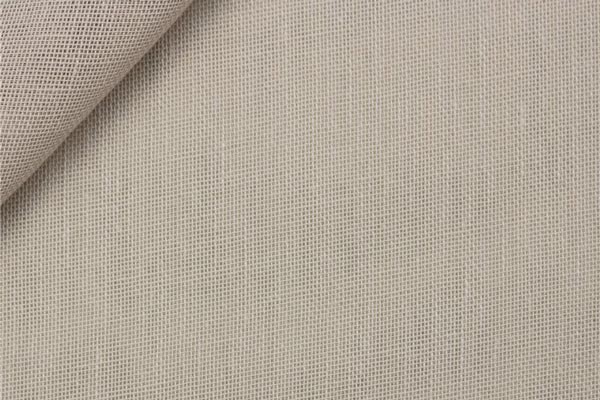
The visual effect is soft and natural, perfect for Scandinavian or minimalist style environments, where light is the protagonist. Available in neutral shades such as white, beige and grey, this fabric allows you to filter light elegantly, without obscuring the interior.
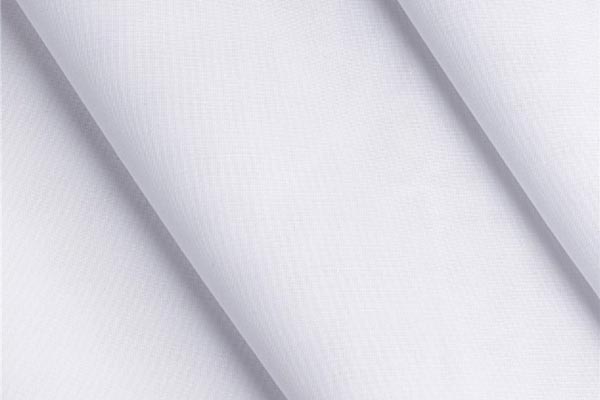
Tenda M/L Mara combines polyester and linen (90% – 10%) in a fabric that combines strength and refinement. With a height of 330 cm, it lends itself perfectly to the creation of glass curtains or long curtains with harmonious draping.
The fine texture and natural texture create an elegant but discreet effect, enhanced by light and neutral tones. Ideal for living rooms or rooms where warm, diffused light is desired, this fabric can also be used for home decor projects or small handcrafted creations, such as bags or textile decorations.
Completely made of polyester, the Tenda Maiori stands out for its united and compact structure, which gives uniformity and brightness to the rooms. With a height of 310 cm and a weight of 148 g/m², it offers an excellent balance between lightness and support, maintaining a regular and orderly fall.
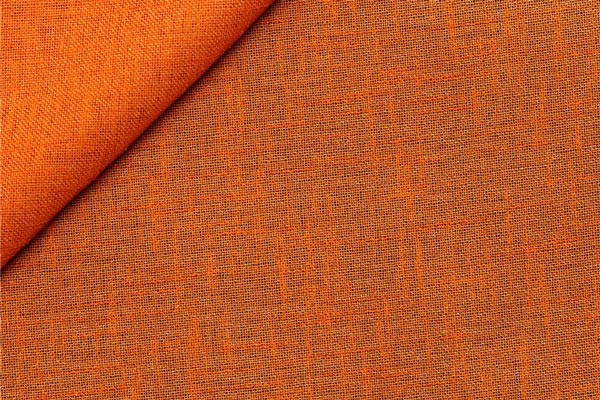
The light colors and neutral shades make it a versatile fabric, suitable for any furnishing style. It is a perfect choice for those who want sober and contemporary glass curtains, capable of furnishing without visually overloading the space.
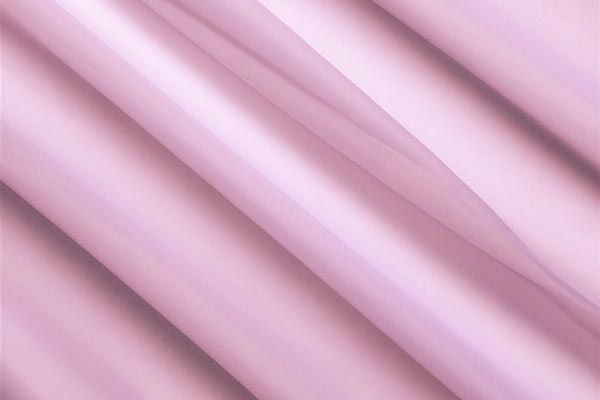
Among the most delicate and luminous solutions, Tenda Velo Unito is a semi-transparent polyester fabric that stands out for its soft feel and fluid fall. With a height of 300 cm and a low weight of 57 g/m², it is perfect for light and impalpable glass curtains.
Due to its versatility, it can also be employed for interior decoration or creative projects such as wedding favors and textile applications. A fabric that gives lightness and airiness to any room.
Cotton is ideal: it is washable, resistant and allows a good passage of natural light.
Telescopic sticks or adhesive Velcro can be used, no need for holes.
Simply add approximately 6 cm in width and height compared to the size of the glass, to allow the stitching of the hems.
Better to wash them at low temperature, with a delicate spin and low intensity ironing, especially if in linen or organza.
Milky white, pearl gray and dove gray are neutral and versatile shades that adapt to contemporary styles.
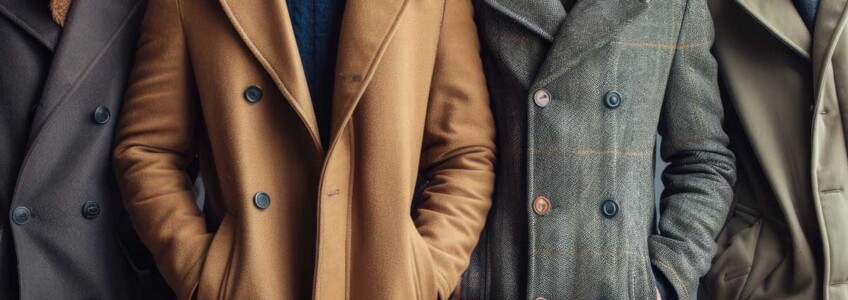
Choosing the right fabric for a coat is a fundamental step, because it affects the warmth, comfort, aesthetics and durability of the garment. It is not enough to evaluate the color or texture: the composition, weight and feel of the fabric count.
From the experience of Manifattura Foderami Cimmino comes advice on how to orient yourself among the most used materials for coats, how to recognize quality and which characteristics to favor based on style and season. Here’s how to choose coat fabric based on various needs.
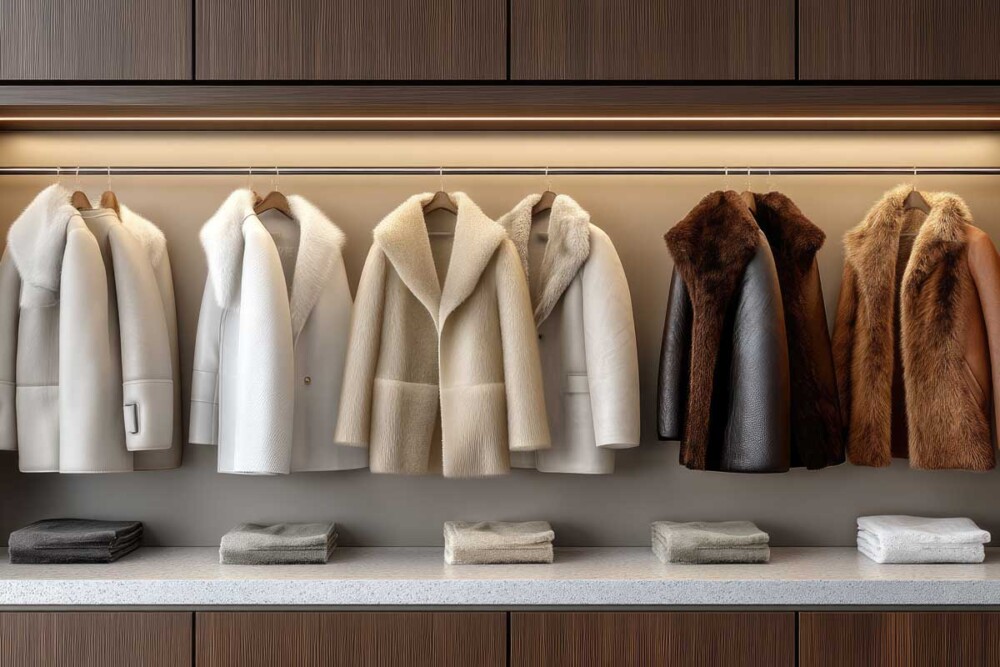
Fabric is what defines the character of a coat. It determines its fit, ability to retain heat and resistance over time.
Choosing carefully means obtaining a garment that combines practicality, aesthetics and durability. The main aspects to consider are:
A quality fabric allows you to create beautiful, comfortable and resistant coats, suitable for both everyday use and more formal occasions.
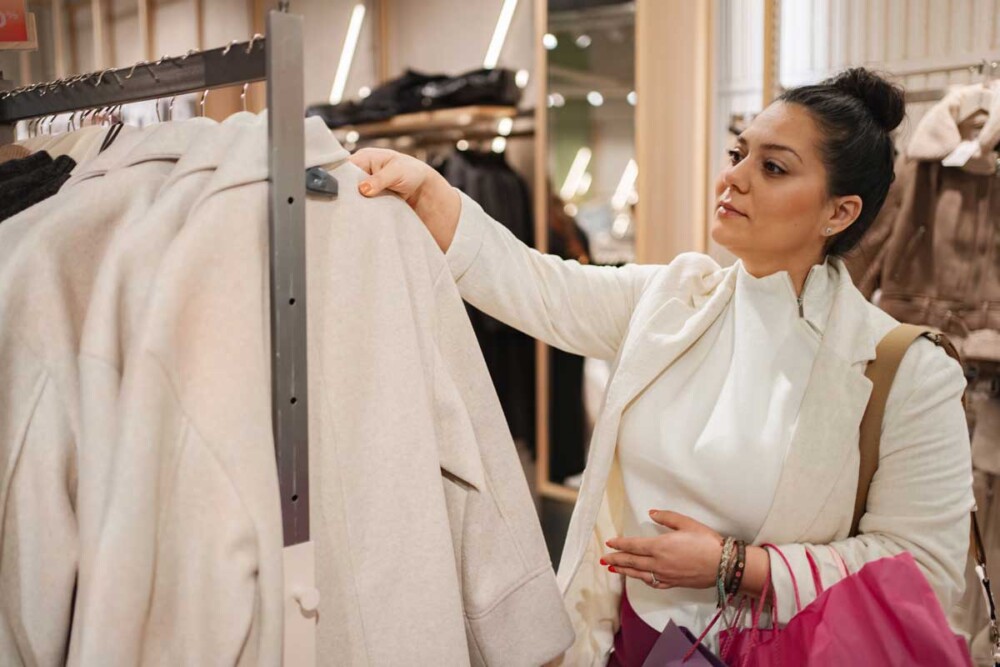
The variety of coat fabrics available today is very wide. Each material has different properties in terms of heat, weight and maintenance.
Knowing the differences helps to choose the most suitable fabric for the model to be made or the collection to be developed.
In general:
Here are the main types of fabrics to use to make coats and their advantages.
Wool is the queen of coats. Warm, breathable and resistant, it guarantees comfort and an always elegant appearance.
The main variants are:
| Type of wool | Main features | Ideal for |
| Carded | Soft, warm, voluminous | Soft or oversized coats |
| Combed | Smooth and compact | Elegant and structured models |
| Fulled | Dense and wind resistant | Winter and technical garments |
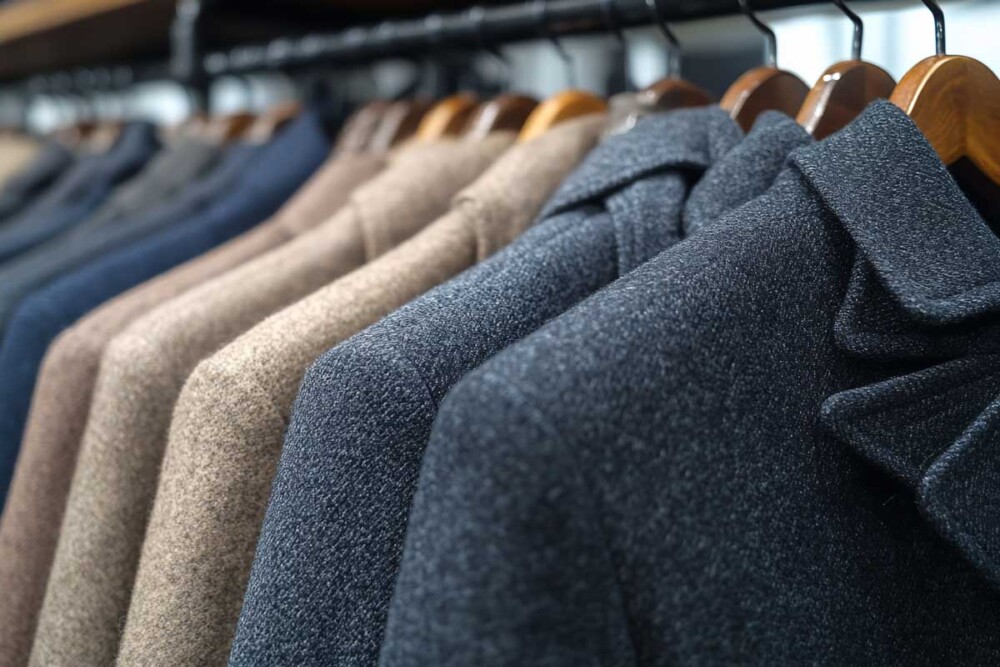
Wool blend fabrics combine wool with fibers such as viscose, acrylic or polyester to achieve the right balance between comfort and practicality.
They offer numerous advantages:
They are perfect for everyday coats or for trendy collections, as in the case of houndstooth patterned coats. A good wool blend retains the softness of the natural material but with greater ease of maintenance.
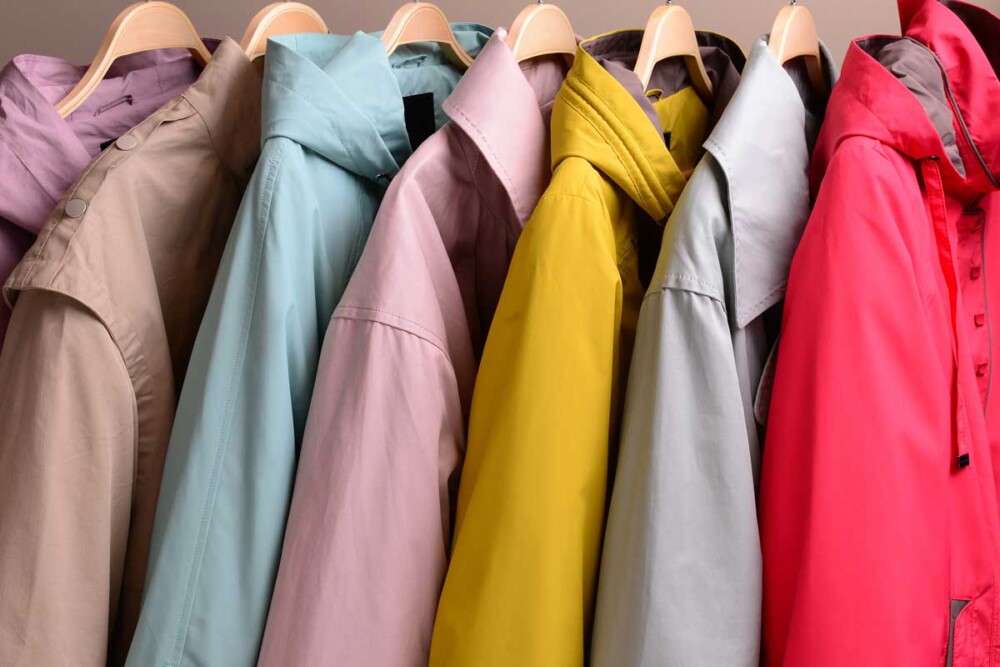
Technical fabrics are also increasingly present in tailoring fashion. Thanks to new technologies, they combine functionality and style.
These are materials such as polyamide, softshell or treated polyester, which offer:
These fabrics are the ideal choice for urban and sport coats, where comfort and practicality combine with clean aesthetics.
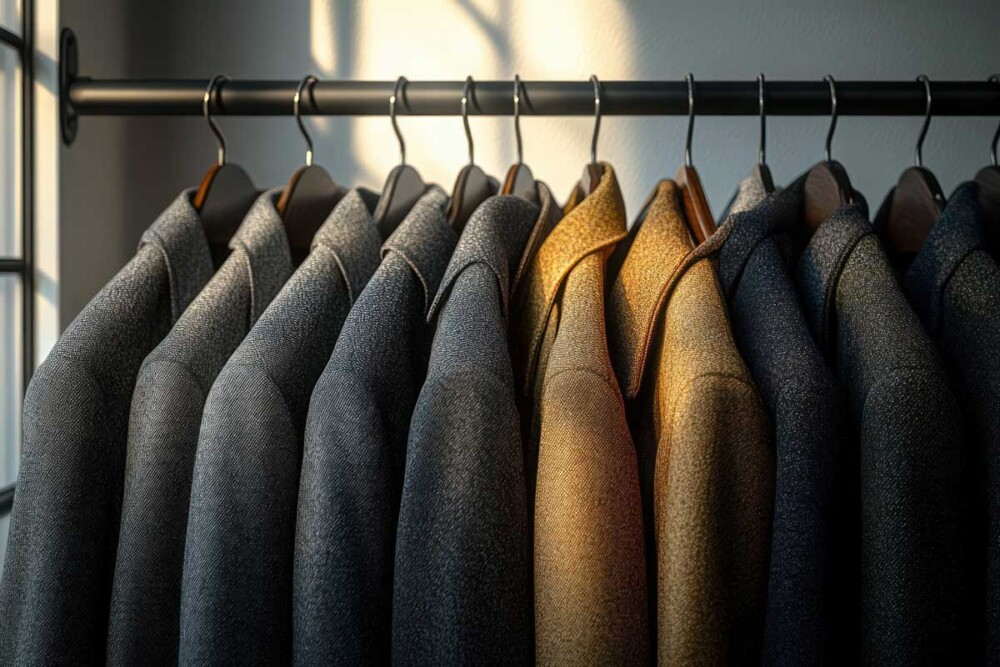
Fashion fabrics are designed for those who want to stand out with a garment with a unique style.
They are materials that transform a coat into an investment of style, perfect for tailored collections or exclusive models.
The search for sustainable and regenerated materials is one of the strongest trends in the fashion sector.
Recycled wool, for example, makes it possible to reduce waste and limit environmental impact while maintaining the same performance as traditional fibre.
Regenerated fibers offer softness, resistance and warmth, and are the expression of a conscious choice, which combines quality and respect for the environment.
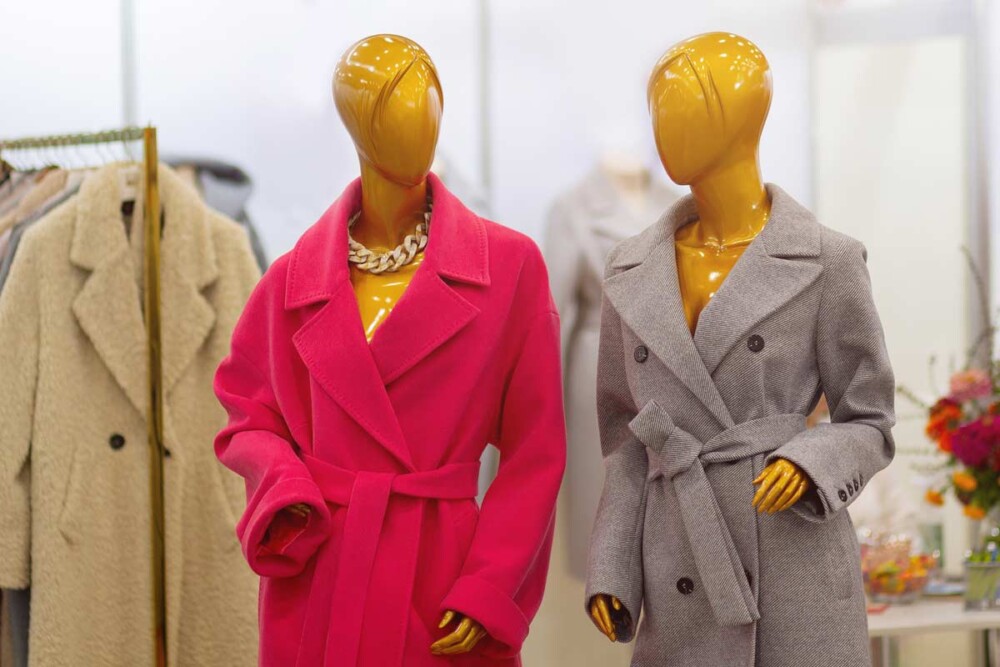
Knowing how to recognize a quality fabric means observing details such as fabric weight, compactness and finish. A good material is homogeneous, stable and pleasant to the touch.
| Feature | What indicates | What guarantees |
| Grammar (g/m²) | Fabric weight | Heat and structure |
| Compactness | Plot density | Durability and resistance |
| Finish | Gauze, brushed, full | Softness and protection |
| Fall | Elasticity and flexibility | Flattering fit |
| Color | Visual uniformity | Stability over time |
When it comes to coats, the role of the lining should never be underestimated. This hidden element contributes significantly to the comfort, durability and overall quality of the garment.
The choice of internal fabric must be consistent with the external one: a heavy wool coat requires a resistant and stable lining, while a technical or light model requires a more fluid and breathable material.
In addition to improving the fit, the lining fabric also serves to protect the main fabric, facilitating movement and increasing the longevity of the coat.
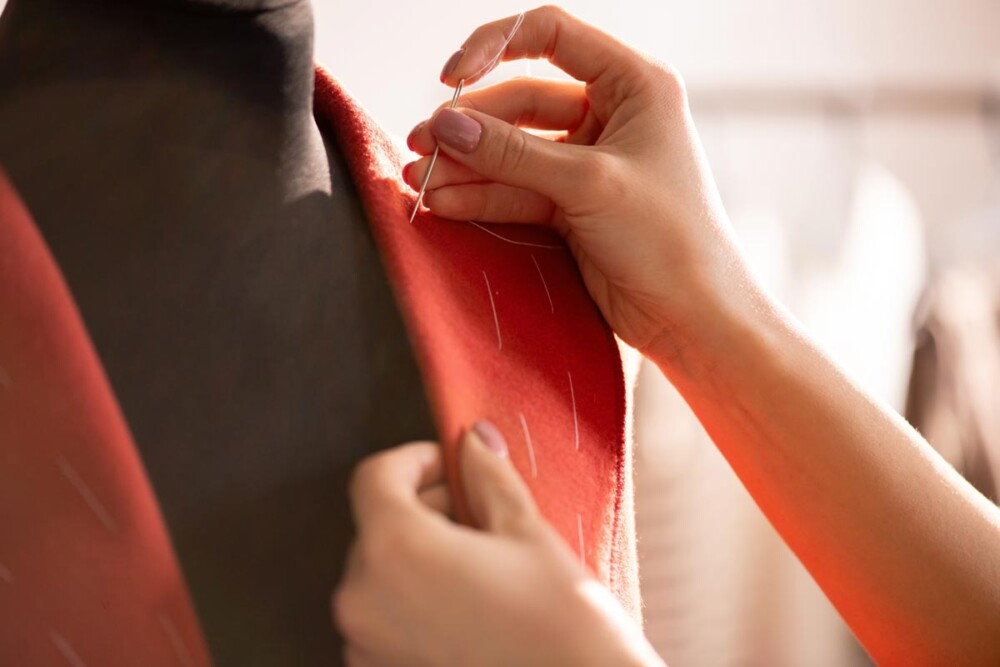
The lining is what completes a quality coat. Improves comfort, facilitates movement and protects the outer fabric from wear. In addition, it adds aesthetic value and contributes to thermal insulation.
A well-lined coat runs better on the body, is worn easily and lasts longer.
The most used linings are:
The choice of lining must harmonize with the main fabric: heavy wool requires a compact interior, while technical fabrics prefer thin and fluid linings.
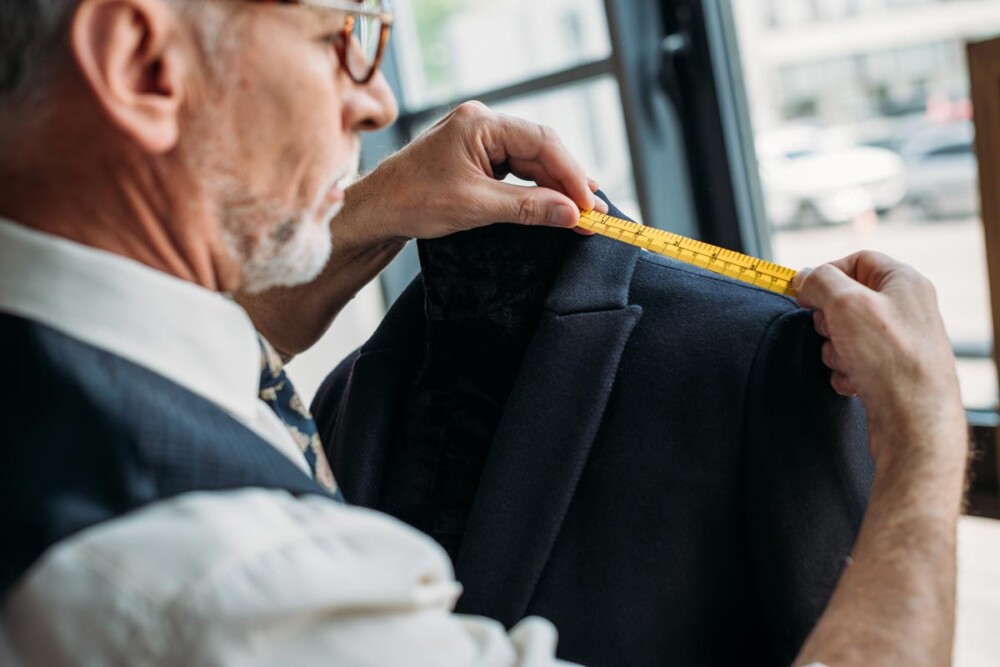
Choosing a reliable supplier is the first step to achieving professional results. The Cimmino shop offers a complete range of wholesale coat fabrics, from the finest wools to technical and sustainable materials.
Each collection of clothing fabrics is selected to guarantee quality, aesthetic and performance, with seasonal samples and personalized advice.
Thanks to consolidated experience in the sector, Cimmino is the ideal partner for ateliers, tailors and fashion companies that want to offer resistant, refined and trendy coats.
When it comes to choosing the right fabric for a coat, it is essential to evaluate not only the aesthetics but also the composition, weight, height of the fabric and its technical characteristics. In the models proposed by Cimmino Shop we find quality materials and refined finishes, ideal for creating warm, resistant and tailored garments. Here are four proposals suitable for different styles and needs.
Tessuto Elastico Oliver is a timeless classic characterized by geometric patterns in elegant black and white tones. Its composition, 79% polyester, 19% viscose and 2% elastane, guarantees structure, softness and light elasticity which improves comfort and fit.
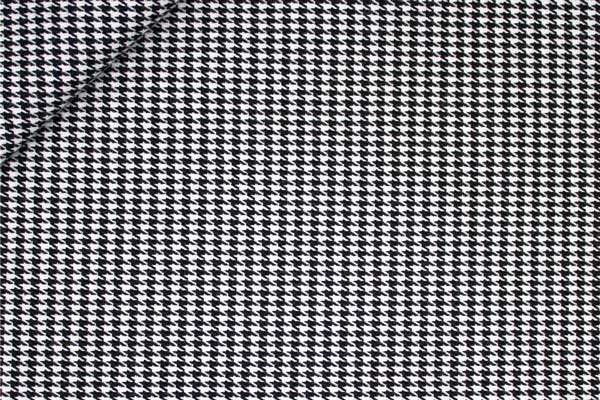
With a height of 145 cm and an average weight of around 320 g/MTL, this fabric lends itself perfectly to the making of formal coats, jackets or outerwear that require good hold but also flexibility. The addition of viscose makes the hand more pleasant, while elastane helps keep the head comfortable during movements. It is a material that combines classic aesthetics and contemporary practicality, ideal for an elegant and structured coat.
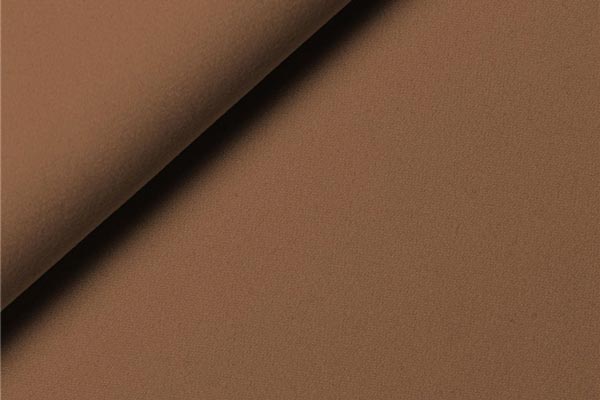
Panno Melton has technical characteristics that make it interesting for clothing with a strong cut. The composition of 85% polyester and 15% viscose, with a height of 145 cm and a consistent weight of approximately 580 g/MTL, gives the fabric a dense and compact structure.
Melton is known for its ability to retain heat and resist wear, qualities that make it perfect for heavy coats or boldly styled capes. Its more rigid and not very elastic nature suggests use for structured and not excessively adherent garments, capable of enhancing the robustness of the material.
Tessuto Lana Cotta Unito represents one of the most suitable choices for those who want a warm, resistant and refined coat. The combination of 70% wool and 30% polyester gives the fabric a soft feel and a compact structure, capable of maintaining the shape of the garment over time.
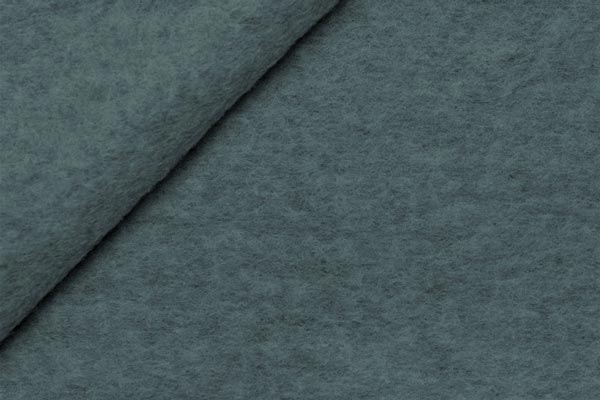
The height of 145 cm and the weight of approximately 380 g/MTL make it perfect for winter outerwear that requires protection from the cold without being too rigid. Boiled wool is obtained through a felting process that compacts the fibres, guaranteeing thermal insulation and durability. In the plain version, the fabric is elegant and versatile, suitable for minimal coats, double-breasted or tailored garments.
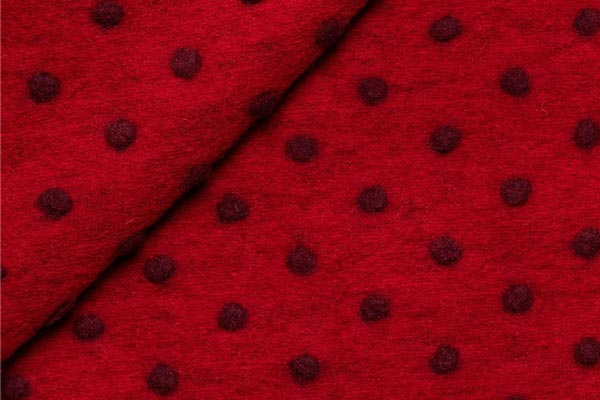
Tessuto Lana Cotta Pois offers a more original and decorative interpretation of the classic winter fabric. Made of 65% wool and 35% polyester, with a height of 145 cm and a weight of approximately 430 g/MTL, it stands out for its compact and slightly curled surface, embellished with embossed polka dots that add a three-dimensional touch.
This texture gives movement to the garment and emphasizes its craftsmanship, while maintaining the heat and strength properties typical of boiled wool. In addition to coats, it can also be used for fashion accessories such as scarves or hats, but finds its maximum expression in outerwear with a creative and contemporary style.
The best winter coat fabric is wool, due to its ability to retain heat and ensure breathability. The hottest variations are full wool and compact woolen cloth. Alternatively, wool blends with a small percentage of synthetic fibers offer greater strength and practicality.
For a winter coat we recommend a weight between 400 and 600 g/m², which ensures structure and thermal insulation. Autumn or light coats, on the other hand, can be made with weights between 250 and 350 g/m².
Pure wool is warmer and more valuable, but requires greater care in maintenance. Wool blend fabrics combine comfort and practicality, resist wear better and maintain an elegant appearance over time. The choice depends on use: for everyday garments, a blend is better, for tailored garments, pure wool.
Waterproof or windproof coats are made with technical polyester or polyamide fabrics treated with water-repellent finishes. They offer excellent protection from bad weather and require little maintenance. Some full wools can be treated to resist water, but remain less performing than engineering materials.
For elegant or tailored coats, a viscose or satin lining is ideal, materials that give shine and guarantee good breathability. The taffeta, on the other hand, is perfect for structured models, because it maintains its shape and adds a touch of refinement.
On average, 2.5 – 3 meters of fabric are needed to make a long coat for women or men, but the quantity may vary based on size and model (double-breasted, oversized or hooded coat). It is always advisable to provide a small extra margin for finishing.
Among the most popular fashion fabrics are bouclé, for its soft and three-dimensional appearance, mohair, which gives brightness and lightness, and cashmere, which remains the finest fibre. These materials are often used for oversized, elegant or tailored models.
For those looking for wholesale coat fabrics, Cimmino Tessuti offers a complete catalog with wools, blends, bouclés, technical materials and regenerated fibres. All fabrics are selected for quality and aesthetic performance, with seasonal samples and dedicated consultancy for professionals and companies.

The autumn/winter 2025/26 season marks a turning point: the catwalks have confirmed that fabrics are no longer just a detail, but the central element of design, functionality and market positioning. For textile companies and professionals, this means rethinking choices in a more strategic way, with attention to sustainability and performance.
In this context specialized realities such as Manifattura Foderami Cimmino represent a reliable point of reference for those looking for certified, innovative materials suitable for fashion, furniture and craftsmanship. Analyzing trends therefore becomes essential to build collections that are competitive and aligned with international demands.

The international fashion shows showed garments with large volumes and sophisticated layering. Texture-rich fabrics, fluid velvets and compact wools dominated, with a return to touch as the primary aesthetic value.
The need for safety and warmth pushed towards enveloping materials, while the need for individuality brought bold color palettes and unusual mixes. Fashion thus interprets the spirit of the time: protection, but also self-affirmation.
Green research and digital technologies drive the industry. Regenerated fibres, low-impact processes and high-performance smart fabrics are redefining the concept of textile innovation.
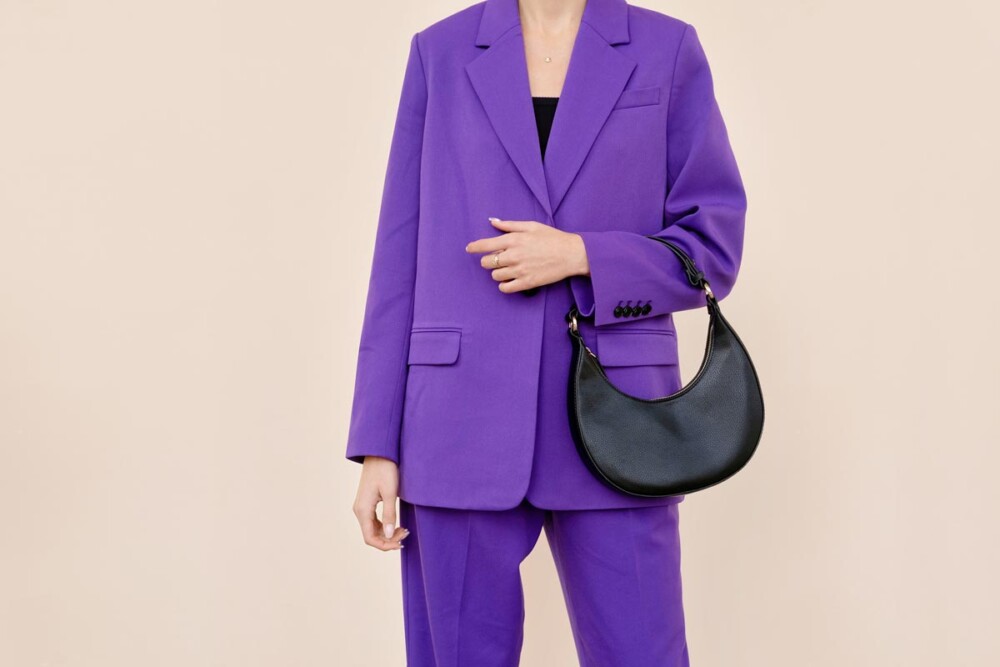
The color palette is a strategic tool: it defines the identity of a collection and guides the choices of buyers. For F/W 2025/26, the colours point to a balance between reassurance and vitality.
Amethyst purple is the symbolic color of the season, followed by warm neutrals such as sand and camel. Targeted neon touches, along with deep forest greens and blues, create visual dynamism.
Strategic combinations enhance the fabric performance:
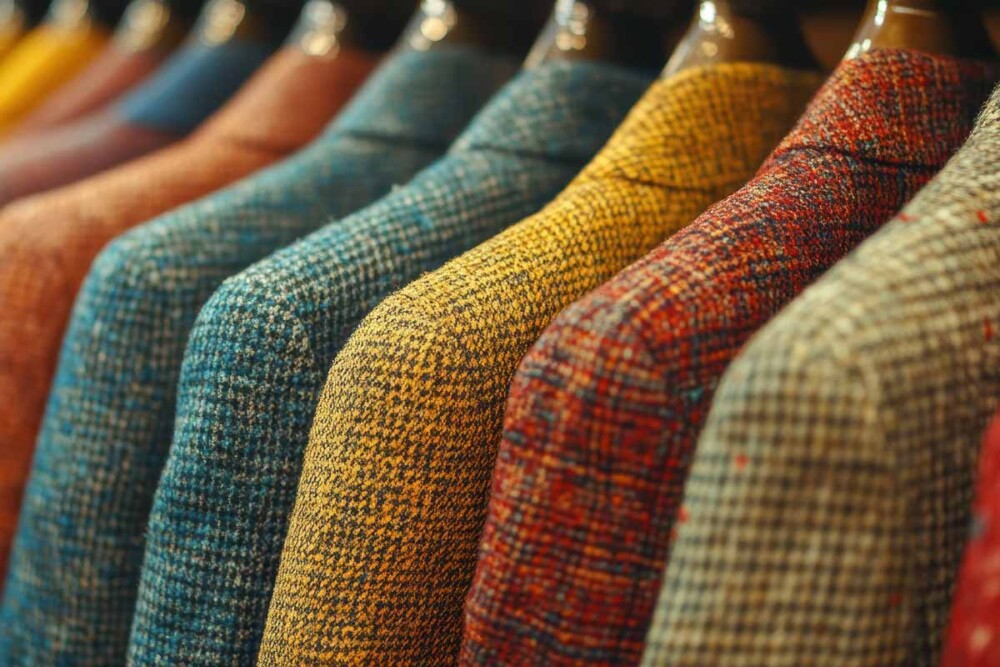
The fabric is the true protagonist of the season. Iconic materials like the are back suede effect fabric, supported by innovations that respond to new sustainability and performance needs.
Velvet, tweed and bouclé impose themselves in a contemporary key. Velvet, both smooth and hammered, becomes ideal for jackets and trousers; tweed, compact and resistant, for coats and skirts; the bouclé enriches tailored jackets and accessories.
Regenerated and certified fibers play a central role. Organic cottons, recycled wools and blends with circular technical fibers are increasingly requested by brands and retailers.
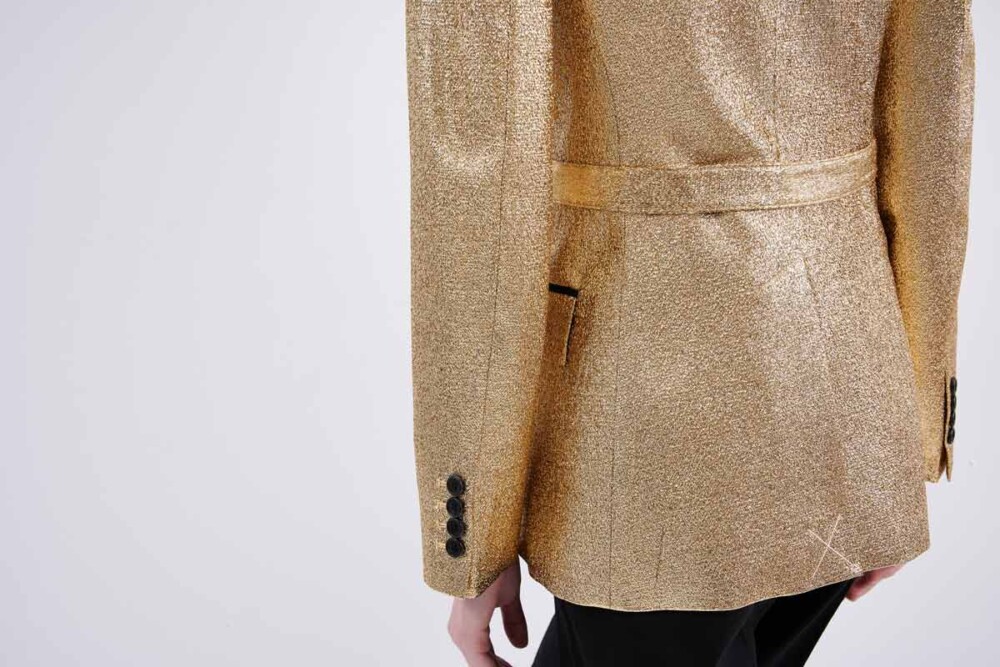
The fabric hand is at the center of the research. Medium thicknesses, compact surfaces, and shimmer or slightly metallic finishes are preferred with the addition of sequins, capable of enhancing three-dimensionality.
The prints represent the distinctive feature of the collections. F/W 2025/26 brings with it bold patterns and tactile textures, capable of giving personality to garments.
The floral is renewed with dark bases and stylized motifs. Ideal for fluid clothes and how shirt fabric, combines elegance and modernity.
Paintings, irregular stripes and complex jacquards define the season. Perfect for coats, midi skirts and tailored jackets.
Three-dimensionality dominates. Shimmer, lurex and drapery effects build scenographic garments with high aesthetic value.
For those who work in the food sector fabrics for clothing, the choice of materials is a matter of strategy. Functionality, aesthetics and performance must integrate.
A fabric must guarantee thermal comfort, breathability and resistance, without sacrificing visual performance. Balance is the key to competitive products.
Each garment requires the right material:
Durability and maintenance are critical factors. Fabrics resistant to delicate washes and stain-resistant treatments reduce waste and costs for professionals.
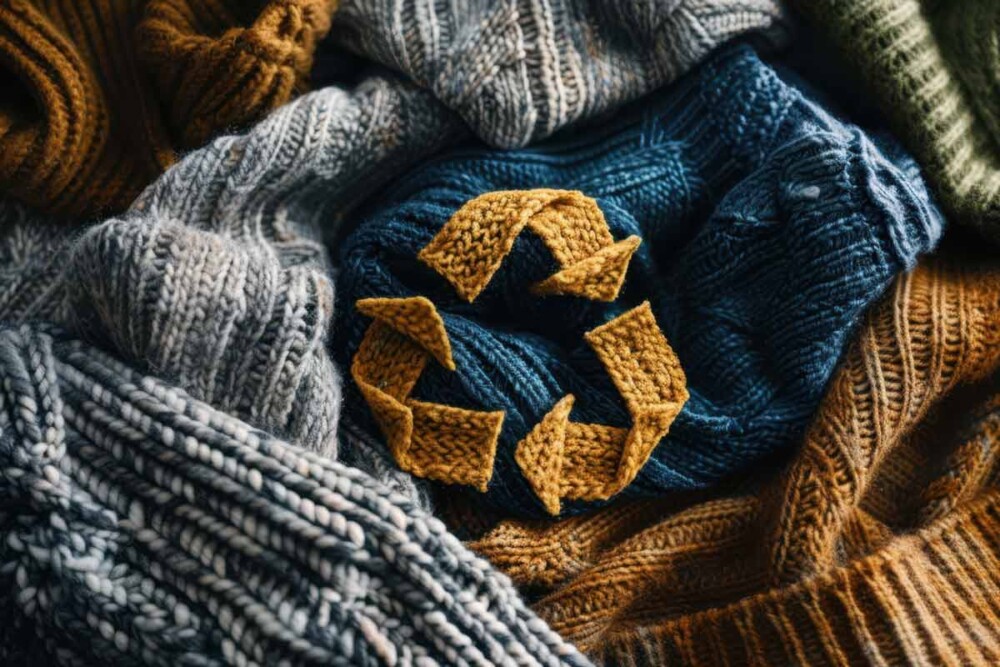
The green theme is now essential. Textile companies and buyers must consider sustainability as an integral part of the purchasing strategy.
Regenerated wool, recycled polyester and organic cotton are solutions that combine ethics and performance, increasing perceived value.
Low water consumption dyes, green finishes and optimized logistics reduce costs and improve company reputation.
GOTS, OEKO-TEX® and GRS are now prerequisites for accessing increasingly regulated international markets.
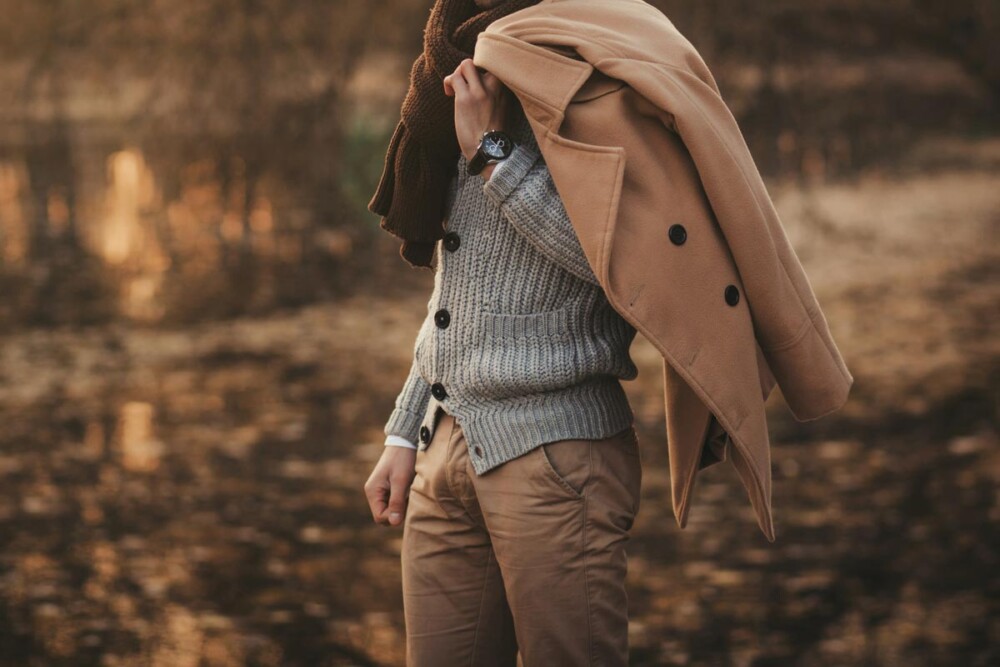
To facilitate the choice of buyers, here is an overview of the most relevant materials for the F/W 2025/26 season.
| Fabric | Grammar (g/m²) | Features | Recommended use | Certifications available |
| Velvet | 220–280 | Soft hand, shiny effect | Suits, jackets | OEKO-TEX® |
| Tweed | 300–400 | Compact, durable | Coats, skirts | GRS (recycled) |
| Bouclé | 250–350 | Three-dimensional appearance | Jackets, accessories | GOTS |
| Regenerated wool | 280–350 | Eco-friendly, warm | Knitwear, outerwear | GRS |
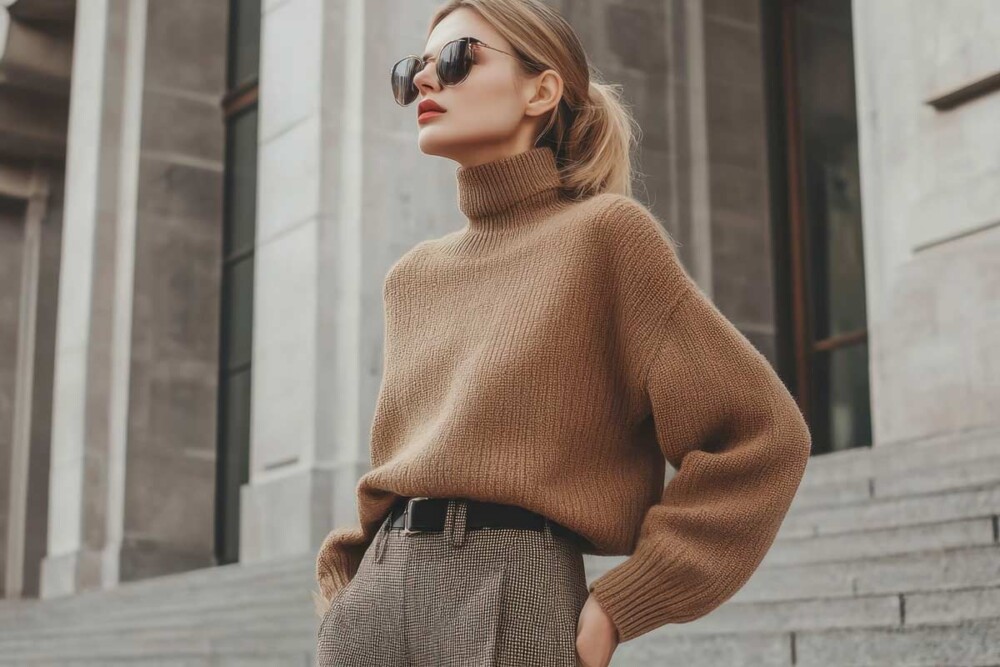
Autumn/winter 2025/26 clothing trends will have an impact beyond the single season. The return of classic fabrics, the use of three-dimensional textures and the centrality of sustainability will become structural elements.
Certified materials, velvet and reinterpreted tweed, together with shimmer finishes, will continue to influence subsequent seasons.
For businesses and buyers, the winning strategy is to create diversified samples, plan orders well in advance and rely on certified suppliers. Explore the catalog of fashion and technical fabrics available on
and enrich your F/W 2025/26 collections with certified, innovative materials suitable for every production need.
Main colors are amethyst purple, warm neutrals such as sand and camel, forest greens, deep blues and neon details These shades are used for outerwear, knitwear and elegant dresses.
Velvet, tweed and bouclé return as protagonists, supported by innovative and sustainable fibers such as regenerated wool and organic cottons. They are the materials most appreciated by buyers and brands for the new season.
Businesses and consumers demand transparency and environmental accountability. Recycled fibers and low-impact production processes reduce costs and strengthen competitive positioning.
For coats and jackets, wool and tweed cloths are recommended; for cashmere and mohair knitwear; for accessories and details, light but resistant fabrics. Intended use is crucial to avoid purchasing errors.
The catwalks proposed dark florals, stylized botanical motifs, graphic geometries and complex jacquards. There is no shortage of tactile textures and special effects such as shimmer and lurex.
The feel of the fabric is crucial: compact finishes, shimmers and light metal surfaces create visual depth and increase the perceived value of the garments.
Most sought after are GOTS, OEKO-TEX® and GRS, which guarantee safety, sustainability and traceability along the supply chain. For international buyers they are now a necessary standard.
It is possible to purchase fashion and technical fabrics directly from specialized e-commerce sites such as Cimmino.com, which offers a wide choice of certified materials and supplies for packaging, furnishings and crafts.
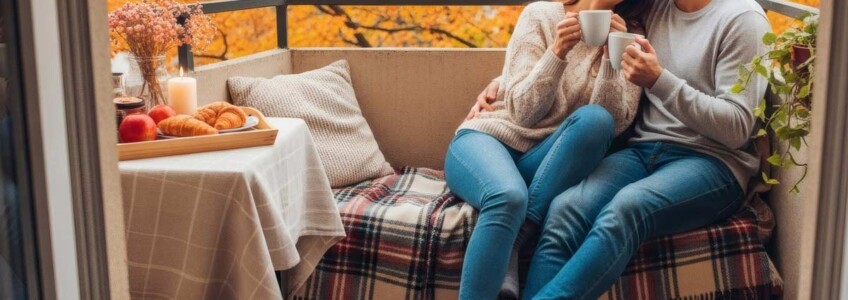
With the arrival of autumn, the needs of those who work in the textile sector change radically. Tailors, upholsterers, interior designers and buyers find themselves faced with the need to select autumn fabrics that guarantee comfort, warmth and an aesthetic result consistent with seasonal trends. It’s not just about following fashion, but about providing resistant, functional and easy-to-work materials, capable of adapting to clothing collections, accessories and interior design projects.
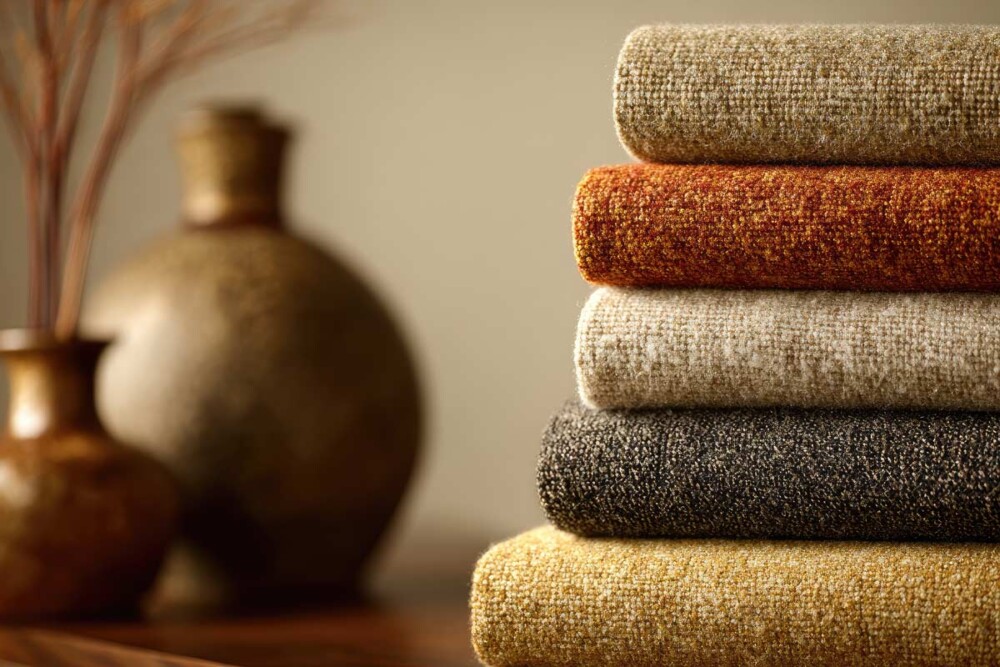
Fabrics for autumn stand out for their ability to combine aesthetics and functionality. They must transmit heat, resist frequent use and, at the same time, interpret the color palettes of the season. They are therefore materials that combine technical value and visual appeal, characteristics required in both fashion and furnishings.
Comfort and resistance are the two most sought after elements. Wool and heavy cotton retain heat, ensuring natural insulation, while blends with synthetic fibers ensure greater durability and dimensional stability. These factors make autumn fabrics perfect for tailored garments and furnishing products destined to last over time.
Texture and fabric drop are equally crucial. Velvet offers an iridescent and elegant effect, while tweed, with its irregular surface, communicates a rustic and sophisticated charm. Flannels and heavy cottons, on the other hand, have a soft and uniform fall, ideal for casual dresses or welcoming coverings.
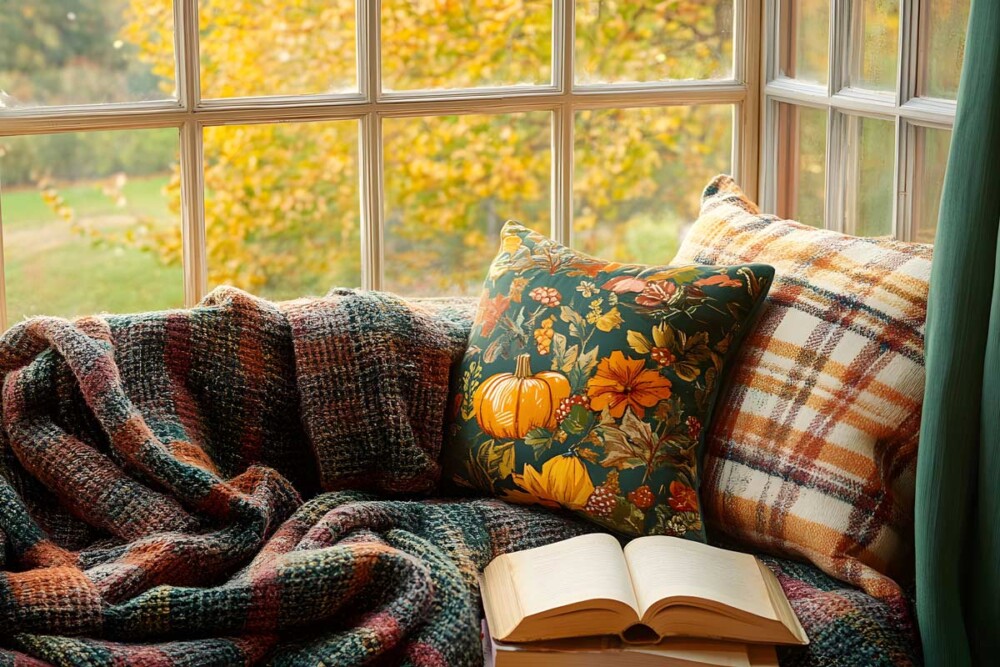
The autumn season brings to the fore materials that combine practicality and style. From wool to velvet, each proposal responds to specific needs in terms of fashion fabrics and furnishing fabrics.
Wool remains the reference material for autumn. It is available in various weights, perfect for coats, jackets and accessories. The tweed, on the other hand, is appreciated for its compact and robust texture, which makes it ideal for tailored jackets, bags and resistant coverings.
Velvet stands out for its softness and brightness. In fashion it is used for evening dresses, elegant jackets and trousers with a refined cut. In furniture, however, it is chosen to cover armchairs, sofas and curtains, creating warm and refined atmospheres.
Heavy cotton and flannel offer comfort and practicality, ideal for shirts, trousers and throws. Mixed technical fabrics, on the other hand, combine breathability and resistance, finding application in professional and contract clothing.
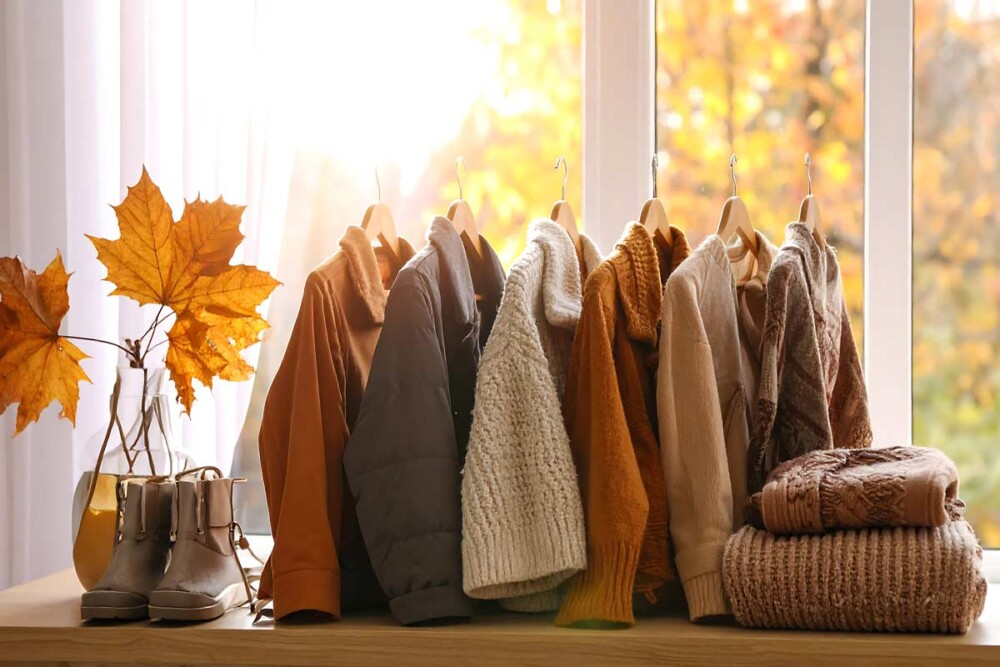
| Fabric | Main features | Most common uses | Recommended maintenance |
| Wool | Warm, natural, resistant | Coats, jackets, blankets | Washing at low temperatures or dry |
| Tweed | Rough, compact and resistant texture | Tailored jackets, upholstery, bags | Brushing and dry cleaning |
| Velvet | Soft, elegant, iridescent | Dresses, curtains, coverings | Dry cleaning, light brushing |
| Flannel | Soft, warm, comfortable | Shirts, throws, pajamas, blankets | Gentle washing at low temperatures |
| Heavy cotton | Breathable, robust, versatile | Pants, casual shirts, upholstery | Frequent washing with neutral detergents |
| Mixed technical | Functional, resistant, practical | Technical and professional clothing | Quick washes, quick drying |
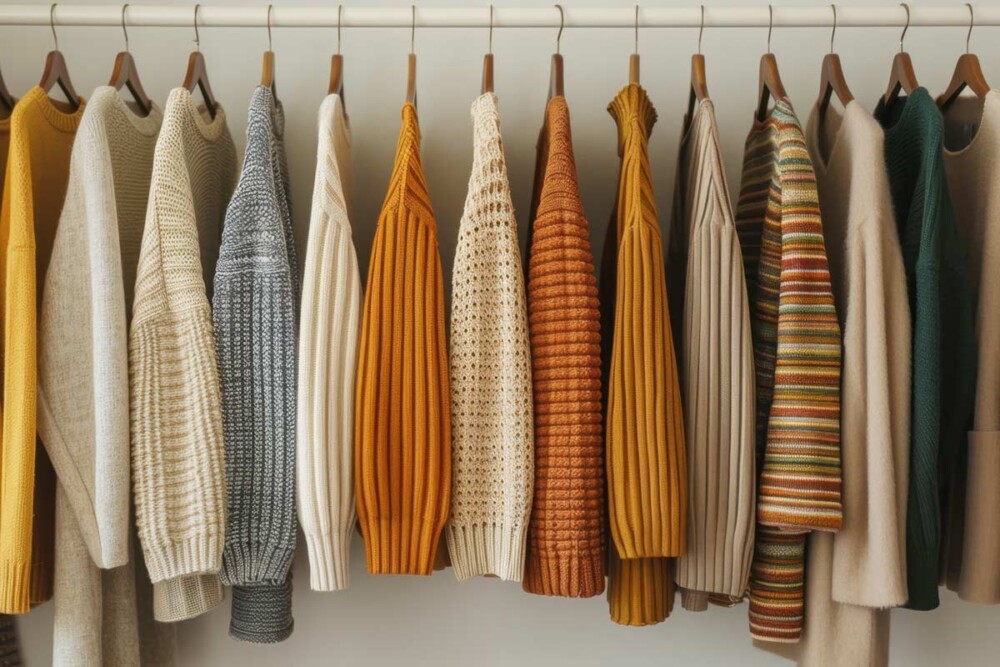
The chromatic component is fundamental: autumn colors evoke warm atmospheres, while classic patterns give stylistic continuity.
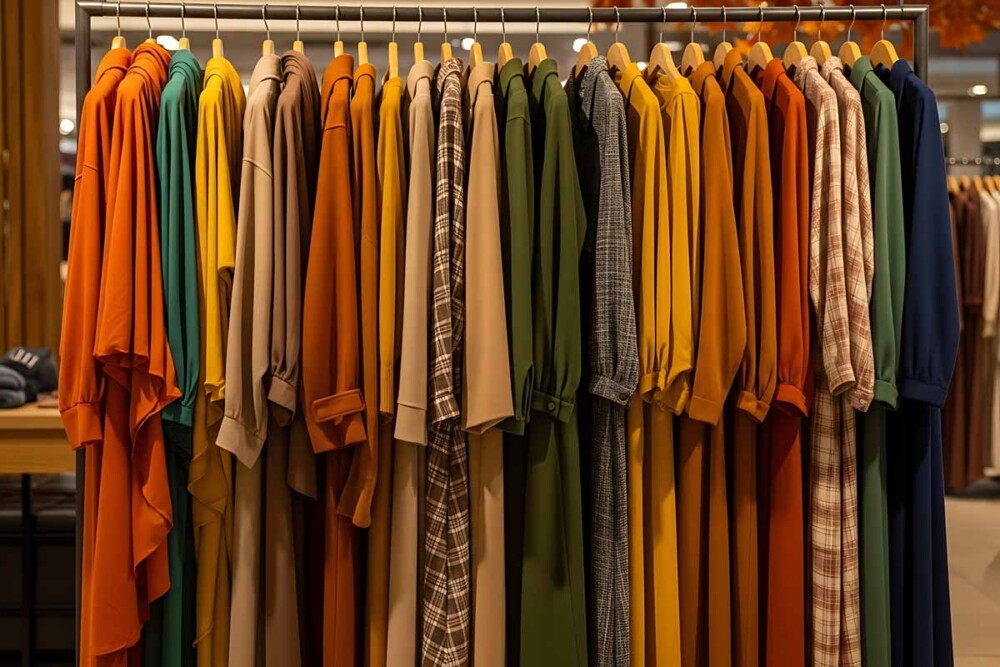
Ocher, burgundy, rusty brown and forest green are shades that recall seasonal landscapes and convey sensations of comfort. They are choices as much in fashion as in interior design for create autumn arrangements.
Scottish tartan motifs and the paintings are protagonists every year. Perfect for coats and shirts, they also find space in upholstery and curtains, giving traditional elegance to the rooms.
New palettes are added to the warm shades: sand beige, pearl gray and light olive green. These colors, combined with the classics, create modern and sophisticated contrasts.
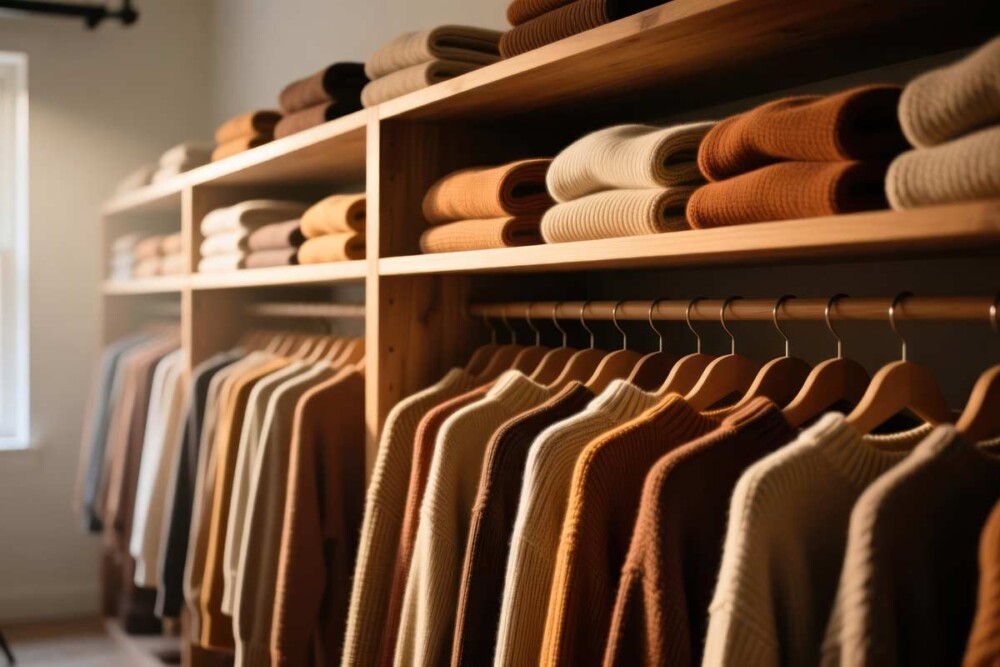
Fashion takes full advantage of the versatility of autumn fabrics, which lend themselves to both casual garments and high-end tailored productions.
The autumn-winter collections include tweed jackets, boiled wool coats and trousers flannel fabric. In tailored garments, stretch velvets and light wools allow you to combine elegance and practicality.
Merino wool scarves, felt hats and velvet bags complete the collections with details that add value and refinement.
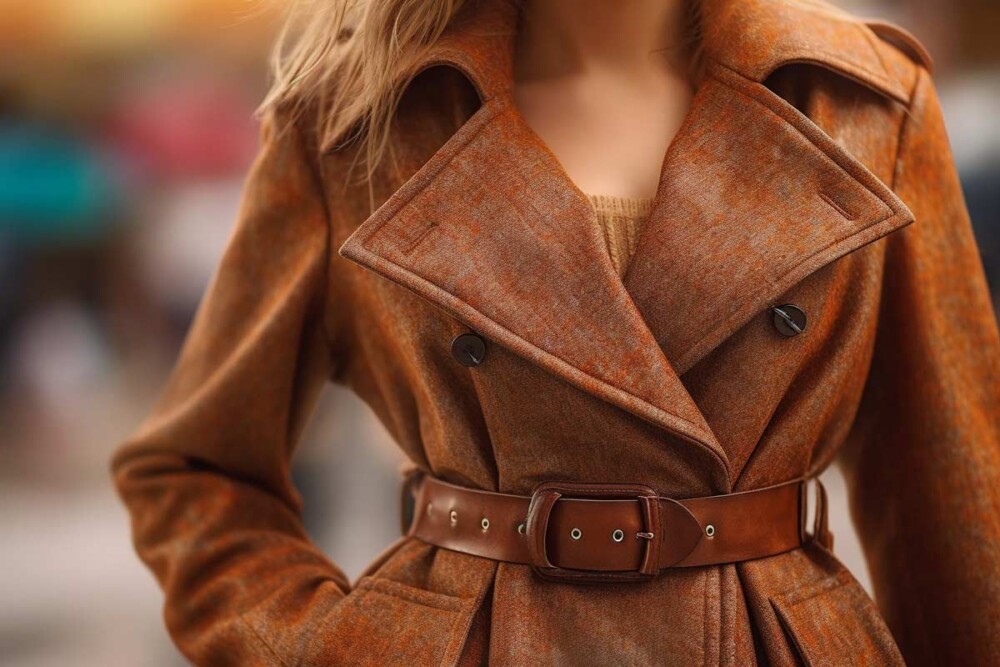
With the arrival of the cold season, choosing the right fabrics is essential to combine comfort, style and functionality. On Cimmino Shop you will find versatile and high-performance solutions: materials that “breathe”, which maintain softness to the touch and guarantee good hold and drape even in the harshest climates.
Tessuto Scamosciato Texas represents a versatile and elegant solution for those looking for a suede effect with a sophisticated appearance and a soft, velvety feel. Made of 100% polyester, it stands out for its compact yet flexible structure, capable of guaranteeing excellent performance in both the furniture and clothing sectors.
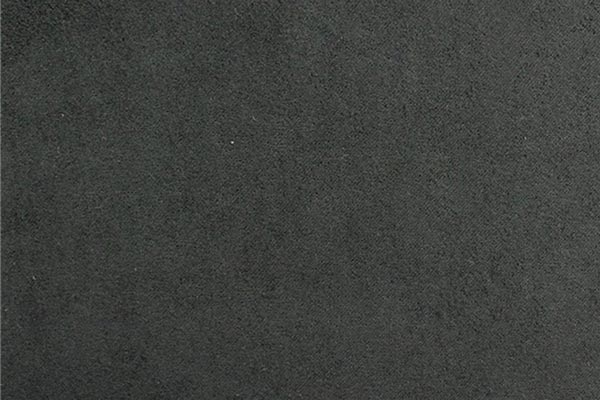
Coupling with a jersey improves its fit and stability, making it suitable for making lightweight jackets, skirts, fashion accessories or tailored details that require a contemporary twist.
With a height of 140 cm and a weight of 336 g per linear meter (240 g per square meter), this fabric offers consistency without sacrificing workability. It is also OEKO-TEX® STANDARD 100 certified, a guarantee that attests to the absence of harmful substances and makes it a safe choice even in contact with the skin. On the Cimmino website it is available in a vast color range that ranges from neutral tones, such as sand and pearl, up to more intense variations such as petrol, moss or dark brown, allowing you to customize each creation based on your style. Precisely thanks to these characteristics, the Texas Suede Fabric confirms itself as an ideal proposal for the autumn season, combining aesthetic elegance and practicality of use.
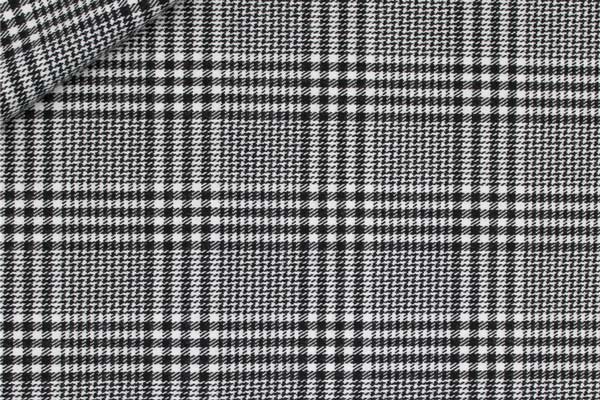
Tessuto Elastico Oliver is a proposal that recalls the classic and timeless style, capable of combining elegance and practicality in a single solution. It stands out for its geometric motifs and paintings which, in the refined tones of black and white, create a sober but at the same time refined visual effect.
This harmonious alternation makes it particularly suitable for making garments with a formal and timeless character, such as structured jackets, tailored shirts or elegant trousers, without excluding the possibility of using it also for coordinated accessories.
The composition, which combines polyester, viscose and elastane, guarantees a balance between resistance, softness and light elasticity, making the fabric comfortable to wear and pleasant to the touch. With a height of 145 cm and a weight of approximately 320 grams per linear metre, the Oliver Elastic Fabric ensures consistency and stability, fundamental qualities to obtain an excellent yield in tailoring. Its versatility makes it ideal for those who want to create garments that combine sobriety and modernity, offering infinite possibilities of interpretation in the autumn wardrobe.
Tessuto Tasmania represents a refined choice for those who want to create autumn garments that combine elegance and comfort. Its composition, mainly in polyester and viscose, is enriched by a percentage of wool which gives softness and a warmer touch, ideal for the cold season.
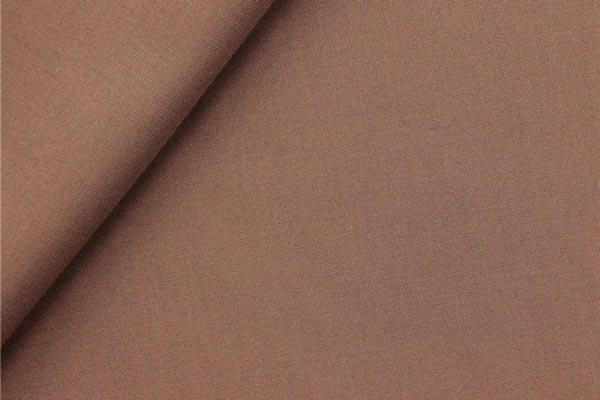
The twill effect gives the fabric a compact and visually interesting texture, while the addition of elastane ensures a slight elasticity, a quality that makes the garments more comfortable and adaptable to movements. This combination of features enhances its versatility, allowing it to be used successfully for jackets, tailored trousers or accessories such as elegant scarves.
With a height of 145 cm and a weight of approximately 362 grams per linear meter (250 grams per square meter), Tasmania Fabric guarantees consistency and balanced fall, qualities that make it ideal for precise and long-lasting workmanship. It is also OEKO-TEX® STANDARD 100 certified, to guarantee the safety of the materials and their suitability also for use in contact with the skin. Thanks to these characteristics, Tasmania Fabric stands out as a perfect solution for those looking for a timeless and reliable material, capable of giving shape to elegant and timeless garments, designed to accompany autumn days in style.
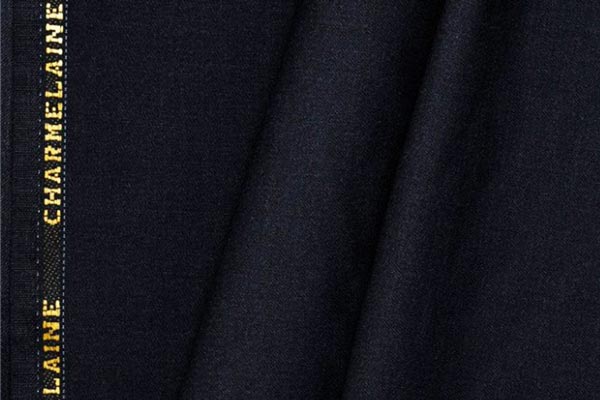
Tessuto Charmelaine Lady is a valuable proposal designed for those who want to create women’s garments with an elegant and timeless style. Made of 100% wool, it is characterized by a soft and comfortable feel, qualities that make it ideal for making women’s overcoats and outerwear.
Its compact yet refined texture gives a sartorial appearance that enhances the line of the most classic models and guarantees excellent aesthetic performance even in the most contemporary creations. Its natural and precious nature ensures warmth, breathability and resistance, fundamental characteristics for facing the autumn and winter seasons in style.
With a height of 150 cm and a weight of 390 grams per linear meter (260 grams per square meter), this fabric offers consistency and solidity without being excessively heavy, maintaining a balance that makes it particularly suitable for quality tailoring. The purity of the wool fiber enhances its drapery and fit, allowing the creation of overcoats and jackets that combine comfort and refinement. The Charmelaine Lady Fabric thus confirms itself as an ideal choice for those looking for a noble and high-performance material, capable of best expressing the elegance of women’s fashion in the colder seasons.
Vellutino Kenya is a fabric that combines lightness and softness, designed for the creation of casual clothing but always with attention to style. Entirely made of polyester, it stands out for its velvety surface, pleasant to the touch and comfortable to wear, qualities that make it suitable for all seasons, including transition periods such as autumn.
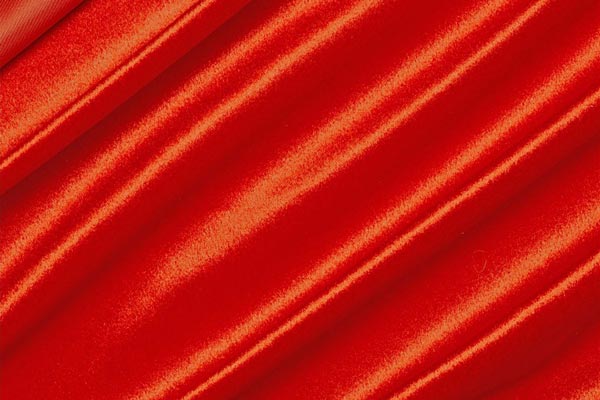
Its versatility allows it to be used for various garments, from light jackets to soft trousers, up to skirts and dresses that require a fabric with a fluid fall and an elegant but informal appearance at the same time.
With a height of 150 cm and a weight of approximately 337 grams per linear meter (225 grams per square meter), Kenya Velvet ensures consistency without weighing it down, maintaining good workability and guaranteeing quality results even in the simplest tailoring processes. Its polyester nature makes it resistant and durable, a feature that allows garments to keep their beauty intact over time. Thanks to these qualities, Kenya Velvet represents an ideal choice for those who want to combine comfort and style in casual creations that retain a touch of discreet and versatile elegance.
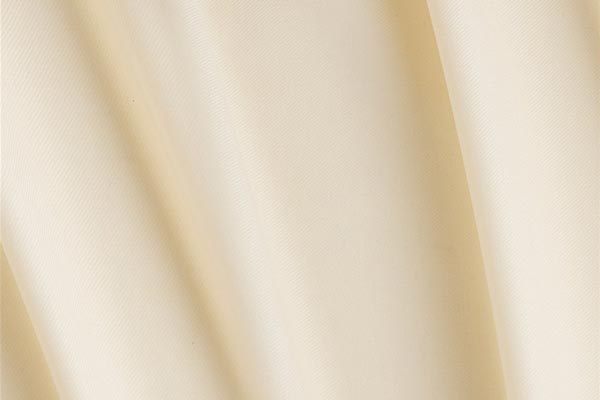
Vigogna Pura Lana Ileana is a high quality fabric, designed for those who want to create elegant and resistant men’s tailored garments. Made of 100% wool, it stands out for its softness and its ability to guarantee heat without being excessively heavy.
Its compact structure makes it particularly suitable for making classic men’s trousers, ensuring an impeccable fit and an always tidy appearance. The balance between comfort and aesthetics places it among the most popular fabrics in the tailoring sector, ideal for those seeking a timeless and refined style.
With a height of 150 cm and a weight of approximately 379 grams per linear meter (253 grams per square meter), Vigogna Pura Lana Ileana offers consistency and stability, fundamental qualities for obtaining garments that retain shape and structure over time. The natural wool fiber enhances the breathability and resistance of the fabric, making it comfortable to wear and suitable for daily use. Precious and versatile, this fabric represents a privileged choice for men’s tailoring, capable of translating tradition and elegance into garments that never go out of fashion.
Pile Coral My is a fabric that stands out for its extraordinary softness and the comfort it offers to the wearer. Made of 100% polyester, it represents a versatile and high-quality solution, designed to meet the needs of both tailoring and creative craftsmanship.
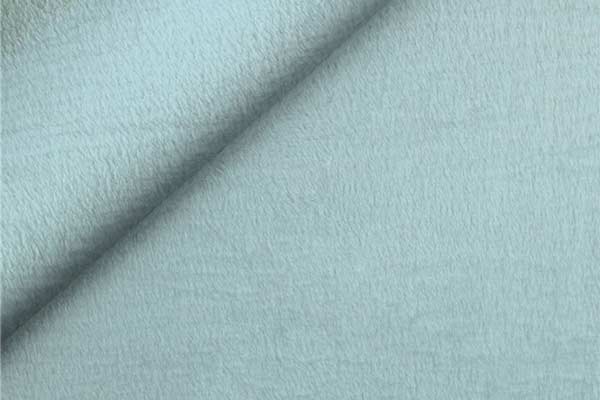
Its soft and warm hand makes it ideal for making clothing items intended for the cold season, such as sweatshirts, pajamas and light jackets, but it is also widely used in the creation of welcoming accessories and home decorations, from throws to cushions, up to small details that add warmth to domestic environments.
With a height of 150 cm and a weight of approximately 367 grams per linear meter (245 grams per square meter), the Coral My Fleece offers consistency and resistance, while maintaining simple workability suitable for different tailoring projects. It is available in a solid pattern, a feature that enhances its versatility and allows it to be easily combined with other materials or colours. Not stretchy, it guarantees stability in workmanship and durability over time. Furthermore, it is OEKO-TEX® STANDARD 100 certified and complies with EN 71-3, ensuring the absence of harmful substances and therefore maximum safety even for creations intended for the little ones. Thanks to these qualities, Coral My Fleece is a reliable and refined choice for those who want a warm, safe and versatile fabric for autumn and winter.
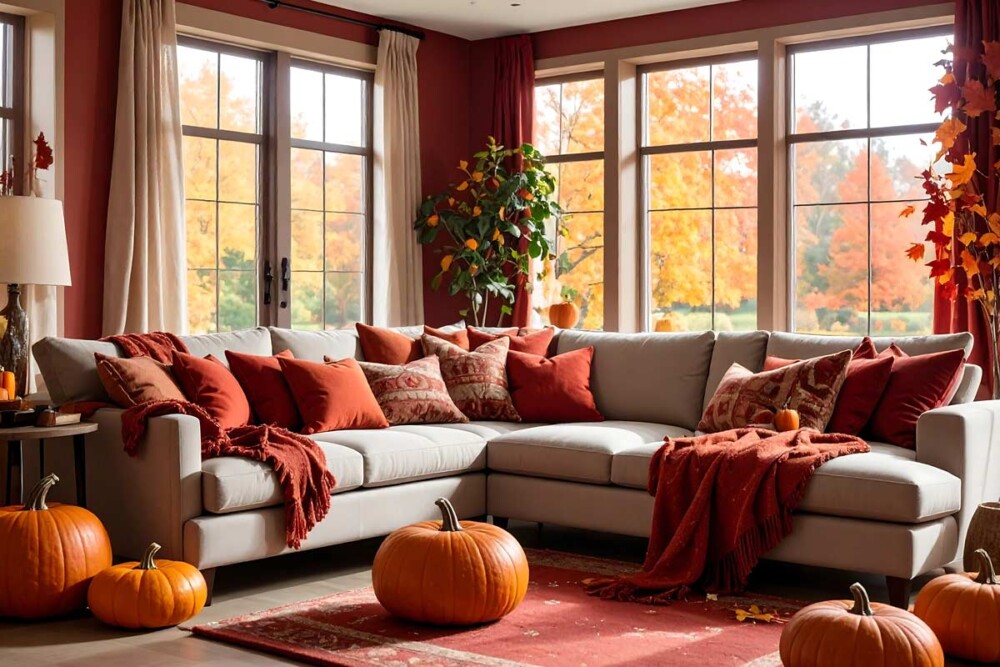
Domestic and professional spaces in autumn require materials that communicate warmth and resistance. Fabrics become true protagonists of environments.
The tweed is perfect for reupholster sofas and armchairs, while velvet adds depth and brilliance to decorative cushions. The combination of different textures increases the perception of quality.
Thick flannels and wools are ideal for decorative throws and blankets. For the curtains, velvets and jacquards in dark shades create scenography of great visual impact.
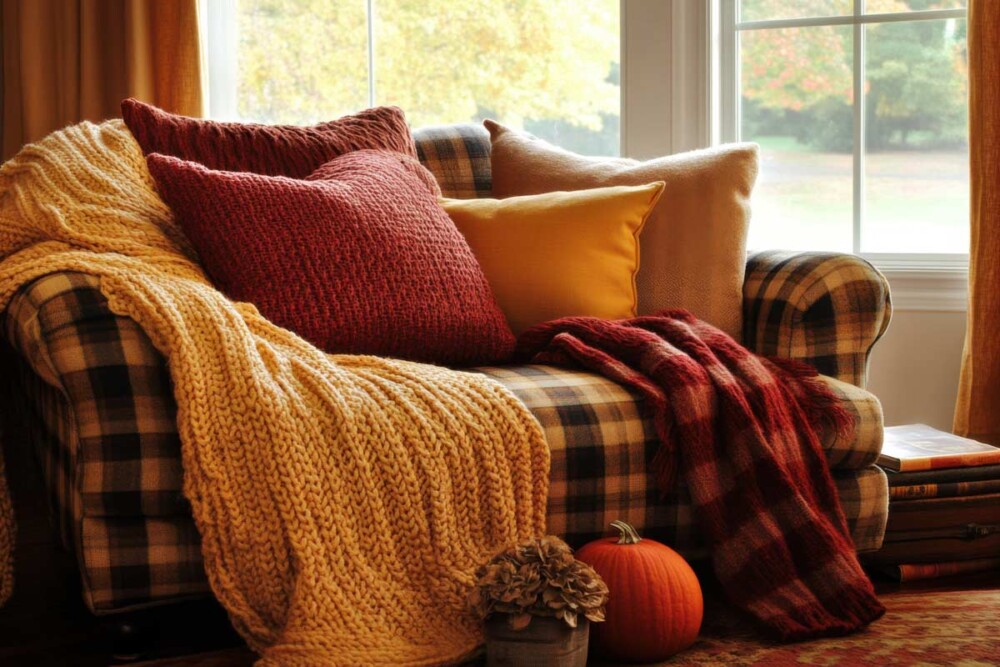
Combining the right materials is essential to enhance projects and collections. Contrasts and combinations must be studied carefully.
Mixing velvet and wool allows you to obtain elegant and refined looks, while flannels and heavy cottons create more informal atmospheres. In furnishing, alternating smooth and textured surfaces increases visual depth.
In fashion it is useful to balance basic garments with fine details. In decor, alternating warm to neutral tones such as gray and beige helps maintain harmony and avoid excess color.
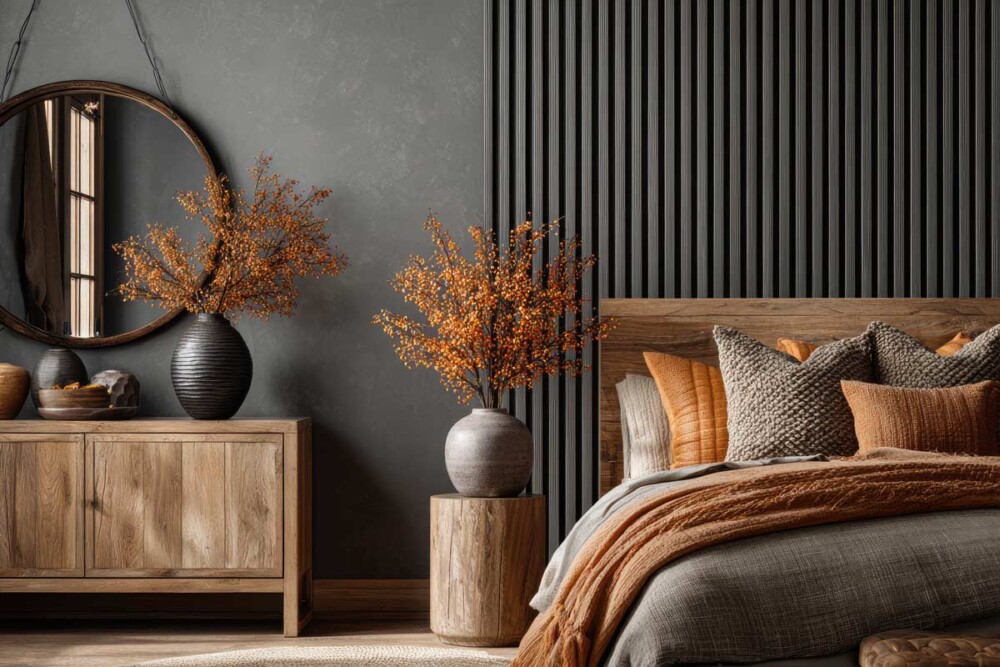
With the arrival of autumn, the house also deserves a renovation that can convey warmth and refinement. Furnishing fabrics play a fundamental role in this process, transforming curtains, coverings and accessories into elements capable of defining the atmosphere of the rooms. On Cimmino Shop it is possible to find materials that combine elegance and functionality, designed to enhance any type of furniture.
ITessuto Velour Arredamento is a high quality velvet that stands out for its warm and uniform colours, capable of giving every environment an elegant and enveloping touch. Its soft and velvety surface makes it ideal for projects that aim not only for functionality, but also for a sophisticated aesthetic.
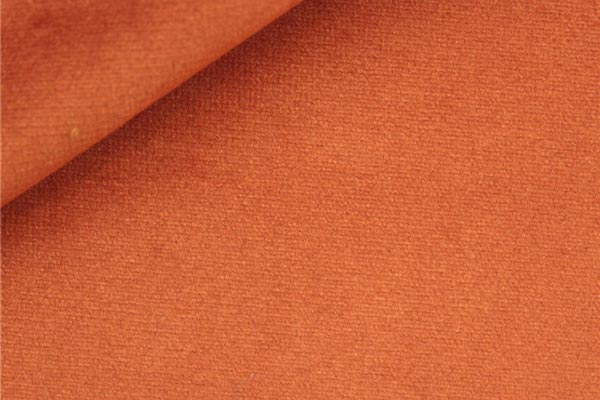
Thanks to its structure, it lends itself perfectly to the creation of curtains, decorative cushions, coverings and padding, transforming every space into a welcoming and refined environment.
Made of 100% polyester, Velor Arredamento is resistant, durable and simple to maintain. The height of 140 cm and the weight of approximately 516 grams per linear meter (equal to 369 grams per square meter) make it a consistent fabric, capable of guaranteeing stability and excellent performance in processing. It is also OEKO-TEX® STANDARD 100 certified, confirming its safety and quality. Versatile and full of charm, it represents the perfect solution for those who want to tastefully furnish their home, making it more welcoming precisely in the coldest months of the year.
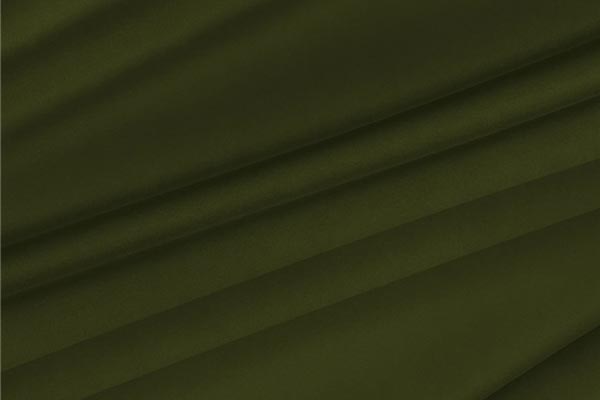
Tessuto Velluto Arredamento is an elegant and functional choice for those who want to furnish their home with quality materials. Its velvety and compact surface gives a sophisticated yet welcoming appearance, making it perfect for creating a warm atmosphere during the autumn and winter seasons.
Thanks to its structure, this fabric lends itself to multiple uses: from curtains to decorative cushions, up to the covering of sofas and armchairs, always guaranteeing a refined and durable result.
Made entirely of polyester, it combines resistance, practicality and softness to the touch, characteristics that make it suitable for both decorative projects and more functional solutions. With a height of 140 cm and a weight of approximately 420 grams per linear meter (equal to 300 grams per square meter), it offers consistency and stability, ensuring excellent performance in tailoring and artisanal workmanship. It is also OEKO-TEX® STANDARD 100 certified, guaranteeing the quality of the material and its safety for use in domestic environments.
Maintenance is a crucial aspect: preserving fabrics means maintaining their beauty and functionality over time.
Wool should be washed at low temperatures or dry, while heavy cottons tolerate more frequent washing. It is advisable to store fabrics in dry and well-ventilated environments.
To keep autumn colors alive, the use of neutral detergents is recommended. Velvet, in particular, should be brushed regularly to preserve its iridescent and soft surface.
Autumn fabrics are a strategic opportunity for businesses and professionals in the fashion and furniture industry. Materials such as wool, tweed, velvet and flannel allow you to create quality collections and furnishing projects that combine comfort and style. The choice of colours, attention to combinations and correct maintenance allow you to make the most of each application. Discover a complete selection of Cimmino Shops
technicians, fashion and furniture, designed to meet the needs of companies and professionals who focus on quality, design and performance.
Most requested are wool, tweed, flannel, velvet and heavy cotton. Each responds to different needs: from elegant tailoring to everyday casual.
Tweed and velvet are ideal for upholstery and upholstery, while flannels and wools are used for plaids, blankets and decorative cushions.
Warm colors such as ocher, burgundy, forest green and brown are timeless. Recent trends also introduce sleek neutrals like gray and beige.
Delicate wools and velvet require dry or gentle washing, while heavy cottons and technical blends are more resistant to frequent washing.
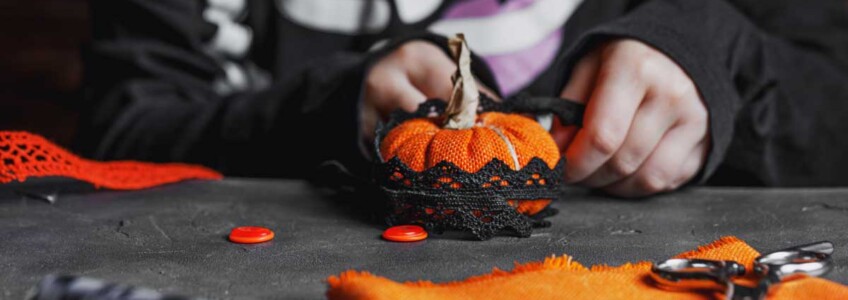
In recent years, Halloween has become an increasingly important commercial event in Italy too. For retailers, artisans and companies specializing in packaging, upholstery and events, the anniversary of October 31st represents a strategic opportunity to expand the offer and increase margins. Having Halloween fabrics wholesale means having versatile, durable and ready-made materials to meet the growing demand for decorations, costumes and fittings. Manifattura Foderami Cimmino offers a comprehensive overview for B2B professionals: from market trends to recommended materials, from color palettes to usage ideas, with the aim of providing a useful and immediately applicable tool.
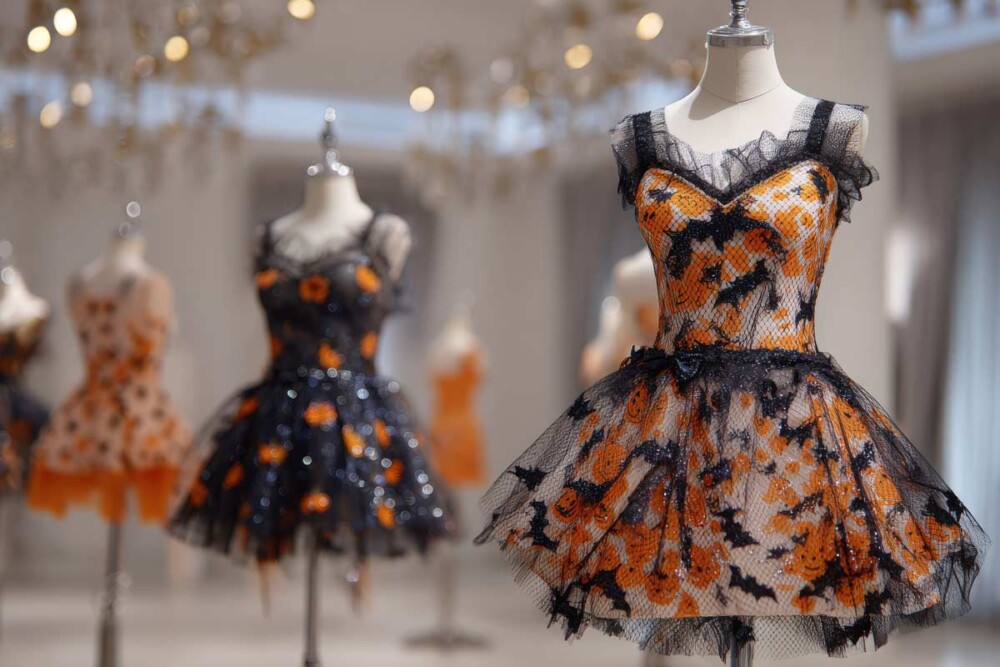
Halloween-themed fabrics are not a simple aesthetic complement, but a highly rotating product that concentrates demand in just a few weeks. The availability of wholesale Halloween cloth allows retailers to respond competitively to requests from businesses, stores, and event planners.
The market shows constant growth: in addition to costumes, the demand for fabrics for theatrical sets, private parties and commercial installations is increasing. Online searches for fabrics for Halloween events begin as early as September, a sign of consolidated interest that must be intercepted by suppliers well in advance.
Offering fabrics for Halloween B2B decorations allows you to diversify the catalog and generate higher margins than continuous products. The seasonal effect stimulates quick purchases and allows customer loyalty, especially if the supplier offers original and ready-to-use solutions.
Halloween textile materials find application in various fields: fabrics for clothing, costumes and accessories, shop decorations, sets for shows and private parties. Interior architects and interior designers also use seasonal home decor fabrics to create thematic installations, increasing the visibility of their projects.
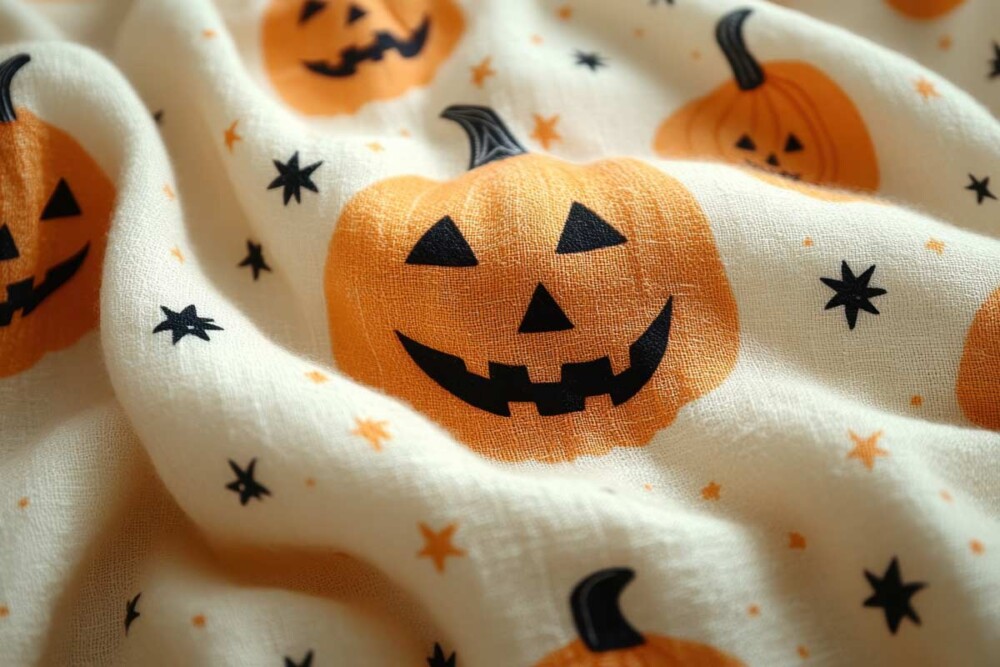
Material selection is crucial: each industry requires specific characteristics in terms of strength, texture and ease of use.
The most requested materials include:
In addition to aesthetics, professionals evaluate aspects such as basis weight, tear resistance, and washability. Fireproof certification is often required in public places or high-attendance events. This detail makes Halloween B2B fabrics not only safer, but also more attractive to professional customers.
The finishes represent a competitive plus. Themed digital prints, finished edges, glitter inserts or reflective fabrics enhance the product and allow retailers and artisans to offer ready-to-use solutions.
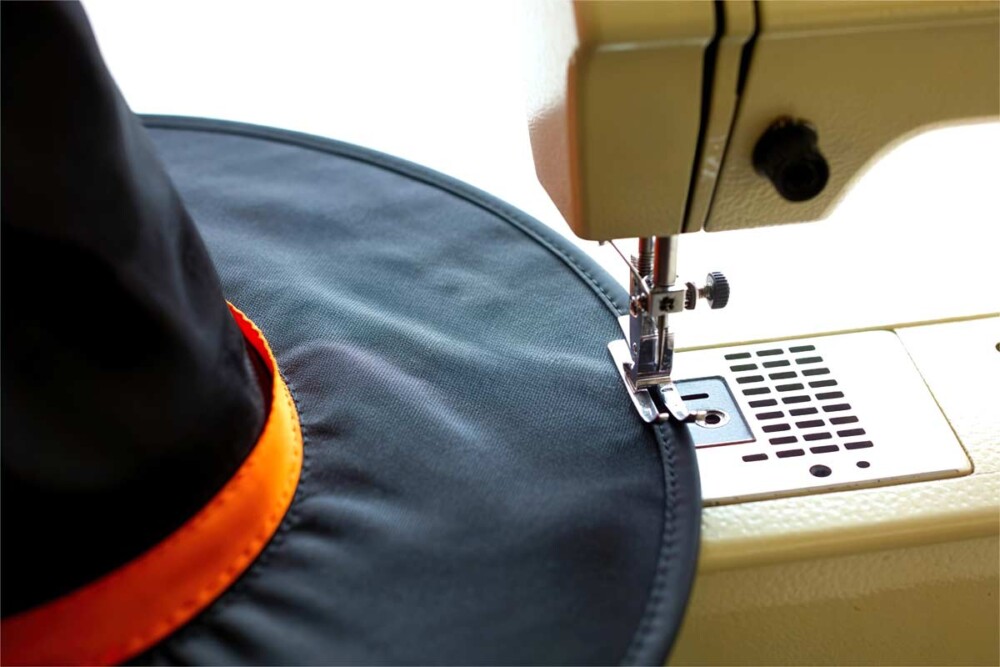
| Fabric | Medium weight | Resistance | Washability | Recommended use |
| Cotton | 120-180 g/m² | Medium | High | Costumes, light decorations |
| Velvet / panné | 250-350 g/m² | High | Medium | Scenography, elegant clothing |
| Jersey | 180-220 g/m² | Medium | High | Clothing, elastic accessories |
| Felt | 200-400 g/m² | High | Low | Masks, silhouettes, rigid decorations |
| Synthetic blends | 150-250 g/m² | Very high | High | Installations in public spaces |
| Glitter / paillettes | 150-200 g/m² | Medium | Medium | Decorative details, stage costumes |
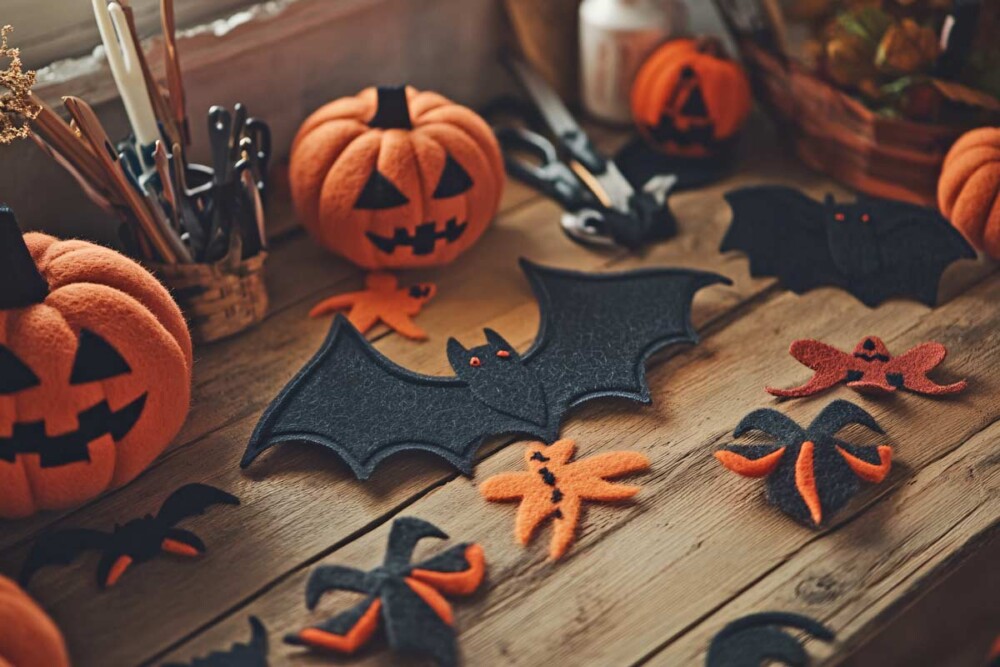
The success of the settings comes from the choice of the color palette and decorative motifs. The Halloween colors of the fabrics and the most requested patterns are immediately recognizable by the public.
Black and orange remain the absolute protagonists, flanked by intense purple, acid green and metallic shades such as gold and silver. These combinations are essential to convey the mood of the anniversary.
The most used patterns for DIY Halloween creations include pumpkins, bats, cobwebs, ghosts, skeletons and skulls. In recent years, Gothic and Baroque patterns have been highly appreciated in fashion and theatrical productions, for a more sophisticated effect.
The alternation of opaque and brilliant materials allows you to create plays of light and impactful scenography. A black velvet combined with orange glitter details, for example, is perfect for events and shows.
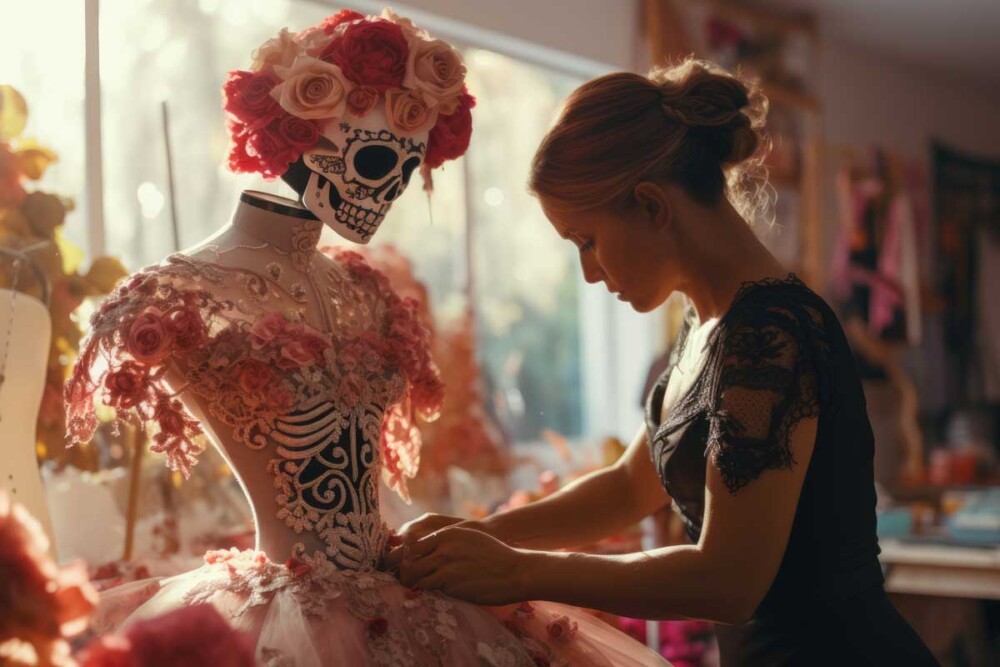
Fabrics are not just raw materials, but creative tools that allow companies to offer original and engaging experiences.
Wholesale Halloween fabrics allow you to easily renew the image of a commercial space. With drapes, backdrops and coverings it is possible to transform a shop window into a powerful visual appeal, attracting new customers.
In theatres, venues and exhibition spaces, fabrics become the protagonists of the sets. The use of velvets, printed fabrics and glitter ensures atmospheric settings, making the event memorable for attendees.
The fashion industry leverages wholesale Halloween fabrics to produce themed dresses, capes, hats and accessories. Designers also reinterpret fabrics in special collections, turning Halloween into an opportunity to express creativity.
Investing in wholesale Halloween fabrics means tapping into a dynamic, high-margin market. Companies that plan ahead, selecting resistant, certified materials enriched with special finishes, can offer distinctive and competitive products. The variety of palettes, patterns and textures makes Halloween-themed fabrics a versatile tool, capable of meeting the needs of fashion, retail and events. Discover our selection of technical and decorative wholesale fabrics for Halloween on the Cimmino shop and request a personalized quote for your business now.
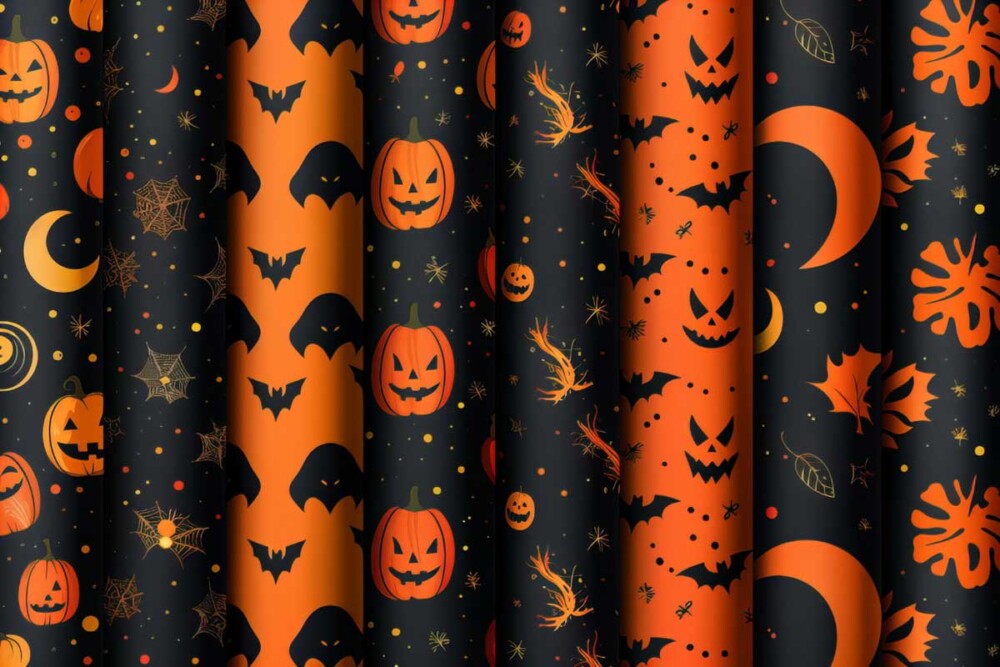
Preparing decorations and accessories for the scariest night of the year is much easier when starting from choosing the right materials. Costume fabrics designed specifically for Halloween are available on Cimmino Shop, combining practicality, quality and creativity.
Cotone Digital Halloween it is a cotton canvas with a soft hand, designed to transform any idea into a concrete project with a strong visual impact. The peculiarity of this fabric lies in the Halloween-themed prints, which allow you to create decorations with a horror atmosphere, imaginative accessories and even clothing with a creative and fun taste.
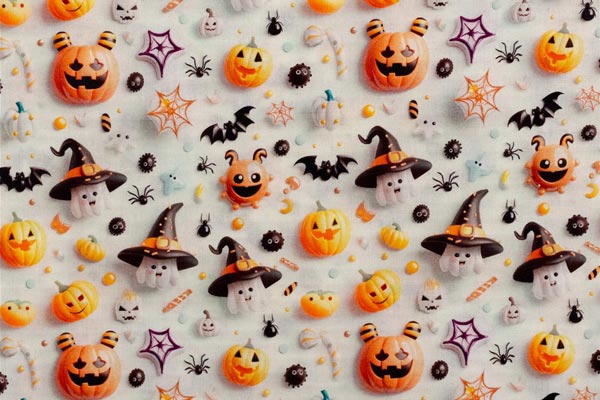
Thanks to the 100% cotton composition and the OEKO-TEX® STANDARD 100 certification, it guarantees safety and comfort even in contact with the skin, making it also suitable for children’s creations. With a height of 150 cm and a weight of 172.5 gr/mtl (equal to 115 gr/m2), it lends itself to multiple uses, combining resistance and versatility. It is therefore the ideal fabric for those looking for a reliable but at the same time aesthetically appealing material, perfect for giving shape to a truly special Halloween.
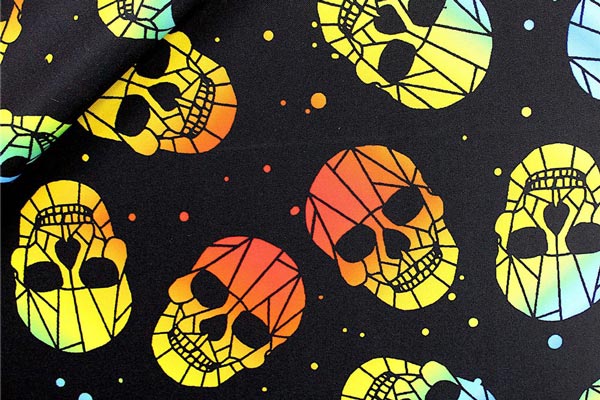
Tessuto Hippye it is a versatile and resistant solution, ideal for those who want to create creative costumes and accessories for occasions such as Carnival and Halloween. It is a 100% polyester material, characterized by a smooth and compact surface that ensures practicality during processing and good durability over time.
Its distinctive strength is represented by the lively and colorful prints, capable of giving originality and liveliness to each creation, making it particularly suitable for those who want to stand out with a unique and scenographic look. With a height of 150 cm, a weight of 270 gr/mtl (equal to 180 gr/m2) and a non-stretch structure, the fabric maintains stability in shape and is easily moldable to make complete dresses, cloaks, skirts or decorative accessories.
Tulle Spider it is a fabric designed for those who want to create scenographic decorations and effective settings for Halloween. Made of 100% polyester, it is light but resistant, with a height of 150 cm and a weight of 98 g/mtl (equal to 65.33 g/m2).
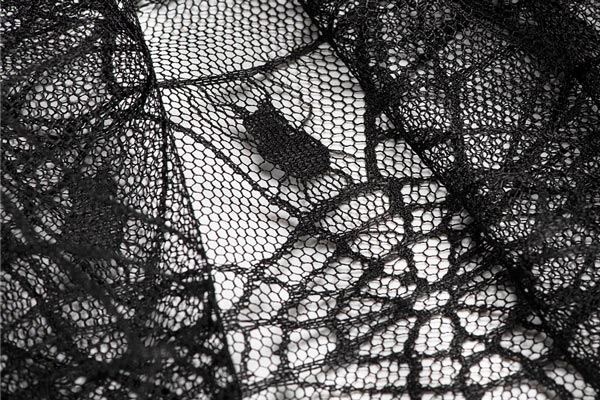
Its peculiarity lies in the decorated texture that recalls cobwebs, perfect for transforming any environment into a space with a mysterious and gothic atmosphere in just a few gestures. Thanks to REACH certification, the fabric guarantees safety standards and compliance with European regulations. The lightness and transparency of the material make it ideal for drapes, table covers, decorative curtains or scenic details that aim to recreate a refined horror mood. It can also be used in the creation of accessories and costumes.
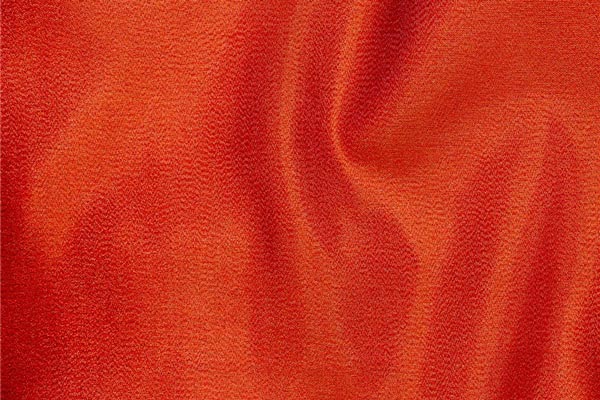
Tessuto Organza Lumina it is a refined and sparkling proposal, ideal for those who want to enrich their creations with a glamorous and festive touch. Made of 80% polyester and 20% polyamide, it stands out for its slightly transparent and luminous surface, made unique by the presence of lurex threads that reflect light creating brilliant and evocative effects.
With a height of 145 cm and a weight of 87 gr/mtl (equal to 60 gr/m2), it is a lightweight, non-stretch fabric that falls into the Chiffon, Georgette & Organza. Its versatility makes it perfect for creating Christmas decorations, party decorations, elegant bows, garlands and accessories capable of transforming any environment into a space full of magic and re
Wholesale Halloween fabrics can be found at specialized B2B e-commerce sites like Cimmino, which offer plenty of choice and instant availability for retailers and businesses.
Cotton, velvet, felt and fireproof synthetic fabrics are among the most used, together with glittery fabrics and sequins for scenic effects.
Wholesale purchasing ensures competitive pricing, consistent availability and higher margins for retailers and industry professionals.
For setups in public spaces and premises it is recommended to use certified fireproof fabrics, which guarantee safety and regulatory compliance.
The iconic colors are black and orange, accompanied by purple, acid green and metallic details such as gold and silver.
Yes, Halloween-themed fabrics are perfect for decorating shops, showrooms and commercial spaces, creating eye-catching seasonal settings.
Prints with pumpkins, bats, cobwebs, skulls and Gothic motifs are among the most sought after for costumes and arrangements.
Optimal planning is between July and September, so you have stocks ready to meet growing demand in October.
Here are all the news for September 2025: Manifattura Foderami Cimmino presents all the products added to the catalog with a particular focus on Halloween fabrics and Christmas fabrics.
(more…)
Texworld Apparel Sourcing Paris is preparing to reopen its doors for the autumn edition from 15 to 17 September 2025, in pavilions 2, 3 and 4 of the Paris-Le-Bourget Exhibition Center. Together with its Avantex and Leatherworld sectors, the event will offer a comprehensive overview for all fashion segments, from ready-to-wear to luxury, confirming itself as one of the most relevant B2B platforms for the international textile supply chain.
After the success of the February edition, the fair proposes the same exhibition layout, with a participation forecast that varies between 1,200 and 1,300 exhibitors. The choice of September dates responds to the need to better align with the calendars of European buyers, making sourcing even more effective. Confirmations from China, India, Turkey, South Korea, Taiwan and Hong Kong highlight Europe’s central role in a global context marked by trade uncertainties. Also significant is the presence of emerging producers from Central and Eastern Europe, including Armenia, Kyrgyzstan and Ukraine.
The event will be organized by thematic “universes”: Avantex, trend forums, conferences and service areas will focus in Pavilion 2, with a particular focus on women’s clothing and activewear. Pavilion 4 will host Leatherworld next to the Denim area, strengthening the link between raw material and finished product. Also worth mentioning is the area “Initiatives by Texworld”, at the entrance to Pavilion 4, where countries such as Turkey and India will showcase their textile and artisanal excellence.
The heart of innovation will be Avantex, the area dedicated to technologies and services for a more transparent and sustainable fashion industry. Among the most anticipated initiatives, the presentation of the results of the European Herewear project, which promotes the production of organic and local fabrics, and a rich program of conferences, workshops and round tables. There will be the Avantex Fashion Pitch, now in its eighth edition, which will see young talents compete in front of an international jury made up of fashion, technology and investment experts. Manifattura Foderami Cimmino will also be present in Hall 3 – Stand F355.
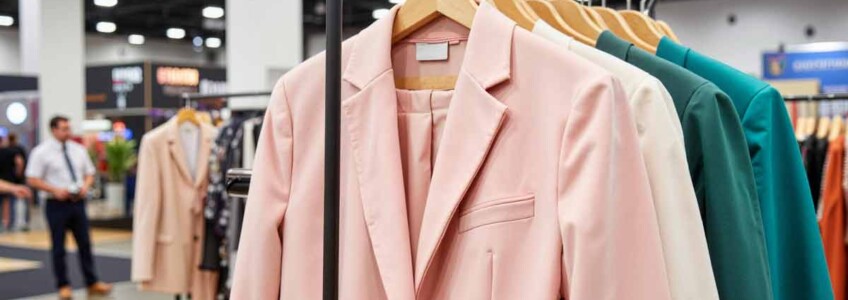
One of the most important textile events in Europe is back: the main edition of Munich Fabric Start will take place on 2 and 3 September 2025 at the MOC in Munich. The event, attended by thousands of professionals in the sector, will offer a complete overview of the textile and accessories collections for Autumn/Winter 2026-2027, involving more than one thousand exhibitors from all over the world.
The event will take place in several specialist exhibition areas, including FABRICS, ADDITIONALS, ReSOURCE, BLUEZONE, KEYHOUSE and THE SOURCE. These are accompanied by a special focus on the theme of sustainability, with the ReSOURCE section dedicated to innovative materials such as natural fibers, recycled and bioplastics, as well as solutions for traceability and responsible production. The aim is to promote a transparent and circular textile supply chain.
A significant novelty of the September edition is the total integration of BLUEZONE and KEYHOUSE within the main event. The first is dedicated to the world of denim and its evolutions, while the second explores the frontiers of textile innovation, from digital technologies to sustainable applications. The union of these spaces strengthens the integrated approach of the fair, offering a complete vision of the transformations taking place in the fashion-tech world.
In addition to the exhibition, there is a rich programme of talks, workshops and conferences on strategic topics for the sector: from new European regulations to artificial intelligence applied to fashion, to analysis of trends and new generations of materials. The meeting between creativity, technology and sustainability will be at the centre of every discussion.
Munich Fabric Start thus confirms itself as an international platform of excellence for the textile sector, able to anticipate trends, foster connections and guide the industry towards increasingly innovative and responsible production models. The September meeting represents a key opportunity for those who work in the fashion world and want to look at the future of textiles with concreteness and vision. Also Manifattura Foderami Cimmino will be present, at HALL 4 STAND E07.
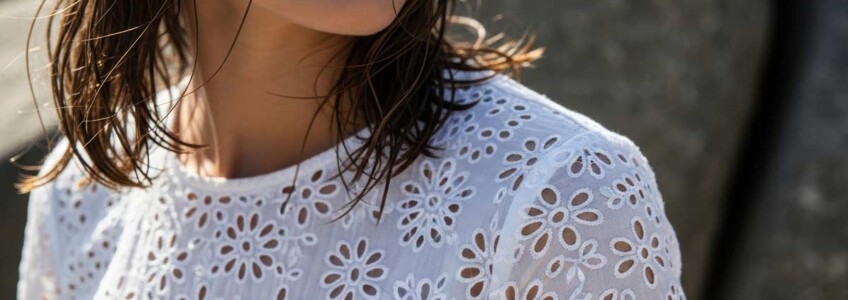
The lace San Gallo is much more than an aesthetic detail: it is a decorative fabric of high quality, versatile and functional, widely used by tailors, decorators, upholsterers and companies in fashion and home decor. It combines craftsmanship and industrial precision, offering elegant solutions for tailor-made clothing, summer collections, shabby chic furnishings and refined decorations.
This in-depth guide, designed for a professional audience, analyzes the technical characteristics, the main areas of use and the advantages of buying Pizzo San Gallo from specialized suppliers such as Manifattura Foderami Cimmino, reference B2B e-commerce in the textile sector.
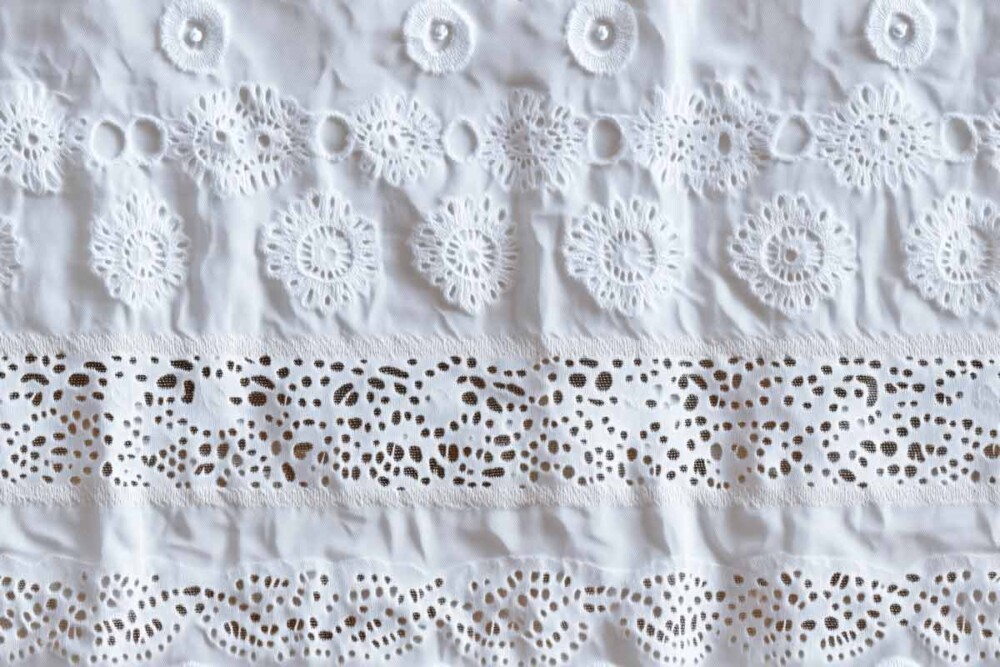
St Gallen lace is a type of embroidered fabric made with the technique of broderie anglaise, recognizable by its perforated, precise and harmonious patterns. It is applied on cotton or linen blend bases, and meets aesthetic and functional requirements ideal for summer clothes and furnishing accessories.
Born in the Swiss region of St Gallen at the end of the 19th century, this lace has gained international fame over time. Its strengths include:
Available in different weights and heights, it is suitable for both fashion collections and home textile projects.
The modern processing of St Gallen lace uses computerized machines to ensure uniformity, precision and stylistic variety. Current versions include:
This makes St Gallen lace one of the most demanded fabrics for clothing and furniture in tailoring workshops and textile design departments.
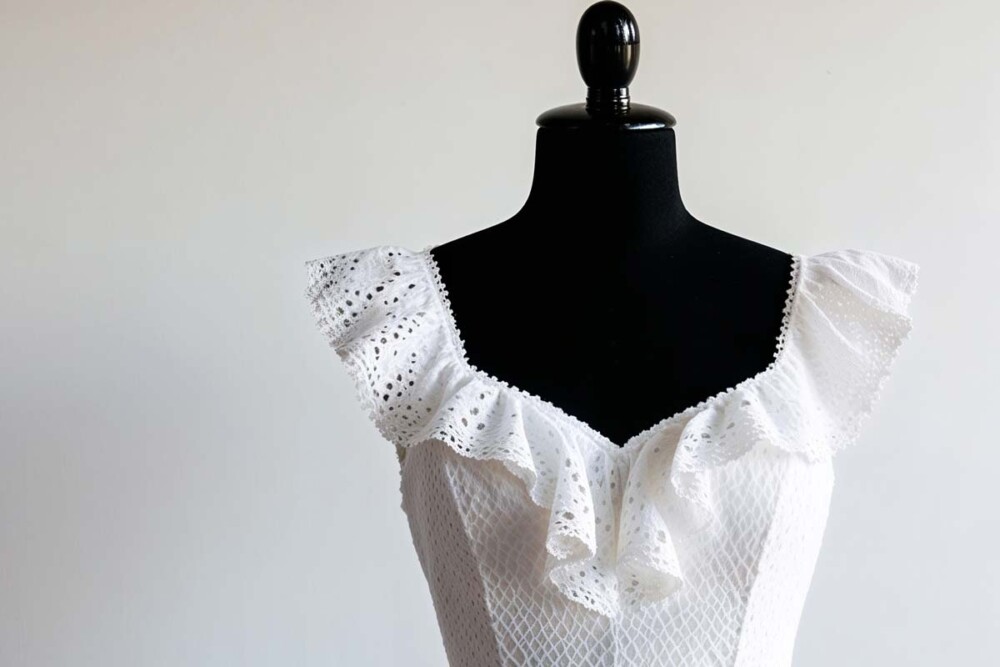
The fashion industry has been using St Gallen lace for decades for fresh, refined and durable clothing. Its versatility makes it perfect for total applications or fine tailoring details.
St. Gallen lace is an ideal choice for making lightweight, breathable summer garments. Some of the most common applications include:
The fabric ensures comfort and aesthetic appeal, without compromising functionality.
Even in the most understated tailor-made packaging, the St. Gallen lace finds space as a refined detail:
These applications allow you to enhance basic garments with a distinctive handcrafted touch.
St Gallen lace is widely used in the fashion ceremony and clothing for girls, thanks to its aesthetic delicacy and safety certifications. It is perfect for:
The variety of colors and patterns allows you to create unique tailor-made garments.
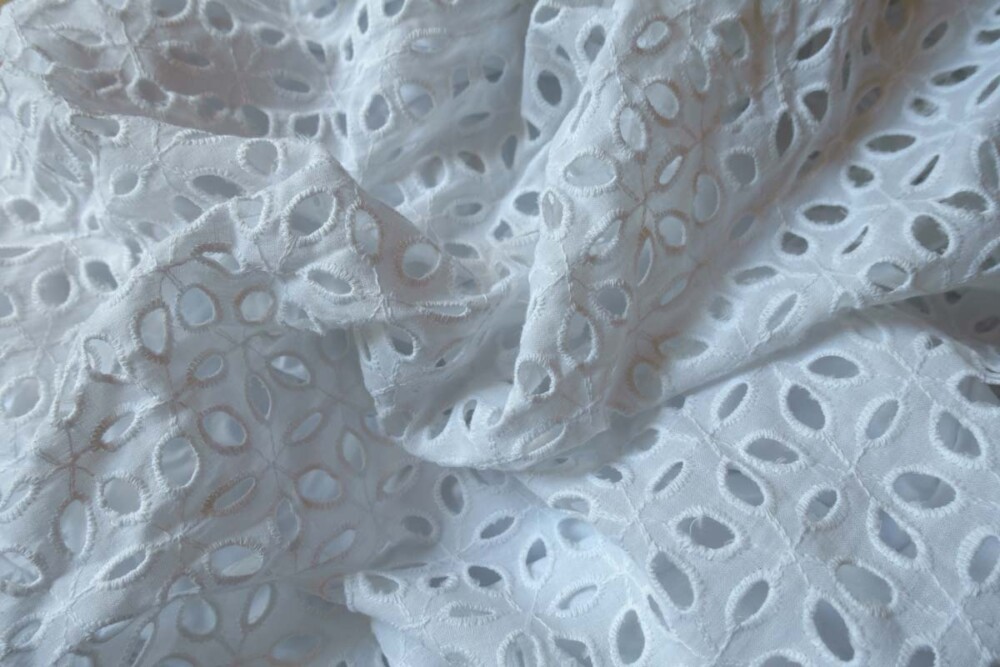
St Gallen lace is also appreciated in the world of interior design, where it is used to add a touch of natural elegance and craftsmanship to textile complements and decorative finishes.
It is widely used in the St Gallen lace for modern light curtains, decorative cushions and kitchen or living room tablecloths. Some examples:
The visual rendering is delicate and refined, perfect for bright and welcoming environments.
St Gallen lace is the protagonist of shabby chic and country provencal styles, in which it is used for:
It integrates well with natural materials such as pickled wood, flax and jute.
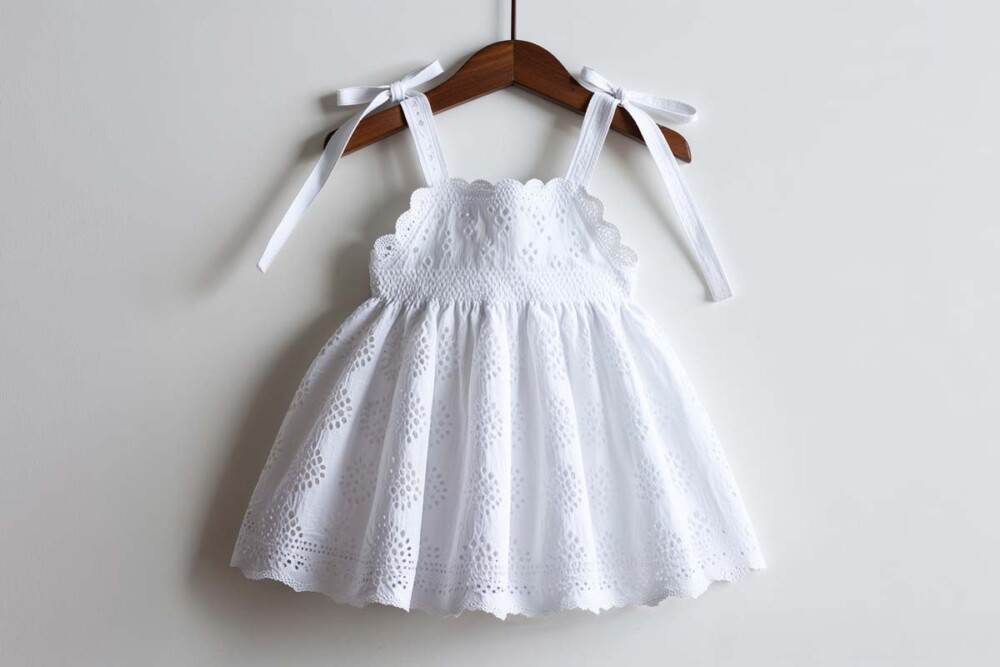
Here is a table of professional combinations useful for interior designers and upholsterers:
| Complementary tissue | Visual effect | Suggested scope of use |
| Raw linen | Natural elegance | Curtains, cushions, runners |
| Panama cotton | Robust and refined | Tablecloths, seat covers |
| Floral jacquard | Romantic and coordinated | Bedspreads, curtains, headboards |
| Tulle or organza | Slight overlaps | Double curtains, bed covers |
Buying St Gallen lace in a professional way means selecting reliable, certified products that are also available in large quantities. Here’s how to do it online with awareness.
For those who buy online, it is essential to evaluate:
Among the top proposals available on CimminoShop, the Pizzo San Gallo Extra represents a high quality technical and stylistic choice. It is a 100% cotton fabric, with a height of 140 cm and a grammage of 93 g/ m2 (equal to 130 g/ MTL), designed for the creation of women’s clothing, home linen, decorations and tailoring projects for children.
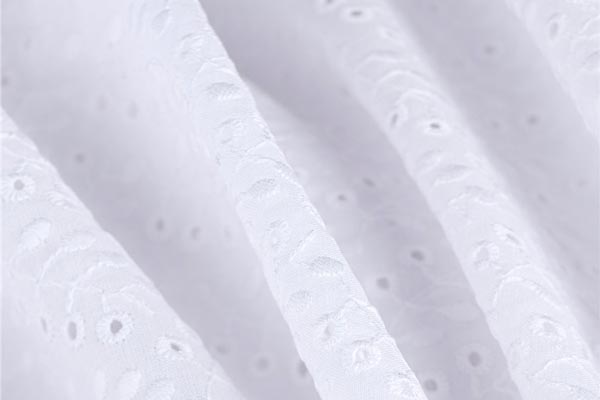
Certified OEKO-TEX® Standard 100, it is sold in 50 meter rolls or 13 meter cuts, offering flexibility for craft and industrial productions. Its elegant perforated design and natural composition make it particularly suitable for uses that require aesthetics, safety and comfort.
Choosing suppliers such as Manifattura Foderami Cimmino guarantees:
The lace San Gallo stands out as a refined, technical and functional fabric, ideal for both sartorial fashion and custom-made furniture. Its versatility makes it a strategic choice for tailors, upholsterers, designers and buyers looking for high quality materials.
Relying on a specialized e-commerce such as Manifattura Foderami Cimmino allows you to access a wide and updated range, with a service oriented to the needs of professionals.
Discover the complete selection of fabrics and lace on Cimmino’s online shop and make each project unique, elegant and durable.
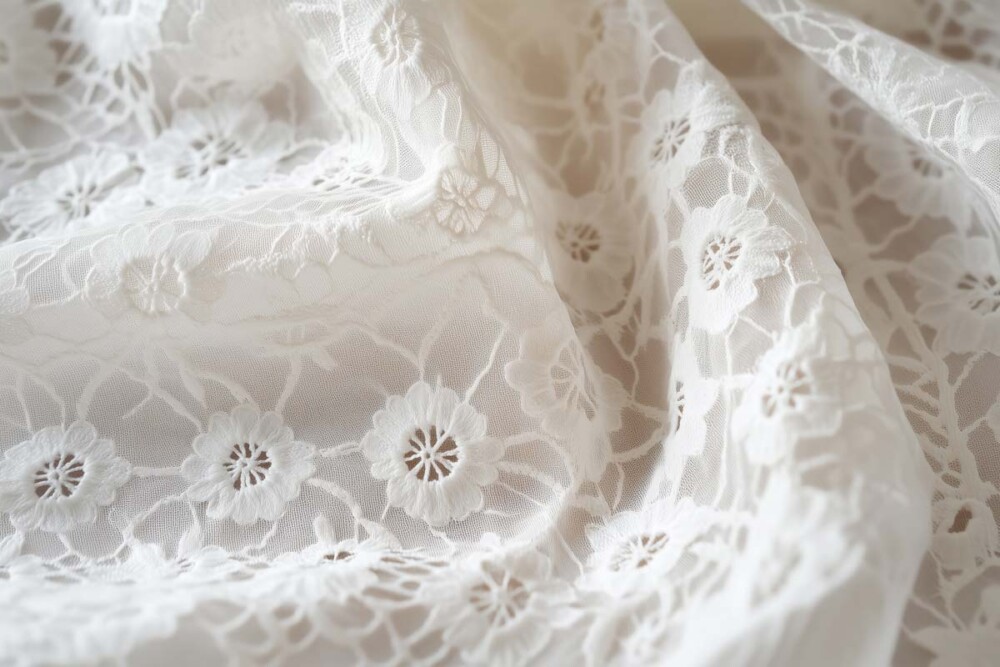
St Gallen lace is an embroidered fabric made with the technique of the broderie anglaise, characterized by openwork patterns on cotton or linen bases. Born in the Swiss region of St Gallen, known for its high-quality textile tradition.
St Gallen lace is used for summer clothing (dresses, blouses, skirts), formal wear, girls’ fashion and household linen. It is also very popular for curtains, cushions and furnishing accessories in shabby chic or country style.
St Gallen lace is ideal for furnishing thanks to its natural elegance, breathability and the possibility of combining it easily with other fabrics. It is perfect for curtains, tablecloths, bedspreads and decorative accessories.
You can buy St Gallen lace by the meter on specialized sites such as cimminoshop.com, which offers certified variants. Ideal for professional and tailoring supplies.
Unlike lighter and decorative lace, the St Gallen lace has a more textured base, is often made of natural cotton and has regular embroidered holes, making it more versatile for both clothing and furniture.
Yes, today the St Gallen lace is also available in elastic versions, colored or with contemporary geometric patterns, in addition to the classic white St Gallen lace. This extends its use in fashion and design.
The most suitable fabrics to combine with Saint Gallen lace are raw linen, panama cotton, floral jacquard and organza. These combinations enhance the romantic, country or minimal style of the decorative or tailoring project.
