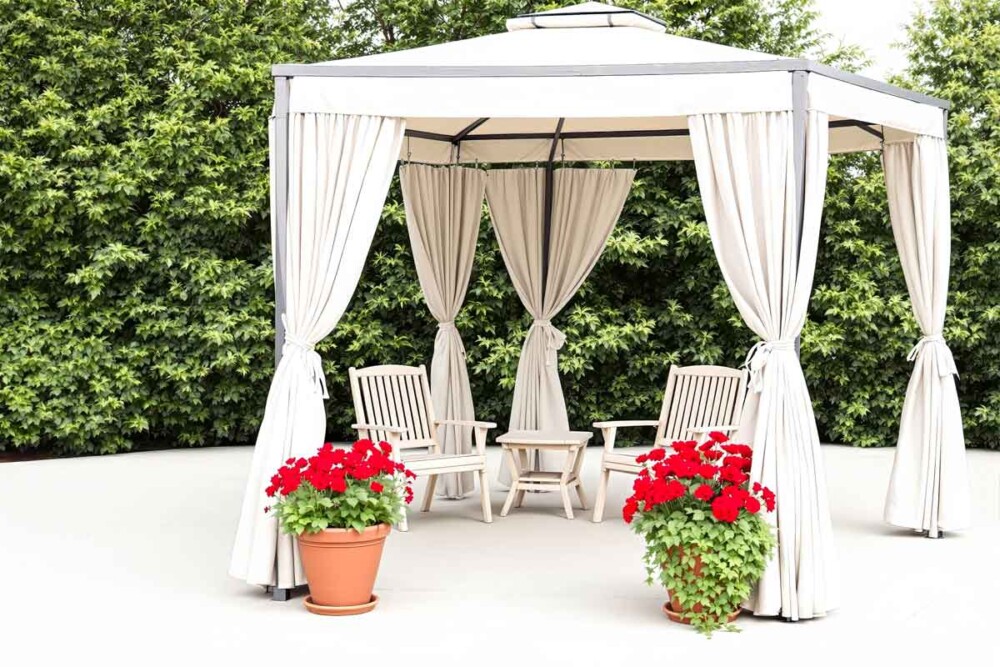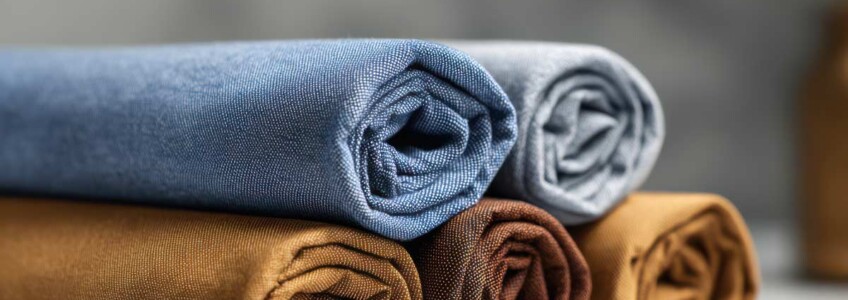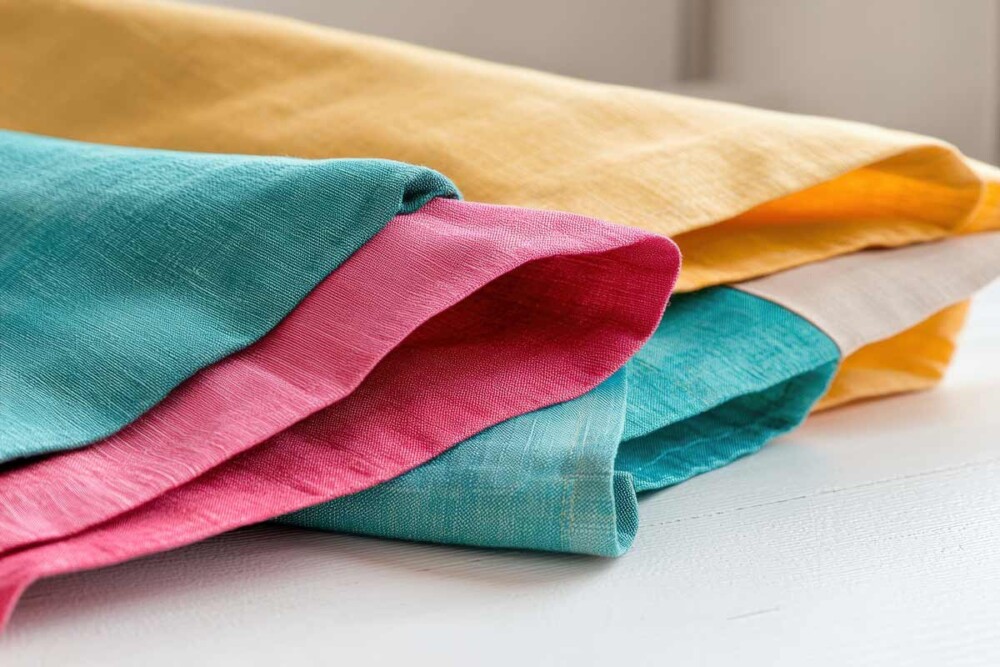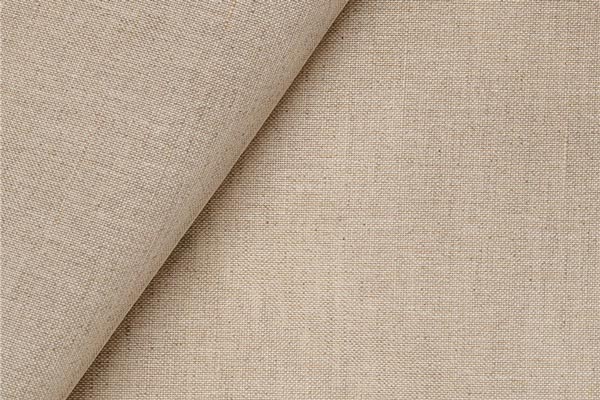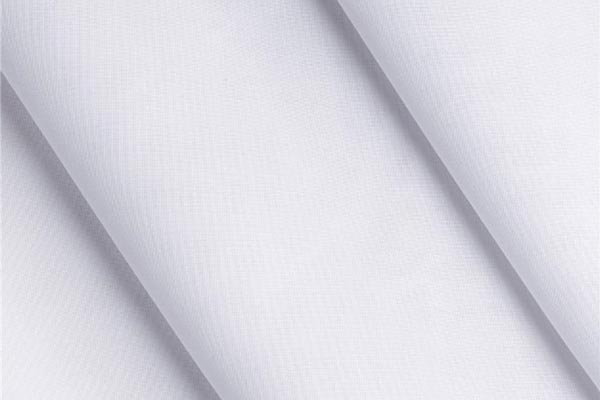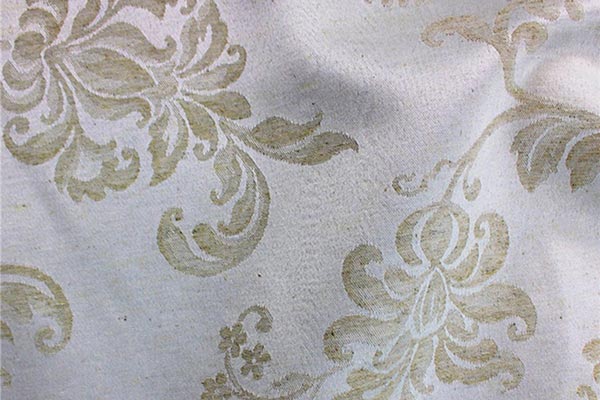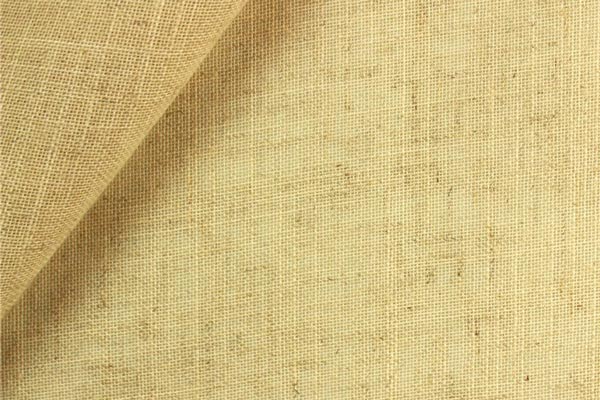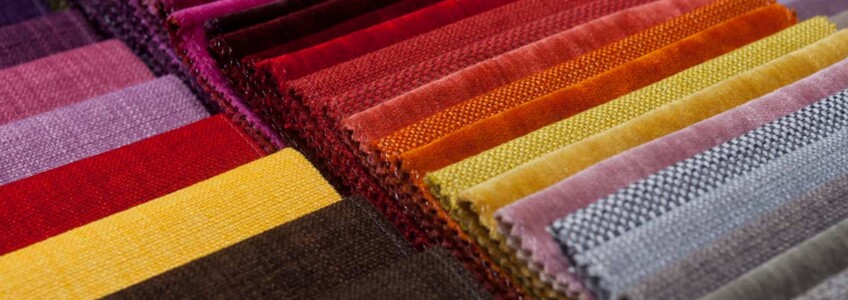
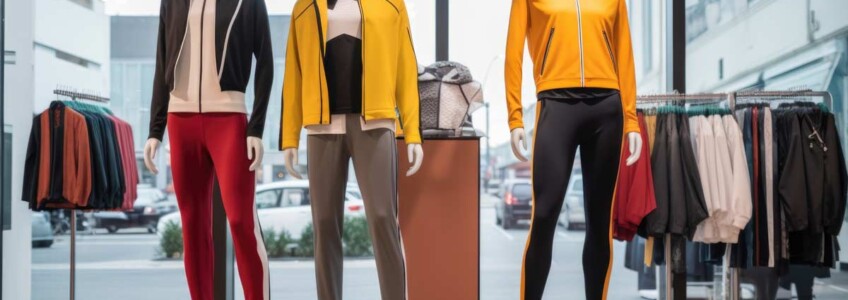
Here are all the news of May 2025: Manifattura Foderami Cimmino presents all the products added to the catalog of fabrics and materials.
(more…)Milano Unica | 8,9 and 10 July 2025-Fiera Milano (Rho)
On 8, 9 and 10 July 2025 at Fiera Milano Rho the reference event for high-end textiles is back with Milano Unica.
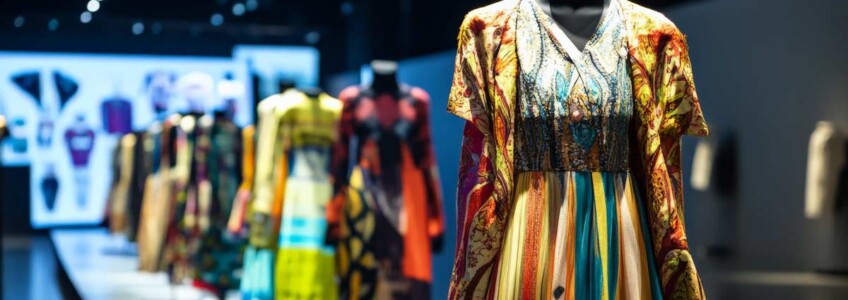
Return to Milan the essential appointment for the world of textiles and high-end accessories. The 41st edition of Milano Unica will be held from 8 to 10 July 2025 in halls 1-3 and 2-4 of Fiera Milano Rho, easily accessible by metro (line M1). Three days – Tuesday and Wednesday from 9.00 to 18.30, Thursday until 17.00 – to discover in advance the Autumn/Winter 2026-27 collections, which this year revolve around the “Performing MU” concept.
Performing MU: fashion as a performative act
The proposals presented at Milano Unica 41 are inspired by Performing MU, the theme developed by the Style Commission of the event: an investigation into the relationship between body, space and art that redefines fashion as a living, interactive and fluid language. At the center, the concept of “performance”, understood both as a creative act – the artistic “making” – and as functionality and response to the changes taking place in the fashion sector.
This vision translates into innovative materials, cutting-edge accessories and hybrid inspirations, where textile design dialogues with the languages of movement, Cosmos and performing arts. The objective is to propose collections capable of connecting with new aesthetic and sensory needs, bringing fashion towards an experiential and shared dimension.
The three key themes: Space, Bodies, Arts
The creative proposal for A/I 2026-27 is based on three thematic strands:
Performing Space: explores the relationship between fabric and space, with materials that adapt and transform themselves, like real mobile architectural elements.
Performing Bodies: puts the body at the center of textile research, with structures that accompany and enhance movement.
Performing Arts: fuses fashion and performative languages, giving life to fabrics that become stages of visual and tactile expression.
Milano Unica thus confirms itself not only as an industry fair, but a real creative laboratory for the future of fashion. Also Manifattura Foderami Cimmino will be present at the HALL 3 STAND L13.
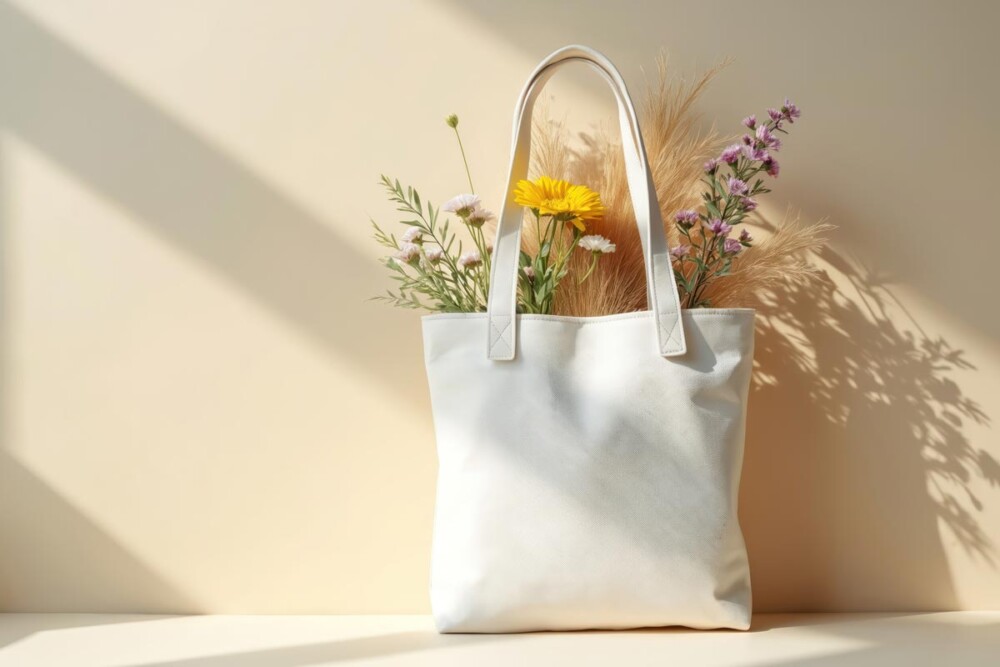
Do-it-yourself canvas bag: complete guide, materials, tutorials and creative ideas
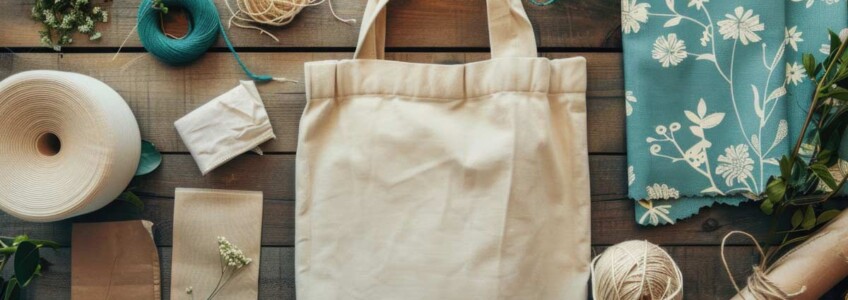
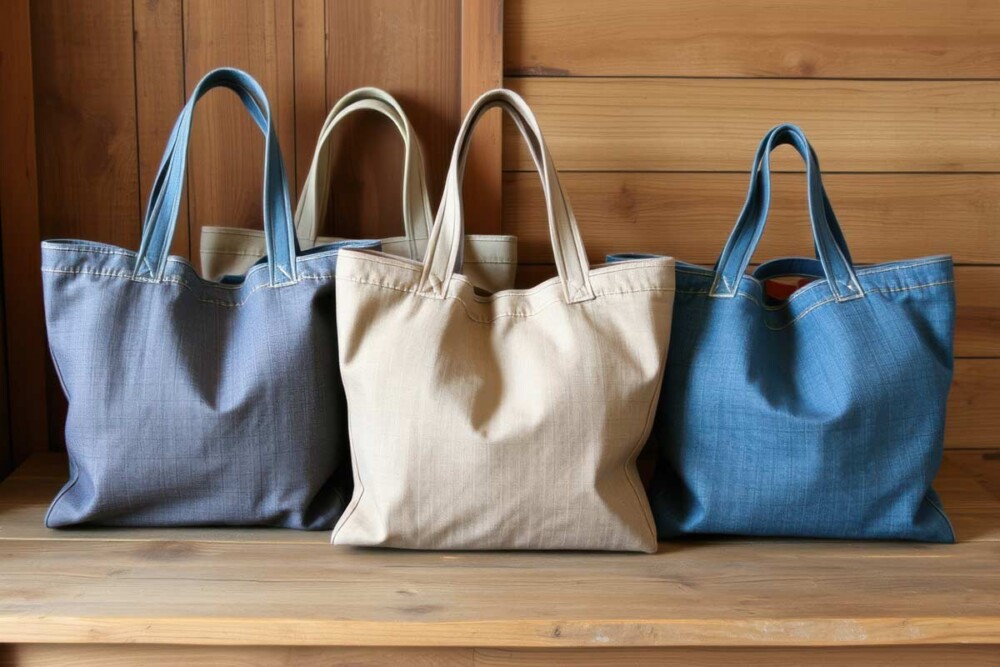
The DIY canvas bag is the ideal project for those looking for a practical, sustainable and customizable accessory. Making it at home allows you to choose the materials, add creative details and get a unique result, perfect for personal use or as an original gift. In this complete guide you will discover everything you need to create a DIY canvas bag, from the type of fabric to buy online to the step by step tutorial, up to the best ideas for decorating it.
Why make a canvas bag do-it-yourself: advantages and ideas
The DIY canvas bag is not only a creative project, but also a conscious choice. More and more people are approaching sewing precisely to create personalized accessories, sustainable and cheap. Let’s see together why it is worth trying.
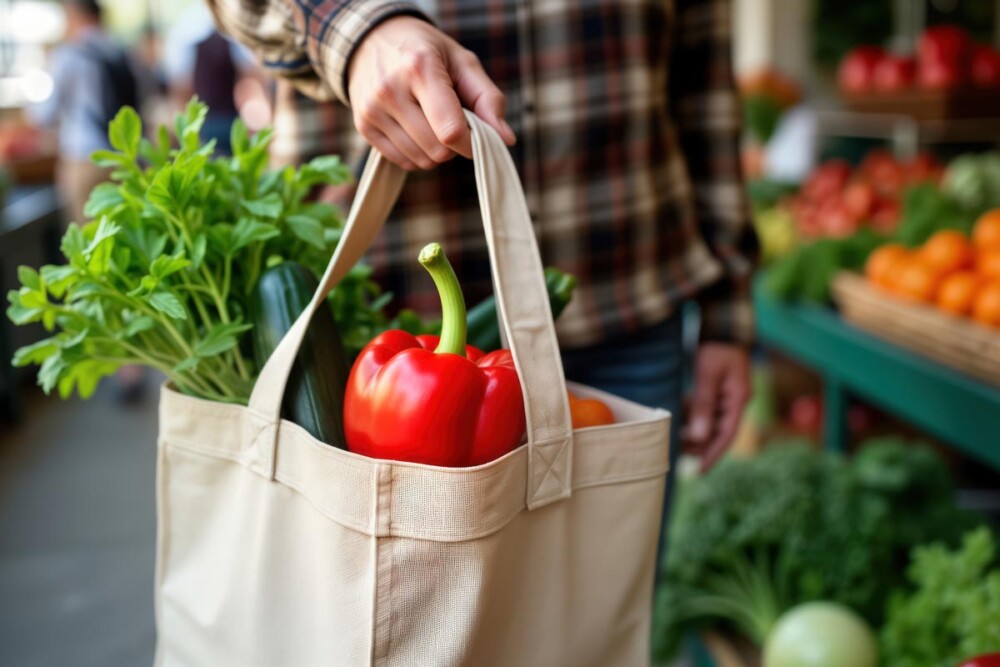
- Sustainability: A canvas bag reduces the use of plastic and disposable paper and is a typical example of sustainable packaging.
- Customization: you can adapt it to your needs, from colors to sizes.
- Savings: few materials and a low cost for a durable object.
Materials for DIY canvas bag: what you really need
Before you start, it is essential to have everything you need. The materials chosen influence not only the final appearance, but also the strength and functionality of the bag.
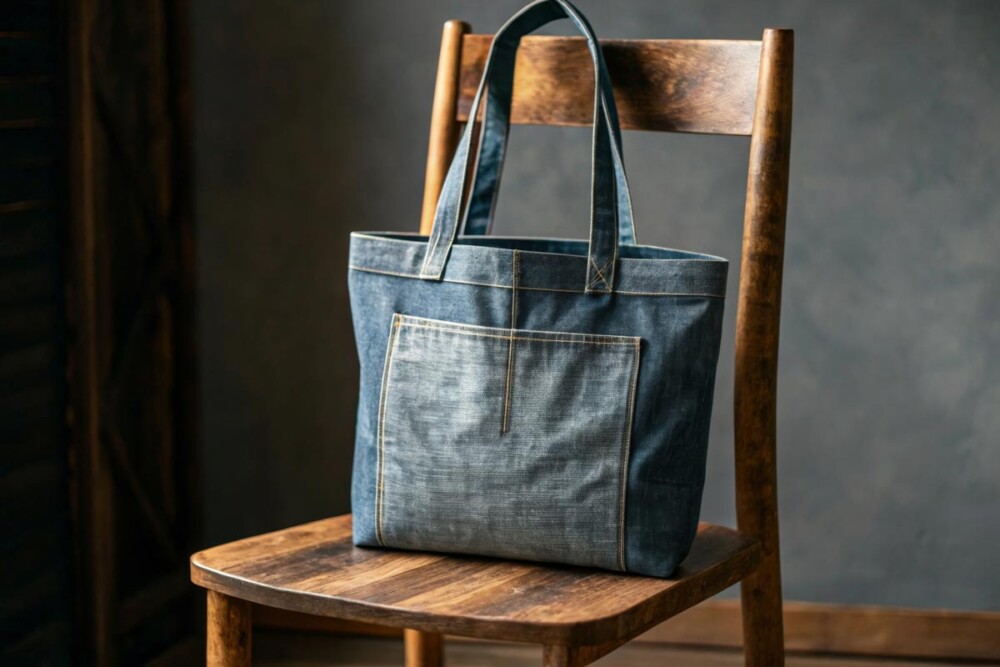
- Main fabric: canvas, jeans, linen or jute.
- Inner lining (optional): light cotton or canvas.
- Handles: made of the same fabric or with ribbons and straps.
- Extra accessories: hinges, magnetic buttons, labels.
- Tools: sewing machine, scissors, meter, thread in color, pins.
On CimminoShop you can find a wide range of fabrics and accessories for hobby & handcraft ideal for this project.

How to choose the fabric for a durable canvas bag
The choice of fabric is a crucial step: it affects the durability, aesthetic appearance and practicality of the bag. Here are the main types of fabric recommended and their advantages.
- Cotton canvas: durable and easy to work, perfect for shopper bags. Discover Tela Cotone Sorrento!
- Jeans: ideal for a casual and modern style. Discover the tessuto Jeans Phoenix 8 Oz!
- Linen and jute: excellent for a rustic and natural effect. Discover the 2001 Lino Tela Dolce CM 70 and Tela Juta Stampata!
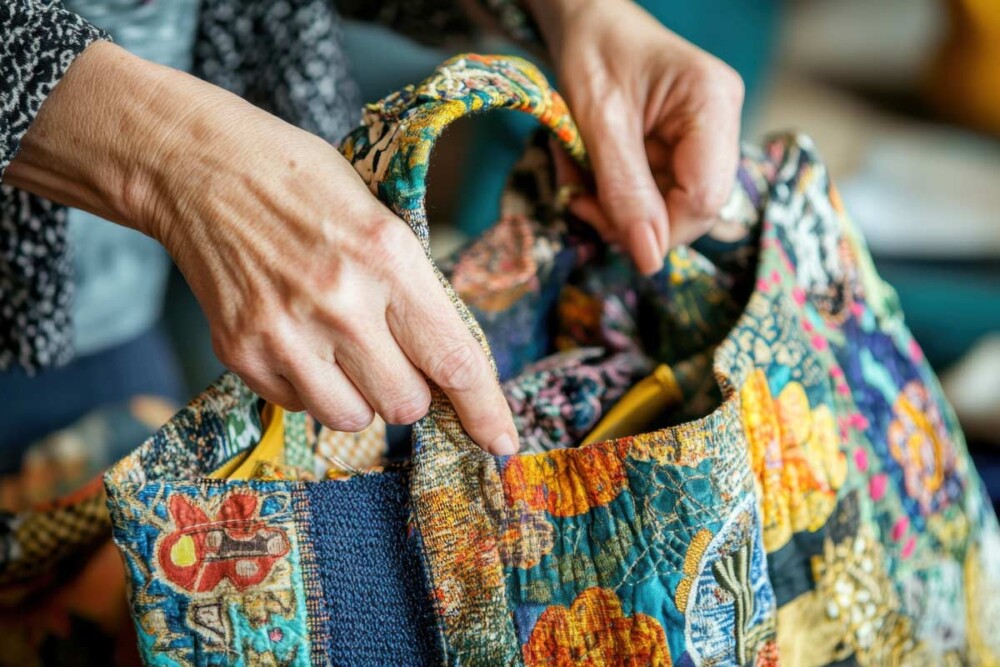
- Patterned cotton: lightweight, ideal for lining or decorative details. Discover tessuto Cotone Digital Art!
Remember to choose fabrics that are washable and not too elastic to ensure a lasting result.

How to sew a DIY canvas bag: simple tutorial
Even if you don’t have much experience with needle and thread, making a canvas bag is easier than you think. I’ll show you how to do it in 5 clear and quick steps.
1. Prepare the pattern paper and cut the fabric
Cut out two rectangles of 40 45 cm for the outside and another two for the lining. For a flat bottom, cut out two squares of 5 5 cm at the lower corners.
2. Sew the sides and bottom of bag
Join the main rectangles, straight against straight, sewing the sides and bottom. Repeat with the lining.
3. Make the base of the canvas bag
Open the bottom corners and sew along the diagonal to give depth and volume.
4. How to prepare the bag handles
You can use two strips of fabric (50 6 cm) folded and sewn or ready handles. Fix them about 10 cm from the upper edges, stopping them with a few stitches.
5. How to mount the liner in the canvas bag
Insert the lining into the bag (straight against straight) and sew the top edge, leaving an opening. Turn the bag, stretch well and close the opening with invisible seam.

Tips for sewing a perfect canvas bag
A successful project depends not only on sewing, but also on some practical arrangements. Here are the tips to achieve a professional result, even if you’re new to it.
- Always iron the seams for a neat look.
- Reinforce the handles with X-stitching to prevent tearing.
- Choose durable wire, preferably polyester.
- Make tests on waste fabrics to gain confidence.

How to customize your DIY canvas bag
Customization is the real strength of DIY. Once you’ve sewn your bag, you can unleash your creativity with these ideas.
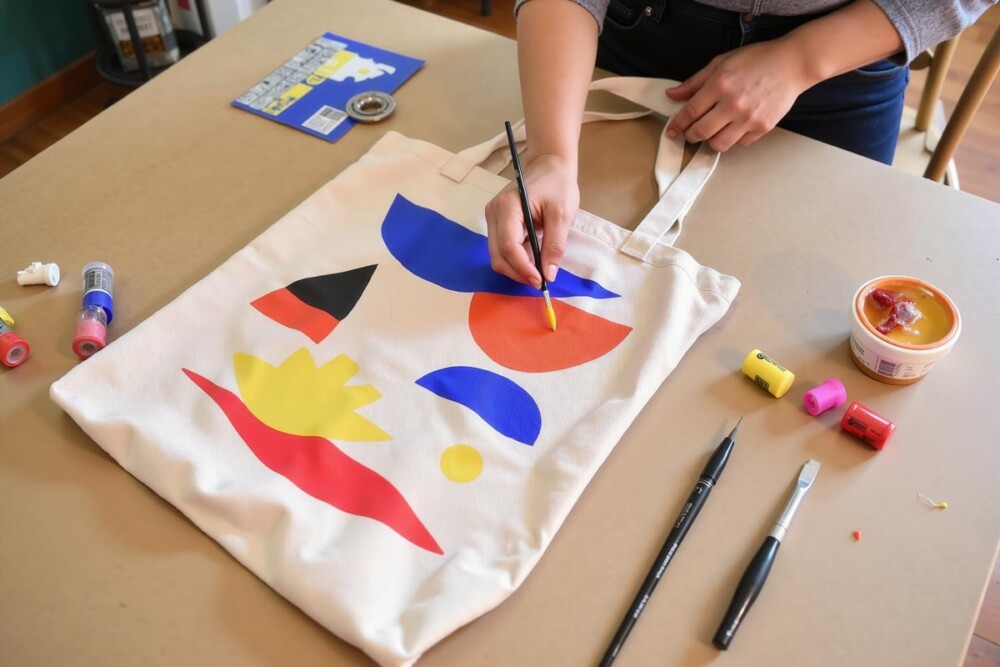
- Stencil and painting on cloth for original decorations.
- Embroidery by hand or machine for unique motifs.
- Patches and applications for a modern style.
- Additional pockets for extra functionality.
- Boho details like tassels, fringes or beads.

Where to buy fabrics and materials for DIY bags
To buy canvas fabrics, fancy cotton, linen, jute and accessories for bags, you can rely on CimminoShop, an Italian e-commerce specialized in creative sewing fabrics and hobbies. Here you will find inspiration and quality materials to bring your projects to life.

FAQ Do-it-yourself canvas bag: useful questions and answers
For a medium-sized shopper, about 60 cm of outer fabric and 60 cm of lining are enough, calculated on a standard height of 140 cm. If you want to add pockets or details, consider at least 70-80 cm.
Cotton canvas is the best choice for strength and ease of sewing. Alternatively, you can use recycled jeans, raw linen or jute for a natural style.
Yes, you can sew it by hand, but it takes more time and patience. For a more robust and precise result, especially on the seams of the handles, the sewing machine is recommended.
To secure the handles, sew an X inside the square of attachment and use durable polyester thread. You can also double the seams for added safety.
Gentle washing at 30° in the washing machine or by hand is recommended. Avoid the dryer to not spoil fabric and seams. Before washing, remove any leather or metal inserts.
You can personalize it with embroidery, applications, patches, stencil, painting on cloth or adding pockets and decorative buttons. The choice of fancy fabrics also helps to create a unique piece.
Definitive guide to cotton poplin fabric: what it is, how to use it and why choose it
The cotton poplin fabric is known for its unique combination of lightness, strength and finesse. It is one of the most popular choices among tailors, designers and sewing enthusiasts to create high-quality garments and household items. Cimmino, a reference point in the wholesale textiles sector, guides you to discover the cotton poplin fabric to choose the most suitable for your projects.
What is cotton poplin fabric and how to recognize it
Poplin is a fabric made with thinner threads in the weft and thicker in the warp, with a very dense weaving. This type of structure produces a compact, smooth, non-glossy material with a cool and dry touch. The 100% cotton poplin is breathable, durable, easy to work and pleasant to wear.

Origin of poplin fabric: history and curiosities
Popeline was born in the 14th century in Avignon, France, and takes its name from the term “papaline”, referring to the papacy. It was originally a silk-wool blend reserved for the nobles. Over time it has been reinterpreted in cotton, becoming a must of men’s shirts and women’s tailoring, appreciated for its elegant appearance and ease of maintenance.
Features of cotton poplin fabric
Among the main characteristics of this fabric are: high breathability, compact hand, uniform surface, good resistance to wear and easy ironing. The average weight (between 90 and 130 g/m 2) makes it versatile for both summer dresses and formal shirts. It is not elastic, but there are stretch versions with minimal percentages of elastane.
| Feature | Detail |
| Composition | 100% cotton (or mixed) |
| Texture | Thick, regular, canvas |
| Weight | 90–130 g/m² |
| Touch | Smooth, compact, dry |
| Breathability | High |
| Easy washing | Excellent |
What types of cotton poplin exist?
There are several variations of poplin, each with specific characteristics.
- Classic poplin: ideal fabric for shirts, dresses and underwear. It is available in solid color, stripes or micro-patterns.
- Stretch poplin: contains a small amount of elastane, suitable for slim fit or comfortable garments.
- Printed poplin: decorated with graphic, floral or themed patterns, perfect for creative sewing.
Each of these types retains the typical qualities of poplin, but adapts to different aesthetic and functional needs.

Uses of cotton poplin: clothing, home and creative sewing
Poplin is an extremely versatile fabric, used in tailoring, fashion and accessories.
- Among the fabrics for clothing, poplin is chosen to make elegant and casual shirts, light trousers, skirts, dresses and uniforms.
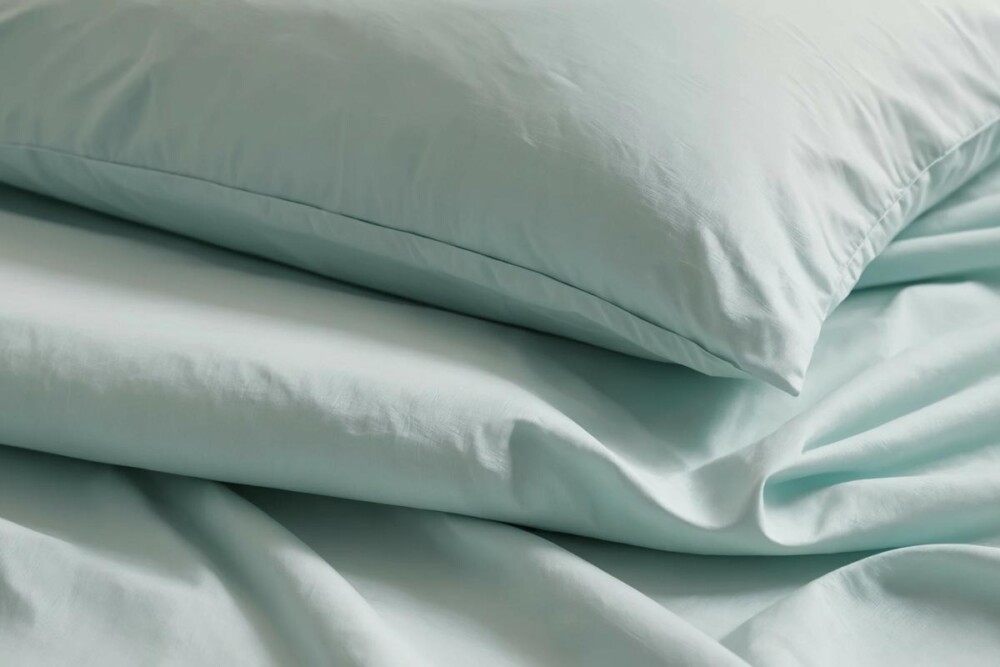
- Among home textiles, it is used for pillowcases, light sheets, duvet covers and decorative pillows.
- In the hobby & handcraft sector, it is perfect for craft projects such as masks, cases, aprons, cloth dolls, patchwork and decorations.
How to choose a quality cotton poplin fabric
When you buy a fabric like poplin online, it is essential to know how to evaluate its quality even without touching it.
- Grammage: a grammage between 100 and 130 g/m2 is synonymous with good structure.
- Composition: prefer 100% cotton poplin if you want breathability and naturalness.
- Appearance: must be compact, non-transparent and smooth to the touch.
- Price: beware of too cheap fabrics, which often hide low yarn quality.

Best Cotton Poplin fabrics on Cimmino Shop
If you are looking for high quality cotton poplin fabrics for your tailored shirt projects, CimminoShop.com offers a wide range of options. Below is a selection of the best fabrics available, each with unique features that make them ideal for different applications.
Camiceria Popeline Egitto Sanfor
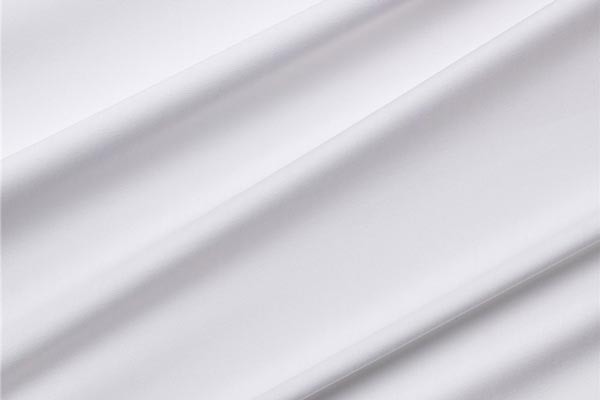
Camiceria Popeline Egitto Sanfor is a 100% cotton poplin fabric designed for those who want to make high quality garments. Thanks to the sanforized processing, the fabric undergoes a treatment that drastically reduces shrinkage after washing, maintaining the fit of the garments over time and improving their durability.

With a weight of 121 g/m2 and a width of 150 cm, it is perfect for making fresh, breathable and durable shirts, ideal for every season, especially spring and summer. The medium weight makes it suitable for more structured tailoring. Available in a wide range of colours-white, black, light blue, pink and several neutral tones-offers great versatility for both professional use and creative sewing. It is the ideal choice for handmade shirts, fashion workshops or private individuals looking for a compact fabric, elegant and durable.
Camiceria Popeline Banbury

Camiceria Popeline Banbury is a 100% cotton fabric designed for the manufacture of men’s and women’s shirts, but its versatility makes it also suitable for many other tailoring applications. Produced with very high quality yarns, this poplin is a yarn dyed, which means that the threads are colored before weaving, for greater solidity of colors and a deeper visual rendering.
Con una larghezza di 150 cm e un peso di 105 g/m², si presenta come un tessuto leggero ma compatto, ideale per confezionare capi comodi, freschi e traspiranti, adatti alle mezze stagioni o all’estate. La struttura regolare della trama lo rende particolarmente gradevole al tatto e facile da stirare, con un aspetto ordinato che valorizza la linea dei capi. Il Popeline Banbury è una scelta eccellente per camicie formali o casual, ma anche per abiti leggeri, bluse e progetti sartoriali creativi di qualità.
Camiceria Popeline Banbury Stripes Cm 150
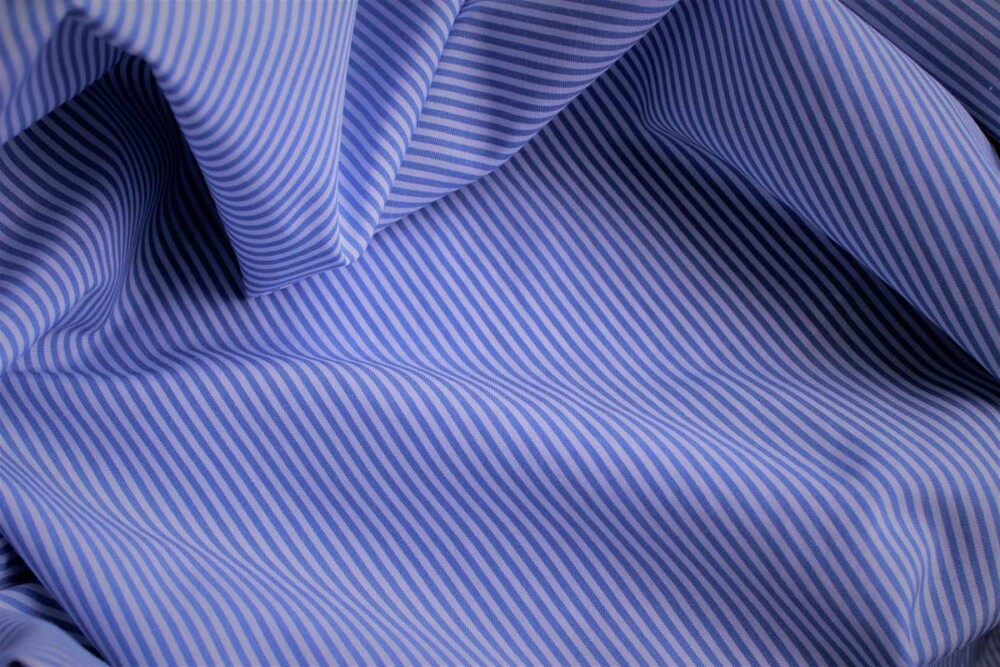
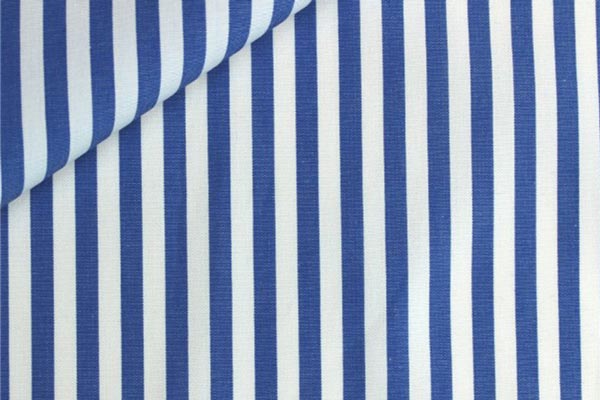
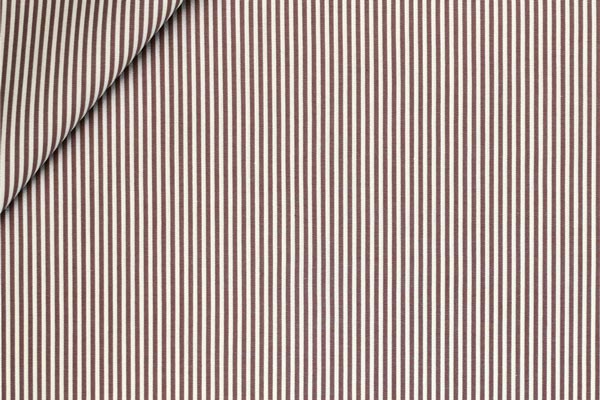
Camiceria Popeline Banbury Stripes cm 150 is a 100% cotton yarn-dyed fabric, specifically designed for the manufacture of high quality men’s and women’s shirts. Made of yarn with title 50, this poplin stands out for its soft hand, comfortable and pleasant to the touch, which translates into extremely pleasant garments to wear.

The striped pattern, available in two variations-5 mm and 10 mm-offers a wide stylistic choice, in a palette of nine colours that ranges between classic, modern and trendy shades. With a weight of 105 g/m2 and a width of 150 cm, it is a light but well-structured fabric, suitable not only for elegant shirts, but also for blouses, tunics, tops and tailor-made projects. The compact weave and the yarn-dyed cut guarantee washing resistance and durability over time, while the refined aesthetic appearance makes it ideal for those looking for a touch of style in their creations.

FAQ-Frequently asked questions about cotton poplin
Yes. Thanks to its lightweight and breathable structure, cotton poplin is perfect for summer wear. Allows good ventilation of the skin, avoiding heat and sweat accumulation, and maintains a feeling of freshness throughout the day.
Less than other natural fabrics. Compared to linen, for example, poplin has a better hold at the fold. It is easy to iron and maintains a neat appearance even after several hours of use, making it ideal for formal or office shirts.
Yes, cotton poplin is suitable for children’s clothing. It is soft, does not irritate the skin, and resists well to frequent washing. Its breathability makes it comfortable even in the hottest months.
Flax has a rougher texture and a greater tendency to crumple, while poplin is more compact, uniform and easy to handle. Both are natural and breathable, but poplin is often preferred for more formal shirts or garments with a more defined line.
No, generally poplin has a dense texture that makes it opaque, especially in dark or medium colors. However, in very light colors or with light grammages, it may be slightly transparent under bright light.
Mainly shirts, but also dresses, blouses, light skirts, summer trousers, tunics, aprons and home accessories such as pillowcases or pillowcases. It is also widely used in creative sewing for its ease of processing.
Cimmino March 2025 sample update: new fabrics and variants in the catalogue
Here are all the news of March 2025: Manifattura Foderami Cimmino presents all the products added to the catalog of fabrics and materials.
(more…)How to sew a sleeping bag for babies: DIY guide with custom fabrics
The sleeping bag is one of the most loved accessories by new parents. In addition to ensuring a safe sleep for the newborn, it prevents it from being discovered during the night, keeping it warm without the risk of bulky blankets. If you like sewing or are looking for a creative project to make for your baby or to give as a gift, choose the fabrics for babies on Cimmino Shop: we will explain how to make a sleeping bag by yourself and which fabrics to choose for a safe and comfortable result.
What is a sleeping bag and what is it for
The sleeping bag is a kind of padded bag with openings for the arms and often also for the legs, which replaces blankets and sheets in the crib. It is particularly useful in the first months of life, when the baby tends to move a lot in his sleep and could easily be discovered.
It is also considered a valuable ally in preventing the risk of suffocation associated with the use of heavy blankets, as indicated by many paediatric guidelines. In addition, babies feel more content and protected, a bit like in the womb.

Why make a sleeping bag
Today it is easy to find ready-made sleeping bags on the market, but sewing them with your own hands has many advantages:
- You can choose the fabric that best suits the season and sensitivity of your baby’s skin.
- Get a tailor-made accessory, customizable in every detail.
- It is a simple project even for those who have little experience in sewing, but want to test yourself with something useful and creative.
Also, it is a perfect gift if you are preparing a baby shower for a friend or family member.

Recommended fabrics for a DIY sleeping bag
The choice of fabric is one of the most important parts in making a sleeping bag. Opt for natural, breathable and easy to wash fabrics. Here are some perfect options:
- High quality standard cotton: soft, resistant to frequent washing and suitable even for the most sensitive skin.
- Cotton flannel: ideal for the winter, it retains heat without sweating.
- Cotton jersey: elastic and lightweight, perfect for the mid-season.
- Quilted fabrics: ideal for the outside of the sleeping bag, to be combined with a softer inner lining.

The best fabrics for sleeping bags on Cimmino Shop
If you are looking for the ideal online fabrics to make a sleeping bag for your baby, Cimmino Shop offers a selection of high quality materials. Here are some of the best baby fabrics available.
Cotone Stampato Whale cm150
Cotone Stampato Whale cm150 is a 100% cotton fabric with a width of 150 cm. Featuring a nice print with whales, it’s perfect for projects dedicated to children.

The weight of 107 g/m2 makes it lightweight and breathable, ideal for making a summer sleeping bag or for environments with higher temperatures.
Cotone Digital Enfants

Cotone Digital Enfants is a 100% cotton fabric with a width of 150 cm and a weight of 120 g/m 2. Features vibrant and colorful digital prints, ideal for creating a unique and eye-catching sleeping bag.
This fabric is also OEKO-TEX® STANDARD 100 certified, ensuring that it is free of harmful substances and safe for use in baby products. Its lightness makes it suitable for sleeping bags usable throughout the year, perhaps combined with a suitable padding for the colder seasons.
Piquet Trendy Unito
Piquet Trendy Unito is a 100% cotton fabric with a width of 150 cm and a weight of 110 g/m 2. It is distinguished by its combined piqué texture, which gives an elegant appearance and a feeling of freshness to the touch.

Thanks to its structure, it is particularly resistant and keeps its shape well, making it ideal for a sleeping bag that lasts over time. Available in a variety of colors, allows you to customize the project according to your taste.
Piquet Gioia Nido d’Ape

Piquet Gioia Nido d’Ape is a 100% cotton fabric with a width of 270 cm and a weight of 350 g/m 2. Its main feature is the honeycomb construction, which offers a three-dimensional texture and a remarkable absorption capacity.
This makes it particularly suitable for sleeping bags intended for the colder months, ensuring warmth and comfort to the child. The extra width allows you to easily cut larger pieces without joints, improving the aesthetics and functionality of the finished product.
Piquet Lario Nido d’Ape
Piquet Lario Nido d’Ape is another 100% cotton fabric with a width of 150 cm and a weight of 233 g/m 2. Similar to the Piquet Gioia, it has a honeycomb finish, but with a lower weight, resulting lighter.

It is ideal for mid-season sleeping bags, offering a balance between breathability and thermal capacity. Its texture adds a touch of elegance to the finished product, while the composition in pure cotton ensures softness and delicacy on the skin of the newborn.
Piquet Stampato Trendy

Piquet Stampato Trendy is a 100% cotton fabric with a width of 150 cm and a weight of 110 g/m 2. It stands out for its modern and fashionable prints, which allow you to create original and personalized sleeping bags.
The piqué structure gives a light texture to the fabric, while still maintaining good breathability. It is particularly suitable for those who want to make a sleeping bag that combines functionality and aesthetics, while ensuring the comfort of the child.

Tutorial: how to sew a baby sleeping bag
1. Choose your template
You can find free paper templates online by searching for “PDF sack sleeping pattern”. There are both with zip and buttons on the back. Choose the one that seems easiest to do.
2. Prepare the material
You will need:
- Outer fabric (cotton, jersey, flannel…)
- Inner lining (can be the same fabric or a lighter one)
- Light padding (optional)
- Zipper or snap buttons
- Scissors, pins, sewing machine, needle and thread
3. Cutting and stitching
Once the pattern is printed, cut out the fabric as shown. Remember to add 1 cm of seam margin. Start by sewing the outer fabric and lining together (with or without padding), leaving the opening for the zip or buttons. Finish the edges with a zig-zag or cut-sew to prevent them from fading.
4. Final finishing
Insert the zip (or buttons), do a test with the upside down bag to check seams and measurements, and possibly add some decorative detail: a pocket, a cloth application, a name label.

How to wash and maintain the sleeping bag
The sleeping bag, like all accessories for early childhood, must be easy to wash. For this we recommend:
- Always pre-wash fabrics before sewing them, to prevent shrinkage afterwards.
- Wash the sleeping bag at 30-40°C with neutral detergent.
- Avoid using scented fabric softeners, which may irritate the baby’s skin.
- Prefer air drying, but if you use the dryer, set it to gentle mode.

FAQ – Frequently Asked Questions about the Make-It-Yourself Sleeping Bag
The ideal fabric depends on the season and the intended use: for summer we recommend light cotton or jersey, while in winter flannel or quilted fabrics are excellent. It is important to avoid synthetic materials in direct contact with the baby’s skin.
The sleeping bag can be used from birth until 3 years old, depending on the model and size. There are variations by age groups such as 0-6 months, 6-18 months and 18-36 months.
Usually you need about 1 meter of outer fabric and 1 meter of inner lining. If you are planning a padding, it is useful to add also 1 meter of wadding or other insulating material, taking into account the size chosen.
No, it is a project suitable even for beginners. With a simple pattern paper, a little attention and a basic sewing machine you can achieve an excellent result even without great experience.
Yes, fabrics such as cotton, jersey or flannel used for clothing are also perfect for a sleeping bag, provided they are breathable, soft and suitable for the skin of newborns. It is best to avoid hard fabrics or those treated with aggressive chemicals.
How to choose and match polka dot fabrics: ideas for fashion and furniture
The polka dot pattern is one of those details that never go unnoticed. Versatile, timeless and always able to add a distinctive touch, it finds space in fashion as well as in furniture. But how to choose the right fabric? And how to match it without risking the “too much” effect? Cimmino accompanies you to discover the world of polka dot fabrics, including style inspirations, practical tips, creative ideas and fabrics to buy online to give shape to your ideas with elegance and originality.
Why polka dots never go out of fashion
Polka dots are a timeless fantasy. Loved for their ability to be elegant, playful and refined at the same time, they continue to inspire designers, designers and creatives. Whether it is a piece of clothing, an accessory or a piece of furniture, the polka dots capture attention with balance and personality. Their strength lies in their versatility: they can be protagonists or simple details, always able to express taste and character.

A bit of history: the dots between fashion, cinema and pop culture
The polka dot fantasy has crossed the history of fashion with ups and downs, but always with an irresistible charm. Its origins date back to the 19th century, when the first printed fabrics began to spread thanks to industrialization. The term “pois” comes from French and means “dots”.
The real boom came in the 50s, a golden age for this fantasy. Symbol of femininity and sweetness, polka dots were protagonists of iconic outfits worn by stars such as Marilyn Monroe, Audrey Hepburn and Lucille Ball. The Often in black and white or pastel colors, they conveyed grace but also a certain self-confidence.
In the 80’s and 90’s, fantasy was reinterpreted in a pop and bold way, until today it returns with an eclectic style: from reinterpreted vintage looks to contemporary minimal chic, polka dots are always a symbol of personality.

How to choose the right fabric for your polka dot projects
When working with a polka dot pattern, the choice of material plays a key role in the final result. The visual performance of the dots varies depending on the support:
– For fresh and versatile garments, such as skirts, shirts or light clothes, it is advisable to opt for breathable and practical clothing fabrics, ideal also for the mid-season.
– For romantic details or elegant transparencies, the light and floating materials allow to create delicate visual effects of great impact.
– For more structured or decorative projects, it is better to choose fabrics for home decor that are resistant and easy to work with, perfect also for the creation of accessories or small pieces of furniture.
The polka dot pattern is also well suited to simple tailoring, making it an ideal choice for those who like to choose fabrics for do-it-yourself or want to customize their wardrobe.

How to match polka dot fabrics with style
Matching a polka dot fantasy can seem like a challenge, but following some simple guidelines you can get amazing results:
1. Solid color: the winning combo
The polka dots give the best of themselves when combined with coordinated solid colors. Black and white remain a classic, but beige, red and pastel are also great alternatives.
2. Mix of patterns? Yes, but with balance
If you want to dare, you can put them together in rows or squares: the important thing is to keep a consistent palette and differentiate the scales of the drawings.
3. Dimensions that matter
Small dots for a discreet and elegant style, medium or large dots for a more playful and retro effect.
4. Use them as a focal point
At home, just a pillow, a curtain or a plush tablecloth to turn a neutral environment into a space full of personality.

Current trends: the return of polka dots in design and fashion
The polka dots are always present, but today they come back with new accents:
– Irregular shapes, which recall an artistic and dynamic style
– Bright or dusty colors, ideal to give character to the rooms or for statement garments
– Overlapping patterns, creating games of texture and movement
These variations make the polka dot fabrics even more versatile, both for tailoring projects and for contemporary home decor.

Curiosity: Did you know that…?
– The dot has also been associated with good luck: in some cultures, the dots represent abundance and fertility, similar to seeds scattered on the fabric.
– Walt Disney made the pattern famous with Minnie Mouse, one of the most beloved characters ever, whose red polka dot dress has become iconic.
– In home textiles, the polka dot pattern is often used to create retro or country-chic environments, particularly popular in kitchens and living rooms.
– Some high fashion brands, such as Dolce & Gabbana and Carolina Herrera, have made polka dots a recurring signature in their collections.

How to use dots to express your creativity
The versatility of polka dots makes them perfect for creative projects, both tailoring and decoration. With a little imagination you can make:
– Cotton gift bags with polka dots for wedding favors or handmade gifts
– Vintage-style headbands, foulards or scrunchies
– Cushions with polka dot inserts to match the best fabrics for furnishing in spring for a harmonious effect
– Runners or tablecloths that give character without weighing down the environment
Creativity, style and character: the polka dots bring it all together in one motif.
It is no coincidence that, season after season, they continue to fascinate the world of fashion and design. With the right measures, they can become the protagonists of unique and refined personal projects.
Discover our collection of polka dot fabrics and find the perfect one for your style.

The best polka dot fabrics on CimminoShop
The polka dot fabrics are a timeless classic, able to give a playful and refined touch to any sewing project, furniture or decoration. On CimminoShop you can find a wide range of options that combine style, quality and versatility. Let’s discover some of the best polka dot fabrics available.
Cotone Pois
The Cotton Pois fabric is a versatile and high-quality choice for many sartorial and decorative applications. Made of 100% cotton, this fabric combines strength and softness, offering a pleasant touch and a stable structure thanks to its weight of 165 gr/ mtl.

The polka dot print, available in two variants – large and small – gives a playful and retro touch, perfect for handicrafts or creations intended for children. With a height of 150 cm, the Cotton Polka Dot is ideal for making pillows, accessories for the bedroom, handmade objects, light clothing and personalized decorations. Being not elastic, it guarantees easy processing and good shape holding. An excellent basis for expressing creativity in hobbyist projects, cushions and children’s objects.
Tessuto Lana Cotta Pois

Tessuto Lana Cotta Pois is an elegant and sophisticated proposal, ideal for those who want to make fashion accessories of great effect. Made from a wool (65%) and polyester (35%) blend, this fabric combines the natural softness of wool with the strength and durability of polyester.
Its strong point is the presence of dots in relief, which stand out clearly from the background color, creating a three-dimensional visual effect and very refined. With a height of 145 cm and a consistent weight of 430 gr/mtl, it is particularly suitable for structured tailoring such as hats, scarves, capes, bags and other winter accessories. In addition, thanks to its composition and its non-elastic structure, it guarantees an excellent hold over time.
Tessuto Panama Rossetti Cm 280
Tessuto Panama Rossetti is an ideal choice for those looking for a perfect balance between romantic elegance and modern style. Made of 90% cotton and 10% polyester, this printed panama is distinguished by its delicate floral pattern, inspired by the Provencal aesthetic.

The design is embellished with discreet polka dots, which add a vintage and playful note, making it perfect for home furnishing projects such as tablecloths, curtains, decorative cushions and other textile accessories for the home. With a generous height of 280 cm and a weight of 518 gr/mtl, this fabric looks like a solid and resistant base, while maintaining a pleasant hand. It is also OEKO-TEX® STANDARD 100 certified, guaranteeing safety and quality for use in domestic environments.
Tulle Floccato Ravello

Tulle Floccato Ravello is a fabric with delicate elegance, designed for sartorial creations that require lightness, movement and refinement. Characterized by a transparent and soft base, embellished with flocked polka dots in pastel tones, it is perfect to give a romantic and sophisticated touch to fashion items and show costumes.
Thanks to its composition in 62% polyamide and 38% viscose, this tulle combines softness and resistance, offering an ethereal and comfortable fit. With a height of 150 cm and a very light weight of 21 gr/ mtl, it is ideal for overlays on formal dresses, fluffy skirts, scenic details and theatrical decorations. Its transparency and fluidity make it a favorite choice for those who want a harmonious visual effect and class.
Tulle Gaia
Tulle Gaia is a refined and versatile textile proposal, ideal to add a touch of femininity and lightness to any sartorial creation. Composed of 75% cotton and 25% polyamide, it is distinguished by its particular workmanship: the polka dots are sewn directly on the tulle, giving a three-dimensional effect that enriches the fabric with elegance.

With a height of 150 cm and a weight of 90 gr/mtl, the Tulle Gaia is perfect for decorating fashion garments, embellishing formal dresses or prom costumes, but also to create original details on skirts, blouses and textile accessories. Thanks to its transparency and softness, it offers endless creative possibilities while maintaining a good structure.
Piquet stampato Trendy

Piquet Stampato Trendy is a lightweight fabric made of 100% cotton, designed for fresh, delicate and daily use applications. Thanks to its finely worked surface and the polka dot print with a playful and modern taste, it is ideal for making sheets for cribs and cots, but also for light and comfortable summer clothing.
With a height of 150 cm and a weight of 165 gr/mtl, this non-stretch fabric offers good hold and breathability, being particularly suitable for hot months. The printed pattern also makes it perfect for craft projects, babywear, accessories and textile decorations for the nursery.
Tessuto Hippye
Tessuto Hippye is an explosion of color and fantasy, designed to give life to original and scenographic creations. Made of 100% polyester, this fabric has a smooth surface and a durable texture, perfect for making dresses and accessories for Carnival, themed parties and theatrical performances.

With a height of 150 cm and a weight of 270 gr/ mtl, the Hippye fabric maintains a good structure without losing fluidity, being easily moldable to make eye-catching costumes and colorful accessories. The vibrant black polka dot print on a coloured background is one of its most popular variations, because it manages to combine retro spirit and modern cheerfulness in a single fabric.
Panno Fantasia Stampato

Panno Fantasia Stampato is a needle-like fabric made of 100% polyester, perfect for your creative and craft projects. Thanks to its solid texture and the print of dots on a mustard background, this cloth is perfectly suited for hobbies, patchwork, creative sewing and seasonal or thematic decorations.
With a height of 180 cm and a weight of 324 gr/ mtl, it is easy to cut and shape, while maintaining a good structure. It is also the ideal choice for creating practical and original accessories, such as bags, cases, textile cases or home decorations. Its versatile design makes it popular for both personal use and craft projects to sell.
Tessuto Panama Blossom Cm 280
Tessuto Panama Blossom is an ideal solution for those who want to furnish with style, color and personality. This is a half panama fabric, composed of 80% cotton and 20% polyester, with a raw base enriched by colorful and trendy prints. Its lively aesthetic makes it perfect for creating modern and welcoming environments.

Thanks to its large height of 280 cm, this fabric is extremely versatile: it is suitable for making curtains, tablecloths, pillows, sofa covers and other furnishing accessories. The sturdy and compact structure makes it easy to work with and durable over time. It is also OEKO-TEX® STANDARD 100 certified, guaranteeing quality and safety.
FAQ – Frequently asked questions about dots
With solid colors, minimal accessories or neutral garments. The goal is to enhance the fantasy without weighing down the look.
Yes, especially when used as a decorative accent: just a few elements are enough to give an original touch to any environment.
It depends on the style you’re looking for: the little ones are more elegant, the big ones are bolder and striking.
From chiffon to silk: discover the best fine fabrics for women’s dresses
When it comes to creating an elegant and refined women’s dress, the choice of fabric plays a key role. Each fabric has unique features that affect the design, comfort and final appearance of the garment. Manifattura Foderami Cimmino has selected the most appreciated fine fabrics for women’s fashion, helping you to choose the perfect one for your next dress.

Velvet: softness and luxury for sophisticated women’s dresses
Velvet is a fabric that immediately evokes the idea of opulence and refinement. Thanks to its soft texture and rich appearance, the Cotton Velvet fabric is perfect for elegant winter dresses, ideal for gala evenings and special occasions. Velvet can be smooth or ribbed, and its ability to capture the light gives depth and charm to clothes.

Chiffon: lightness and fluidity for ethereal dresses
If you want a light and impalpable dress, the Chiffon Marinella is the perfect choice. Transparent and fluffy is widely used among the fabrics for formal dresses, especially in layered models or with delicate drapes. Its lightness makes it ideal for fluttering skirts and dresses that create harmonious movements at every step.

Lace: refined details for a romantic touch
Lace is the king of romantic details. With its intricate floral and geometric patterns, it is perfect for adding a touch of femininity and sophistication to your outfits. Often used in wedding and evening gowns, the Daisy Elastic Lace can be combined with other fabrics for a timeless transparency and elegance effect.

Organza: light structure for voluminous clothes
Organza is a rigid but lightweight fabric, ideal for creating volume and structure in clothes. The United Rainbow Organza fabric is often used for wide skirts, layers of ball gowns and decorative details. Its delicate transparency adds a touch of lightness, while its rigidity allows you to maintain the shape of the garment without being heavy.

Satin: smooth surface for a shiny look
Satin is one of the most appreciated fabrics for its smooth finish and extraordinary shine. Perfect as a fabric for wedding, evening and ceremony dresses, the Satin Duchesse Color offers a sophisticated and regal look. Thanks to its fluidity, the duchesse fabric adapts well to tight silhouettes or wide skirts, giving a silky and shiny effect, which can be further amplified by applying sequins on dresses.

Taffeta: crispness and shine for structured dresses
Taffeta is a fabric that stands out for its slightly rigid appearance and discreet shine. Persia United Taffeta Fabric is perfect for structured dresses, wide skirts and formal dresses that need volume and shape. The characteristic rustle it produces to the movement makes it even more fascinating and scenic, ideal for stylistic creations that take your breath away.

Crepe: grainy texture for elegant draping
Crepe is a slightly grainy fabric, which makes it perfect for dresses with an elegant and sophisticated draping. The Crepe Fabric Cady Atena is very versatile and fits both casual looks and more formal outfits. Thanks to its ability to fall smoothly, the crepe is ideal for dresses with soft and feminine lines.

Brocade: decorative fabric for opulent dresses
Brocade is a decorative fabric characterized by intricate designs, often made with gold or silver threads. Perfect for evening dresses, the Cashmere Brocade adds a regal and opulent touch to any outfit. Used mainly in ceremonial garments or historical dresses, it is synonymous with luxury and exclusivity.

Georgette: lightness and transparency for delicate clothes
Similar to chiffon but with a more grainy texture, the georgette is a light and transparent fabric that gives movement and grace to clothes. Thanks to its fluidity, the Georgette Lavata fabric is perfect for summer dresses, evening dresses and romantic garments with draped details.

Tulle: the fabric symbol of elegance for women’s dresses
Tulle has always been synonymous with lightness and elegance. Soft, transparent and incredibly versatile, it is perfect for creating sophisticated evening and formal dresses. Thanks to its ability to give volume without weighing it down, the Tulle Ines Hand Silk offers an ethereal and fairy-tale effect. In addition, its refined appearance and lightness make it ideal for princely dresses and fluffy details.
Choosing the right fabric for a women’s dress means finding the right balance between aesthetics, comfort and functionality. Whether you are looking for a lightweight, fluid fabric like chiffon, textured like taffeta or rich in details like brocade, each material has unique features that can enhance the design of your dress. Explore our selection of fine fabrics online and find the perfect one for an exclusive garment.
Pied de Poule: the classic motif that never goes out of fashion
The pied de poule motif is one of the most iconic patterns in the fashion world. With its unmistakable two-tone texture in the form of small broken squares, it has crossed the decades without ever losing its charm. Elegant, versatile and suitable for every season, this design represents a real evergreen of the wardrobe.
From high fashion catwalks to everyday outfits, the pied de poule fabric is suitable for multiple interpretations. But what is its origin? And how best to match it? Let’s discover together with Manifattura Foderami Cimmino the history of the pied de poule and its style secrets.
Origin and history of pied de poule
The pied de poule motif has its roots in 19th-century Scotland, where it was used to make cloaks and woolen garments for shepherds. Its spread is due to the British nobility, who appreciated its elegance and refinement.
In the 20th century, it conquered high fashion thanks to designers such as Christian Dior, who used it for his collections in the 1950s, establishing it as a synonym of class and femininity. Since then, the pattern has been taken up by numerous maison like Chanel, Gucci and Balmain, becoming a timeless symbol.
Its success has never stopped: from the style icons of the 60s like Audrey Hepburn, to contemporary influencers who reinvent it in a modern way.

Features of the motif pied de poule
But how to recognize the real pied de poule motive? It is distinguished by its two-tone geometric texture, generally in black and white, which creates an elegant and refined optical effect.
Many people confuse it with the Prince of Wales, but there are substantial differences: the first is made up of micro-jagged drawings, while the second has a more complex grid with overlapping checkered elements. Similarly, it differs from the pattern of tartan fabric, which has a colorful checkered arrangement.
It is mainly made of wool for winter clothes, but there are variations in cotton, silk and technical fabrics, perfect for all seasons. Today, thanks to textile innovations, it is possible to find this motif also in sustainable garments, produced with ecological fibers.

How to match the pied de poule
The pied de poule motif lends itself to multiple combinations of style, from casual looks to more refined outfits.
Casual clothing with pied de poule
For a fresh and dynamic day look, the design can be worn through blazers or trousers combined with basic items such as jeans and white t-shirts. The sneakers also go perfectly with this pattern, making it suitable for an urban and contemporary outfit.
Another way to wear it in everyday life is through accessories: a bag or scarf with this pattern can give a sophisticated touch even to the most simple outfits.
Elegant look with the pied de poule
When it comes to formal occasions, this fantasy becomes the protagonist. A pied de poule suit is synonymous with class, while a tailored coat gives a sophisticated allure. Even accessories, such as bags and scarves, can enrich an elegant look without being excessive.
For an important event, a pied de poule midi dress combined with black pumps is a great choice. If you want to dare, you can choose colored variants of this pattern, such as red and black or blue and white.

Errors to be avoided
Although versatile, this clothing fabric requires some precautions to avoid style drops. Avoid the total look unless it is well balanced with minimal accessories. In addition, mixing too many different patterns can be confusing: it is better to match it with neutral colors or solid colors.
Another common mistake is the use of too flashy accessories: the pattern is already a distinctive element, so it’s better to opt for discreet jewelry and shoes with an essential design.
Pied de Poule fabrics selected by Cimmino
Cimmino offers a careful selection of pied de poule fabrics, ideal for refined garments, work clothes and accessories that do not go unnoticed.
Gabardine Cuoco Sanfor
Gabardine Cuoco Sanfor is a fabric in 100% cotton with twill weave, characterized by a resistant structure and a refined texture. The yarn dye and pied de poule pattern make it particularly suitable for the production of work clothes in the restaurant, combining aesthetics and functionality.

With a height of 148 cm and a weight of 390.72 g/MTL (264 g/m 2), this fabric ensures a structured fit, ideal for garments intended for intensive use. The OEKO-TEX® STANDARD 100 certification also ensures that the material meets high safety and quality standards, making it suitable even for prolonged contact with the skin. Thanks to its natural composition, it offers comfort and breathability, ensuring practicality and durability.
Tessuto Elastico Oliver

Tessuto Elastico Oliver is a timeless material that combines refinement and practicality. Proposed in elegant tones of black and white, it is distinguished by its geometric and checkered patterns, able to alternate with a balance of simplicity and sophistication.
Its composition of 79% polyester, 19% viscose and 2% elastane guarantees a comfortable fit and a slight elasticity, making it ideal for the manufacture of formal and timeless garments. With a height of 145 cm and a weight of 320.45 g/MTL (221 g/m 2), it is perfect for making jackets, shirts and accessories that require a fabric that looks neat and durable. Thanks to its versatility, it adapts naturally to any sartorial creation, always maintaining a touch of distinctive elegance.
The pied de poule in fashion collections
The pied de poule is a classic that continues to inspire designers. Recently, we saw it on the catwalks of Balmain, who proposed maxi versions of this pattern, and of Dior, which reinterpreted the motif in a modern way with dresses and accessories with an innovative cut.
Also streetwear brands such as Off-White and Alexander McQueen have incorporated it into their collections, proving that this pattern can be declined even in more daring and contemporary looks. The latest trends see it declined in bright colors and combined with innovative fabrics, demonstrating once again its ability to reinvent itself without losing its classic essence.
Timeless, refined and incredibly versatile, the pied de poule is a true pillar of fashion. Whether it is a discreet detail or a protagonist garment, this pattern always knows how to be noticed without being excessive. If you want to experience its charm, discover our collections of fabrics online and let yourself be inspired by a motif that does not know seasons.
Pied de Poule: il motivo classico che non passa mai di moda
Il motivo pied de poule è uno dei pattern più iconici nel mondo della moda. Con la sua inconfondibile trama bicolore a forma di piccoli quadretti spezzati, ha attraversato i decenni senza mai perdere il suo fascino. Elegante, versatile e adatto a ogni stagione, questo disegno rappresenta un vero e proprio evergreen del guardaroba.
Dalle passerelle di alta moda agli outfit di tutti i giorni, il tessuto pied de poule si adatta a molteplici interpretazioni. Ma qual è la sua origine? E come abbinarlo al meglio? Scopriamo insieme a Manifattura Foderami Cimmino la storia del pied de poule e i suoi segreti di stile.
Origine e storia del pied de poule
Il motivo pied de poule affonda le sue radici nella Scozia del XIX secolo, dove veniva utilizzato per realizzare mantelli e capi in lana destinati ai pastori. La sua diffusione si deve alla nobiltà britannica, che ne apprezzò l’eleganza e la raffinatezza.
Nel XX secolo conquistò l’alta moda grazie a stilisti del calibro di Christian Dior, che negli anni ’50 lo utilizzò per le sue collezioni, consacrandolo come sinonimo di classe e femminilità. Da allora, il pattern è stato ripreso da numerose maison come Chanel, Gucci e Balmain, diventando un simbolo senza tempo.
Il suo successo non si è mai arrestato: dalle icone di stile degli anni ’60 come Audrey Hepburn, fino agli influencer contemporanei che lo reinventano in chiave moderna.

Caratteristiche del motivo pied de poule
Ma come riconoscere il vero motivo pied de poule? Si distingue per la sua trama geometrica bicolore, generalmente in bianco e nero, che crea un effetto ottico elegante e raffinato.
Molti lo confondono con il Principe di Galles, ma esistono differenze sostanziali: il primo è composto da micro-disegni frastagliati, mentre il secondo presenta una griglia più complessa con elementi a quadri sovrapposti. Allo stesso modo, si differenzia dalla fantasia del tessuto tartan, che ha una disposizione a quadri colorati.
Viene realizzato principalmente in lana per i capi invernali, ma esistono varianti in cotone, seta e tessuti tecnici, perfette per tutte le stagioni. Oggi, grazie alle innovazioni tessili, è possibile trovare questo motivo anche in capi sostenibili, prodotti con fibre ecologiche.

Come abbinare il pied de poule
Il motivo pied de poule si presta a molteplici combinazioni di stile, dai look casual agli outfit più raffinati.
Abbigliamento casual con pied de poule
Per un look da giorno fresco e dinamico il disegno può essere inserito attraverso blazer o pantaloni abbinati a capi basic come jeans e t-shirt bianche. Anche le sneakers si sposano alla perfezione con questo pattern, rendendolo adatto a un outfit urbano e contemporaneo.
Un altro modo per indossarlo nel quotidiano è attraverso gli accessori: una borsa o una sciarpa con questo pattern possono dare un tocco sofisticato anche agli outfit più semplici.
Look eleganti con il pied de poule
Quando si tratta di occasioni formali, questa fantasia diventa protagonista. Un tailleur pied de poule è sinonimo di classe, mentre un cappotto dal taglio sartoriale dona un’allure sofisticata. Anche gli accessori, come borse e foulard, possono arricchire un look elegante senza risultare eccessivi.
Per un evento importante, un abito midi pied de poule abbinato a décolleté nere rappresenta un’ottima scelta. Se si desidera osare, si possono scegliere varianti colorate di questo pattern, come il rosso e nero o il blu e bianco.

Gli errori da evitare
Seppur versatile, questo tessuto per abbigliamento richiede alcune accortezze per evitare cadute di stile. Evita il total look a meno che non sia ben bilanciato con accessori minimal. Inoltre, mescolare troppi pattern diversi può risultare confusionario: meglio abbinarlo a colori neutri o tinte unite.
Un altro errore comune è l’uso di accessori troppo appariscenti: il motivo è già un elemento distintivo, quindi meglio optare per gioielli discreti e scarpe dal design essenziale.
Tessuti Pied de Poule selezionati da Cimmino
Cimmino propone una selezione accurata di tessuti pied de poule, ideali per capi raffinati, abiti da lavoro e accessori che non passano inosservati.
Gabardine Cuoco Sanfor
Il Gabardine Cuoco Sanfor è un tessuto in 100% cotone con armatura a saia, caratterizzato da una struttura resistente e una texture raffinata. La tinta in filo e la fantasia pied de poule lo rendono particolarmente indicato per la confezione di abiti da lavoro nell’ambito della ristorazione, unendo estetica e funzionalità.

Con un’altezza di 148 cm e un peso di 390,72 g/MTL (264 g/m²), questo tessuto assicura una vestibilità strutturata, ideale per capi destinati a un uso intensivo. La certificazione OEKO-TEX® STANDARD 100 garantisce inoltre che il materiale rispetti elevati standard di sicurezza e qualità, risultando adatto anche al contatto prolungato con la pelle. Grazie alla sua composizione naturale, offre comfort e traspirabilità, assicurando praticità e durata nel tempo.
Tessuto Elastico Oliver

Il Tessuto Elastico Oliver è un materiale intramontabile che coniuga raffinatezza e praticità. Proposto nei toni eleganti del bianco e del nero, si distingue per i suoi motivi geometrici e a quadri, capaci di alternare con equilibrio semplicità e sofisticatezza.
La sua composizione in 79% poliestere, 19% viscosa e 2% elastan garantisce una vestibilità confortevole e una leggera elasticità, rendendolo ideale per la confezione di capi formali e senza tempo. Con un’altezza di 145 cm e un peso di 320,45 g/MTL (221 g/m²), è perfetto per realizzare giacche, camicie e accessori che richiedono un tessuto dall’aspetto curato e durevole. Grazie alla sua versatilità, si adatta con naturalezza a qualsiasi creazione sartoriale, mantenendo sempre un tocco di eleganza distintiva.
Il pied de poule nelle collezioni moda
Il pied de poule è un classico che continua a ispirare gli stilisti. Recentemente, lo abbiamo visto sulle passerelle di Balmain, che ha proposto versioni maxi di questo pattern, e di Dior, che ha reinterpretato il motivo in chiave moderna con abiti e accessori dal taglio innovativo.
Anche marchi streetwear come Off-White e Alexander McQueen lo hanno incorporato nelle loro collezioni, dimostrando che questo pattern può essere declinato anche in look più audaci e contemporanei. Le ultime tendenze lo vedono declinato in colori accesi e abbinato a tessuti innovativi, dimostrando ancora una volta la sua capacità di reinventarsi senza perdere la sua essenza classica.
Intramontabile, raffinato e incredibilmente versatile, il pied de poule è un vero pilastro della moda. Che si tratti di un dettaglio discreto o di un capo protagonista, questo pattern sa sempre come farsi notare senza risultare eccessivo. Se vuoi sperimentare il suo fascino, scopri le nostre collezioni di tessuti online e lasciati ispirare da un motivo che non conosce stagioni.