how to cover square pouf

How to cover a square pouf: guide with ideal fabrics and creative ideas

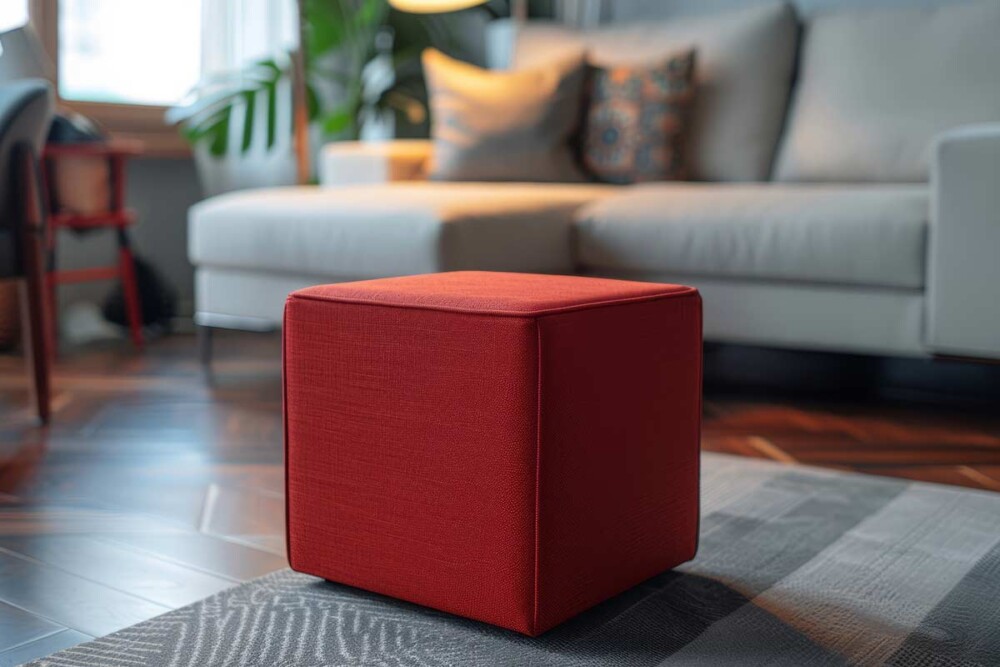
A square pouf is a practical and versatile piece of furniture, able to enrich any room with a touch of style. When your fabric wears out or you simply want to renew it, a new coating can make the difference. Manifattura Foderami Cimmino tells you what you need to know to choose the right fabrics and cover your pouf in a simple and effective way.

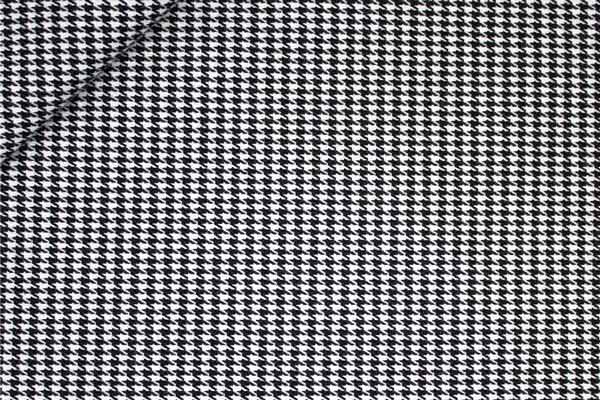
fabric for square pouf

Why cover a square pouf?

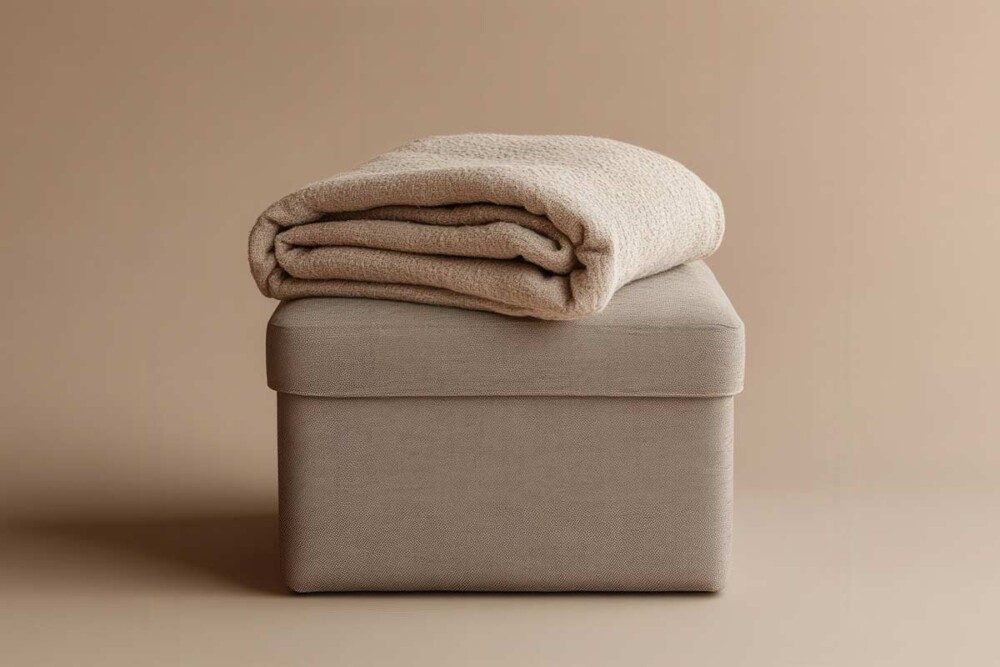
Covering a square ottoman can be an excellent solution for several reasons. If the original fabric appears worn or stained, a new coating will make it look as good as new, extending its life. In addition, by changing the fabric, you can better adapt it to the style of your home, making it a harmonious element with the rest of the decor. Another important advantage is the possibility of protecting the ottoman from dust and daily wear, especially if you choose a removable and washable cover. Finally, personalizing the pouf with original materials and decorations allows you to make it unique and perfectly in line with your tastes.

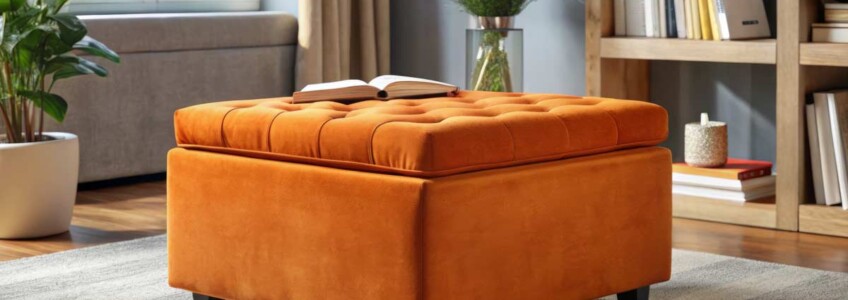
square pouf cover

Materials needed to cover a pouf

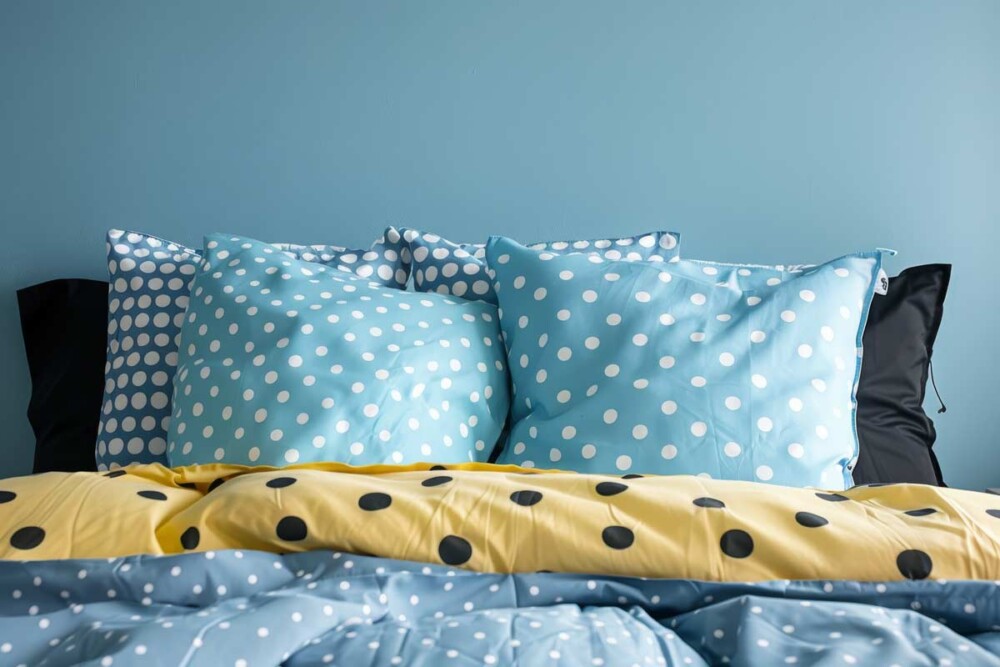
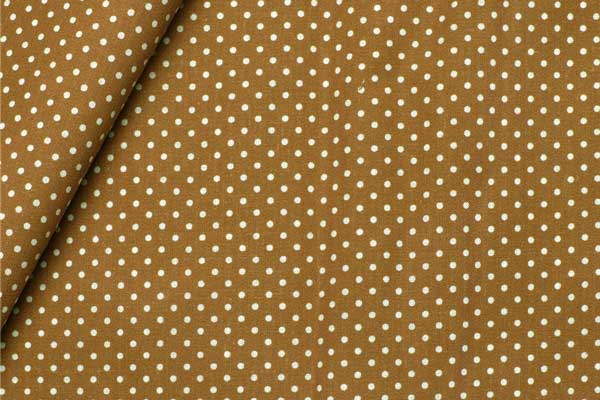
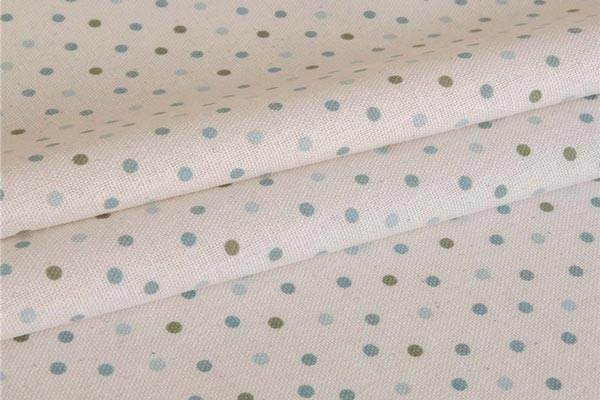
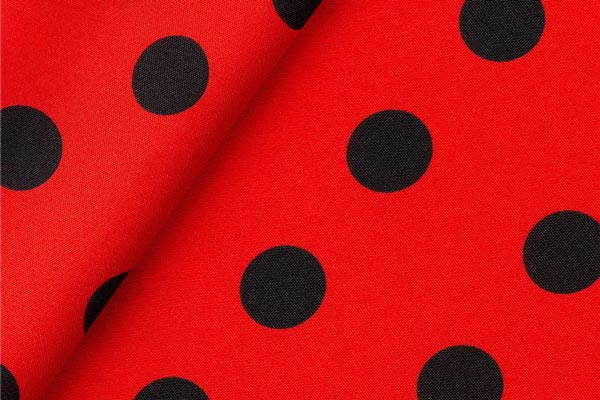
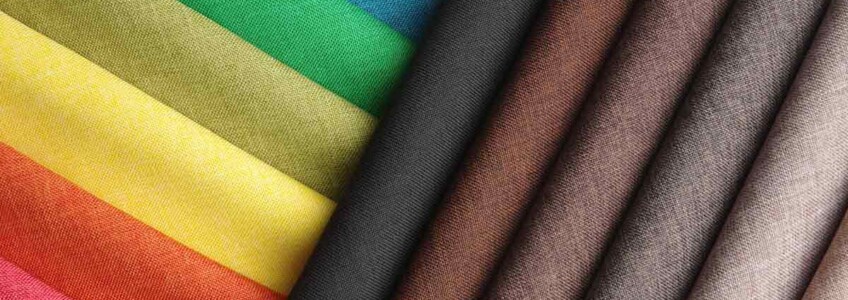
To achieve a flawless result, it is essential to start with the right tools. The first element to choose is the fabric, which can vary according to the desired style. The velvet gives an elegant and sophisticated look, while the cotton offers resistance and ease of washing. Linen is a perfect choice for a natural and refined touch, while eco-leather ensures practicality and a modern look. If you want an original effect, you can opt for printed or patterned fabrics.

In addition to the fabric, you will need sewing scissors, tailor’s gauge, pins or sewing clips, sewing machine or needle and resistant thread. An iron will help to finish the seams, while a zipper, velcro or snaps will make the coating removable for easier maintenance.

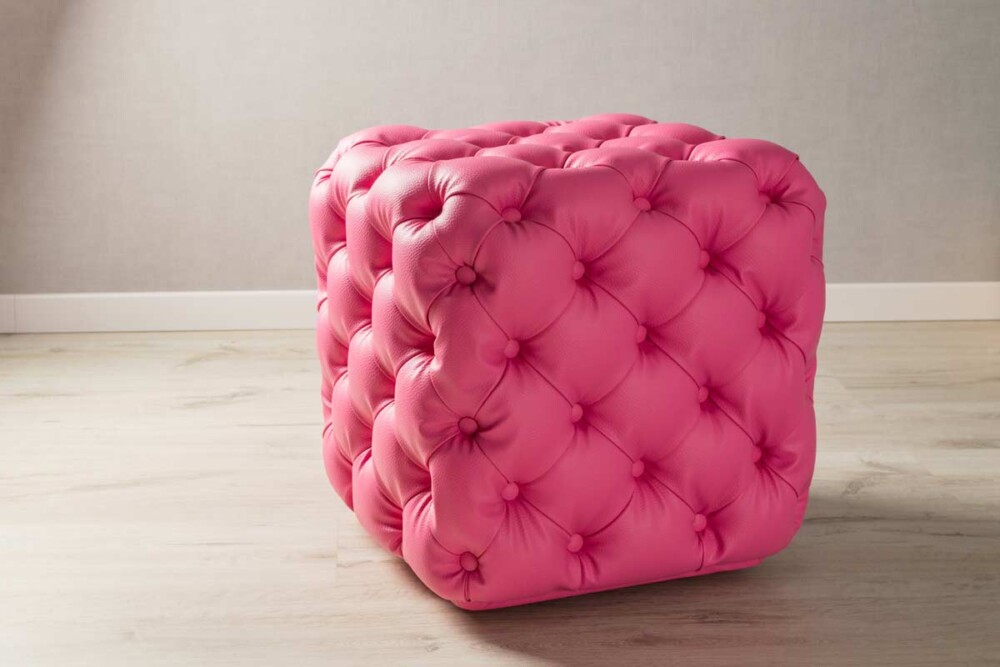
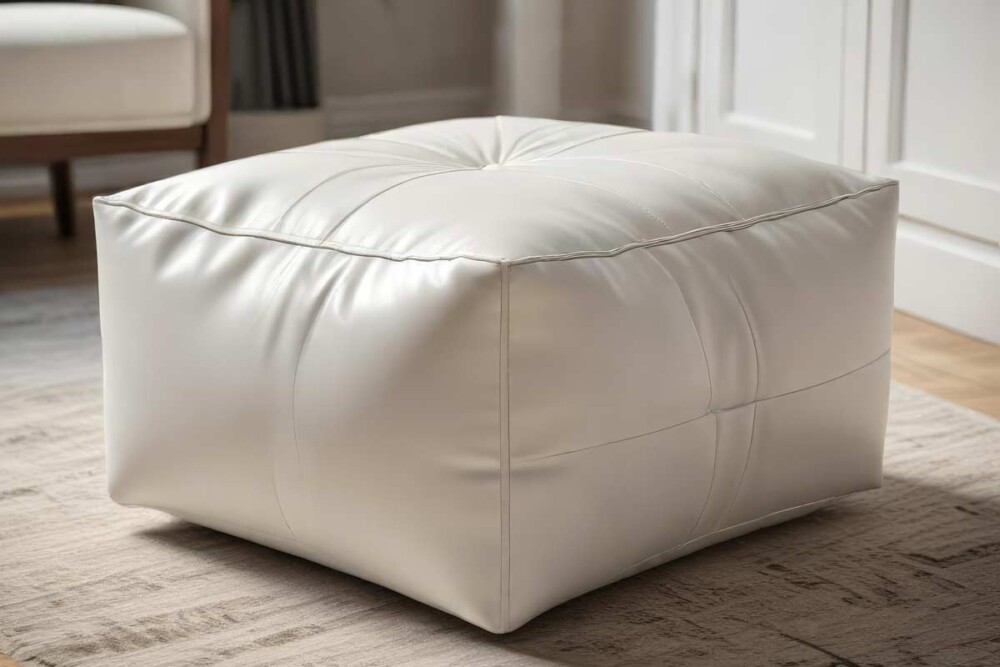
pouf covered in leather

How to choose the right fabric for your pouf

Choosing the right fabric depends on both aesthetics and functionality. If you want an elegant look, the Velour Furnishing Fabric is perfect thanks to its soft and refined texture. The Panama Lyon fabric, on the other hand, is an ideal solution for everyday use, as it is resistant and easy to wash. If you are looking for a rustic and natural effect, the Fabric Sofa Opis is an optimal choice. Those who prefer a modern and practical look pouf, to be combined with a sofa in faux leather or leatherette, can opt for the Andromeda fabric, which is easy to clean and very resistant. For a more creative result, instead, you can select printed or patterned fabrics, adding a touch of originality to your pouf.

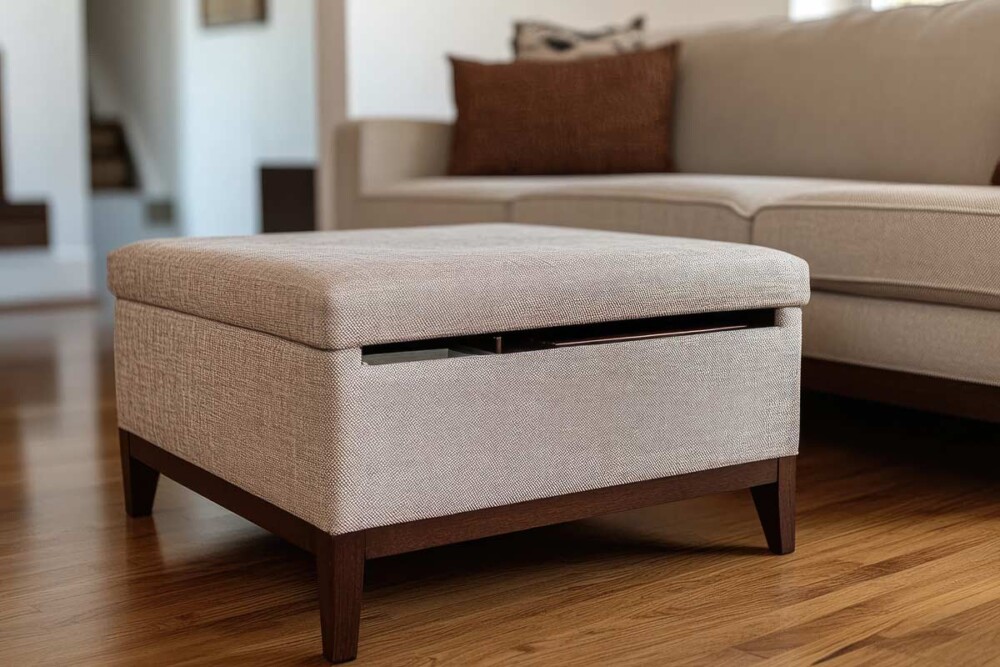
square ottoman

Step by step guide to cover a square pouf

The first step is to take the measurements of the ottoman, considering width, depth and height. It is important to add a few extra centimeters for the seams, in order to obtain a precise and well-fitting result.

Once the measurements are obtained, the fabric is cut. Using a cloth plaster or a erasable pen, mark the dimensions on the fabric and cut out the various pieces needed: one square for the top and four rectangles for the sides. If you want a completely closed cover, you can also add a square for the base.

After cutting out all the pieces, we proceed to assembly. Place the fabrics in the right position and secure the parts with pins or sewing clips. By sewing the sides together and then adding the top, you will shape the new coating. If you have chosen to make a removable cover, be sure to leave one side open for a zipper, velcro or snaps.

Once the seam is complete, it is useful to iron the seams for a more neat and professional effect. If you want to further enrich the coating, you can add decorative details such as edging or trimmings.

square poufs

Tricks to achieve a professional result

To ensure a well-made coating, it is important to choose quality upholstery fabrics and pre-wash them before processing, so as to avoid shrinkage after the first wash. When sewing the parts, make sure to keep the seams straight and sturdy for a more durable result. If the pouf is too stiff, you can add an extra layer of padding between the fabric and the frame to improve comfort.

square ottoman

Creative ideas to personalize your pouf

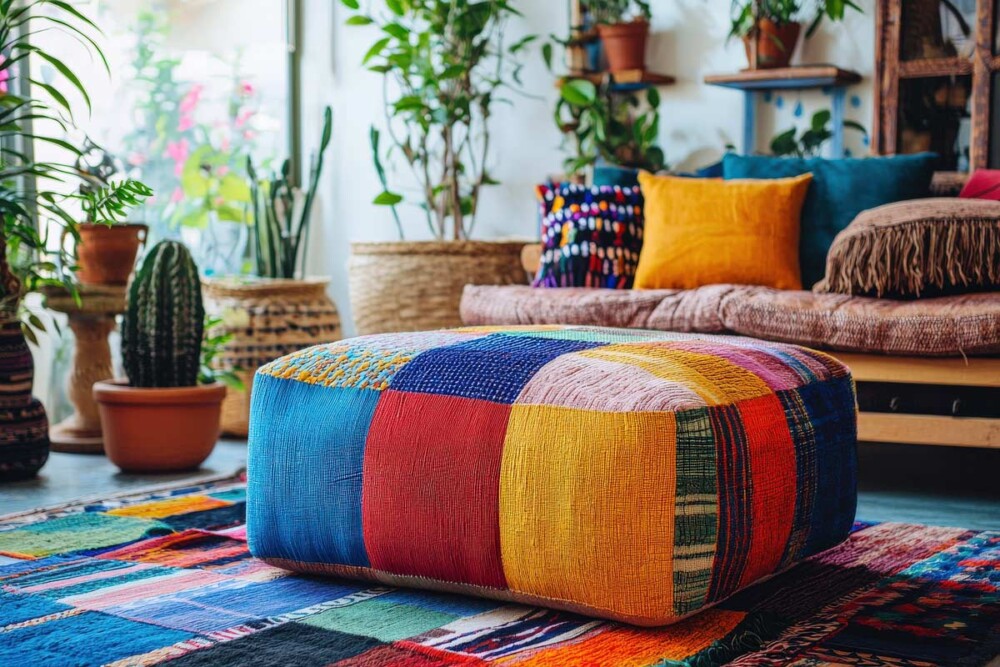
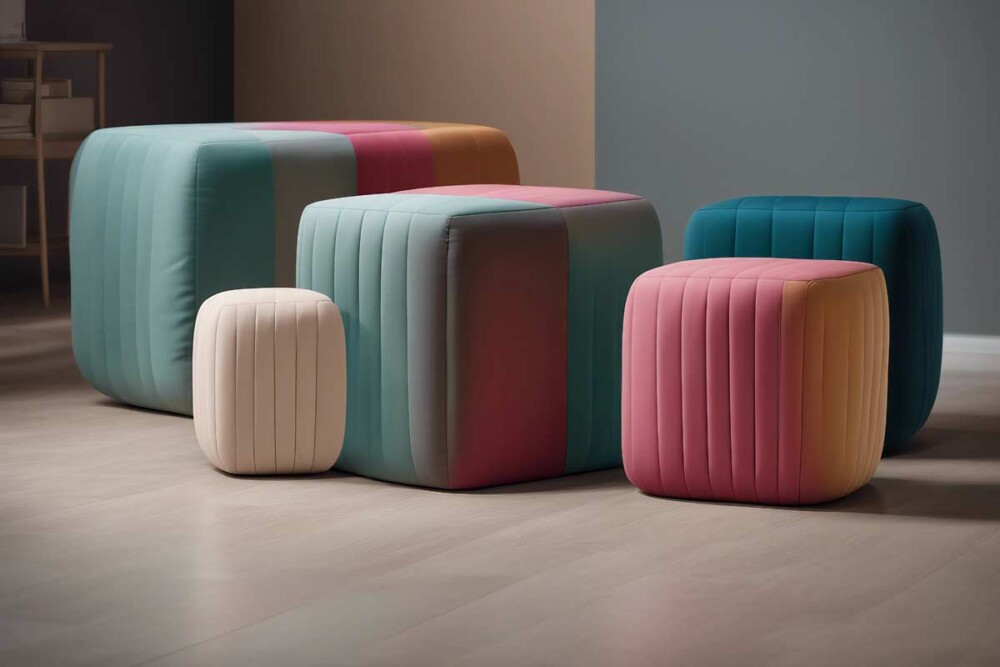
An original way to make the pouf unique is to create a patchwork upholstery, using different fabrics to achieve a dynamic and colorful effect. If you love DIY, you can embellish the coating with embroidery or decorative applications. Another interesting idea is to add side pockets, useful for storing remote controls or small objects. If you prefer a boho-chic style, you can decorate the cover with fringes or pompons. Finally, for a versatile solution, you can make a double-sided coating, with one side suitable for the summer season and another warmer for the winter.

pouf patchwork

How to keep the ottoman always in good condition

To preserve the new coating for a long time, choose washable fabrics and wash them regularly according to the specific instructions. Frequent vacuuming will help remove dust and animal hair, while immediate stain treatment will prevent permanent damage. A further trick is the application of a waterproofing spray, particularly useful for delicate fabrics.

Following these tips and choosing the best fabrics online on CimminoShop, you can keep your pouf always in perfect condition and adapt it to your style, transforming it into a unique and personal piece of furniture.

craft fair

h+h Cologne (7-9 March) | Cologne (Germany)

From 7 to 9 March 2025, Cologne will host h+h cologne, the leading international trade fair for the craft and creative hobbies sector. The event will be held at the Koelnmesse exhibition centre and will present the latest news in areas such as knitting, crochet, sewing, embroidery and other manual activities.

L’edizione di quest’anno si concentra sul tema “Commercio Locale: Creare il Futuro“, offrendo una piattaforma ideale per il networking internazionale, l’apprendimento e lo sviluppo di nuove idee. I partecipanti avranno l’opportunità di connettersi con una comunità forte, stabilire contatti locali e prepararsi alle sfide future del commercio al dettaglio.

H+H Cologne: the programme of the craft fair

The event programme includes several thematic areas:

  • Talk Zone: discussion sessions on topics relevant to the sector.
  • Academy Zone: 90-minute in-depth workshops where industry experts share practical solutions for the future of local business. Workshops can be booked in advance.
  • Creative Zone: a space dedicated to improving craft techniques through practical sessions.
  • Green Zones & Trend Zones: areas that highlight sustainable products and innovative ideas in the world of crafts.
  • Fashion Show: shows presenting the latest trends in the textile handicraft sector.

With more than 300 exhibitors from 40 countries and more than 12,000 visitors expected from 78 nations, h+h cologne 2025 is a must for professionals and enthusiasts of the sector. The event offers a wide range of opportunities for business growth, from efficient networking and access to an international community, to numerous learning programmes and events.

To participate, you can buy tickets online on the official event website. It is advisable to plan travel and accommodation in advance, given the expected attendance. h+h cologne 2025 promises to be an event full of inspiration, innovation and opportunities for all the operators in the craft sector and creative hobbies. Also Manifattura Foderami Cimmino will be present, at the Hall 11.2 Stand A041.

Make your own Carnival clothes

How to make DIY carnival clothes: ideas and practical tips

Carnival is the perfect occasion to unleash your imagination and create unique handmade costumes. But the secret to creating truly original costumes is all in the choice of fabrics. Using quality fabrics and combining them with simple techniques, it is possible to make surprising and personalized costumes, both for children and adults. Among the proposals of Manifattura Foderami Cimmino you will find practical ideas and tips to create DIY Carnival clothes using fabrics, placing emphasis on the most suitable materials and how to work them at best.

fabrics for carnival clothes

Materials needed to create a carnival dress

The choice of fabric is the first step for a DIY Carnival costume that is comfortable, durable and impressive. Here are the fabrics for Carnival costumes and their characteristics:

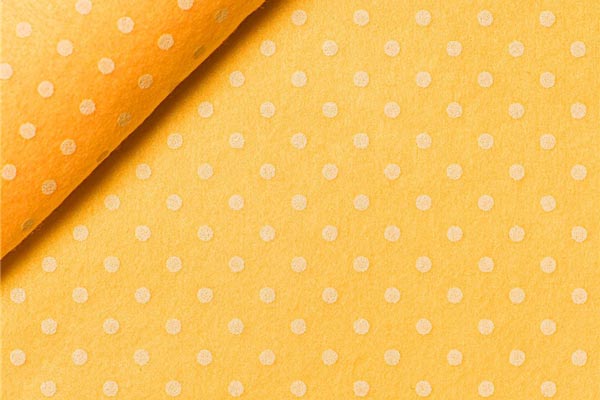
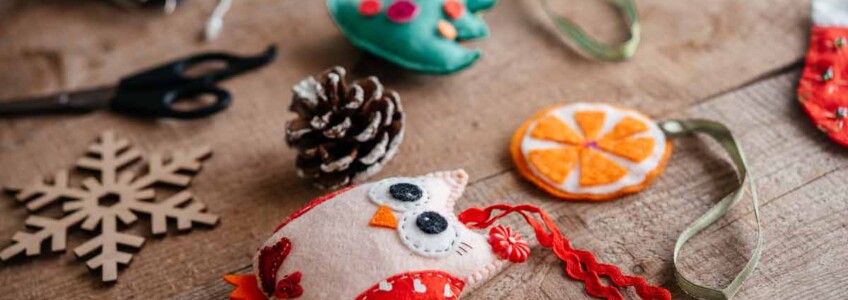
  • Felt: Easy to cut and work with, the Coloured Felt is ideal for structured costumes such as hats, masks or accessories.
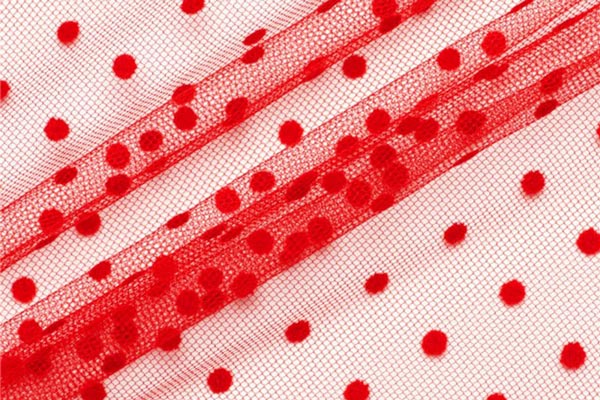
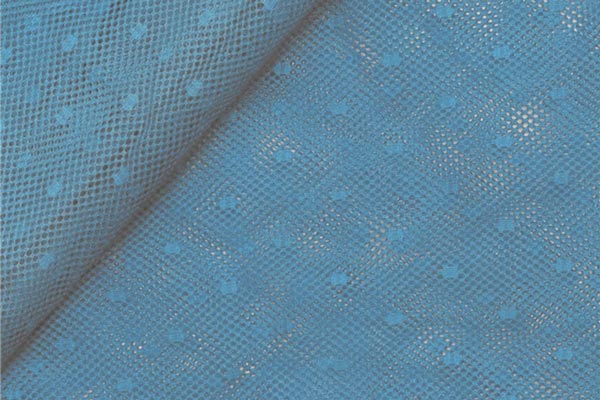
  • Tulle: Perfect for fluffy skirts, butterfly wings or ethereal details. The Tulle Elastic Hud, for example, is available in many colors and easy to match.
  • Cotton: A versatile and breathable fabric, ideal for creating base of costumes such as shirts or pants. Cotton Digital Art is easy to sew and decorate.
  • Satin: For an elegant and shiny effect, ideal for princess dresses, capes or historical costumes you can use the Printed Jolly Satin.
  • Wool cloth: The Make Glitter Extra Cloth is great for capes or decorative details, thanks to its warm and soft texture.
  • Lycra: The Licra Sugar is perfect for tight costumes, like those of a superhero, thanks to its elasticity.
  • Mixed fabric scraps: For those who want to save money, the fabric cutouts are a valuable resource to create imaginative costumes.

To these materials you can add accessories such as ribbons, trimmings, sequins and fabric glue, essential for decorative details.

Sewing Costumes for Carnival

Simple techniques for sewing and decorating costumes

You don’t need to be an expert tailor to create a DIY Carnival costume. With the right techniques, even beginners can achieve excellent results:

  • Cutting and gluing: For fabrics such as felt or tulle, it is often not necessary to sew. With a good fabric glue, you can fix decorations or assemble costume parts.
  • Hand-knitted base stitch: If you don’t have a sewing machine, you can make simple seams and hems using the filza stitch. It’s fast and functional.
  • Fabric overlays: To add three-dimensional details, such as petals or layers of skirts, simply superimpose and secure the fabrics with pins or glue.
  • DIY decorations: Use fabric colors to create custom patterns or stencil for precise designs.
  • Elastic and velcro: These accessories are very useful for creating adjustable costumes, especially for growing children.

These techniques allow you to work any type of fabric without difficulty, obtaining a neat and original result.

Carnival flower costume

Do-it-yourself ideas for children: easy and safe costumes

Children love colourful and fun Carnival costumes. Here are some ideas to make using fabrics:

  • Butterfly or fairy: Use colored tulle to create a fluffy skirt and add wings of felt decorated with sequins.
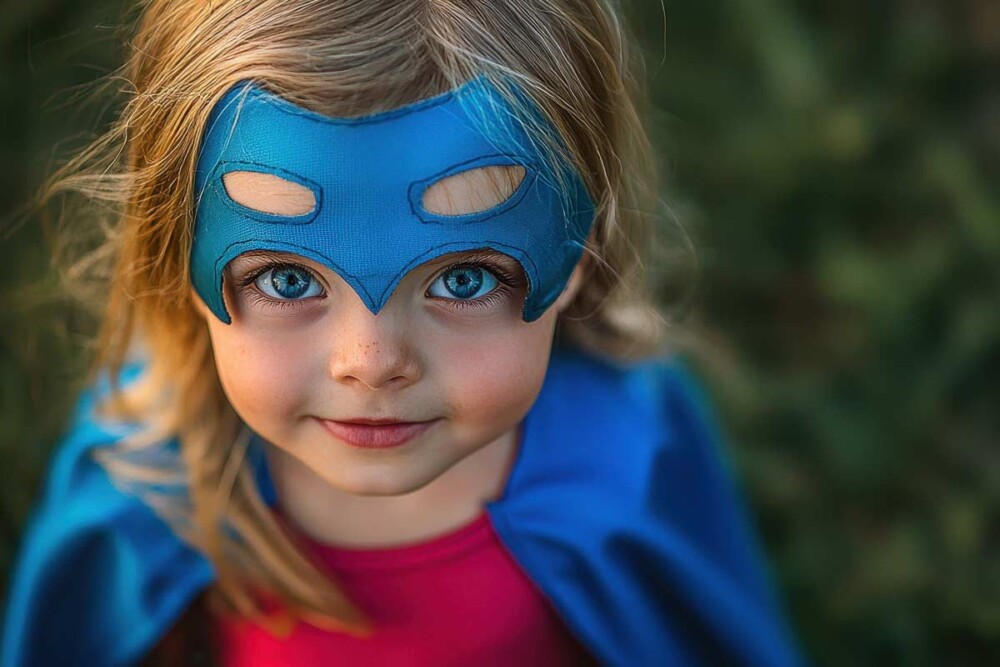
  • Superhero: With satin or light cotton, make a cape, while a felt mask will complete the look.
  • Animals: A piece of wool cloth can become a tail or ears, to be sewn on an elastic band.
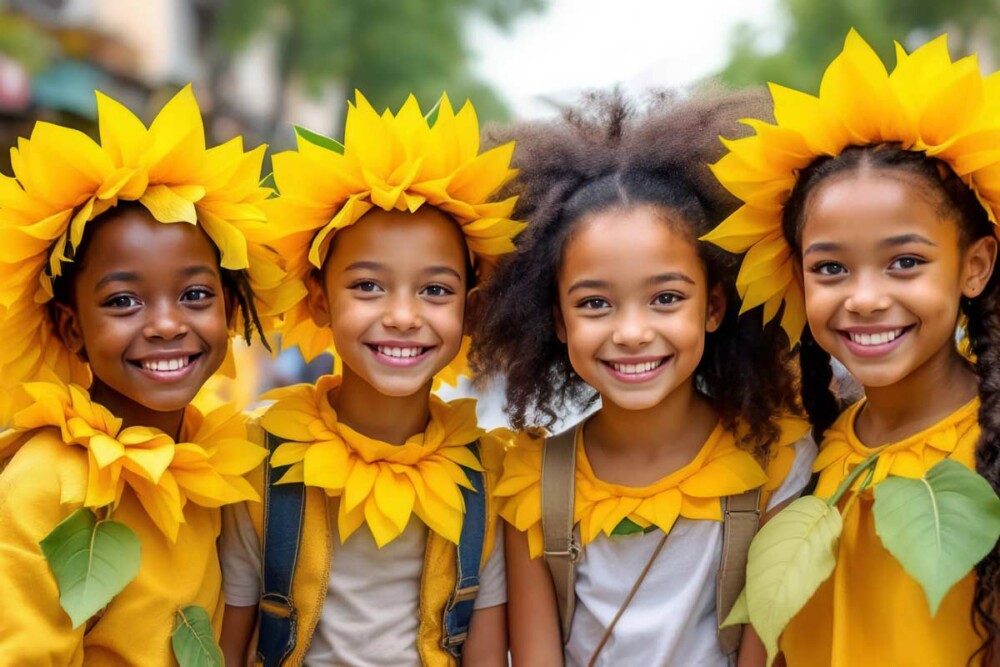
  • Giant flower: With the green tulle you can create a base for the costume and add colored felt petals around the face.

To ensure safety, use hypoallergenic fabrics and make sure the costumes are comfortable and easy to wear.

Pirate Carnival costume

Easy DIY carnival costumes for adults

Adults can also have fun creating original costumes using fabrics. Here are some suggestions:

  • Medieval prince or princess: With satin and velvet, you can make a tunic or elegant dress, adding details in gold trimmings.
  • Pirate: Use black or red cotton to create a headband, cape and decorative belt.
  • Mime: With striped fabrics and a little black tulle, you can create the classic mime costume, simple and elegant.
  • Historical character: A cotton sheet can be transformed into a Roman toga, while the velvet lends itself to capes of kings or queens.

Thanks to the versatility of the fabrics, you can create unique and high impact costumes without having to buy pre-packaged clothes.

Carnival costumes recycling

Creative recycling: how to use pieces of cloth for a new costume

If you have unused fabrics or leftover scraps, the Carnival is the perfect opportunity to recycle them:

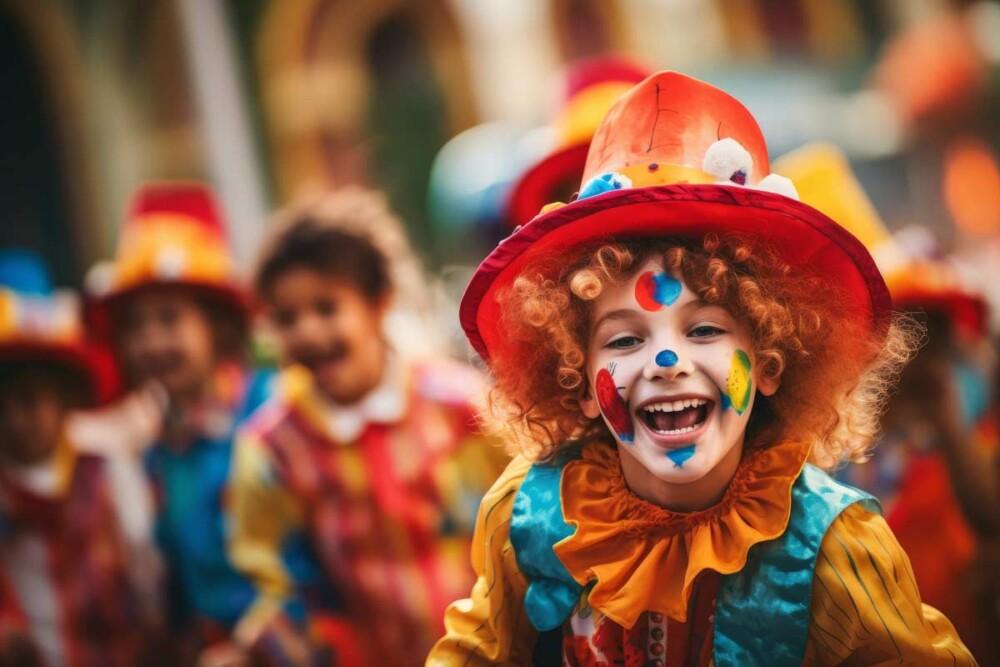
  • Patchwork: Sewing together pieces of cloth of different colors can give life to an original and sustainable costume, such as that of a clown or a jester.
  • Butterfly or dragon wings: Use glossy or transparent fabrics to create decorative accessories, fixing them with glue or simple seams.
  • Custom capes: A long piece of cloth can be decorated with stencils or applications to turn into a superhero cape.
  • Details and accessories: Old organza scraps and ribbons can be used to create decorations, belts or ornaments to complete the costume.

Creative recycling not only saves you money, but also helps reduce waste by turning unused materials into something unique.

Carnival costume for super hero

5 easy to make last minute Carnival costumes

If time is short, these last minute costumes are perfect:

  1. Little Red Riding Hood: A piece of red cotton for your cloak and a basket of wicker turn you into a fairy tale heroine.
  2. Vintage Ghost: Use an old white cotton sheet and add eyes and mouth with fabric paint.
  3. Witch: With black tulle you can create a voluminous skirt, matching it to a hat made of felt.
  4. Superhero: A piece of colored satin for the cape and a felt mask are enough to create a fast costume.
  5. Giant flower: Green tulle for the body and fabric petals sewn around a circle complete the look.

With the right fabrics and a little creativity, you can make unique costumes even at the last minute.

Making DIY Carnival costumes is a creative and satisfying way to make the most of fabrics. Whether it is children’s clothes or adult costumes, with the right materials and fabrics to choose from on the Catalog of Carnival Fabrics 2025 Cimmino, you can create something unique and memorable. You just have to choose the fabrics that you prefer and give life to your next masterpiece!

Danzainfiera 2025

DANZAINFIERA 21 – 23 FEBBRAIO 2025 | FIRENZE

From 21 to 23 February 2025, the historic Fortezza da Basso in Florence will host the nineteenth edition of Danzainfiera, the most anticipated international event dedicated to the world of dance. Industry professionals, dancers, schools, companies and enthusiasts will gather to celebrate all the nuances of this art.

This year’s theme, “DANCE BEYOND“, is an ode to freedom of expression, encouraging people to overcome stereotypes and celebrate dance as a pure form of personal expression.

The programme includes over 400 events spread out over 65,000 square metres, with 20,000 dancers performing on various stages. The following are among the key events:

  • Masterclass and Auditions: Patrick Armand, new Artistic Director of the Wiener Staatsoper Ballettakademie in Vienna, will hold a masterclass on 21 February. On 23 February, the Joffrey Ballet School will offer an audition for young talent between 10 and 13 years old.
  • Thematic Workshops: Mario Charty will lead a Hip Hop masterclass on February 22, while Igal Perry of the Peridance Center in New York will lead a special session of classical and neoclassical dance on February 23.
  • Performances and Competitions: The “Dance Parade” will offer schools the opportunity to perform in a non-competitive context, while the “Pop Tap Festival” on 23 February will be dedicated to Tip Tap fans.

Danzainfiera 2025: the exhibition of clothing, footwear and accessories for dance

In addition to the performance activities, Danzainfiera 2025 will present an exhibition area with the latest in terms of clothing, footwear and accessories for dance, offering participants the opportunity to discover trends and innovative products. Also Manifattura Foderami Cimmino will be present at the CENTRAL PAVILION GROUND FLOOR – STAND B3.

To attend lectures, auditions or choreographic events, registration is required on the official website. Tickets are available online only and vary depending on the activities you choose.

Danzainfiera 2025 is confirmed as a must-see event for all dance lovers, offering an immersive experience that celebrates passion, art and community.

tessuti per handcraft

CHSI 23-24 FEBBRAIO 2025 | BIRMINGHAM (UK)

From 23 to 24 February 2025, the NEC in Birmingham will host the 50th edition of CHSI Stitches, the leading trade event for the craft sector in the UK. Organised by ICHF Events, this annual trade fair brings together key suppliers and manufacturers from around the world, offering a unique opportunity for industry professionals to connect, discover new products and attend free educational seminars.

CHSI Stitches is recognised as the leading meeting point for the craft industry which attracts over 6,000 buyers and more than 200 exhibitors presenting over 100,000 innovative products each year. The event offers a platform to explore the latest trends and market news, with stands highlighting the latest product releases from emerging designers and established brands in the creative sector.

Birmingham craft fair: all the latest from the handcraft sector

One of the hallmarks of CHSI Stitches is the annual presentation of the “Craft Report”, which provides key data on industry trends. This relationship is fundamental for craft professionals, offering exclusive insights into market dynamics and consumer preferences.

For visitors arriving by car, you can pre-pay for online parking before the day of your visit, saving £5 and ensuring greater convenience on arrival. In addition, the NEC offers a range of services to enhance the experience of participants, including dining options and a variety of partner hotels nearby, such as the Voco St. John’s Hotel and the Hilton Birmingham Metropole, which offer comfortable accommodation and additional services to make your stay even more enjoyable.

Participation in CHSI Stitches is free, but you must register in advance. For further details on the event, including opening hours and information on exhibitors, please visit the official NEC website.

Don’t miss the opportunity to attend this event, which is a must for all professionals and enthusiasts of the craft sector, where innovation, networking and training come together to promote the growth and development of the creative industry. Also Manifattura Foderami Cimmino will be present, at HALL 7/8 – STAND G51.

fiera Texworld Parigi

TEXWORLD (10-12 Febbraio) | Parigi (Francia)

From 10 to 12 February 2025, the Paris-Le Bourget exhibition centre will host Texworld Apparel Sourcing Paris, one of the most significant events in the world fashion and textile scene. This event, which takes place twice a year, brings together over one thousand exhibitors from around 30 countries, offering professionals in the sector a sourcing platform ranging from basic products to the most innovative and high-quality creations.

The February 2025 edition will present a new organization of exhibition spaces to foster synergies between materials and finished products. In particular, Hall 4 will be dedicated to women’s wardrobe, while Hall 3 will host a large area dedicated to outdoor, sportswear and casualwear. All services, the trend forum, restaurants and the Agora, where conferences and round tables will take place, will be concentrated in Hall 2.

Texworld 2025: exhibitors from all over the world arrive in Paris

The main exhibiting countries include China, Turkey, India, Korea, Indonesia, Pakistan, Thailand and Bangladesh. In addition, the initiative of the Yarn Expo pavilion will be renewed, enhancing the upstream sector and the know-how of the main spinning companies.

Special attention will be given to sustainability through the Texpertise Econogy initiative. Visitors will be able to identify suppliers of sustainably produced fabrics through the Econogy Finder, attend conferences on environmental issues as part of the Econogy Talks and take part in Econogy Tours, Guided tours focusing on sustainable supply, scheduled for 10 and 11 February.

To attend the event, you can register and get a free badge on the official website of the event. Texworld Apparel Sourcing Paris is confirmed as a must-see event for all fashion and textile professionals: Manufacture Foderami Cimmino will also be present at the Hall 3/ E357 Elite Sector.

weight of fabrics

How to calculate tissue weight: formulas, examples and tips

Calculating the weight of fabrics is a fundamental skill for those working in the textile industry, for manufacturers of clothing and furniture. The weight of the fabric not only determines the type of application, but is also an indicator of the quality and strength of the material. Manifattura Foderami Cimmino explains in detail how to calculate the weight of fabrics with precise formulas, practical examples and useful tips.

natural fabric

Calculate the weight of tissues

The weight of fabrics is mainly measured in grams per square metre (GSM) or linear metre. Understanding this measurement is essential to determine the thickness and end use of the material, both for clothing and furniture.

How to measure the weight of tissues

Tissue weight is measured using specific instruments such as digital scales and calculators. The most common measurement is in grams per square metre (GSM), a universal unit of measure in the textile sector.

Fabrics to be weighed

Fabric weight: grams per square meter (GSM)

GSM is the number of grams of a fabric distributed over one square metre. For example, lightweight fabrics ranging from 50 to 150 GSM are ideal for shirts, light underwear and accessories such as foulards. The medium fabrics, on the other hand, have a weight between 150 and 300 GSM and are suitable for making trousers, skirts and sheets. Finally, heavy fabrics exceed 300 GSM and are used for winter garments such as jackets and coats, as well as for curtains and upholstery materials.
The GSM measurement is crucial to identify the use of the fabric. A lightweight fabric is breathable and suitable for warm climates, while a heavier one provides more resistance and insulation.

light fabrics

Difference between light and heavy fabrics

The main difference between light and heavy fabrics lies in their density and thickness:

  • Lightweight fabrics: Thinner, breathable and delicate. Perfect for summer clothing and light underwear.
  • Heavy fabrics: Denser, more resistant and suitable for cold climates, furniture or technical uses.

Formula for calculating tissue weight

To calculate the weight of a fabric, use the following formula:

Fabric weight (GSM) = (Sample weight in grams/ Sample area in square meters)

Example:

  1. Cut a sample of fabric measuring 10 cm x 10 cm (0.01 m 2).
  2. Weigh the sample with a digital scale. Suppose it weighs 2 grams.
  3. Applicare la formula: o GSM = 2 g / 0,01 m2 = 200 GSM

The weight of the fabric is therefore 200 grams per square meter.

tissue samples

Calculation of tissue weight per linear metre

When measuring weight per linear meter, it is important to consider the width of the fabric. The formula becomes:

Weight per linear metre = GSM x width of the fabric (in metres)

Example:

  • Fabric weight: 200 GSM
  • Width: 1.5 m
  • Weight per linear metre = 200 x 1.5 = 300 g/m
harden

How to understand the weight of the tissue

To understand the weight of the fabric, it is essential to make an accurate measurement with a precision scale and follow the GSM formula. In addition, consulting the supplier’s technical specifications helps to confirm actual weight.

Relationship between tissue weight and quality

The weight of the fabric is often related to its quality. Heavier fabrics tend to be more durable and durable, but this does not mean that light fabrics are of low quality. The choice depends on the final application and customer requirements.

Practical examples for measuring tissue weight

  1. Clothing: A summer shirt requires a fabric between 80-150 GSM, while a coat needs at least 350 GSM.
  2. Furniture: For light curtains, we recommend a weight between 100-200 GSM, while a fabric for upholstery requires more than 400 GSM.
weighing fabrics

How to choose the weight of fabric for clothing and furniture

The choice of fabric weight depends on the type of application:

  • Clothing: Light fabrics for summer garments, medium fabrics for shirts and trousers, heavy fabrics for jackets and coats.
  • Furniture: Light fabrics for decorative curtains, medium for bedspreads and heavy for sofas and upholstery.

Difference between light, medium and heavy fabrics: applications and advice

When it comes to textiles, their classification into light, medium and heavy helps determine the most appropriate use based on the characteristics of the material. Lightweight fabrics are perfect for applications where breathability and softness are essential, such as in summer clothing and light underwear. Medium fabrics are a versatile choice, suitable for both casual wear and furnishing elements such as sheets and semi-transparent curtains. Finally, heavy fabrics are distinguished by their strength and insulating capacity, ideal for winter clothing, upholstery and industrial uses.

choice of fabrics

Tissue weight measurement tools: scales and calculators

To measure tissue weight accurately, you need:

  • Digital scales: Essential tool for weighing small tissue samples.
  • GSM Calculators: Online tools or software that help you quickly calculate the weight of your tissue by entering the weight and size of your sample.
  • Standardized samples: To obtain accurate measurements, it is important to cut samples of precise size (e.g. 10 cm x 10 cm).

Calculating tissue weight is not just a technical issue, but an essential skill in selecting materials for different applications. Whether it is clothing, furniture or industrial applications, knowing GSM allows you to make informed choices and optimize the quality of products.

Examples composition fabrics

Guide to the composition of materials and fabrics

Choosing the right fabrics is a crucial step for anyone working in the textile industry, from fashion to furniture. Knowing the composition and characteristics of materials allows you to make informed choices, ensuring quality and satisfaction to end customers. Manifattura Foderami Cimmino teaches how to read and interpret information on the composition of fabrics, with a particular focus on percentages and symbols often found in labels.
composition fabrics

Table composition fabrics

Here is a useful table to understand the composition of the most common tissues and their main applications:

table composition fabrics

This table is a basis for identifying the most common materials in the textile market. However, it is important to delve into the differences between natural, synthetic and mixed fabrics.
Working with textiles

Guide to tissue composition

Understanding the composition of textiles is essential for those working in the textile industry. This directly affects the properties of the material, its application and the maintenance required. Correct interpretation of the information on labels can make the difference between a product suitable for use and one that is intended to disappoint customers.
label fabrics

How to read the composition of tissues

Textile labels are essential for knowing the characteristics of a material. Usually, the composition is given in percentages showing the ratio of different fibers present. For example, a fabric with 80% cotton and 20% polyester is considered a blend, appreciated for the combination of comfort and strength.

Steps to interpret a label:

  1. Read the percentages: Look for the predominant material to understand the main characteristics of the fabric.
  2. Identify additional fibers: Synthetic or elastic fibers, such as elastane, may be present in small percentages to improve the fit.
  3. See symbols: The symbols on the labels give instructions for washing, drying and ironing.

Understanding this information is particularly useful for textile professionals who have to ensure the quality of the final product.

Percentage of textile composition

Composition percentages directly influence the quality and use of a fabric. Here are some common combinations and their meanings:

  • 100% cotton: Natural, soft and breathable fabric. Ideal for casual wear and linen.
  • 50% cotton, 50% polyester: A balanced mix of comfort and resistance. Perfect for shirts and garments resistant to frequent washing.
  • 97% cotton, 3% elastane: Added stretch for a better fit, typical of jeans and tight pants.
  • 100% polyester: Durable and versatile, but less breathable. Often used for sportswear and accessories.

These percentages may vary according to the specific needs of the producer or consumer. A blended fabric can offer the ideal compromise between aesthetics, functionality and durability.

symbols label fabrics

Symbols composition fabrics

In addition to the percentages, it is important to know the symbols that accompany textile labels. Some of the most common include:

  • Basin symbol: Indicates the maximum recommended washing temperature.
  • Circle with a “P”: Indicates the possibility of dry cleaning.
  • Triangle: Inform about the possibility of bleaching the fabric.
  • Iron: Shows if the material is suitable for ironing and at what temperature.

Interpreting these symbols correctly is essential to keep the tissues in good condition over time. It also helps manufacturers to provide clear instructions to their customers.

Fabric patterns

Guide to textile materials

Textiles are the beating heart of any fashion, furniture and industrial project. Understanding the characteristics of fabrics, their origins and specific applications is crucial to choosing the product that best suits the end customer’s needs. This section explores the main differences between natural, synthetic and mixed fabrics, offering useful tools for a conscious selection.

Natural and synthetic fabrics: comparative table

Synthetic and natural fabrics comparison table

Knowing these differences helps you choose the right material for each project, considering both performance and environmental impact. For example, natural fabrics are ideal for garments intended for warm climates due to their breathability, while synthetic fabrics excel in technical and durable applications.

Difference between natural and mixed fabrics

Natural fabrics, such as cotton, linen and wool, are appreciated for their breathability and comfort. However, they may require more attention in maintenance. Mixed fabrics, on the other hand, combine natural and synthetic fibers to offer the best of both worlds: resistance, elasticity and practicality.

An example is the stretch fabric, which often combines cotton and elastane for a comfortable and durable effect. This type of fabric is particularly used in the fashion industry, where flexibility and durability are essential.

textiles clothing

Composition of textiles and clothing

In the clothing industry, fabric composition plays a crucial role. A garment made of natural fibers will be ideal for those looking for comfort and sustainability, while technical fabrics are perfect for those who need high performance, as in the case of active & streetwear.

Some examples:

  • Casual clothing: Natural fabrics such as cotton and linen.
  • Technical clothing: Polyester and nylon for strength and lightness.
  • Elegant clothing: Mixed with viscose for a soft and silky effect.

Here too, knowing the characteristics of materials helps meet end-user expectations.

different fabrics

Significance of tissue composition

Understanding the composition of fabrics means ensuring that each choice is fit for end use. This not only helps to avoid errors in production, but also improves customer satisfaction. For example:

  • A mixed fabric with high polyester content is ideal for corporate uniforms that must withstand frequent washing.
  • A 100% natural fabric is perfect for high-end sheets or summer clothing.

In conclusion, knowing materials is a fundamental skill for those working in the B2B sector, since it allows to optimize every phase of the production process and guarantee the highest quality to customers.